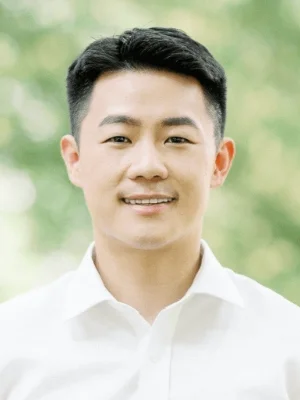
SynBioBeta Speaker
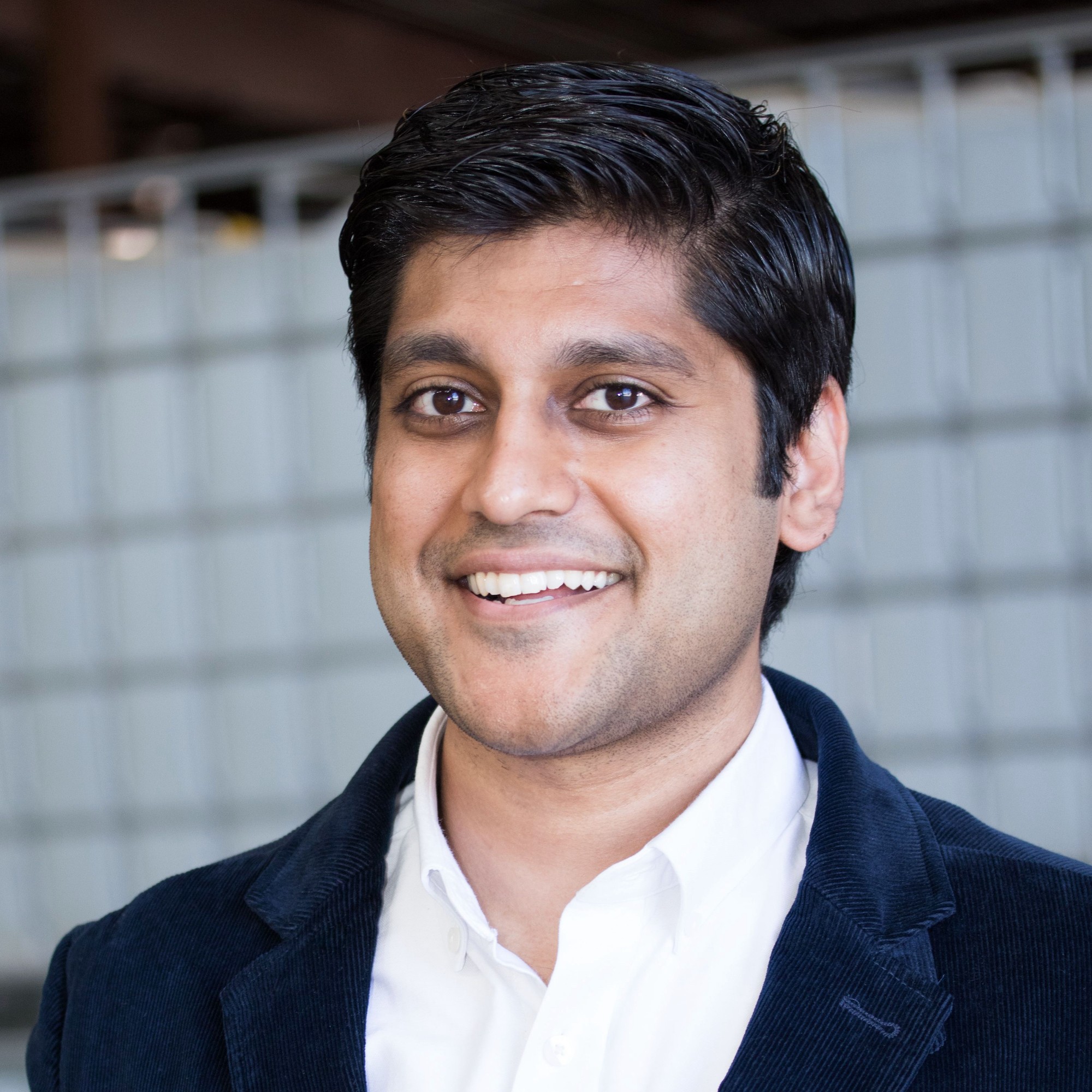
Andrew Chang
DeepSeq.AI
CEO
Andrew Chang, PhD, is the CEO and Co-founder of DeepSeq.AI. Originally trained in biophysics, Andrew developed an expertise in protein engineering at Genentech, where he integrated first-principles physical modeling with large-scale biological screening assays. A winner of multiple international machine learning competitions, he has built his career on the conviction that data quality and scale are the ultimate arbiters of AI power. Andrew is recognized as one of the earliest pioneers in protein language modeling using hyperscaled DNA sequencing data. Prior to founding DeepSeq, he held senior engineering and research roles at Synthego and Karius, where he helped establish their foundational AI platforms. Under his leadership, DeepSeq has secured backing from DARPA, NSF, Merck DSS, Illumina Ventures, Stanford StartX, and other prominent institutions to build the next generation of biologics discovery systems, with customers already including Genentech, Gilead, and other key biopharma players.
SynBioBeta 2026 Tickets are Live
Confirmed Speakers
Sessions Featuring
Andrew
This Year
•
-
AIxBIO
Decoding the Grammar of Protein-Protein Interactions: A Function-First Paradigm Shift
While the industry has seen massive AI breakthroughs lately, predicting actual biologics affinity and immunogenicity remains the industry's greatest challenge. DeepSeq.AI is driving a paradigm shift from "Structure-First" to "Function-First" by training protein language models on billions to trillions of experimental protein interactions in a single experiment. This enables high-fidelity mapping of biologics against a broad spectrum of critical antigens, including viruses, human immune receptors, and the entire human proteome. Such scale is critical for designing broad-spectrum biologics that remain safe and effective against evolving variants. Validated by Genentech and funded by DARPA and the NSF, our platform further scales to human proteome profiling for pharmacokinetics optimization. In this presentation, we will share this novel platform that decodes the "protein-protein interaction grammar" to advance candidates into the clinic with unprecedented accuracy.
Get a Ticket
Featuring

Andrew Chang
DeepSeq.AI
CEO
•
-
AIxBIO
Decoding the Grammar of Protein-Protein Interactions: A Function-First Paradigm Shift
While the industry has seen massive AI breakthroughs lately, predicting actual biologics affinity and immunogenicity remains the industry's greatest challenge. DeepSeq.AI is driving a paradigm shift from "Structure-First" to "Function-First" by training protein language models on billions to trillions of experimental protein interactions in a single experiment. This enables high-fidelity mapping of biologics against a broad spectrum of critical antigens, including viruses, human immune receptors, and the entire human proteome. Such scale is critical for designing broad-spectrum biologics that remain safe and effective against evolving variants. Validated by Genentech and funded by DARPA and the NSF, our platform further scales to human proteome profiling for pharmacokinetics optimization. In this presentation, we will share this novel platform that decodes the "protein-protein interaction grammar" to advance candidates into the clinic with unprecedented accuracy.
Get a Ticket
Featuring

Andrew Chang
DeepSeq.AI
CEO
Session lineup still growing
Get a Ticket
Featuring
Speaker Coming Soon
•
-
Human Health
From Cells to Patients: Solving the Scale Mismatch in Virtual Biology
Drug discovery often measures biology at the cell level while interventions work at the tissue, organ, or whole-patient scale. This mismatch can make accurate cell-level predictions irrelevant in the clinic. This session dives into strategies to bridge that gap: multiscale modeling that nests single-cell dynamics within organ-level simulations, spatial transcriptomics that preserve context, and surrogate models that translate cell-level outputs into clinical biomarkers. Speakers will ask: how do we ensure virtual biology reflects not just what cells do in isolation, but how biology behaves in the real complexity of patients?
Get a Ticket
Featuring
Speaker Coming Soon