Γ

SynBioBeta Speaker

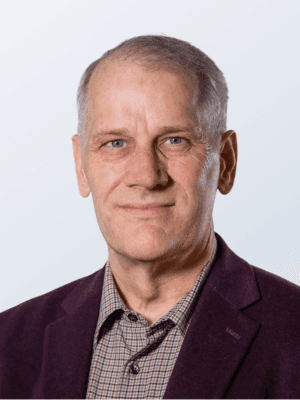
Paul Sheehan

ARPA-H

Program Manager

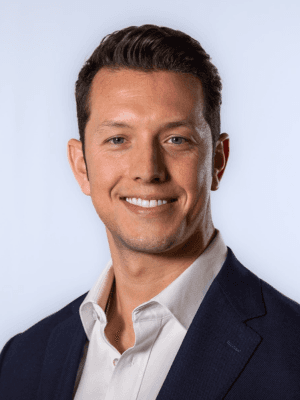
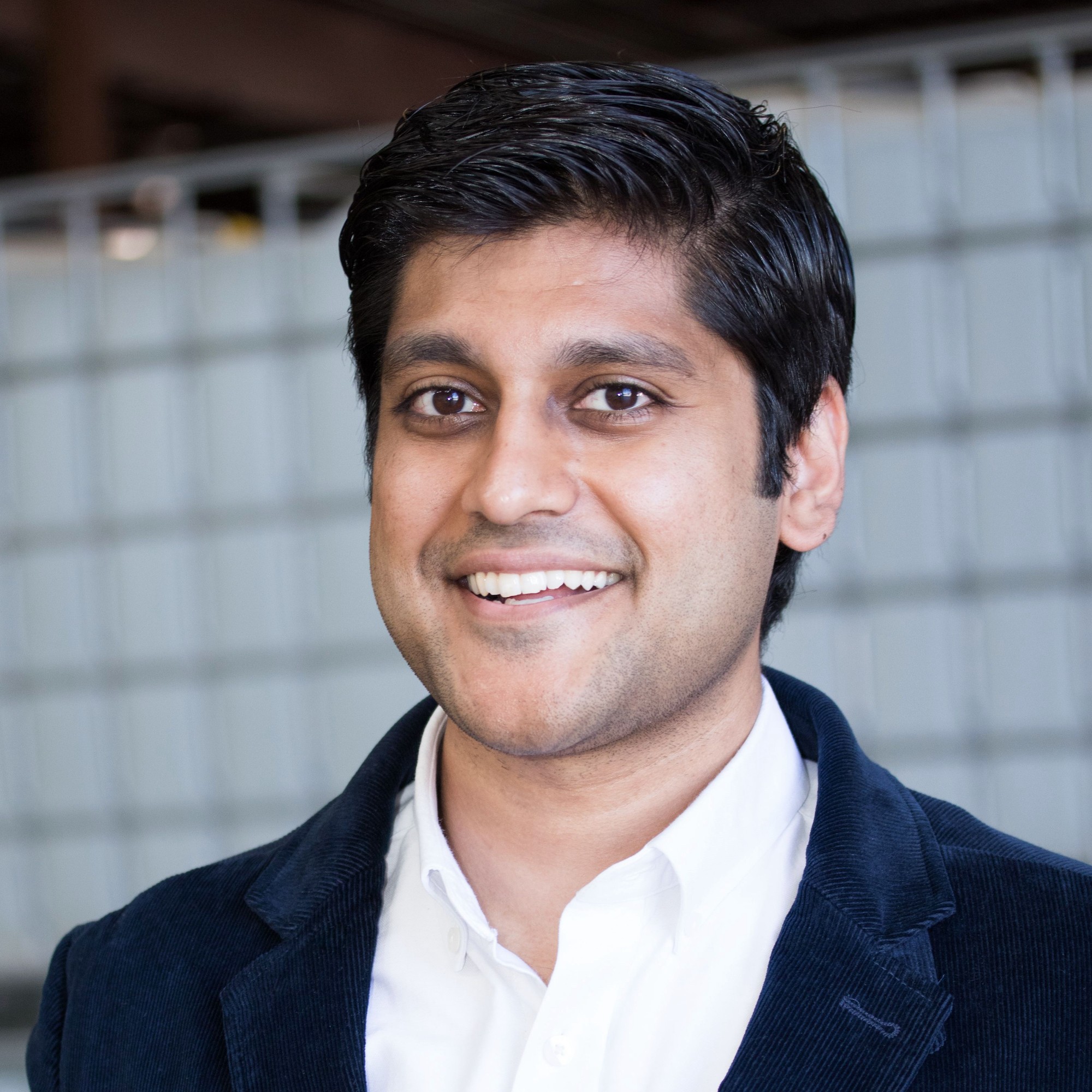
Paul E. Sheehan, Ph.D., is a program manager and scientific leader whose career focuses on turning bold ideas into technologies that transform health and society. Trained as a chemical physicist at Harvard University, where his work on nanoscale materials produced multiple landmark Science papers and recognition in the U.S. President’s State of the Union, he has built a rare, deeply interdisciplinary portfolio spanning synthetic biology, bioelectronics, nanotechnology, artificial intelligence, and ecology.At ARPA-H, Dr. Sheehan was among the first program managers recruited to help stand up the agency. In his first year, he rapidly launched programs that are already moving into the clinic and producing high impact publications. His current portfolio ranges from countering antimicrobial resistance and sepsis to biohybrid and ingestible electronics and AI enabled biomanufacturing. A hallmark of his approach is ecosystem-building: he convenes annual technology summits and Biohybrid Summits that bring together researchers, patients, ethicists, regulators, funders, and industry—helping establish a template for community-driven, high-risk, high reward research.Previously, as a program manager at DARPA’s Biological Technologies Office, his efforts reframed persistent challenges, such as using ultrafast phenotyping to detect pathogenic behavior, creating bioelectronic bandages for active wound healing, advancing AI for point-of-care ultrasound, and engineering synthetic ecologies to benefit health and the environment. These programs have transitioned to government partners, seeded multiple companies, and accelerated translation of disruptive technologies.

SynBioBeta 2026 Tickets are Live

Confirmed Speakers

Sessions Featuring

Paul

This Year

12:00 AM

-

12:00 AM

Reversing Brain Damage: Can Programmable Biology Heal the Mind?

What if brain damage—from strokes, neurodegeneration, or even aging itself—could be reversed? ARPA-H is launching an ambitious effort to make this vision real, catalyzing technologies that repair neural circuits, restore lost tissue, and recover cognition. In this session, delivered by ARPA-H Program Manager Jean Hebert (solo), participants will dive into the role of programmable biology in healing the brain. Could engineered cells rebuild damaged regions? Could synthetic gene circuits guide regeneration? Could AI-designed therapies restore function after injury or decline? This talk will highlight high-risk, high-reward opportunities and outline a bold vision for the future of neurorepair powered by programmable biology.

12:00 AM

-

12:00 AM

Reversing Brain Damage: Can Programmable Biology Heal the Mind?

What if brain damage—from strokes, neurodegeneration, or even aging itself—could be reversed? ARPA-H is launching an ambitious effort to make this vision real, catalyzing technologies that repair neural circuits, restore lost tissue, and recover cognition. In this session, delivered by ARPA-H Program Manager Jean Hebert (solo), participants will dive into the role of programmable biology in healing the brain. Could engineered cells rebuild damaged regions? Could synthetic gene circuits guide regeneration? Could AI-designed therapies restore function after injury or decline? This talk will highlight high-risk, high-reward opportunities and outline a bold vision for the future of neurorepair powered by programmable biology.

TBD

Session lineup still growing

Featuring

Speaker Coming Soon

Fireside Chat

12:00 AM

-

8:30 AM

Human Health

From Cells to Patients: Solving the Scale Mismatch in Virtual Biology

Drug discovery often measures biology at the cell level while interventions work at the tissue, organ, or whole-patient scale. This mismatch can make accurate cell-level predictions irrelevant in the clinic. This session dives into strategies to bridge that gap: multiscale modeling that nests single-cell dynamics within organ-level simulations, spatial transcriptomics that preserve context, and surrogate models that translate cell-level outputs into clinical biomarkers. Speakers will ask: how do we ensure virtual biology reflects not just what cells do in isolation, but how biology behaves in the real complexity of patients?

Featuring

Speaker Coming Soon

Previous Speakers Include