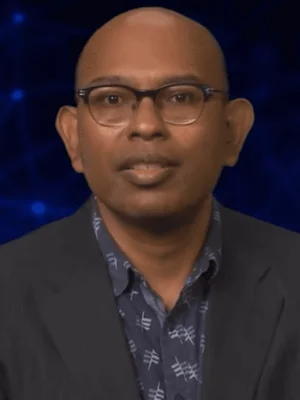
SynBioBeta 2026 Speaker
Abhishek Singharoy
ASU
Professor
The unified theme of my laboratory’s research is to combine molecular simulation methodologies with bioinformatics approaches for capturing immunological responses with atomic precision. Spanning multiple spatio-temporal scales ranging from that of single proteins to complexes up to the whole cell, these computations have led to discoveries in voltage-sensing and ion transport mechanisms of Ci-VSP and NRAMP proteins, ribosomal insertion pathways via YidC and holotranslocon complexes, allosteric networks controlling immunogenicity of Human Papillomavirus vaccine vectors, and the bioenergetics of ischaemia/reperfusion injury. Our most recent endeavors focus on dissecting the molecular origins of programmed cell death, and creation of a novel computer-aided pipeline pertaining to intricate pathology of ageing-related disorders. To put together large-scale membrane systems in atomic detail requires theoretical advances in terms of fitting/refining structural data from experiments. To address this need, my laboratory has been developing and applying an array of popular flexible-fitting tools that derive high-resolution molecular models from low-resolution experimental data, such as from X-ray crystallography, electron microscopy, quantitative mass-spectrometry, HLA pull down assays and immune-profiling. With the integration of machine learning schemes to traditional structural refinements we are extending the paradigm of obtaining “personalized diagnostics and vaccines from data”.My team of biophysicists, biochemists and computer scientists works in tandem with structural biologists to discover how phenotypic outcomes (drug-resistance, growth and immunogenicity) emerge by tuning the interactions between hundreds of proteins embedded in cell membranes or the crowded interiors of cells. We determine how loss of these interaction energies lead to ageing, and an uncontrolled increase in the energy turnovers are implicated in health disorders such as, cancer and neurodegenerative diseases. Subsequently we designed iMID drugs to avoid reistance mechanisms from patient mutations, We perform the protein folding, SARS-CoV-2 peptide-binding and hierarchical clustering analysis to update our EnsembleMHC software with data on all the 400 MHC-I proteins expressed in COVID patients around the world. We also construct the web-interface for free risk assessment of the patients, and epitope detection of HPV, HBV and coronaviruses to guide de-novo vaccine design


Reagan
Jarvis
Anocca AB
CEO, Co-founder
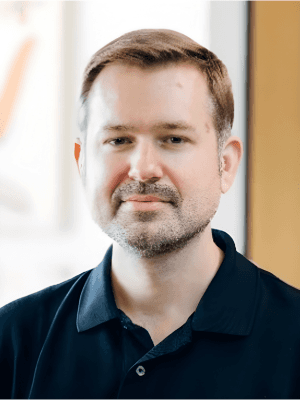
Alex
Rives
CZI Biohub
Head of Science

Karen
Akinsanya
Schrodinger
President, R&D – Therapeutics

Christopher
Arendt
Takeda
CSO, Head of Research

Stef
van Grieken
Cradle
CEO
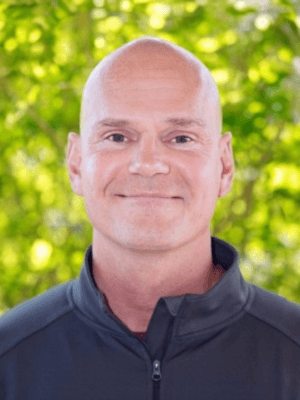
Michael
Koeris
DARPA
Director, BTO
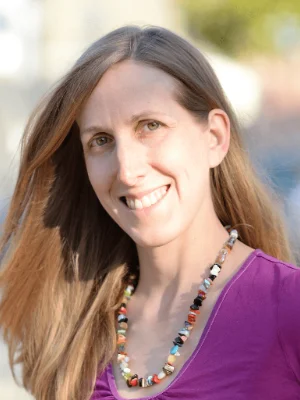
Jennifer
Dionne
Pumpkinseed
CEO

Daniyal
Hussain
GSK
Exec. Dir., Tech BD
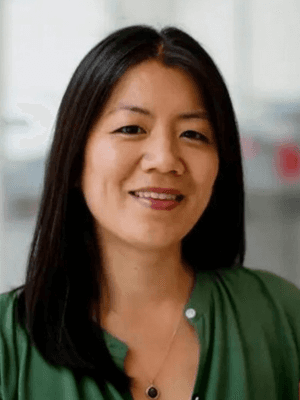
Cynthia
Hong
Novartis
Dir., Search & Evaluation
SynBioBeta 2027 May 3-6, San Jose, California