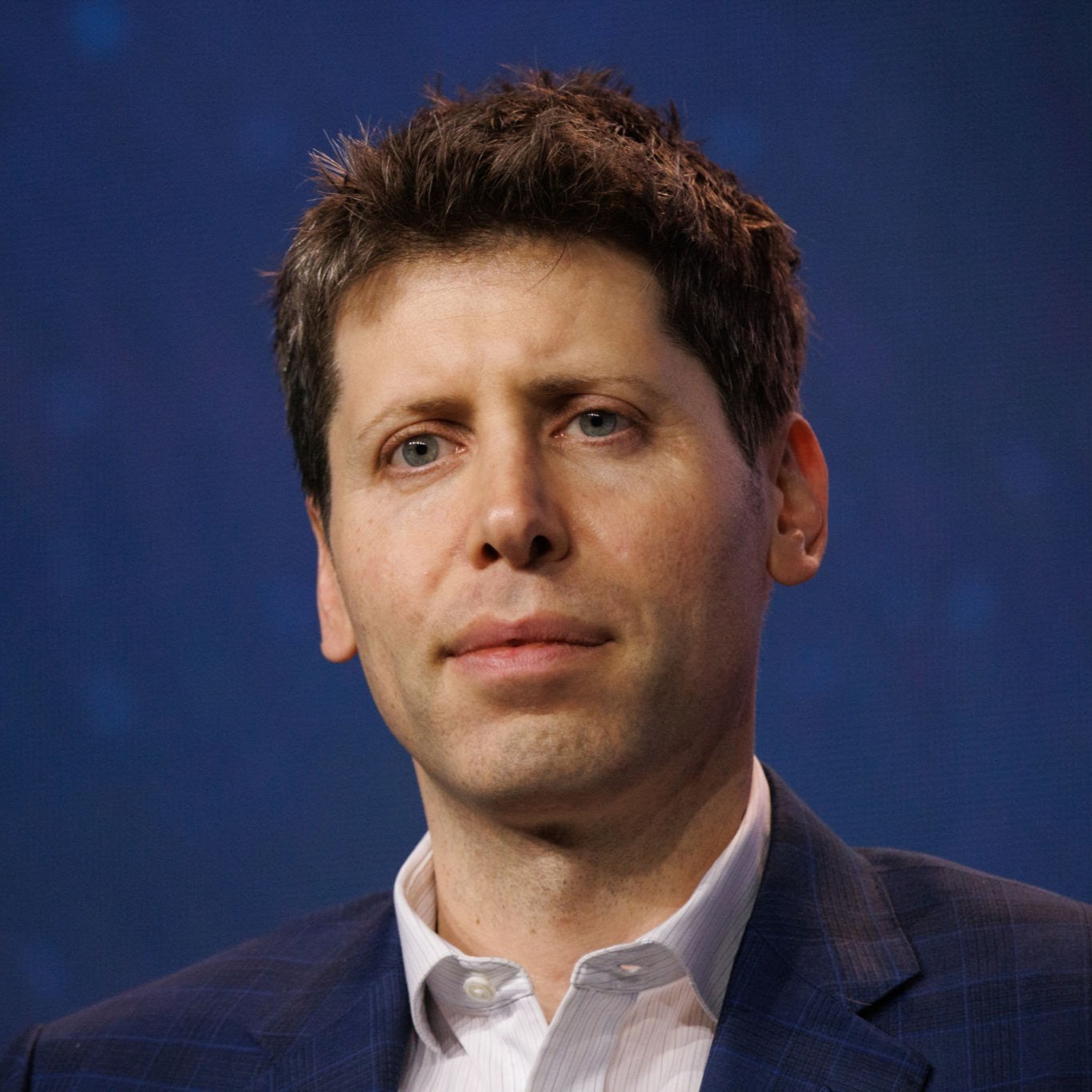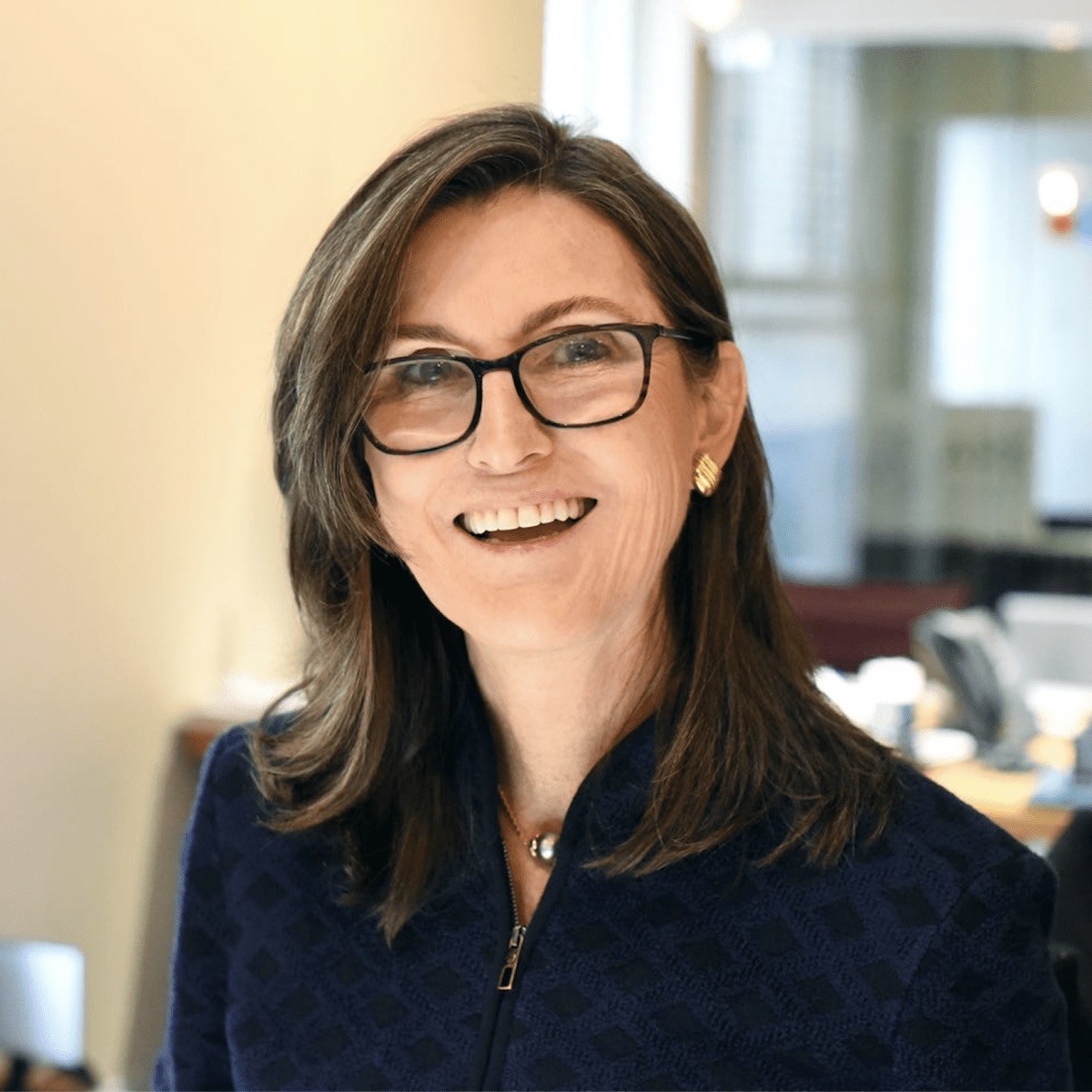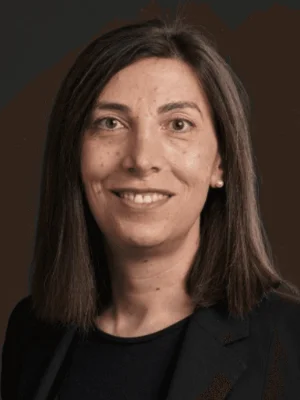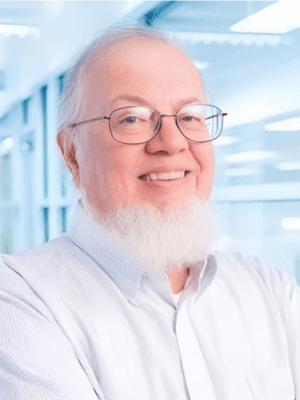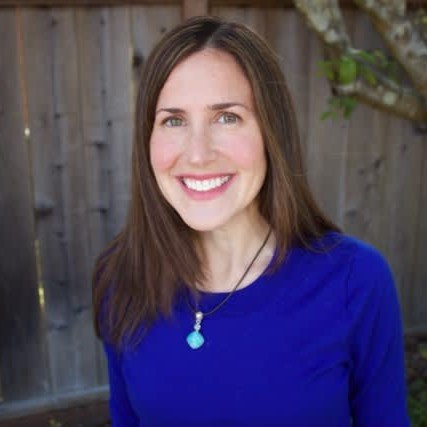
SynBioBeta Speaker
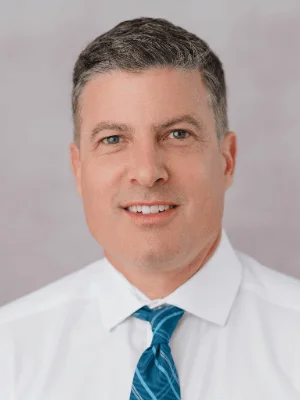
Jonathan Anomaly
Herasight
Professor & Founder
Jonathan Anomaly is director communications for Herasight, a company that offers embryo screening for physical and mental traits. Before joining Herasight, he was a professor at Duke, Penn, and the University of North Carolina.


Sessions Featuring
Jonathan
This Year
•
-
Human Health
Editing Inheritance: Is Human Germline Engineering Back?
Once viewed as reckless experimentation, germline gene editing is re-emerging as a serious scientific frontier. With base and prime editing now able to correct single-letter mutations with remarkable precision, researchers are beginning to demonstrate embryo edits that could one day eliminate devastating inherited diseases. The stakes, however, are profound: these are permanent, heritable changes passed to every future generation. This session examines the cutting edge of germline engineering—how far the science has advanced since CRISPR’s clumsy early days, what challenges remain around mosaicism and long-term safety, and where the ethical boundaries must be drawn. Should we consider germline editing only for rare, fatal conditions when no other reproductive options exist? Or is there a pathway to broader medical use under strict safeguards? Join leading scientists, ethicists, and policymakers as we debate whether rewriting inheritance is an act of compassion—or a step too far.
Featuring
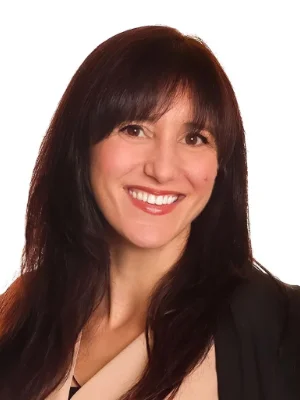
Eriona Hysolli
Stealth
Co-founder
Embryo gene-correction CSO, Time100 Next honoree.
Jamie Justice
XPRIZE
EVP, Health
21.9
Jonathan Anomaly
Herasight
Professor & Founder
Philosopher-communicator at the frontier of polygenic embryo screening.

Chase Denecke
Bootstrap Bio
CEO
Embryo gene-editing startup CEO pushing ethical boundaries.
Amy Dockser Marcus
The Information
Reporter
•
-
Human Health
Editing Inheritance: Is Human Germline Engineering Back?
Once viewed as reckless experimentation, germline gene editing is re-emerging as a serious scientific frontier. With base and prime editing now able to correct single-letter mutations with remarkable precision, researchers are beginning to demonstrate embryo edits that could one day eliminate devastating inherited diseases. The stakes, however, are profound: these are permanent, heritable changes passed to every future generation. This session examines the cutting edge of germline engineering—how far the science has advanced since CRISPR’s clumsy early days, what challenges remain around mosaicism and long-term safety, and where the ethical boundaries must be drawn. Should we consider germline editing only for rare, fatal conditions when no other reproductive options exist? Or is there a pathway to broader medical use under strict safeguards? Join leading scientists, ethicists, and policymakers as we debate whether rewriting inheritance is an act of compassion—or a step too far.
Featuring
Eriona Hysolli
Stealth
Co-founder
Embryo gene-correction CSO, Time100 Next honoree.
Jamie Justice
XPRIZE
EVP, Health
21.9
Jonathan Anomaly
Herasight
Professor & Founder
Philosopher-communicator at the frontier of polygenic embryo screening.
Chase Denecke
Bootstrap Bio
CEO
Embryo gene-editing startup CEO pushing ethical boundaries.
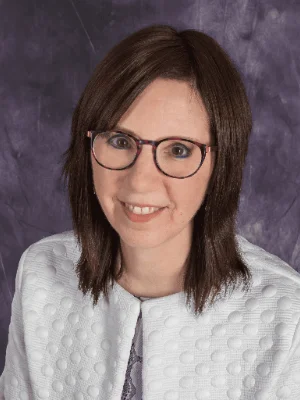
Amy Dockser Marcus
The Information
Reporter
•
-
Human Health
Next Frontiers in Embryo Genetics: From Polygenic Prediction to the Return of Germline Engineering
Preimplantation genetic testing transformed IVF by enabling the screening of embryos for aneuploidy and severe monogenic diseases. Today, rapid advances in genomic datasets, AI-driven modeling, and large-scale validation are pushing reproductive genetics into a new phase defined by polygenic embryo testing. In this talk, Jonathan explores how polygenic prediction works, how risk models are validated, and why predictive power has improved dramatically in recent years. As tools evolve, clinicians and researchers are beginning to assess complex traits shaped by many genes, opening new possibilities for disease risk reduction and embryo selection based on multifactorial characteristics. At the same time, breakthroughs in genome editing and delivery technologies are bringing germline engineering back into scientific and policy conversations. As selection and editing begin to converge, reproductive genetics is moving beyond screening toward intentional genetic design. This forward-looking talk examines the science, implications, and emerging realities shaping the next frontier of human genetic intervention.
•
-
Human Health
Next Frontiers in Embryo Genetics: From Polygenic Prediction to the Return of Germline Engineering
Preimplantation genetic testing transformed IVF by enabling the screening of embryos for aneuploidy and severe monogenic diseases. Today, rapid advances in genomic datasets, AI-driven modeling, and large-scale validation are pushing reproductive genetics into a new phase defined by polygenic embryo testing. In this talk, Jonathan explores how polygenic prediction works, how risk models are validated, and why predictive power has improved dramatically in recent years. As tools evolve, clinicians and researchers are beginning to assess complex traits shaped by many genes, opening new possibilities for disease risk reduction and embryo selection based on multifactorial characteristics. At the same time, breakthroughs in genome editing and delivery technologies are bringing germline engineering back into scientific and policy conversations. As selection and editing begin to converge, reproductive genetics is moving beyond screening toward intentional genetic design. This forward-looking talk examines the science, implications, and emerging realities shaping the next frontier of human genetic intervention.
Session lineup still growing
Featuring
Speaker Coming Soon
•
-
Human Health
From Cells to Patients: Solving the Scale Mismatch in Virtual Biology
Drug discovery often measures biology at the cell level while interventions work at the tissue, organ, or whole-patient scale. This mismatch can make accurate cell-level predictions irrelevant in the clinic. This session dives into strategies to bridge that gap: multiscale modeling that nests single-cell dynamics within organ-level simulations, spatial transcriptomics that preserve context, and surrogate models that translate cell-level outputs into clinical biomarkers. Speakers will ask: how do we ensure virtual biology reflects not just what cells do in isolation, but how biology behaves in the real complexity of patients?
Featuring
Speaker Coming Soon