SynBioBeta Speaker
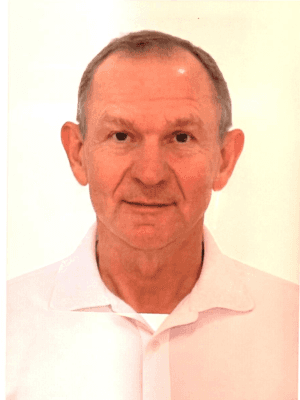
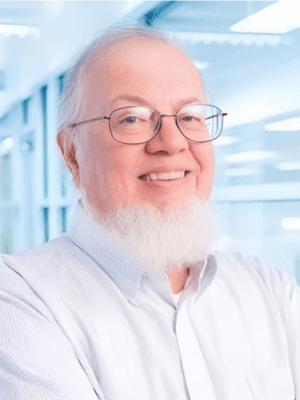
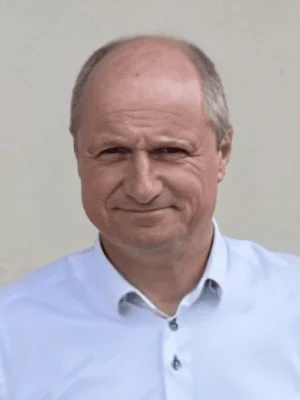
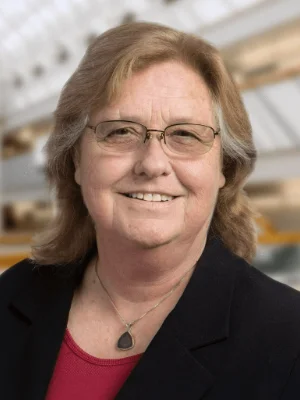
Neil Parry
Unilever
R&D Dir. Biotech
Neil is the Unilever Biotechnology Leader, as well as Homecare R&D Biotechnology and Biosourcing Director. He obtained first class degree in Biology at Portsmouth University in 1993, and a PhD in Industrial Biotechnology in 1996.
In early roles at Unilever, he worked on enzymes and protein technology for both the chemical businesses and the antibody company Unipath. During this time, he jointly established a spin out company with Unilever Ventures for applications of biomolecules in the pharmaceutical and agrochemical industry.
In 2005-06, he led on Biotechnology at the Unilever Port Sunlight R&D lab, to support the categories in advancing new technologies. In 2012, he took on the R&D programme Director role leading Disruptive Sustainability Technologies, taking on the discovery of new biotechnologies and green chemistries for opportunities in Unilever’s portfolio. From 2018, this evolved into the role today – Biotechnology and Biosourcing Programme Director – leading to the commercialization of high value and specialty chemicals across the Homecare business.
In 26 years at Unilever, Neil has successfully commercialised a range of new ingredients with suppliers in our product portfolio, and was awarded Unilever scientist of the year in 2016/17.
In recent years, he has developed new business models and relationships to match and drive the technology readiness of new innovation through to commercial realization. Recent examples include joint development and commercialisation of Rhamnolipid biosurfactants with Evonik, and more recently a new R&D alliance with Arzeda in Protein Engineering and discovery of new Enzyme catalysts.
SynBioBeta 2026 Tickets are Live
Confirmed Speakers
Sessions Featuring
Neil
This Year
•
-
Tools & Tech
From AI protein design to real-world commercial impact: powering the next wave of everyday products
For more than a century, everyday products - from detergents and shampoos to textiles and packaging - have relied on petrochemicals and harsh industrial processes. Today, AI-driven protein design is opening a radically different path: creating custom enzymes and biomolecules that outperform traditional chemistry while reducing environmental impact. This session explores how advances in computational protein design and machine learning enable the rational creation of enzymes tailored for home care, personal care, and next-generation materials—moving beyond incremental discovery to purpose-built performance under real industrial conditions. Critically, this highlights how AI-driven design is being translated into commercially deployed products at scale with partners and customers.
Purchase Pass
•
-
Tools & Tech
From AI protein design to real-world commercial impact: powering the next wave of everyday products
For more than a century, everyday products - from detergents and shampoos to textiles and packaging - have relied on petrochemicals and harsh industrial processes. Today, AI-driven protein design is opening a radically different path: creating custom enzymes and biomolecules that outperform traditional chemistry while reducing environmental impact. This session explores how advances in computational protein design and machine learning enable the rational creation of enzymes tailored for home care, personal care, and next-generation materials—moving beyond incremental discovery to purpose-built performance under real industrial conditions. Critically, this highlights how AI-driven design is being translated into commercially deployed products at scale with partners and customers.
Purchase Pass
Session lineup still growing
Purchase Pass
Featuring
Speaker Coming Soon
•
-
Human Health
From Cells to Patients: Solving the Scale Mismatch in Virtual Biology
Drug discovery often measures biology at the cell level while interventions work at the tissue, organ, or whole-patient scale. This mismatch can make accurate cell-level predictions irrelevant in the clinic. This session dives into strategies to bridge that gap: multiscale modeling that nests single-cell dynamics within organ-level simulations, spatial transcriptomics that preserve context, and surrogate models that translate cell-level outputs into clinical biomarkers. Speakers will ask: how do we ensure virtual biology reflects not just what cells do in isolation, but how biology behaves in the real complexity of patients?
Purchase Pass
Featuring
Speaker Coming Soon