SynBioBeta Speaker
Simon Kohl
Latent Labs
Founder & CEO
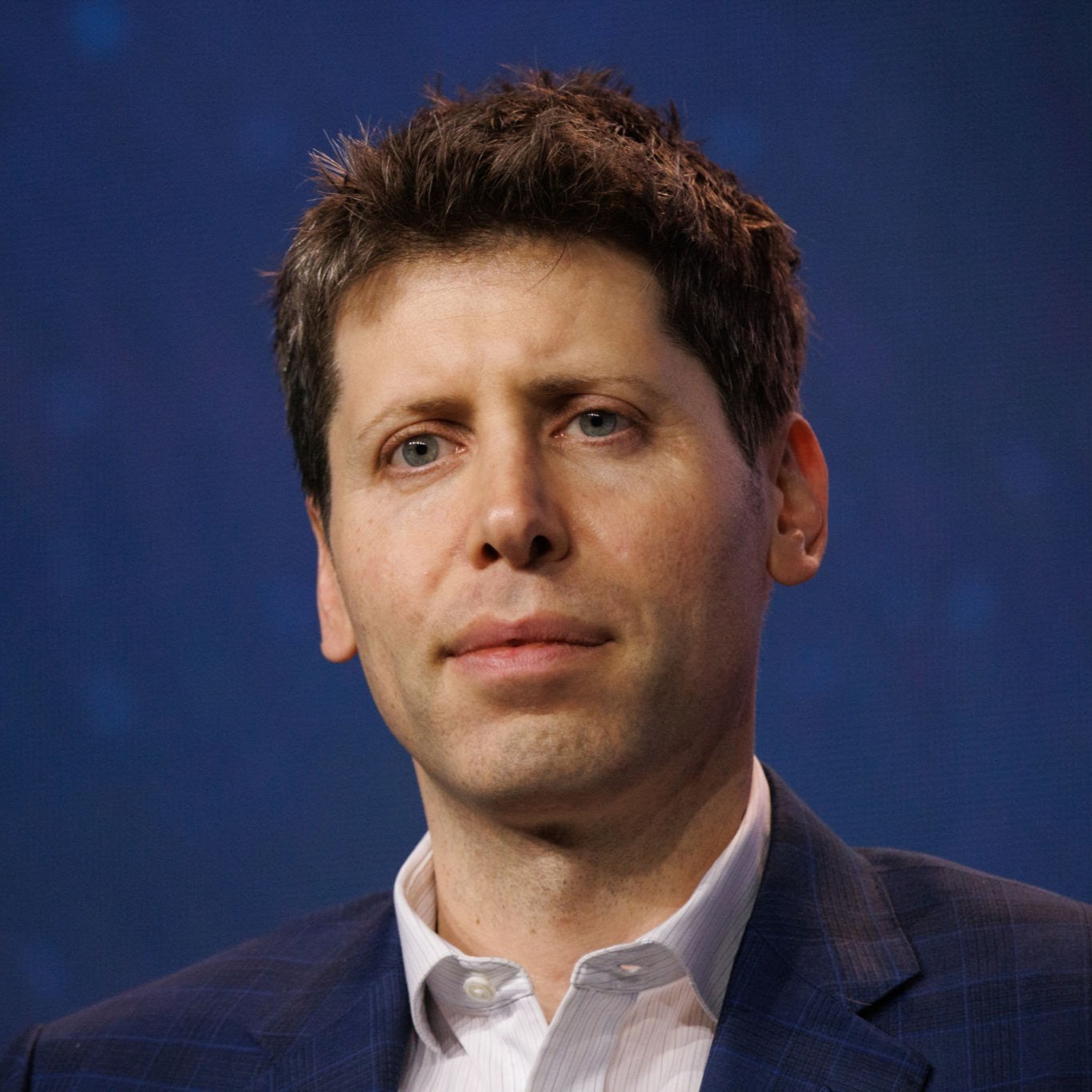
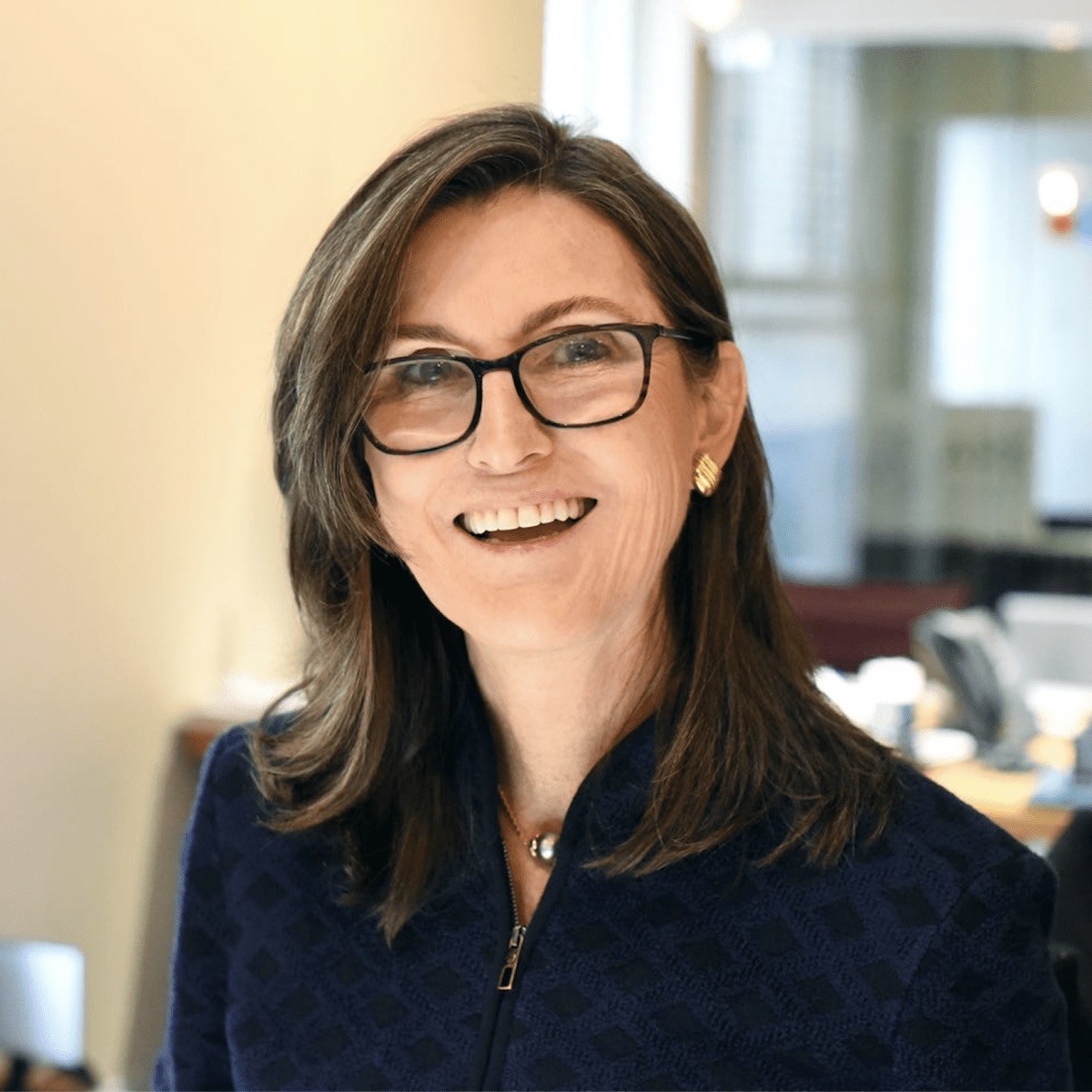
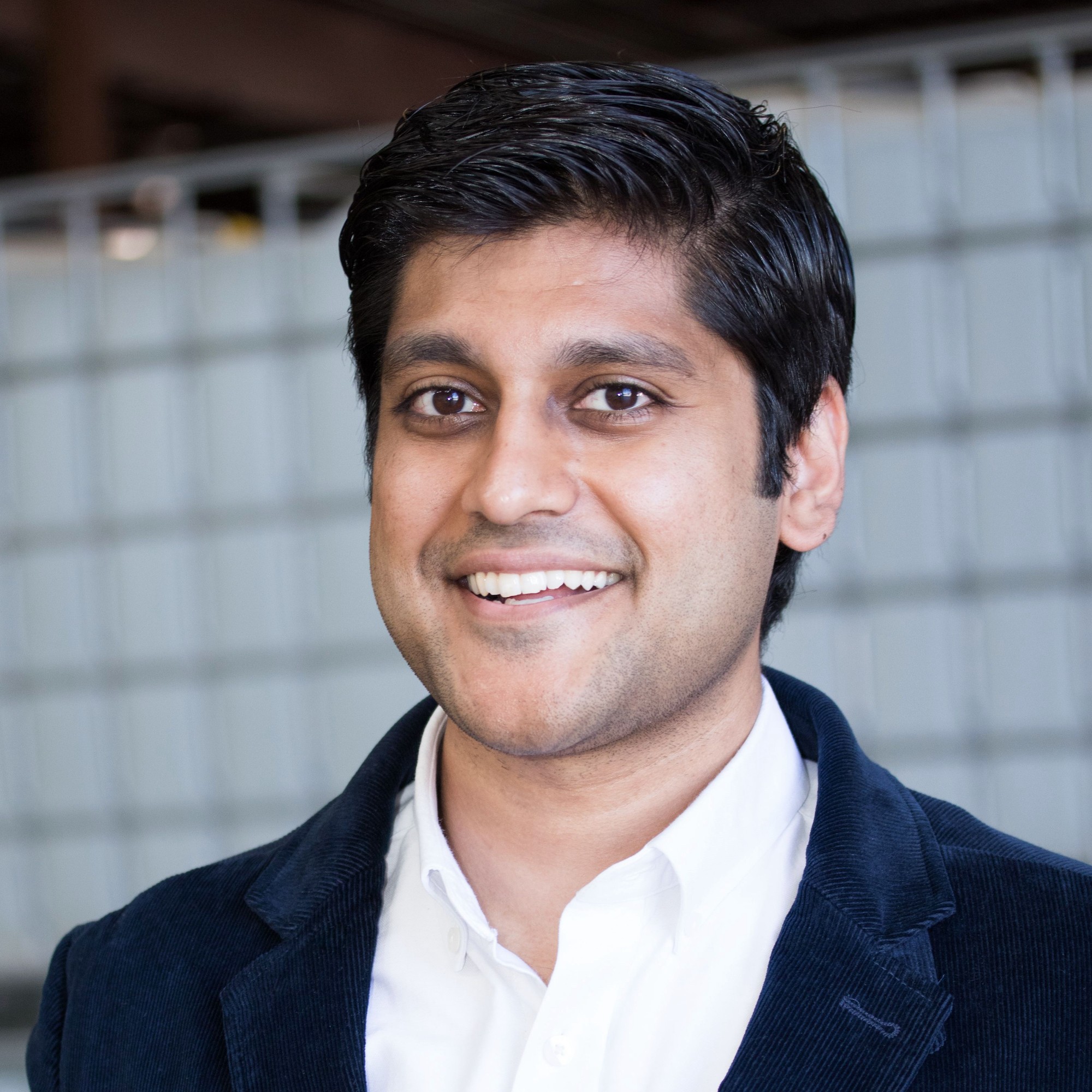
Dr. Simon Kohl is the founder and CEO of Latent Labs, a frontier AI lab that enables biotech and pharmaceutical companies to generate and optimize proteins. Simon previously started and co-led DeepMind's protein design team and was a senior research scientist on the Nobel Prize-winning AlphaFold2 project, where he developed the crucial pLDDT confidence quantification system now widely used to predict laboratory success in protein design. At Latent Labs, backed by $50M in total funding from investors including Radical Ventures, Sofinnova Partners, Google Chief Scientist Jeff Dean and CEO of Anthropic Dario Amodei, Simon leads a team innovating frontier models that use cutting-edge generative techniques to computationally create new therapeutic molecules like antibodies and enzymes. The company is focused on enabling partners at scale to tackle challenging targets, develop precision medicines, and accelerate development timelines through their AI protein design platform.


Sessions Featuring
Simon
This Year
•
-
AIxBIO
Designed, Not Discovered: From Prompt to Drug-Like Antibody
Drug discovery has long meant screening vast libraries and optimizing whatever survives. Semiconductors and aircraft broke from this pattern, designed computationally before fabrication. Biologics may now be crossing the same threshold. Generative AI enables antibodies to be designed from first principles, rather than found. Latent-X2 generates drug-like candidates with developability and low ex vivo immunogenicity from the first generation, properties that previously required years of optimization, matching or exceeding approved therapeutics in head-to-head comparisons. Latent-Y extends this into fully autonomous campaigns: from text prompt through target analysis, candidate design, and computational validation, to lab-ready sequences. Across nine targets, it produced confirmed binders against six, a 67% success rate at single-digit nanomolar affinities, completed 56 times faster than expert estimates. In this keynote, Simon Kohl (CEO, Latent Labs) will share what this shift looks like in practice: what works, what remains hard, and what it means when the starting point is no longer a library, but a prompt.
Featuring
Simon Kohl
Latent Labs
Founder & CEO
•
-
AIxBIO
Designed, Not Discovered: From Prompt to Drug-Like Antibody
Drug discovery has long meant screening vast libraries and optimizing whatever survives. Semiconductors and aircraft broke from this pattern, designed computationally before fabrication. Biologics may now be crossing the same threshold. Generative AI enables antibodies to be designed from first principles, rather than found. Latent-X2 generates drug-like candidates with developability and low ex vivo immunogenicity from the first generation, properties that previously required years of optimization, matching or exceeding approved therapeutics in head-to-head comparisons. Latent-Y extends this into fully autonomous campaigns: from text prompt through target analysis, candidate design, and computational validation, to lab-ready sequences. Across nine targets, it produced confirmed binders against six, a 67% success rate at single-digit nanomolar affinities, completed 56 times faster than expert estimates. In this keynote, Simon Kohl (CEO, Latent Labs) will share what this shift looks like in practice: what works, what remains hard, and what it means when the starting point is no longer a library, but a prompt.
Featuring
Simon Kohl
Latent Labs
Founder & CEO
•
-
AIxBIO
Programmable Molecules: AI and the Rise of Context-Aware Therapeutics
For the first time, AI is enabling us to imagine medicines that “think” - turning on only inside diseased cells or under specific physiological conditions. Neural networks trained on RNA, protein, and cellular data are unlocking a new generation of programmable therapies with unprecedented precision, from cancer drugs that remain inert until encountering tumor signals to RNA medicines capable of adapting to dynamic biological environments. But designing intelligent molecules is only part of the challenge. As AI expands the space of possible therapeutics, the field must also confront a critical question: how do we reliably build, test, and manufacture increasingly complex biological designs? This session explores the emerging continuum from AI-designed molecules to manufacturable programmable therapeutics, examining how advances in sequence design, synthesis, delivery, and validation are translating computational insight into real-world medicines. The future of medicine isn’t static molecules - it’s intelligent, adaptive therapeutics engineered across the full stack, from algorithm to clinic.


•
-
AIxBIO
Programmable Molecules: AI and the Rise of Context-Aware Therapeutics
For the first time, AI is enabling us to imagine medicines that “think” - turning on only inside diseased cells or under specific physiological conditions. Neural networks trained on RNA, protein, and cellular data are unlocking a new generation of programmable therapies with unprecedented precision, from cancer drugs that remain inert until encountering tumor signals to RNA medicines capable of adapting to dynamic biological environments. But designing intelligent molecules is only part of the challenge. As AI expands the space of possible therapeutics, the field must also confront a critical question: how do we reliably build, test, and manufacture increasingly complex biological designs? This session explores the emerging continuum from AI-designed molecules to manufacturable programmable therapeutics, examining how advances in sequence design, synthesis, delivery, and validation are translating computational insight into real-world medicines. The future of medicine isn’t static molecules - it’s intelligent, adaptive therapeutics engineered across the full stack, from algorithm to clinic.
Session lineup still growing
Featuring
Speaker Coming Soon
•
-
Human Health
From Cells to Patients: Solving the Scale Mismatch in Virtual Biology
Drug discovery often measures biology at the cell level while interventions work at the tissue, organ, or whole-patient scale. This mismatch can make accurate cell-level predictions irrelevant in the clinic. This session dives into strategies to bridge that gap: multiscale modeling that nests single-cell dynamics within organ-level simulations, spatial transcriptomics that preserve context, and surrogate models that translate cell-level outputs into clinical biomarkers. Speakers will ask: how do we ensure virtual biology reflects not just what cells do in isolation, but how biology behaves in the real complexity of patients?
Featuring
Speaker Coming Soon