Γ

SynBioBeta Speaker

Tasuku Kitada

Strand Therapeutics

Co-founder, President

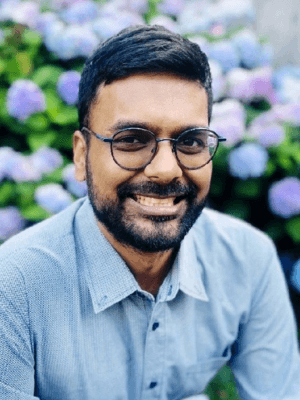
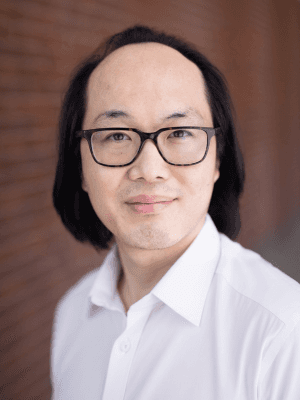
Tasuku Kitada, Ph.D., MBA, is the Co-Founder, Board Director, President, and Head of R&D at Strand Therapeutics, a Boston-based clinical-stage biotechnology company developing programmable mRNA medicines for cancer and autoimmune diseases. He oversees the development of Strand’s Signal Stack platform, which applies computational design principles to enable tissue-selective and precisely controlled therapeutic protein expression using AmpliScript self-replicating RNA and EverScript circular RNA technologies.Dr. Kitada’s work increasingly focuses on the integration of artificial intelligence and computation with synthetic biology, including the use of data-driven models to design, optimize, and predict the behavior of complex RNA regulatory systems and therapeutic payloads. Prior to co-founding Strand, he was a biotech investment analyst at Candriam Investors Group, a global asset management company based in Brussels.He holds a B.S. in Biophysics and Biochemistry from the University of Tokyo, a Ph.D. in Molecular Biology from UCLA, and conducted postdoctoral research at MIT’s Synthetic Biology Center. He also holds an MBA from the Wharton School of the University of Pennsylvania.

Sessions Featuring

Tasuku

This Year

Main Stage Panel

10:35 AM

-

11:05 AM

AIxBIO

Programmable Molecules: AI and the Rise of Context-Aware Therapeutics

For the first time, AI is enabling us to imagine medicines that “think” - turning on only inside diseased cells or under specific physiological conditions. Neural networks trained on RNA, protein, and cellular data are unlocking a new generation of programmable therapies with unprecedented precision, from cancer drugs that remain inert until encountering tumor signals to RNA medicines capable of adapting to dynamic biological environments. But designing intelligent molecules is only part of the challenge. As AI expands the space of possible therapeutics, the field must also confront a critical question: how do we reliably build, test, and manufacture increasingly complex biological designs? This session explores the emerging continuum from AI-designed molecules to manufacturable programmable therapeutics, examining how advances in sequence design, synthesis, delivery, and validation are translating computational insight into real-world medicines. The future of medicine isn’t static molecules - it’s intelligent, adaptive therapeutics engineered across the full stack, from algorithm to clinic.

Main Stage Panel

10:35 AM

-

11:05 AM

AIxBIO

Programmable Molecules: AI and the Rise of Context-Aware Therapeutics

For the first time, AI is enabling us to imagine medicines that “think” - turning on only inside diseased cells or under specific physiological conditions. Neural networks trained on RNA, protein, and cellular data are unlocking a new generation of programmable therapies with unprecedented precision, from cancer drugs that remain inert until encountering tumor signals to RNA medicines capable of adapting to dynamic biological environments. But designing intelligent molecules is only part of the challenge. As AI expands the space of possible therapeutics, the field must also confront a critical question: how do we reliably build, test, and manufacture increasingly complex biological designs? This session explores the emerging continuum from AI-designed molecules to manufacturable programmable therapeutics, examining how advances in sequence design, synthesis, delivery, and validation are translating computational insight into real-world medicines. The future of medicine isn’t static molecules - it’s intelligent, adaptive therapeutics engineered across the full stack, from algorithm to clinic.

TBD

Session lineup still growing

Featuring

Speaker Coming Soon

Fireside Chat

12:00 AM

-

8:30 AM

Human Health

From Cells to Patients: Solving the Scale Mismatch in Virtual Biology

Drug discovery often measures biology at the cell level while interventions work at the tissue, organ, or whole-patient scale. This mismatch can make accurate cell-level predictions irrelevant in the clinic. This session dives into strategies to bridge that gap: multiscale modeling that nests single-cell dynamics within organ-level simulations, spatial transcriptomics that preserve context, and surrogate models that translate cell-level outputs into clinical biomarkers. Speakers will ask: how do we ensure virtual biology reflects not just what cells do in isolation, but how biology behaves in the real complexity of patients?

Featuring

Speaker Coming Soon

Previous Speakers Include