Γ

SynBioBeta Speaker

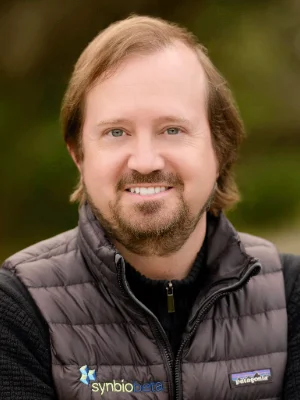
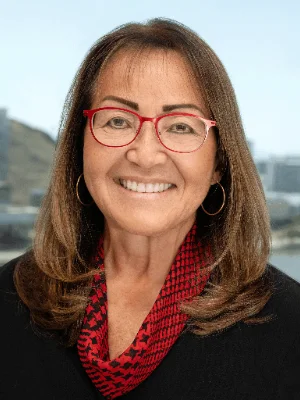
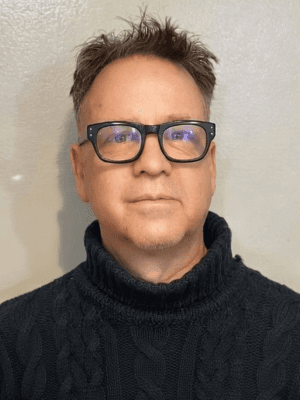
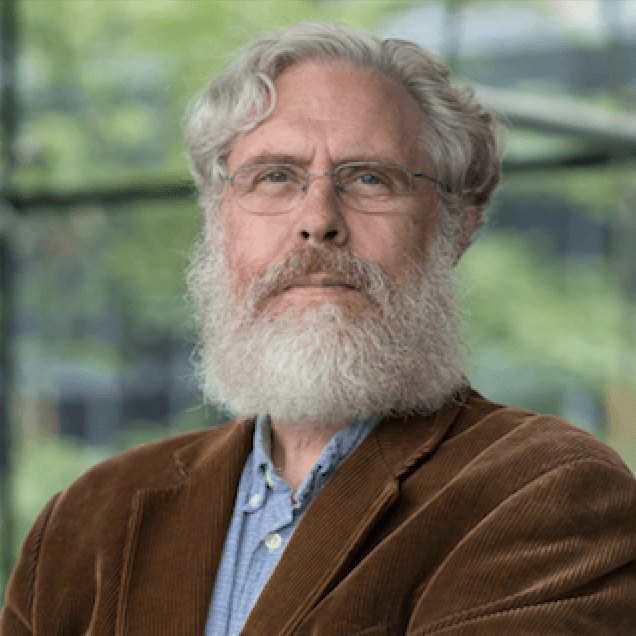
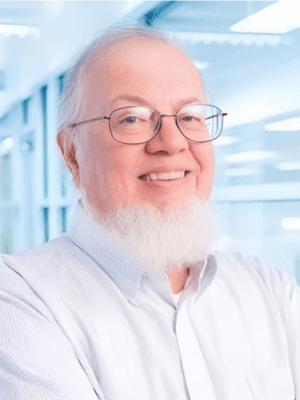
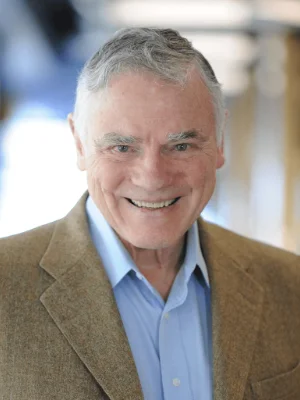
Leroy Hood

ISB

Co-founder & Prof.

Dr. Lee Hood is a world-renowned scientist and recipient of the

National Medal of Science in 2011. Dr. Leroy Hood co-founded the

Institute for Systems Biology (ISB) in 2000 and served as its first

President from 2000-2017. In 2016, ISB affiliated with Providence St.

Joseph Health (PSJH) and Dr. Hood became PSJH’s Senior Vice President

and Chief Science Officer. He is also Chief Strategy Officer and

Professor at ISB. Dr. Hood is a member of the National Academy of

Sciences, the National Academy of Engineering, and the National

Academy of Medicine. Of the more than 6,000 scientists worldwide who

belong to one or more of these academies, Dr. Hood is one of only 20

people elected to all three. He is also in the Inventor Hall of Fame

for the automated DNA sequencer.


He received his MD from Johns Hopkins University School of Medicine

and his PhD in biochemistry from Caltech. Dr. Hood was a faculty

member at Caltech from 1967-1992, serving for 10 years as the Chair of

Biology. During this period, he and his colleagues developed four

sequencer and synthesizer instruments that paved the way for the Human

Genome Project’s successful mapping and understanding of the human

genome. He and his students also deciphered many of the complex

mechanisms of antibody diversification. 1992, Dr. Hood founded and

chaired the Department of Molecular Biotechnology at the University of

Washington, the first academic department devoted to

cross-disciplinary biology and individuals from this department

developed pioneering strategies in genomics, proteomics and cell

biology. Dr. Hood then in 2000 began pioneering many applications of

systems biology to ordinary biology and disease (neurodegeneration,

cancer).  While at Systems biology, in 2014 he pioneered the study of

data-driven health in individuals (108 individuals with genomes and

longitudinal phonemes for a year; followed by Arivale, a wellness

company that acquired this type of data on 5000 individuals over the

next 4 years). From these data have come more than 25 peer reviewed

papers. In 2021 he founded the non-profit Phenome Health whose

mission is data-driven health for individuals and big data-approaches

to the four major chronic diseases—diabetes, Alzheimer’s, heart

failure and cancer. Currently we are partnering on these endeavors

with a variety of institutions in the US, Asia and the EU.


Dr. Hood has co-founded 20 biotech companies including Amgen, Applied

Biosystems, Rosetta, Nanostring, Arivale and P4Bios. His many national

and international awards include the Lasker Prize, the Kyoto Prize,

and the National Medal of Science. Currently, he is the CEO of Phenome

Health; Co-Founder and Professor at the Institute of Systems Biology

in Seattle; and Chief Innovation Officer and Distinguished Professor

of the Buck Institute for Research on Aging. Dr. Hood has co-authored

two lay person books, The Code of Codes and The Age of Scientific

Wellness as well as 5 text books on biochemistry, immunology, cell

biology, genetics, and systems biology/systems medicine. He has

published more than 1000 peer-review papers in many different fields.

Sessions Featuring

Leroy

This Year

Special Event

12:00 PM

-

1:15 PM

General

CEO's Luncheon

​This invitation-only luncheon convenes CEOs and founders from across the synthetic biology and biotechnology ecosystem for a candid, peer-level conversation. Designed as an intimate gathering, the session offers a chance to step away from the main stage and connect with fellow leaders navigating the opportunities and challenges of building and scaling companies in this rapidly evolving field. The program will also feature a fireside chat with Leroy “Lee” Hood, offering unique insights from one of the pioneers shaping modern biotechnology. Join us for thoughtful discussion, shared insights, and meaningful connections with other executives shaping the future of the bioeconomy. Please note: Conference registration is required to attend this event. If you haven't registered yet, secure your spot at https://www.syntheticbiologysummit.com/

Special Event

12:00 PM

-

1:15 PM

General

CEO's Luncheon

​This invitation-only luncheon convenes CEOs and founders from across the synthetic biology and biotechnology ecosystem for a candid, peer-level conversation. Designed as an intimate gathering, the session offers a chance to step away from the main stage and connect with fellow leaders navigating the opportunities and challenges of building and scaling companies in this rapidly evolving field. The program will also feature a fireside chat with Leroy “Lee” Hood, offering unique insights from one of the pioneers shaping modern biotechnology. Join us for thoughtful discussion, shared insights, and meaningful connections with other executives shaping the future of the bioeconomy. Please note: Conference registration is required to attend this event. If you haven't registered yet, secure your spot at https://www.syntheticbiologysummit.com/

Main Stage Panel

9:00 AM

-

9:30 AM

AIxBIO

The Dark Proteome: Why Protein Sequencing Is Science's Next Frontier

Billions of proteins remain uncharacterized - invisible to current tools, unknown in function, and untapped in potential. This fireside chat explores why protein sequencing is poised to become the defining technology of the next decade in biology, what "protein dark matter" really means for drug discovery and synthetic biology, and how the field is building the infrastructure to illuminate what genomics left in the shadows. 
Main Stage Panel

9:00 AM

-

9:30 AM

AIxBIO

The Dark Proteome: Why Protein Sequencing Is Science's Next Frontier

Billions of proteins remain uncharacterized - invisible to current tools, unknown in function, and untapped in potential. This fireside chat explores why protein sequencing is poised to become the defining technology of the next decade in biology, what "protein dark matter" really means for drug discovery and synthetic biology, and how the field is building the infrastructure to illuminate what genomics left in the shadows. 
Breakout Session

4:30 PM

-

5:15 PM

Tools & Tech

Decoding the Dark Proteome: From Discovery Gap to Drug Pipeline

The proteome holds the answers to some of biology's most persistent questions — yet the vast majority of proteins remain functionally uncharacterized. This working session brings together leaders from pharma, biotech, and the emerging protein sequencing field to explore what it would actually take to close the gap. What are the real bottlenecks in moving from dark proteome discovery to actionable drug targets? What sequencing and annotation infrastructure needs to exist? And where are the first credible opportunities for pharma to engage? A candid, technical conversation for those already building toward this frontier.

Breakout Session

4:30 PM

-

5:15 PM

Tools & Tech

Decoding the Dark Proteome: From Discovery Gap to Drug Pipeline

The proteome holds the answers to some of biology's most persistent questions — yet the vast majority of proteins remain functionally uncharacterized. This working session brings together leaders from pharma, biotech, and the emerging protein sequencing field to explore what it would actually take to close the gap. What are the real bottlenecks in moving from dark proteome discovery to actionable drug targets? What sequencing and annotation infrastructure needs to exist? And where are the first credible opportunities for pharma to engage? A candid, technical conversation for those already building toward this frontier.

TBD

Session lineup still growing

Featuring

Speaker Coming Soon

Fireside Chat

12:00 AM

-

8:30 AM

Human Health

From Cells to Patients: Solving the Scale Mismatch in Virtual Biology

Drug discovery often measures biology at the cell level while interventions work at the tissue, organ, or whole-patient scale. This mismatch can make accurate cell-level predictions irrelevant in the clinic. This session dives into strategies to bridge that gap: multiscale modeling that nests single-cell dynamics within organ-level simulations, spatial transcriptomics that preserve context, and surrogate models that translate cell-level outputs into clinical biomarkers. Speakers will ask: how do we ensure virtual biology reflects not just what cells do in isolation, but how biology behaves in the real complexity of patients?

Featuring

Speaker Coming Soon

Previous Speakers Include