Human Health Agenda Details
Human Health Agenda Details
SynBioBeta 2026. May 4-7, San Jose, California
•
-
Human Health
Programmable Immunity: Engineering the Universal Antivenom
For over a century, antivenoms have relied on serum extraction from animals — a process that’s costly, inconsistent, and limited to specific snake species. Today, advances in synthetic biology and antibody engineering are pointing toward a different future: a universal antivenom capable of neutralizing toxins across the world’s deadliest snakes. This session dives into the science and story behind this breakthrough — from the man who endured more than 200 bites to generate a unique immune response, to the researchers using those antibodies to design broad-spectrum, recombinant therapies. Together, they’re charting the path from survival experiment to programmable immunity.
Get a Ticket
Featuring
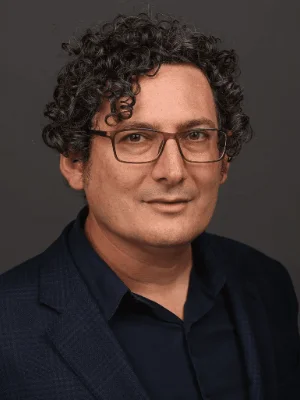
Jacob Glanville
Centivax
CEO
Building a universal antivenom
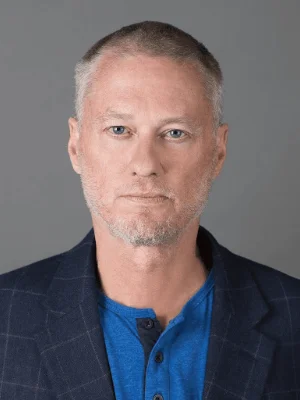
Tim Friede
Centivax
Dir. of Herpetology
Bitten 200+ times; his antibodies power “universal” antivenom
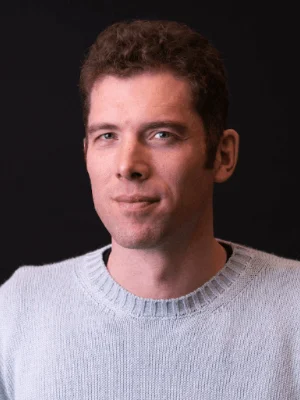
Bryan Walsh
Vox Media
Senior Editorial Dir.
Future Perfect editor covering climate, existential risk, tomorrow.
•
-
Human Health
Programmable Immunity: Engineering the Universal Antivenom
For over a century, antivenoms have relied on serum extraction from animals — a process that’s costly, inconsistent, and limited to specific snake species. Today, advances in synthetic biology and antibody engineering are pointing toward a different future: a universal antivenom capable of neutralizing toxins across the world’s deadliest snakes. This session dives into the science and story behind this breakthrough — from the man who endured more than 200 bites to generate a unique immune response, to the researchers using those antibodies to design broad-spectrum, recombinant therapies. Together, they’re charting the path from survival experiment to programmable immunity.
Get a Ticket
Featuring
Jacob Glanville
Centivax
CEO
Building a universal antivenom
Tim Friede
Centivax
Dir. of Herpetology
Bitten 200+ times; his antibodies power “universal” antivenom
Bryan Walsh
Vox Media
Senior Editorial Dir.
Future Perfect editor covering climate, existential risk, tomorrow.
•
-
AIxBIO
Designing Enzymes Without Compromise. Powered by Intelligent Architecture™
Biology will be the center of the next industrial revolution, representing a $4 trillion economic opportunity. Yet, this value remains overwhelmingly unrealised for one fundamental reason: nature never intended to power industrial manufacturing. Biology was optimized for survival, not for the high-efficiency processes required to transform the global economy. For too long, the industry has relied on incremental improvements, essentially duct-taping enzymes and calling them industrial. At Biomatter, we believe that complete freedom to design any enzyme is the only way to realize the full potential of biomanufacturing. By combining Generative AI with rigorous physics engines, our Intelligent Architecture™ platform allows us to step outside the bounds of natural selection and build enzymes from the bottom up. We are turning the "previously impossible" into routine. From liberating enzymes of their cofactor dependencies for mRNA raw materials to designing lactases that reject the trade-off between lactose removal and high GOS fiber formation, we are proving that biology’s limits are negotiable. Join us to see how we are building the enzymes nature couldn't.
Get a Ticket
Featuring
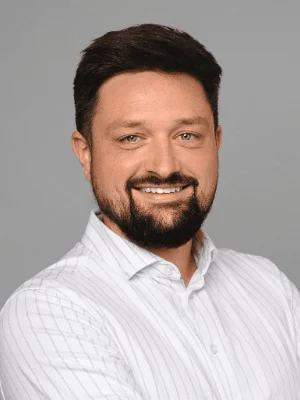
Matthew Thompson
Biomatter
VP - Industrial Biotech
Reimagining enzymes for industrial biomanufacturing with AI
•
-
AIxBIO
Designing Enzymes Without Compromise. Powered by Intelligent Architecture™
Biology will be the center of the next industrial revolution, representing a $4 trillion economic opportunity. Yet, this value remains overwhelmingly unrealised for one fundamental reason: nature never intended to power industrial manufacturing. Biology was optimized for survival, not for the high-efficiency processes required to transform the global economy. For too long, the industry has relied on incremental improvements, essentially duct-taping enzymes and calling them industrial. At Biomatter, we believe that complete freedom to design any enzyme is the only way to realize the full potential of biomanufacturing. By combining Generative AI with rigorous physics engines, our Intelligent Architecture™ platform allows us to step outside the bounds of natural selection and build enzymes from the bottom up. We are turning the "previously impossible" into routine. From liberating enzymes of their cofactor dependencies for mRNA raw materials to designing lactases that reject the trade-off between lactose removal and high GOS fiber formation, we are proving that biology’s limits are negotiable. Join us to see how we are building the enzymes nature couldn't.
Get a Ticket
Featuring
Matthew Thompson
Biomatter
VP - Industrial Biotech
Reimagining enzymes for industrial biomanufacturing with AI
•
-
Tools & Tech
A 10-Year Overnight Success: Building Twist Bioscience One Base at a Time
While Twist Bioscience may look like an overnight success, its rise reflects a decade of persistence, innovation, and platform building. In this main stage keynote, CEO and co-founder Emily Leproust shares the journey from startup vision to global leader in DNA synthesis and programmable biology, highlighting lessons learned scaling deep technology, navigating industry cycles, and building trusted infrastructure for biotech and pharma. Looking ahead, Twist is positioning itself at the forefront of the convergence between AI and biology, using DNA as an information layer to accelerate drug discovery and advance human health. This keynote explores how long-term thinking and bold ambition are shaping the next era of AI-driven therapeutics.
Get a Ticket
Featuring
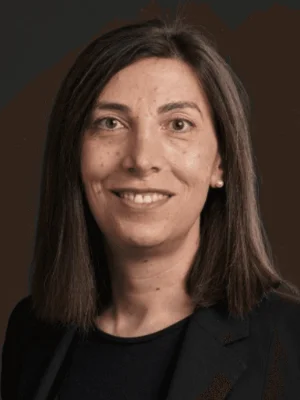
Emily Leproust
Twist Bioscience
CEO
Leader in DNA Manufacturing, put DNA writing on silicon.
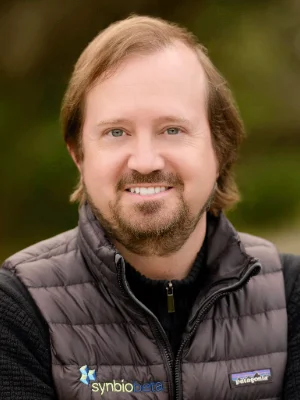
John Cumbers
SynBioBeta
Founder & CEO
Founder of SynBioBeta: synthetic biology’s global connector and storyteller
•
-
Tools & Tech
A 10-Year Overnight Success: Building Twist Bioscience One Base at a Time
While Twist Bioscience may look like an overnight success, its rise reflects a decade of persistence, innovation, and platform building. In this main stage keynote, CEO and co-founder Emily Leproust shares the journey from startup vision to global leader in DNA synthesis and programmable biology, highlighting lessons learned scaling deep technology, navigating industry cycles, and building trusted infrastructure for biotech and pharma. Looking ahead, Twist is positioning itself at the forefront of the convergence between AI and biology, using DNA as an information layer to accelerate drug discovery and advance human health. This keynote explores how long-term thinking and bold ambition are shaping the next era of AI-driven therapeutics.
Get a Ticket
Featuring
Emily Leproust
Twist Bioscience
CEO
Leader in DNA Manufacturing, put DNA writing on silicon.
John Cumbers
SynBioBeta
Founder & CEO
Founder of SynBioBeta: synthetic biology’s global connector and storyteller
•
-
Human Health
From Cells to Patients: Solving the Scale Mismatch in Virtual Biology
Drug discovery often measures biology at the cell level, while therapies must ultimately work across tissues, organs, and whole patients. This scale mismatch means that even highly accurate cellular predictions can fail to translate in the clinic. This session explores strategies to bridge that gap. How do we connect single-cell dynamics to organ-level physiology and patient outcomes? How do we preserve biological context while scaling models? And how do we ensure that virtual biology does not stop at simulation, but informs real therapeutic decisions? Speakers will discuss multiscale modeling that links molecular and cellular systems to higher-order biology; spatial and high-dimensional phenotypic data that retain context; and integrated computational–experimental loops that translate cellular signals into clinically meaningful biomarkers. Together, we ask: how do we ensure virtual biology reflects not just what cells do in isolation, but how biology behaves in the full complexity of patients?
Get a Ticket
Featuring
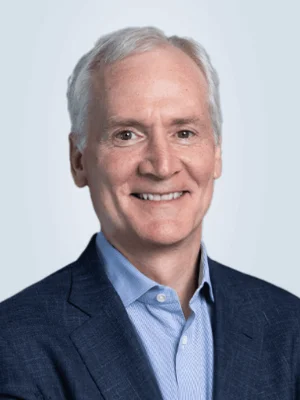
Marc Tessier-Lavigne
Xaira
Chairman & CEO
Neuroscience pioneer and former Stanford president building AI biotech.
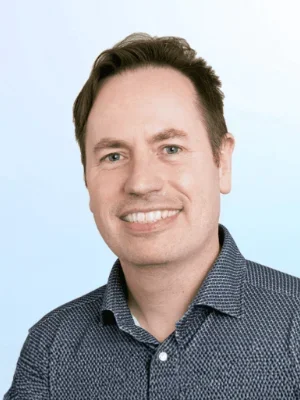
Kim Branson
GlaxoSmithKline
SVP, Global Head
Drug-discovery AI architect turning data into medicines.
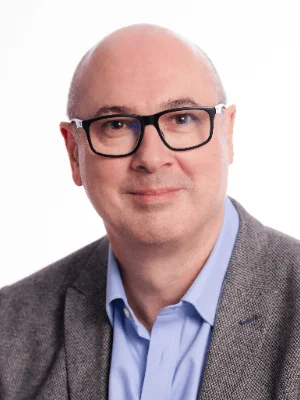
David Hallett
Recursion
CSO
Veteran “drug hunter” leading Recursion’s industrialized, AI-driven discovery.
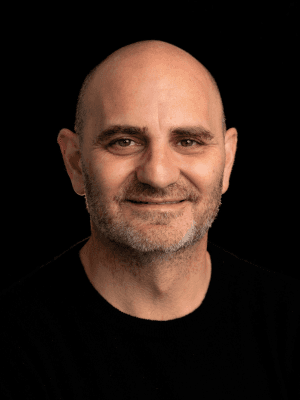
Ron Alfa
NOETIK Inc.
Co-Founder & CEO
Physician-scientist and veteran building AI cancer therapeutics.
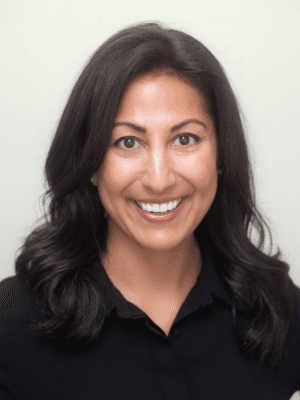
Stacie Calad-Thomson
NVIDIA
BD, Life Sciences
•
-
Human Health
From Cells to Patients: Solving the Scale Mismatch in Virtual Biology
Drug discovery often measures biology at the cell level, while therapies must ultimately work across tissues, organs, and whole patients. This scale mismatch means that even highly accurate cellular predictions can fail to translate in the clinic. This session explores strategies to bridge that gap. How do we connect single-cell dynamics to organ-level physiology and patient outcomes? How do we preserve biological context while scaling models? And how do we ensure that virtual biology does not stop at simulation, but informs real therapeutic decisions? Speakers will discuss multiscale modeling that links molecular and cellular systems to higher-order biology; spatial and high-dimensional phenotypic data that retain context; and integrated computational–experimental loops that translate cellular signals into clinically meaningful biomarkers. Together, we ask: how do we ensure virtual biology reflects not just what cells do in isolation, but how biology behaves in the full complexity of patients?
Get a Ticket
Featuring
Marc Tessier-Lavigne
Xaira
Chairman & CEO
Neuroscience pioneer and former Stanford president building AI biotech.
Kim Branson
GlaxoSmithKline
SVP, Global Head
Drug-discovery AI architect turning data into medicines.
David Hallett
Recursion
CSO
Veteran “drug hunter” leading Recursion’s industrialized, AI-driven discovery.
Ron Alfa
NOETIK Inc.
Co-Founder & CEO
Physician-scientist and veteran building AI cancer therapeutics.
Stacie Calad-Thomson
NVIDIA
BD, Life Sciences
•
-
TBD
Lightning Talk Brought to you By Genoa Ventures
Get a Ticket
Featuring
Speaker Coming Soon
•
-
TBD
Lightning Talk Brought to you By Genoa Ventures
Get a Ticket
Featuring
Speaker Coming Soon
•
-
AIxBIO
Agentic AI: A Biomodeling Revolution in the Making
This talk will introduce the development of artificial Agents to model biological phenomena in molecular biology, biotechnology, and synthetic biology incorporating reinforcement learning, differential equation modeling of molecular dynamics, and agentic bio-causal reasoning. Agent to agent interaction with the A2A and PoR protocols, and MCP and API interfaces to Machine Learning (Neural Network) Models including causal reasoning models and bio-specific models will be discussed. Synthetic biology deals with huge possibility spaces in terms of the combinatorics of nuceotide and proteomic sequences in proposed novel genes and proteins and how to constrain possibility spaces into computable functional novel genes, genetic circuits, gene regulatory networks and novel functional proteins will be discussed. Hence the sheer complexity of biological phenomena requires advanced Agentic AI and machine learning models to efficiently process, find patterns in, and reason about these complex systems with hundreds of thousands of variables, millions of connections, and potentially trillions of parameters. The current state of Agentic Bio research will be covered and where the research needs to go will be elucidated. Finally an application of Agentic Inter and Intra-cellular Signaling will be presented in detail to see the nuts and bolts of how Agentic AI can model a biological phenomenon with molecular biological, medical, and synthetic biological applications. The presenter’s background includes advanced degrees in computer science and computational molecular biology with experience in bio-computational modeling including a computational neuroscience project at Stanford where the neurogenetic and synaptic development of the C.elegans’ brain was modeled. Synthetic Biology: the possibility spaces are endless!
Get a Ticket
Featuring
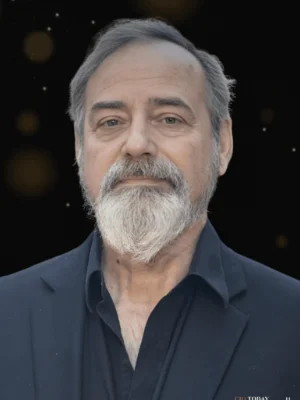
Eric Wasiolek
Biomed. Reasoning Sys.
Technology Analyst
Agentic-AI biologist building reasoning models for cellular signaling.
•
-
AIxBIO
Agentic AI: A Biomodeling Revolution in the Making
This talk will introduce the development of artificial Agents to model biological phenomena in molecular biology, biotechnology, and synthetic biology incorporating reinforcement learning, differential equation modeling of molecular dynamics, and agentic bio-causal reasoning. Agent to agent interaction with the A2A and PoR protocols, and MCP and API interfaces to Machine Learning (Neural Network) Models including causal reasoning models and bio-specific models will be discussed. Synthetic biology deals with huge possibility spaces in terms of the combinatorics of nuceotide and proteomic sequences in proposed novel genes and proteins and how to constrain possibility spaces into computable functional novel genes, genetic circuits, gene regulatory networks and novel functional proteins will be discussed. Hence the sheer complexity of biological phenomena requires advanced Agentic AI and machine learning models to efficiently process, find patterns in, and reason about these complex systems with hundreds of thousands of variables, millions of connections, and potentially trillions of parameters. The current state of Agentic Bio research will be covered and where the research needs to go will be elucidated. Finally an application of Agentic Inter and Intra-cellular Signaling will be presented in detail to see the nuts and bolts of how Agentic AI can model a biological phenomenon with molecular biological, medical, and synthetic biological applications. The presenter’s background includes advanced degrees in computer science and computational molecular biology with experience in bio-computational modeling including a computational neuroscience project at Stanford where the neurogenetic and synaptic development of the C.elegans’ brain was modeled. Synthetic Biology: the possibility spaces are endless!
Get a Ticket
Featuring
Eric Wasiolek
Biomed. Reasoning Sys.
Technology Analyst
Agentic-AI biologist building reasoning models for cellular signaling.
•
-
Tools & Tech
25 Years of the PURE System: Rebuilding Cell-Free Protein Synthesis for the Future
The PURE system, invented 25 years ago, established a fully reconstituted approach to cell-free protein synthesis. What began as a system to better understand translation has evolved into a versatile platform for engineering biology. This talk highlights how PURE-derived platforms such as PUREfrex® enable rapid prototyping, high-throughput screening, and AI/ML-driven optimization, accelerating synthetic biology and next-generation biologics development.
Get a Ticket
Featuring
Speaker Coming Soon
•
-
Tools & Tech
25 Years of the PURE System: Rebuilding Cell-Free Protein Synthesis for the Future
The PURE system, invented 25 years ago, established a fully reconstituted approach to cell-free protein synthesis. What began as a system to better understand translation has evolved into a versatile platform for engineering biology. This talk highlights how PURE-derived platforms such as PUREfrex® enable rapid prototyping, high-throughput screening, and AI/ML-driven optimization, accelerating synthetic biology and next-generation biologics development.
Get a Ticket
Featuring
Speaker Coming Soon
•
-
Tools & Tech
Engineering Resilient Pharma Supply Chains with Biology
For decades, pharmaceutical supply chains were optimized for cost and scale, stretching across continents to source critical active ingredients. But fragility has made resilience a strategic imperative. Synthetic biology offers a new model: onshoring the production of essential APIs by programming cells to manufacture small molecules, peptides, and novel amino acids with precision and scalability. Instead of relying on distant chemical supply networks, biology becomes the factory—flexible, distributed, and programmable. This session explores how engineered microbes and directed evolution platforms are rebuilding pharma supply chains from the molecular level up, enabling secure, responsive, and locally anchored production of the medicines the world depends on.
Get a Ticket
Featuring
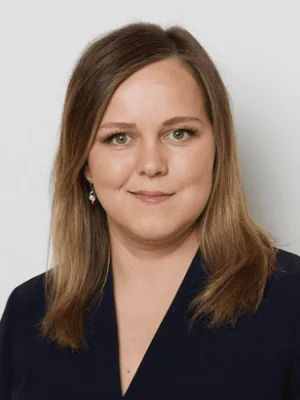
Ola Wlodek
Constructive Bio
CEO
Leader in Non-Canonical Amino Acids and genome design
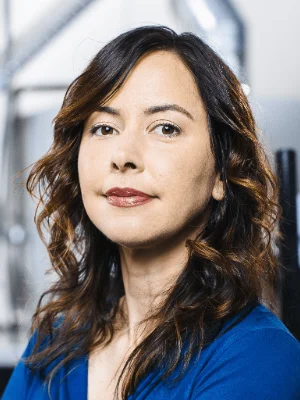
Christina Smolke
Antheia
CEO & Co-Founder
Synthetic-biology pioneer decoupling medicines from fragile supply chains.
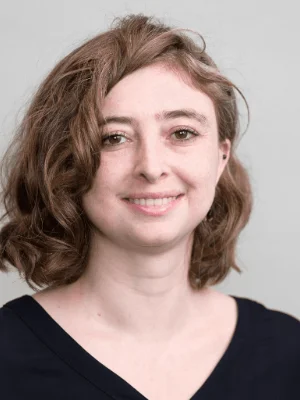
Tina Boville
Aralez Bio
Co-founder & CEO
Enzyme engineer expanding peptide chemistry’s noncanonical frontier.
•
-
Tools & Tech
Engineering Resilient Pharma Supply Chains with Biology
For decades, pharmaceutical supply chains were optimized for cost and scale, stretching across continents to source critical active ingredients. But fragility has made resilience a strategic imperative. Synthetic biology offers a new model: onshoring the production of essential APIs by programming cells to manufacture small molecules, peptides, and novel amino acids with precision and scalability. Instead of relying on distant chemical supply networks, biology becomes the factory—flexible, distributed, and programmable. This session explores how engineered microbes and directed evolution platforms are rebuilding pharma supply chains from the molecular level up, enabling secure, responsive, and locally anchored production of the medicines the world depends on.
Get a Ticket
Featuring
Ola Wlodek
Constructive Bio
CEO
Leader in Non-Canonical Amino Acids and genome design
Christina Smolke
Antheia
CEO & Co-Founder
Synthetic-biology pioneer decoupling medicines from fragile supply chains.
Tina Boville
Aralez Bio
Co-founder & CEO
Enzyme engineer expanding peptide chemistry’s noncanonical frontier.
•
-
AIxBIO
Beyond Static Predictions — AI for Protein Dynamics and Multi-Cell Models
The next frontier of biology isn’t in predicting a single static protein structure, but in capturing how proteins move, fold, and interact across time and environments. This session explores how AI can illuminate protein conformations and dynamics, and extend those insights into virtual multi-cellular or tissue models. Experts will discuss the challenge of integrating heterogeneous datasets and instruments, and how breakthroughs in dynamic modeling could reshape drug design, disease understanding, and biomanufacturing. Can we build models that reflect the living, breathing complexity of biology—not just snapshots, but motion?
Get a Ticket
Featuring
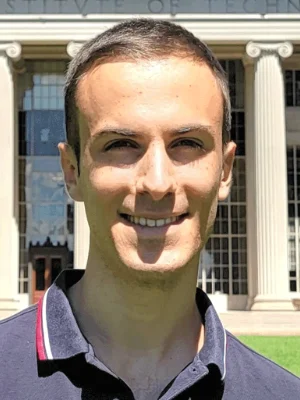
Gabriele Corso
Boltz
CEO
Built DiffDock and the Boltz open-source models reshaping drug discovery.
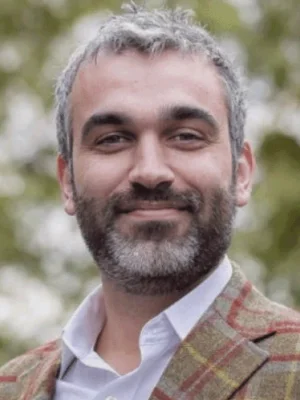
Peter Clark
Novo Nordisk
VP, CDD
Computational drug-design leader, shipped candidates from CAR-T to peptides.
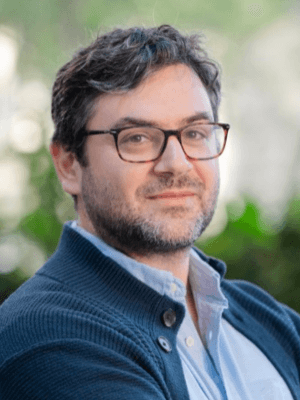
Theofanis Karaletsos
Achira
Co-founder
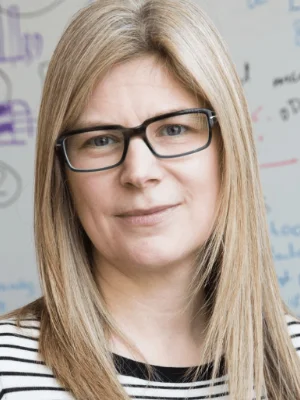
Tanja Kortemme
UCSF
Vice Dean of Research
De novo protein-design pioneer; NIH Pioneer Award winner.
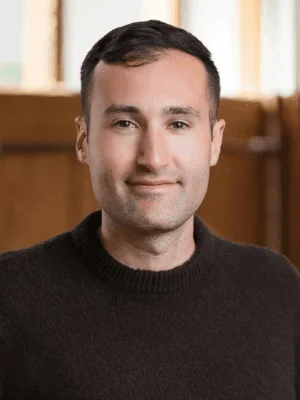
Elliot Hershberg
Amplify Partners
Partner, Author
Driving the Century of Biology
•
-
AIxBIO
Beyond Static Predictions — AI for Protein Dynamics and Multi-Cell Models
The next frontier of biology isn’t in predicting a single static protein structure, but in capturing how proteins move, fold, and interact across time and environments. This session explores how AI can illuminate protein conformations and dynamics, and extend those insights into virtual multi-cellular or tissue models. Experts will discuss the challenge of integrating heterogeneous datasets and instruments, and how breakthroughs in dynamic modeling could reshape drug design, disease understanding, and biomanufacturing. Can we build models that reflect the living, breathing complexity of biology—not just snapshots, but motion?
Get a Ticket
Featuring
Gabriele Corso
Boltz
CEO
Built DiffDock and the Boltz open-source models reshaping drug discovery.
Peter Clark
Novo Nordisk
VP, CDD
Computational drug-design leader, shipped candidates from CAR-T to peptides.
Theofanis Karaletsos
Achira
Co-founder
Tanja Kortemme
UCSF
Vice Dean of Research
De novo protein-design pioneer; NIH Pioneer Award winner.
Elliot Hershberg
Amplify Partners
Partner, Author
Driving the Century of Biology
•
-
Tools & Tech
Self-Driving Labs, AI, and Automation: A Practical Guide to Getting Started
AI-enabled, self-driving labs are still emerging, but their foundations are already transforming how teams design, run, and interpret experiments. This session offers a practical guide for scientists and R&D leaders who want to understand what can be done today — from tightening design–test–learn loops to reducing manual error and capturing early benefits of autonomous experimentation. Rather than presenting an unrealized future, speakers will focus on practical, real-world steps that give organizations a competitive edge as SDL capabilities evolve and mature. Speakers will explore what’s working, what’s not, and how autonomous lab systems are reshaping protein engineering, pathway optimization, and therapeutic design.
Get a Ticket
Featuring
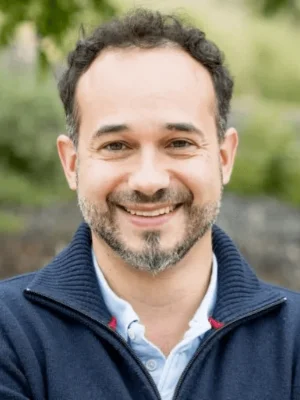
Hector Garcia Martin
LBNL
Staff Scientist
Modelling biology before the age of AI
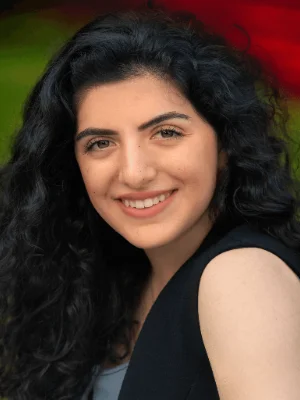
Roya Amini-Naieni
Trilobio
CEO & Co-founder
Lab-automation founder building a “lab-in-a-box” for biologists.
•
-
Tools & Tech
Self-Driving Labs, AI, and Automation: A Practical Guide to Getting Started
AI-enabled, self-driving labs are still emerging, but their foundations are already transforming how teams design, run, and interpret experiments. This session offers a practical guide for scientists and R&D leaders who want to understand what can be done today — from tightening design–test–learn loops to reducing manual error and capturing early benefits of autonomous experimentation. Rather than presenting an unrealized future, speakers will focus on practical, real-world steps that give organizations a competitive edge as SDL capabilities evolve and mature. Speakers will explore what’s working, what’s not, and how autonomous lab systems are reshaping protein engineering, pathway optimization, and therapeutic design.
Get a Ticket
Featuring
Hector Garcia Martin
LBNL
Staff Scientist
Modelling biology before the age of AI
Roya Amini-Naieni
Trilobio
CEO & Co-founder
Lab-automation founder building a “lab-in-a-box” for biologists.
•
-
Tools & Tech
Beyond Nature’s Alphabet: The Rise of Programmable Biomolecules
Biology has long relied on a limited molecular vocabulary shaped by natural evolution. Today, that alphabet is expanding. Advances in expanded genetic codes, non-canonical amino acids, macrocycles, de novo design, and AI-guided protein engineering are enabling scientists to create biomolecules with properties and functions that nature never evolved. This session explores the rise of programmable biomolecules at the intersection of biology, chemistry, and computation. Rather than simply optimizing existing proteins, researchers are building entirely new classes of functional molecules with novel architectures, chemistries, and therapeutic potential. From next-generation biologics to hybrid molecular scaffolds, the discussion will examine how the field is moving beyond nature’s defaults and toward a future where biomolecules can be designed with increasing precision, flexibility, and intent.
Get a Ticket
Featuring
Ola Wlodek
Constructive Bio
CEO
Leader in Non-Canonical Amino Acids and genome design
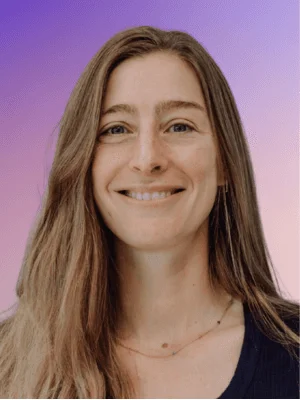
Peyton Greenside
BigHat Biosciences
CEO & Co-Founder
Bryan Walsh
Vox Media
Senior Editorial Dir.
Future Perfect editor covering climate, existential risk, tomorrow.
•
-
Tools & Tech
Beyond Nature’s Alphabet: The Rise of Programmable Biomolecules
Biology has long relied on a limited molecular vocabulary shaped by natural evolution. Today, that alphabet is expanding. Advances in expanded genetic codes, non-canonical amino acids, macrocycles, de novo design, and AI-guided protein engineering are enabling scientists to create biomolecules with properties and functions that nature never evolved. This session explores the rise of programmable biomolecules at the intersection of biology, chemistry, and computation. Rather than simply optimizing existing proteins, researchers are building entirely new classes of functional molecules with novel architectures, chemistries, and therapeutic potential. From next-generation biologics to hybrid molecular scaffolds, the discussion will examine how the field is moving beyond nature’s defaults and toward a future where biomolecules can be designed with increasing precision, flexibility, and intent.
Get a Ticket
Featuring
Ola Wlodek
Constructive Bio
CEO
Leader in Non-Canonical Amino Acids and genome design
Peyton Greenside
BigHat Biosciences
CEO & Co-Founder
Bryan Walsh
Vox Media
Senior Editorial Dir.
Future Perfect editor covering climate, existential risk, tomorrow.
•
-
Tools & Tech
AI Co-Scientists: From Pipettes to Protocols
Biology is entering an era where AI agents don’t just analyze data — they co-design, plan, and execute experiments. Multi-agent systems like CRISPR-GPT demonstrate how AI can act as a true lab co-pilot: decomposing complex genome editing projects into stepwise workflows, selecting tools, troubleshooting, and even drafting protocols that allow junior researchers to perform sophisticated edits on their first attempt . Beyond CRISPR, new systems like BioMARS integrate reasoning agents with robotics, while biotech companies are testing “AI lab assistants” that monitor and adjust experiments in real time. This session explores how multi-agent copilots are making biology more reproducible, democratizing complex workflows, and pushing the boundaries of lab autonomy. The central question: when AI can plan, troubleshoot, and validate experiments end-to-end, how should scientists and institutions govern this new power?
Get a Ticket
Featuring
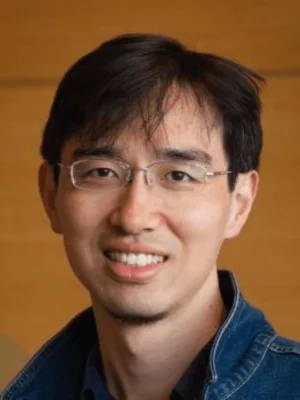
Le Cong
Stanford University
Associate Professor
CRISPR-GPT creator: AI co-pilot for gene editing.
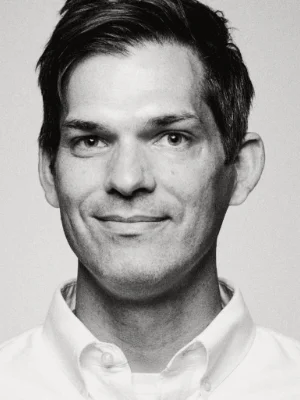
Nick Edwards
Potato
Founder & CEO
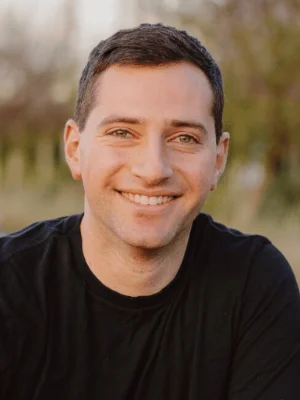
Nicholas Larus-Stone
Benchling
Head of AI Agents
Bits in Bio founder building AI agents for science.
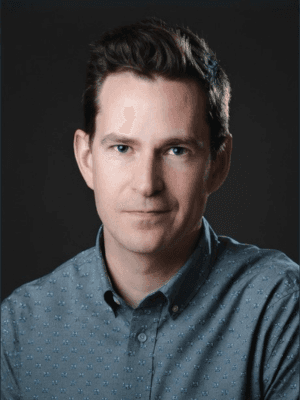
Will Serber
Ginkgo Bioworks
GM, Automation
•
-
Tools & Tech
AI Co-Scientists: From Pipettes to Protocols
Biology is entering an era where AI agents don’t just analyze data — they co-design, plan, and execute experiments. Multi-agent systems like CRISPR-GPT demonstrate how AI can act as a true lab co-pilot: decomposing complex genome editing projects into stepwise workflows, selecting tools, troubleshooting, and even drafting protocols that allow junior researchers to perform sophisticated edits on their first attempt . Beyond CRISPR, new systems like BioMARS integrate reasoning agents with robotics, while biotech companies are testing “AI lab assistants” that monitor and adjust experiments in real time. This session explores how multi-agent copilots are making biology more reproducible, democratizing complex workflows, and pushing the boundaries of lab autonomy. The central question: when AI can plan, troubleshoot, and validate experiments end-to-end, how should scientists and institutions govern this new power?
Get a Ticket
Featuring
Le Cong
Stanford University
Associate Professor
CRISPR-GPT creator: AI co-pilot for gene editing.
Nick Edwards
Potato
Founder & CEO
Nicholas Larus-Stone
Benchling
Head of AI Agents
Bits in Bio founder building AI agents for science.
Will Serber
Ginkgo Bioworks
GM, Automation
•
-
AIxBIO
The Data Reality Check: Human-First Biology for AI Models
Why do so many in silico models fail when moved to the lab or clinic? Too often, they’re trained on incomplete, non-human, or non-representative datasets. This session tackles the “data gap” head-on: from interoperability bottlenecks and the black box problem to the limits of current virtual cell simulations (~50 million perturbations vs. the billions biology demands). Panelists will explore how to create “human-first” datasets that reflect real biology, unlock mechanistic interoperability, and close the discovery–development divide. The goal: build AI tools that can directly identify viable drug candidates instead of stalling in silico.
Get a Ticket
Featuring
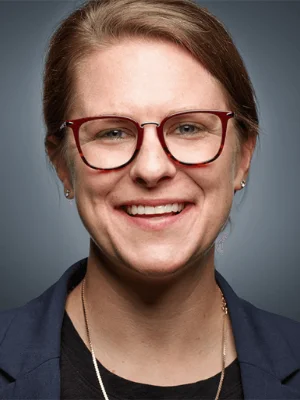
Julie O'Shaughnessy
Vivodyne
COO
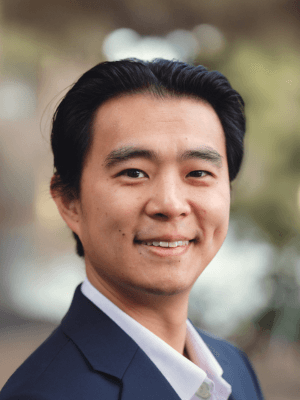
Johnny Yu
Tahoe Therapeutics
CSO & Co-founder
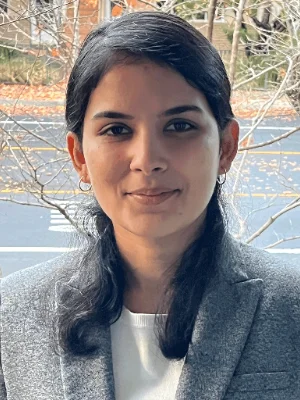
Avantika Lal
Genentech
Principal ML Scientist II
Building DNA foundation models that design regulatory sequences.
Daniel Georgiev
Sampling Human
CEO & Co-founder
Krish Ramadurai
AIX Ventures
Partner
TechBio investor backing AI-designed drugs and breakthroughs.
•
-
AIxBIO
The Data Reality Check: Human-First Biology for AI Models
Why do so many in silico models fail when moved to the lab or clinic? Too often, they’re trained on incomplete, non-human, or non-representative datasets. This session tackles the “data gap” head-on: from interoperability bottlenecks and the black box problem to the limits of current virtual cell simulations (~50 million perturbations vs. the billions biology demands). Panelists will explore how to create “human-first” datasets that reflect real biology, unlock mechanistic interoperability, and close the discovery–development divide. The goal: build AI tools that can directly identify viable drug candidates instead of stalling in silico.
Get a Ticket
Featuring
Julie O'Shaughnessy
Vivodyne
COO
Johnny Yu
Tahoe Therapeutics
CSO & Co-founder
Avantika Lal
Genentech
Principal ML Scientist II
Building DNA foundation models that design regulatory sequences.
Daniel Georgiev
Sampling Human
CEO & Co-founder
Krish Ramadurai
AIX Ventures
Partner
TechBio investor backing AI-designed drugs and breakthroughs.
•
-
Human Health
Bridging Discovery and Delivery: Startup–Pharma Alliances for the AI Era
As biology becomes programmable and AI accelerates discovery, startups are generating breakthrough innovations at unprecedented speed. Yet translating these advances into real-world therapies still depends on effective collaboration with global pharmaceutical organizations. This session explores how the innovation ecosystem connects early-stage breakthroughs to scalable development, bringing together leaders from startup incubation, external innovation, and pharma strategy. Speakers will examine how AI-native biotech companies engage with pharma today: how startups become “pharma-ready,” how external innovation teams evaluate and structure partnerships, and what collaboration models are emerging as biology and computation converge. From early ecosystem support and venture building to strategic alliances and co-development pathways, the discussion will provide a practical look at how ideas move from discovery to patient impact in the AI era.
Get a Ticket
Featuring
Ekaterine Kortkhonjia
J&J
Sr. Dir, Transactions
Big-pharma dealmaker scouting early AI/data-science partnerships.
•
-
Human Health
Bridging Discovery and Delivery: Startup–Pharma Alliances for the AI Era
As biology becomes programmable and AI accelerates discovery, startups are generating breakthrough innovations at unprecedented speed. Yet translating these advances into real-world therapies still depends on effective collaboration with global pharmaceutical organizations. This session explores how the innovation ecosystem connects early-stage breakthroughs to scalable development, bringing together leaders from startup incubation, external innovation, and pharma strategy. Speakers will examine how AI-native biotech companies engage with pharma today: how startups become “pharma-ready,” how external innovation teams evaluate and structure partnerships, and what collaboration models are emerging as biology and computation converge. From early ecosystem support and venture building to strategic alliances and co-development pathways, the discussion will provide a practical look at how ideas move from discovery to patient impact in the AI era.
Get a Ticket
Featuring
Ekaterine Kortkhonjia
J&J
Sr. Dir, Transactions
Big-pharma dealmaker scouting early AI/data-science partnerships.
•
-
Human Health
The Biology Data Flywheel: From DNA Synthesis to Pharma-Scale AI Discovery
Drug discovery is not limited by models. It is limited by data. While AI is accelerating molecular design and target discovery, the real bottleneck remains the generation, integration, and interpretation of biological datasets that are complex, heterogeneous, and often not yet predictive. Pharma-scale discovery requires more than algorithms. It requires new approaches to building and operationalizing data itself. This session explores how next-generation DNA synthesis, high-throughput experimentation, and integrated data infrastructures are enabling a new biology data flywheel. From experimental datasets that inform translational decisions to emerging standards for capturing real-world and preclinical signals, leaders will discuss how data generation strategies are reshaping discovery workflows. Speakers from pharma, AI-native biotech, and platform providers will examine how biology is becoming a programmable data layer, enabling faster biologics development, more informed portfolio decisions, and new collaborative models that connect experimental systems, computational tools, and pharma-scale discovery pipelines.
Get a Ticket
Featuring
Raphael Townshend
Atomic AI
Founder & CEO
Wyatt McDonnell
Infinimmune
CEO
•
-
Human Health
The Biology Data Flywheel: From DNA Synthesis to Pharma-Scale AI Discovery
Drug discovery is not limited by models. It is limited by data. While AI is accelerating molecular design and target discovery, the real bottleneck remains the generation, integration, and interpretation of biological datasets that are complex, heterogeneous, and often not yet predictive. Pharma-scale discovery requires more than algorithms. It requires new approaches to building and operationalizing data itself. This session explores how next-generation DNA synthesis, high-throughput experimentation, and integrated data infrastructures are enabling a new biology data flywheel. From experimental datasets that inform translational decisions to emerging standards for capturing real-world and preclinical signals, leaders will discuss how data generation strategies are reshaping discovery workflows. Speakers from pharma, AI-native biotech, and platform providers will examine how biology is becoming a programmable data layer, enabling faster biologics development, more informed portfolio decisions, and new collaborative models that connect experimental systems, computational tools, and pharma-scale discovery pipelines.
Get a Ticket
Featuring
Raphael Townshend
Atomic AI
Founder & CEO
Wyatt McDonnell
Infinimmune
CEO
•
-
Human Health
Keynote
Get a Ticket
Featuring
Speaker Coming Soon
•
-
Human Health
Keynote
Get a Ticket
Featuring
Speaker Coming Soon
•
-
Human Health
From Therapeutics to Consumer Applications: How Brain Computer Interfaces are About to Become the Next Major Platform Technology
Brain Computer Interfaces (BCIs) hold immense promise to help restore critical functions now for individuals with neurological conditions, severe speech impairments, and paralysis. Over the last thirty-five years, major advancements in artificial intelligence, brain mapping, and material sciences are laying the foundation for a future where BCI-enabled augmented experience is as common as accessing the internet or using a mobile phone. Join Paradromics CEO Matt Angle, PhD to discuss the latest on neurotechnology today, as well as expansive future BCI applications.
Get a Ticket
Featuring
Matt Angle
Paradromics
Founder & CEO
High-bandwidth brain-implant founder building thought-to-text.
•
-
Human Health
From Therapeutics to Consumer Applications: How Brain Computer Interfaces are About to Become the Next Major Platform Technology
Brain Computer Interfaces (BCIs) hold immense promise to help restore critical functions now for individuals with neurological conditions, severe speech impairments, and paralysis. Over the last thirty-five years, major advancements in artificial intelligence, brain mapping, and material sciences are laying the foundation for a future where BCI-enabled augmented experience is as common as accessing the internet or using a mobile phone. Join Paradromics CEO Matt Angle, PhD to discuss the latest on neurotechnology today, as well as expansive future BCI applications.
Get a Ticket
Featuring
Matt Angle
Paradromics
Founder & CEO
High-bandwidth brain-implant founder building thought-to-text.
•
-
AIxBIO
Programmable Molecules: AI and the Rise of Context-Aware Therapeutics
For the first time, AI is enabling us to imagine medicines that “think” - turning on only inside diseased cells or under specific physiological conditions. Neural networks trained on RNA, protein, and cellular data are unlocking a new generation of programmable therapies with unprecedented precision, from cancer drugs that remain inert until encountering tumor signals to RNA medicines capable of adapting to dynamic biological environments. But designing intelligent molecules is only part of the challenge. As AI expands the space of possible therapeutics, the field must also confront a critical question: how do we reliably build, test, and manufacture increasingly complex biological designs? This session explores the emerging continuum from AI-designed molecules to manufacturable programmable therapeutics, examining how advances in sequence design, synthesis, delivery, and validation are translating computational insight into real-world medicines. The future of medicine isn’t static molecules - it’s intelligent, adaptive therapeutics engineered across the full stack, from algorithm to clinic.
Get a Ticket
Featuring
Ashoka Madduri
Sanofi
Head, Scientific Strategy
Simon Kohl
Latent Labs
Founder & CEO

Georgia Lu
Magnet Ventures
Founder & Mng Partner
AI-biotech investor blending M&A instincts with founder coaching.
•
-
AIxBIO
Programmable Molecules: AI and the Rise of Context-Aware Therapeutics
For the first time, AI is enabling us to imagine medicines that “think” - turning on only inside diseased cells or under specific physiological conditions. Neural networks trained on RNA, protein, and cellular data are unlocking a new generation of programmable therapies with unprecedented precision, from cancer drugs that remain inert until encountering tumor signals to RNA medicines capable of adapting to dynamic biological environments. But designing intelligent molecules is only part of the challenge. As AI expands the space of possible therapeutics, the field must also confront a critical question: how do we reliably build, test, and manufacture increasingly complex biological designs? This session explores the emerging continuum from AI-designed molecules to manufacturable programmable therapeutics, examining how advances in sequence design, synthesis, delivery, and validation are translating computational insight into real-world medicines. The future of medicine isn’t static molecules - it’s intelligent, adaptive therapeutics engineered across the full stack, from algorithm to clinic.
Get a Ticket
Featuring
Ashoka Madduri
Sanofi
Head, Scientific Strategy
Simon Kohl
Latent Labs
Founder & CEO
Georgia Lu
Magnet Ventures
Founder & Mng Partner
AI-biotech investor blending M&A instincts with founder coaching.
•
-
AIxBIO
The Programmable Protein Era: How AI Rewrites the Rules of Biomolecules
Biologics and engineered proteins have traditionally evolved through cycles of intuition, screening, and incremental optimization. Today, AI is transforming proteins into programmable systems; governed by learnable patterns across activity, stability, expression, specificity, manufacturability, and environmental performance. This shift is unlocking a new generation of biomolecules, from next-generation therapeutics to sustainable enzymes and functional biological systems, that would have been impossible to design by hand. In this session, leaders from biopharma, industrial biotech, machine learning, and protein engineering will explore how multiparameter optimization, generative modeling, and closed-loop experimental validation are reshaping biomolecular design across domains. From clinical biologics to planetary-scale applications, we examine the shift from trial-and-error to predictive, constraint-driven design, and what it means for R&D timelines, scalability, and real-world impact.
Get a Ticket
Featuring
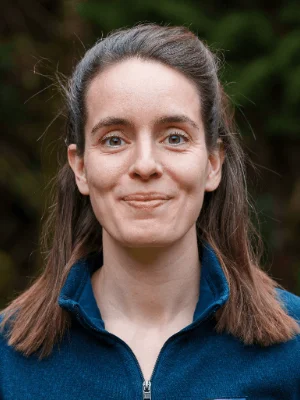
Elise de Reus
Cradle
Co-founder
Making proteins an engineering discipline
Peter Clark
Novo Nordisk
VP, CDD
Computational drug-design leader, shipped candidates from CAR-T to peptides.
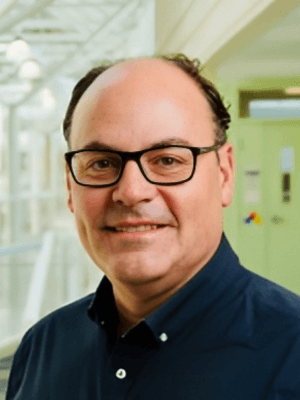
Luis Cascão Pereira
IFF Health & Biosciences
Head of R&D Ventures & Digital Biology
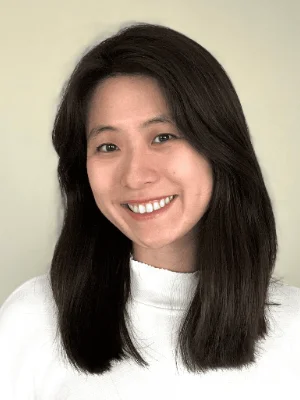
Fay Lin
GEN
Sr Editor, Technology
•
-
AIxBIO
The Programmable Protein Era: How AI Rewrites the Rules of Biomolecules
Biologics and engineered proteins have traditionally evolved through cycles of intuition, screening, and incremental optimization. Today, AI is transforming proteins into programmable systems; governed by learnable patterns across activity, stability, expression, specificity, manufacturability, and environmental performance. This shift is unlocking a new generation of biomolecules, from next-generation therapeutics to sustainable enzymes and functional biological systems, that would have been impossible to design by hand. In this session, leaders from biopharma, industrial biotech, machine learning, and protein engineering will explore how multiparameter optimization, generative modeling, and closed-loop experimental validation are reshaping biomolecular design across domains. From clinical biologics to planetary-scale applications, we examine the shift from trial-and-error to predictive, constraint-driven design, and what it means for R&D timelines, scalability, and real-world impact.
Get a Ticket
Featuring
Elise de Reus
Cradle
Co-founder
Making proteins an engineering discipline
Peter Clark
Novo Nordisk
VP, CDD
Computational drug-design leader, shipped candidates from CAR-T to peptides.
Luis Cascão Pereira
IFF Health & Biosciences
Head of R&D Ventures & Digital Biology
Fay Lin
GEN
Sr Editor, Technology
•
-
Biomanufacturing
Lunch & Learn Brought to you by Laurus Bio
Get a Ticket
Featuring
Speaker Coming Soon
•
-
Biomanufacturing
Lunch & Learn Brought to you by Laurus Bio
Get a Ticket
Featuring
Speaker Coming Soon
•
-
Biomanufacturing
Berkeley Lab Provides the Foundation for Biomanufacturing-specific AI
Berkeley Lab develops new automation approaches to produce the large amounts of high-quality data that AI needs to solve significant problems in biology and enable new biomanufacturing capabilities. The Lab uses HTP approaches to generate AI-ready data and leverages that data in AI models to design microbial pathways, engineer host systems, optimize media formulations, generate functional plasmid origins, engineer plant transcriptional regulation, and predict solvent properties. The Lab's process development unit aims to generate complex biological data needed for virtual cell and other models by algorithm development companies.
Get a Ticket
Featuring
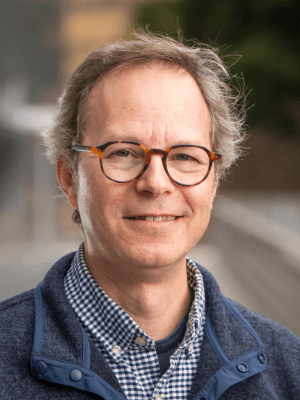
Christopher Petzold
LBNL
Staff Scientist
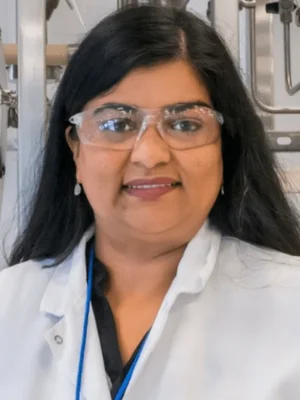
Deepti Tanjore
LBNL
Director, ABPDU
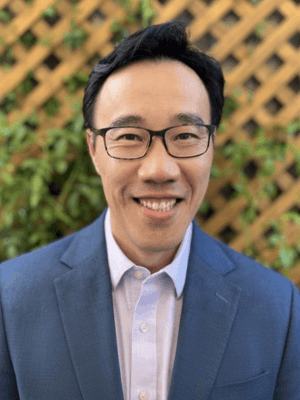
Chong Wing Yung
LBL
Program Manager
•
-
Biomanufacturing
Berkeley Lab Provides the Foundation for Biomanufacturing-specific AI
Berkeley Lab develops new automation approaches to produce the large amounts of high-quality data that AI needs to solve significant problems in biology and enable new biomanufacturing capabilities. The Lab uses HTP approaches to generate AI-ready data and leverages that data in AI models to design microbial pathways, engineer host systems, optimize media formulations, generate functional plasmid origins, engineer plant transcriptional regulation, and predict solvent properties. The Lab's process development unit aims to generate complex biological data needed for virtual cell and other models by algorithm development companies.
Get a Ticket
Featuring
Christopher Petzold
LBNL
Staff Scientist
Deepti Tanjore
LBNL
Director, ABPDU
Chong Wing Yung
LBL
Program Manager
•
-
Human Health
Reprogramming the Future of Health: A Conversation with ARPA-H Director Alicia Jackson
The future of medicine will be defined by bold bets: ambitious, high-risk ideas that traditional funding rarely supports but that could fundamentally transform human health. In this conversation, Alicia Jackson, Director of the Advanced Research Projects Agency for Health (ARPA-H), will share how the agency is tackling some of healthcare’s biggest challenges, drawing on a model inspired by Defense Advanced Research Projects Agency (DARPA) to accelerate breakthroughs in areas like universal immunity, AI-driven medicine, aging, and women’s health. With experience spanning government, startups, and frontier biotech (including leadership at DARPA’s Biological Technologies Office and founding Evernow) Dr. Jackson now leads a national effort to push the boundaries of what’s possible in medicine and unlock opportunities to radically improve human health.
Get a Ticket
Featuring
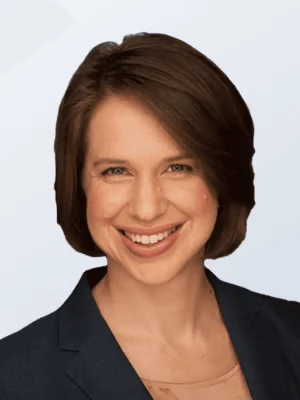
Alicia Jackson
ARPA-H
Director
DARPA veteran driving ARPA-H’s next-generation health moonshots.
•
-
Human Health
Reprogramming the Future of Health: A Conversation with ARPA-H Director Alicia Jackson
The future of medicine will be defined by bold bets: ambitious, high-risk ideas that traditional funding rarely supports but that could fundamentally transform human health. In this conversation, Alicia Jackson, Director of the Advanced Research Projects Agency for Health (ARPA-H), will share how the agency is tackling some of healthcare’s biggest challenges, drawing on a model inspired by Defense Advanced Research Projects Agency (DARPA) to accelerate breakthroughs in areas like universal immunity, AI-driven medicine, aging, and women’s health. With experience spanning government, startups, and frontier biotech (including leadership at DARPA’s Biological Technologies Office and founding Evernow) Dr. Jackson now leads a national effort to push the boundaries of what’s possible in medicine and unlock opportunities to radically improve human health.
Get a Ticket
Featuring
Alicia Jackson
ARPA-H
Director
DARPA veteran driving ARPA-H’s next-generation health moonshots.
•
-
Human Health
Editing Inheritance: Is Human Germline Engineering Back?
Once viewed as reckless experimentation, germline gene editing is re-emerging as a serious scientific frontier. With base and prime editing now able to correct single-letter mutations with remarkable precision, researchers are beginning to demonstrate embryo edits that could one day eliminate devastating inherited diseases. The stakes, however, are profound: these are permanent, heritable changes passed to every future generation. This session examines the cutting edge of germline engineering—how far the science has advanced since CRISPR’s clumsy early days, what challenges remain around mosaicism and long-term safety, and where the ethical boundaries must be drawn. Should we consider germline editing only for rare, fatal conditions when no other reproductive options exist? Or is there a pathway to broader medical use under strict safeguards? Join leading scientists, ethicists, and policymakers as we debate whether rewriting inheritance is an act of compassion—or a step too far.
Get a Ticket
Featuring
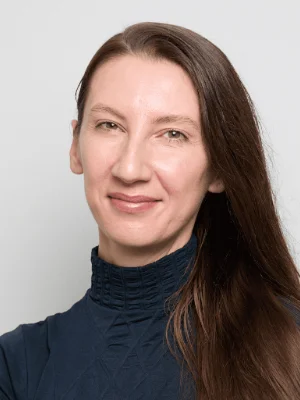
Eriona Hysolli
Manhattan Genomics
Co-founder
Embryo gene-correction CSO, Time100 Next honoree.
Jamie Justice
XPRIZE
EVP, Health
21.9
Jonathan Anomaly
Herasight
Professor & Founder
Philosopher-communicator at the frontier of polygenic embryo screening.
Chase Denecke
Bootstrap Bio
CEO
Embryo gene-editing startup CEO pushing ethical boundaries.
Amy Dockser Marcus
The Information
Reporter
•
-
Human Health
Editing Inheritance: Is Human Germline Engineering Back?
Once viewed as reckless experimentation, germline gene editing is re-emerging as a serious scientific frontier. With base and prime editing now able to correct single-letter mutations with remarkable precision, researchers are beginning to demonstrate embryo edits that could one day eliminate devastating inherited diseases. The stakes, however, are profound: these are permanent, heritable changes passed to every future generation. This session examines the cutting edge of germline engineering—how far the science has advanced since CRISPR’s clumsy early days, what challenges remain around mosaicism and long-term safety, and where the ethical boundaries must be drawn. Should we consider germline editing only for rare, fatal conditions when no other reproductive options exist? Or is there a pathway to broader medical use under strict safeguards? Join leading scientists, ethicists, and policymakers as we debate whether rewriting inheritance is an act of compassion—or a step too far.
Get a Ticket
Featuring
Eriona Hysolli
Manhattan Genomics
Co-founder
Embryo gene-correction CSO, Time100 Next honoree.
Jamie Justice
XPRIZE
EVP, Health
21.9
Jonathan Anomaly
Herasight
Professor & Founder
Philosopher-communicator at the frontier of polygenic embryo screening.
Chase Denecke
Bootstrap Bio
CEO
Embryo gene-editing startup CEO pushing ethical boundaries.
Amy Dockser Marcus
The Information
Reporter
•
-
Tools & Tech
Genome as a Canvas: Composing Life at Scale
Reading, writing, and editing DNA were just the prelude. The next frontier is composition, designing complex genetic systems and large DNA architectures from first principles using AI-driven models and scalable synthesis technologies. As datasets grow and design tools mature, biology is shifting from incremental editing toward intentional genome-scale engineering. This new paradigm treats DNA not simply as a sequence to modify but as a programmable substrate where genes, regulatory elements, and entire genomic regions can be composed, tested, and iterated like engineered systems. Advances in generative design, large-scale DNA assembly, and precision integration technologies are enabling researchers to construct increasingly complex genetic structures with higher predictability and functional intent. From next-generation recombinases and genome restructuring platforms to AI-guided design workflows that bridge computation and physical DNA construction, the emerging toolkit is redefining how biological complexity is created. The session explores how compositional genome engineering could unlock new capabilities across therapeutics, industrial biology, and synthetic life design.
Get a Ticket
Featuring
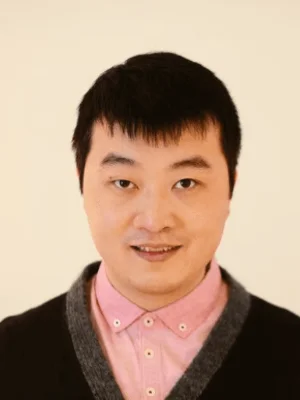
Kaihang Wang
Caltech
Assistant Professor
Building synthetic genomes to create new life forms.
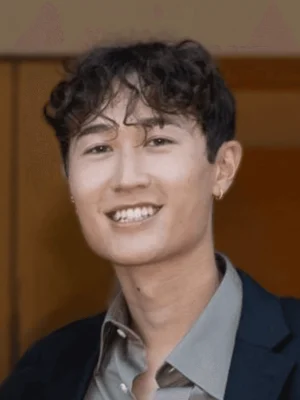
Samuel King
Stanford University
BioEng Doctoral Candidate
Genome language models designing new bacteriophages
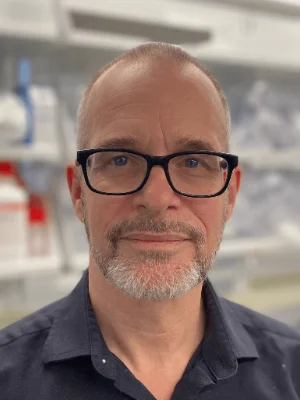
Andrew Hessel
Human Genome Project
Chairman
Genome-writing pioneer, Singularity University visionary
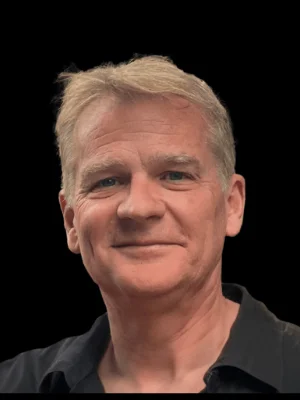
David Ewing Duncan
Arc Fusion
CEO
•
-
Tools & Tech
Genome as a Canvas: Composing Life at Scale
Reading, writing, and editing DNA were just the prelude. The next frontier is composition, designing complex genetic systems and large DNA architectures from first principles using AI-driven models and scalable synthesis technologies. As datasets grow and design tools mature, biology is shifting from incremental editing toward intentional genome-scale engineering. This new paradigm treats DNA not simply as a sequence to modify but as a programmable substrate where genes, regulatory elements, and entire genomic regions can be composed, tested, and iterated like engineered systems. Advances in generative design, large-scale DNA assembly, and precision integration technologies are enabling researchers to construct increasingly complex genetic structures with higher predictability and functional intent. From next-generation recombinases and genome restructuring platforms to AI-guided design workflows that bridge computation and physical DNA construction, the emerging toolkit is redefining how biological complexity is created. The session explores how compositional genome engineering could unlock new capabilities across therapeutics, industrial biology, and synthetic life design.
Get a Ticket
Featuring
Kaihang Wang
Caltech
Assistant Professor
Building synthetic genomes to create new life forms.
Samuel King
Stanford University
BioEng Doctoral Candidate
Genome language models designing new bacteriophages
Andrew Hessel
Human Genome Project
Chairman
Genome-writing pioneer, Singularity University visionary
David Ewing Duncan
Arc Fusion
CEO
•
-
Human Health
Programmable T Cells: Engineering Living Immune Systems
T cells are evolving from targeted killers into fully programmable cellular systems. Advances in synthetic biology, AI-driven receptor design, and genome-scale datasets are enabling immune cells that not only recognize disease, but sense context, compute signals, adapt over time, and execute coordinated responses inside the body. This session brings together leaders across academia and industry to explore how next-generation CAR and TCR design, structural modeling, and large biological foundation models are reshaping immune engineering. Beyond receptor optimization, we will examine logic circuits, combinatorial sensing systems, control layers, and in vivo reprogramming strategies that transform T cells into dynamic therapeutic platforms. As immune cell engineering moves toward off-the-shelf products and in vivo editing approaches, we will address the deeper architectural questions: How do we design cells that avoid exhaustion, function within hostile tumor microenvironments, and maintain safety over time? What does it mean to treat T cells as living software systems? And how do we build programmable immune therapies that are scalable, durable, and globally accessible?
Get a Ticket
Featuring
Lilly Wollman
Synteny
CEO & Co founder
From growth equity to gen-AI T-cell engineering.
Kyle Daniels
Stanford University
Assistant Professor
Engineering immune-cell “programmable receptors” with synbio + machine learning.
Justin Eyquem
UCSF
Associate Professor
Engineering genome-edited CAR-T cells for tougher cancers.
John Robson
BioOra
Managing Director
Deep-tech investor turned CAR-T scale-up leader.
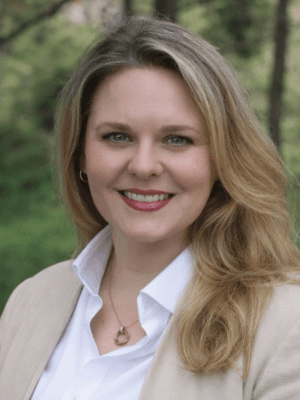
Victoria Mascetti
University of Bristol
Assistant Professor
Stem-cell biologist translating regeneration into real therapies.
•
-
Human Health
Programmable T Cells: Engineering Living Immune Systems
T cells are evolving from targeted killers into fully programmable cellular systems. Advances in synthetic biology, AI-driven receptor design, and genome-scale datasets are enabling immune cells that not only recognize disease, but sense context, compute signals, adapt over time, and execute coordinated responses inside the body. This session brings together leaders across academia and industry to explore how next-generation CAR and TCR design, structural modeling, and large biological foundation models are reshaping immune engineering. Beyond receptor optimization, we will examine logic circuits, combinatorial sensing systems, control layers, and in vivo reprogramming strategies that transform T cells into dynamic therapeutic platforms. As immune cell engineering moves toward off-the-shelf products and in vivo editing approaches, we will address the deeper architectural questions: How do we design cells that avoid exhaustion, function within hostile tumor microenvironments, and maintain safety over time? What does it mean to treat T cells as living software systems? And how do we build programmable immune therapies that are scalable, durable, and globally accessible?
Get a Ticket
Featuring
Lilly Wollman
Synteny
CEO & Co founder
From growth equity to gen-AI T-cell engineering.
Kyle Daniels
Stanford University
Assistant Professor
Engineering immune-cell “programmable receptors” with synbio + machine learning.
Justin Eyquem
UCSF
Associate Professor
Engineering genome-edited CAR-T cells for tougher cancers.
John Robson
BioOra
Managing Director
Deep-tech investor turned CAR-T scale-up leader.
Victoria Mascetti
University of Bristol
Assistant Professor
Stem-cell biologist translating regeneration into real therapies.
•
-
Human Health
Food Tech Salon
Get a Ticket
Featuring
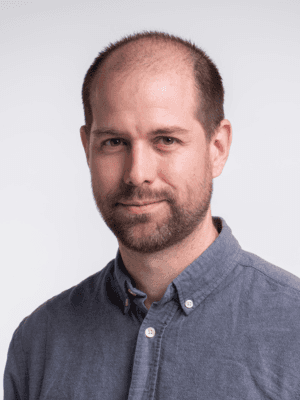
Rodrigo Ledesma-Amaro
Imperial College London
Professor & Director
•
-
Human Health
Food Tech Salon
Get a Ticket
Featuring
Rodrigo Ledesma-Amaro
Imperial College London
Professor & Director
•
-
Longevity
Engineering Longevity: Reprogramming the Foundations of Aging
Aging is increasingly understood as a gradual loss of biological stability. DNA accumulates damage, protein homeostasis collapses, and cells drift away from youthful identities as regulatory networks lose their balance over time. These changes ripple across tissues and organs, driving many of the diseases associated with aging. Today, new tools in synthetic biology, artificial intelligence, and gene editing are revealing how these systems might be stabilized, repaired, or even reset. Researchers are engineering enhanced DNA repair mechanisms inspired by long-lived species, using AI to map the trajectories of cellular aging and uncover rejuvenating interventions, and developing therapies that restore protein metabolism to protect vulnerable tissues such as the brain. This session explores how scientists are moving beyond simply slowing aging to engineering the biological systems that maintain cellular integrity. By targeting the underlying mechanisms that govern genome stability, proteostasis, and cellular identity, researchers are laying the groundwork for a new generation of longevity therapeutics designed to restore function and resilience across the lifespan.
Get a Ticket
Featuring
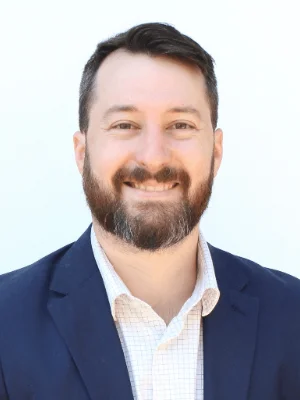
Christopher Bradley
Matter Bio
CEO
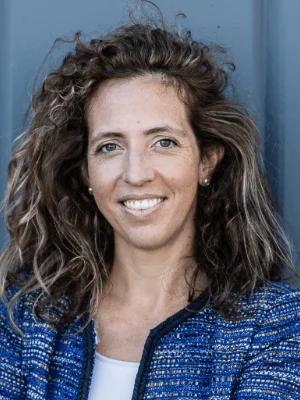
Benedetta Di Robilant
ProMIND Therapeutics
Co-founder & CEO
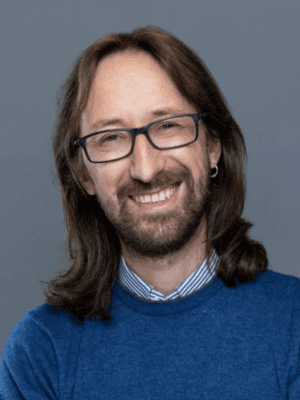
Simone Bianco
Altos Labs
VP, Physics, Molecular & Hybrid Modeling
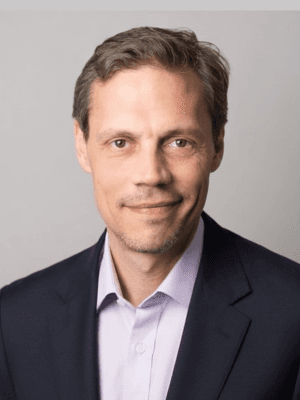
Antonio Regalado
MIT Technology Review
Senior Editor Biomedicine
•
-
Longevity
Engineering Longevity: Reprogramming the Foundations of Aging
Aging is increasingly understood as a gradual loss of biological stability. DNA accumulates damage, protein homeostasis collapses, and cells drift away from youthful identities as regulatory networks lose their balance over time. These changes ripple across tissues and organs, driving many of the diseases associated with aging. Today, new tools in synthetic biology, artificial intelligence, and gene editing are revealing how these systems might be stabilized, repaired, or even reset. Researchers are engineering enhanced DNA repair mechanisms inspired by long-lived species, using AI to map the trajectories of cellular aging and uncover rejuvenating interventions, and developing therapies that restore protein metabolism to protect vulnerable tissues such as the brain. This session explores how scientists are moving beyond simply slowing aging to engineering the biological systems that maintain cellular integrity. By targeting the underlying mechanisms that govern genome stability, proteostasis, and cellular identity, researchers are laying the groundwork for a new generation of longevity therapeutics designed to restore function and resilience across the lifespan.
Get a Ticket
Featuring
Christopher Bradley
Matter Bio
CEO
Benedetta Di Robilant
ProMIND Therapeutics
Co-founder & CEO
Simone Bianco
Altos Labs
VP, Physics, Molecular & Hybrid Modeling
Antonio Regalado
MIT Technology Review
Senior Editor Biomedicine
•
-
Human Health
Programmable Nutrition: Engineering the Next Wave of Bioactive Food Molecules
Food is no longer just sustenance—it’s becoming a programmable interface with human biology. Advances in synthetic biology and foodtech are enabling the design of bioactive molecules that target specific health outcomes: regulating glucose and lipid metabolism, strengthening cardiovascular resilience, and even enhancing cognitive performance. From engineered microbes that secrete beneficial metabolites to programmable synbiotics tuned to the gut, this session will explore how programmable biology is transforming food into a therapeutic platform. Panelists will ask: what if the next breakthroughs in managing obesity, dementia, and heart disease don’t come from pharmaceuticals, but from intelligently designed foods and functional ingredients?
Get a Ticket
Featuring
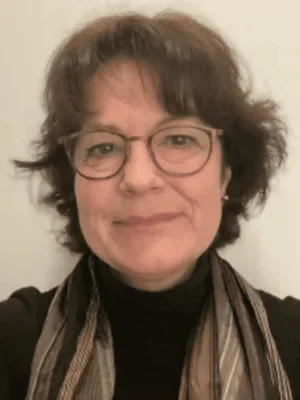
Alexandra Boelrijk
Kerry Group
Sr. R&D Dir. ProActive
25-year R&D veteran translating clinical evidence into nutrition breakthroughs.
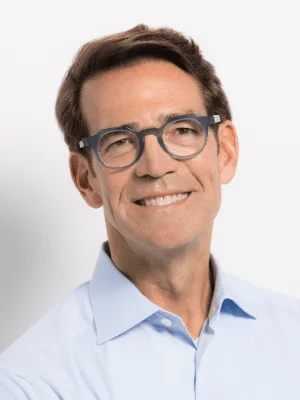
Gregory Hocking
Mars Snacking
VP Global R&D New Innov. Territories
Reinventing snacking through sustainability and startup bets.
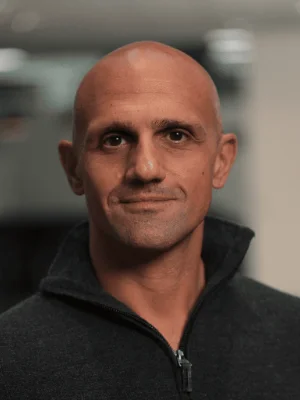
Riccardo LoCascio
Novonesis
Partnering - Precision Proteins
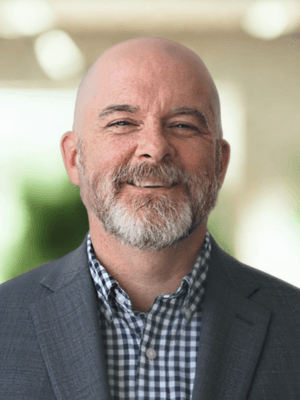
Casey Lippmeier
Checkerspot
CTO
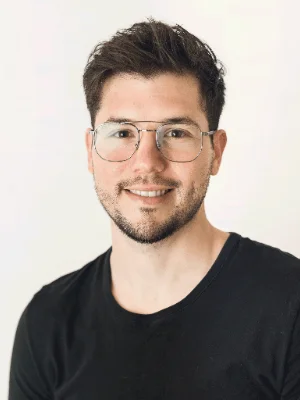
Ivan Jaubert
SynBioBeta
Director of Entrepreneurship
Startup-ecosystem builder connecting founders, investors, and corporates.
•
-
Human Health
Programmable Nutrition: Engineering the Next Wave of Bioactive Food Molecules
Food is no longer just sustenance—it’s becoming a programmable interface with human biology. Advances in synthetic biology and foodtech are enabling the design of bioactive molecules that target specific health outcomes: regulating glucose and lipid metabolism, strengthening cardiovascular resilience, and even enhancing cognitive performance. From engineered microbes that secrete beneficial metabolites to programmable synbiotics tuned to the gut, this session will explore how programmable biology is transforming food into a therapeutic platform. Panelists will ask: what if the next breakthroughs in managing obesity, dementia, and heart disease don’t come from pharmaceuticals, but from intelligently designed foods and functional ingredients?
Get a Ticket
Featuring
Alexandra Boelrijk
Kerry Group
Sr. R&D Dir. ProActive
25-year R&D veteran translating clinical evidence into nutrition breakthroughs.
Gregory Hocking
Mars Snacking
VP Global R&D New Innov. Territories
Reinventing snacking through sustainability and startup bets.
Riccardo LoCascio
Novonesis
Partnering - Precision Proteins
Casey Lippmeier
Checkerspot
CTO
Ivan Jaubert
SynBioBeta
Director of Entrepreneurship
Startup-ecosystem builder connecting founders, investors, and corporates.
•
-
Human Health
Reconstructing the Body: Can Biological Replacement Reverse Aging and Extend Lifespan?
Despite major advances in the biology of aging, there are still no interventions that clearly slow or reverse aging in humans. In contrast, modern medicine already depends on replacement to restore lost function, from artificial joints and cardiac devices to organ transplants and stem cell therapies. This session examines how a similar framework could be applied to aging: rather than repairing deteriorated cells and tissues, scientists and companies are exploring ways to replace them with newly generated, biologically young equivalents. The discussion will highlight emerging capabilities in engineered cell sources, scalable tissue fabrication, and programmable biology (instead of "integration") strategies that are redefining what can be rebuilt and replaced. New approaches are beginning to address long-standing challenges such as age-related signaling environments, vascularization, and even circuit compatibility in parts of the brain. Together, these advances point toward a future where rejuvenation is achieved through deliberate biological reconstruction. The session asks: How far can replacement take us, and could rebuilding youthful parts become a central path to extending healthy lifespan?
Get a Ticket
Featuring
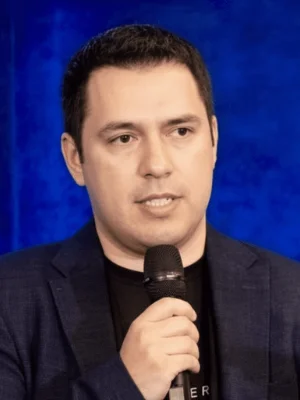
Eric Bennett
Frontier Bio
CEO
Bioprinting pioneer building lab-grown human tissues and organs.
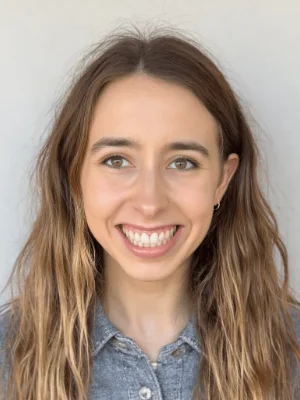
Sierra Lore
Buck Institute
Doctoral Student
Researcher of somatic mutation in aging (immune genome instability)
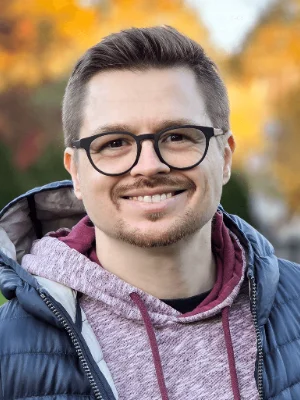
Sergiy Velychko
Soxogen
Founder & CEO
Antonio Regalado
MIT Technology Review
Senior Editor Biomedicine
•
-
Human Health
Reconstructing the Body: Can Biological Replacement Reverse Aging and Extend Lifespan?
Despite major advances in the biology of aging, there are still no interventions that clearly slow or reverse aging in humans. In contrast, modern medicine already depends on replacement to restore lost function, from artificial joints and cardiac devices to organ transplants and stem cell therapies. This session examines how a similar framework could be applied to aging: rather than repairing deteriorated cells and tissues, scientists and companies are exploring ways to replace them with newly generated, biologically young equivalents. The discussion will highlight emerging capabilities in engineered cell sources, scalable tissue fabrication, and programmable biology (instead of "integration") strategies that are redefining what can be rebuilt and replaced. New approaches are beginning to address long-standing challenges such as age-related signaling environments, vascularization, and even circuit compatibility in parts of the brain. Together, these advances point toward a future where rejuvenation is achieved through deliberate biological reconstruction. The session asks: How far can replacement take us, and could rebuilding youthful parts become a central path to extending healthy lifespan?
Get a Ticket
Featuring
Eric Bennett
Frontier Bio
CEO
Bioprinting pioneer building lab-grown human tissues and organs.
Sierra Lore
Buck Institute
Doctoral Student
Researcher of somatic mutation in aging (immune genome instability)
Sergiy Velychko
Soxogen
Founder & CEO
Antonio Regalado
MIT Technology Review
Senior Editor Biomedicine
•
-
Human Health
Build, Buy, or Partner: The New AI Operating Model from Biologics Discovery to Clinical Assets
AI is reshaping how biopharma discovers, develops, and advances therapeutic agents across the full lifecycle, from early design to translational strategy and clinical asset development. But with dozens of platforms and models emerging, R&D leaders face a strategic crossroads: should they build internal AI capabilities, buy turnkey software, or partner with integrated platforms that connect computational design, experimental validation, and clinical decision-making? This session brings together Biotech R&D executives and AI platform leaders to explore how software-first, closed-loop AI workflows are transforming not only discovery speed, but also translational success and clinical outcomes. Speakers will share real-world perspectives on integrating AI into portfolio strategy, advancing assets toward the clinic, repositioning clinically validated assets, and redefining the operating model for biologics development.
Get a Ticket
Featuring
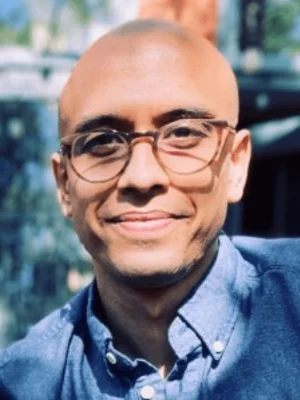
Surge Biswas
Nabla Bio
Co-founder & CEO
Protein language-model pioneer building AI-plus-wet-lab antibody design.
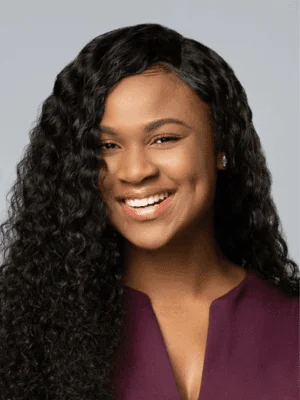
Jen Asher
1910
Founder & CEO
AI-native drug discovery founder blending wet-lab automation and models.
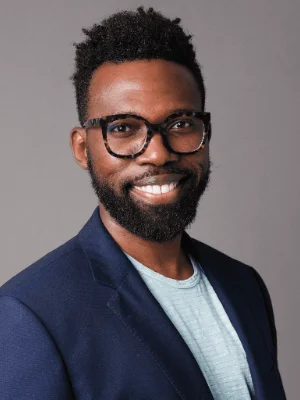
Yves Falanga
NOETIK
Corporate Strategy & BD
Business-development lead helping broker NOETIK’s big-pharma deals.
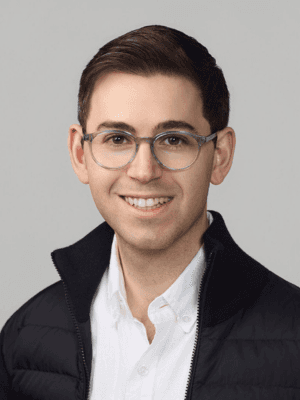
Joshua Meier
Chai Discovery
CEO & Co-founder
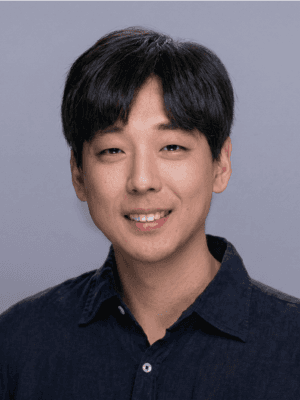
Inhwan Kim
Enveda
CSO
Amy Dockser Marcus
The Information
Reporter
•
-
Human Health
Build, Buy, or Partner: The New AI Operating Model from Biologics Discovery to Clinical Assets
AI is reshaping how biopharma discovers, develops, and advances therapeutic agents across the full lifecycle, from early design to translational strategy and clinical asset development. But with dozens of platforms and models emerging, R&D leaders face a strategic crossroads: should they build internal AI capabilities, buy turnkey software, or partner with integrated platforms that connect computational design, experimental validation, and clinical decision-making? This session brings together Biotech R&D executives and AI platform leaders to explore how software-first, closed-loop AI workflows are transforming not only discovery speed, but also translational success and clinical outcomes. Speakers will share real-world perspectives on integrating AI into portfolio strategy, advancing assets toward the clinic, repositioning clinically validated assets, and redefining the operating model for biologics development.
Get a Ticket
Featuring
Surge Biswas
Nabla Bio
Co-founder & CEO
Protein language-model pioneer building AI-plus-wet-lab antibody design.
Jen Asher
1910
Founder & CEO
AI-native drug discovery founder blending wet-lab automation and models.
Yves Falanga
NOETIK
Corporate Strategy & BD
Business-development lead helping broker NOETIK’s big-pharma deals.
Joshua Meier
Chai Discovery
CEO & Co-founder
Inhwan Kim
Enveda
CSO
Amy Dockser Marcus
The Information
Reporter
•
-
Human Health
Synthetic Evolution: Reprogramming Genomes to Accelerate Biological Discovery
For billions of years, evolution has been biology’s most powerful search engine. Now researchers are beginning to redesign that engine itself. From orthogonal replication systems like OrthoRep to synthetic genomes, programmable mutation systems, and continuous evolution platforms, new tools are making it possible to evolve biological function with unprecedented speed, control, and scale. This session explores how synthetic evolution is becoming a core technology of programmable biology. Speakers will examine how engineered replication, genome-scale design, and AI-informed selection strategies are expanding the range of molecules, pathways, and phenotypes that can be discovered in the lab. By moving from passively observing evolution to actively directing it, scientists are opening a new frontier where genomes are not just edited, but built and evolved as programmable systems.
Get a Ticket
Featuring
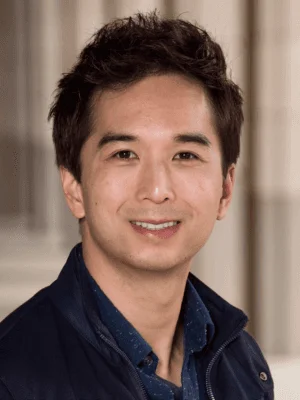
Eric Nguyen
Radical Numerics
Co-founder & CEO
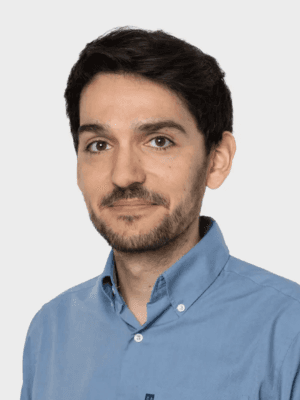
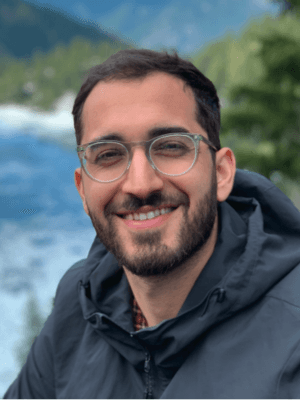
Daniel de la Torre
Constructive Bio
VP of R&D
Ali Madani
Profluent
CEO
•
-
Human Health
Synthetic Evolution: Reprogramming Genomes to Accelerate Biological Discovery
For billions of years, evolution has been biology’s most powerful search engine. Now researchers are beginning to redesign that engine itself. From orthogonal replication systems like OrthoRep to synthetic genomes, programmable mutation systems, and continuous evolution platforms, new tools are making it possible to evolve biological function with unprecedented speed, control, and scale. This session explores how synthetic evolution is becoming a core technology of programmable biology. Speakers will examine how engineered replication, genome-scale design, and AI-informed selection strategies are expanding the range of molecules, pathways, and phenotypes that can be discovered in the lab. By moving from passively observing evolution to actively directing it, scientists are opening a new frontier where genomes are not just edited, but built and evolved as programmable systems.
Get a Ticket
Featuring
Eric Nguyen
Radical Numerics
Co-founder & CEO
Daniel de la Torre
Constructive Bio
VP of R&D
Ali Madani
Profluent
CEO
•
-
Business of Biology
Fueling the Bioeconomy: How Founders Can Unlock Government Capital to Build the Next Generation of Biotech
Venture capital alone is no longer enough to power the next wave of biotechnology innovation. Across health, biosecurity, climate, and advanced biomanufacturing, government agencies are emerging as catalytic partners, deploying billions in non-dilutive funding to accelerate high-risk, high-impact breakthroughs. But accessing this capital requires more than strong science. Founders must understand how agencies like ARPA-H, DARPA, BARDA, and others evaluate risk, define mission impact, and structure partnerships that bridge research and real-world deployment. This session brings together agency leaders, founders, and experienced operators to demystify how government funding actually works in today’s market. The panelists will explore how startups can position themselves for success, avoid common pitfalls in proposal development and contracting, and strategically leverage non-dilutive funding to extend runway, de-risk technology, and unlock new commercial pathways.
Get a Ticket
Featuring
Alicia Jackson
ARPA-H
Director
DARPA veteran driving ARPA-H’s next-generation health moonshots.
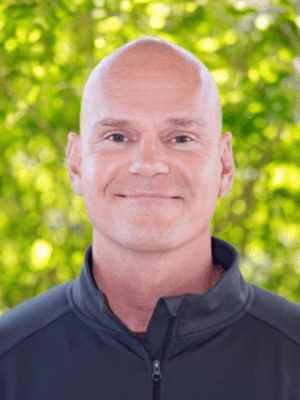
Michael Koeris
DARPA
Director, BTO
Protecting National Security with Biology
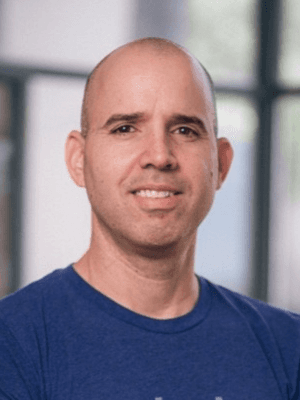
Omri Amirav-Drory
NFX
General Partner
Scientist-founder VC: built Genome Compiler, now backs techbio.
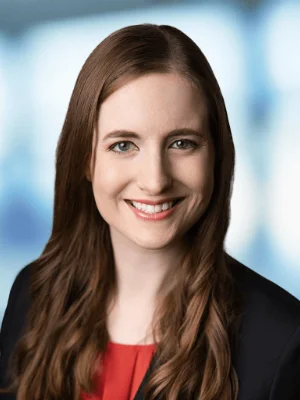
Laura Powell
EverGlade
Director
•
-
Business of Biology
Fueling the Bioeconomy: How Founders Can Unlock Government Capital to Build the Next Generation of Biotech
Venture capital alone is no longer enough to power the next wave of biotechnology innovation. Across health, biosecurity, climate, and advanced biomanufacturing, government agencies are emerging as catalytic partners, deploying billions in non-dilutive funding to accelerate high-risk, high-impact breakthroughs. But accessing this capital requires more than strong science. Founders must understand how agencies like ARPA-H, DARPA, BARDA, and others evaluate risk, define mission impact, and structure partnerships that bridge research and real-world deployment. This session brings together agency leaders, founders, and experienced operators to demystify how government funding actually works in today’s market. The panelists will explore how startups can position themselves for success, avoid common pitfalls in proposal development and contracting, and strategically leverage non-dilutive funding to extend runway, de-risk technology, and unlock new commercial pathways.
Get a Ticket
Featuring
Alicia Jackson
ARPA-H
Director
DARPA veteran driving ARPA-H’s next-generation health moonshots.
Michael Koeris
DARPA
Director, BTO
Protecting National Security with Biology
Omri Amirav-Drory
NFX
General Partner
Scientist-founder VC: built Genome Compiler, now backs techbio.
Laura Powell
EverGlade
Director
•
-
AIxBIO
Rewriting Enzyme Performance: Next-Gen Platforms for AI-Driven Protein Screening
AI is rapidly transforming how therapeutic enzymes and protein drug candidates are discovered, engineered, and validated. Generative models can now propose millions of novel variants optimized for specificity, stability, and target engagement. But the true bottleneck is no longer design, it is screening at scale. As model-generated libraries expand exponentially, the need for faster, more predictive experimental systems has become critical to translate computational insights into clinically relevant performance. This session explores the emerging generation of integrated platforms that combine AI-guided design, high-throughput functional screening, automation, and advanced analytics to accelerate therapeutic protein discovery. From self-driving labs and multiplexed cellular assays to adaptive screening strategies that prioritize pharmacologically meaningful readouts over simple activity metrics, speakers will examine how next-gen infrastructure is reshaping enzyme optimization for drug development.
Get a Ticket
Featuring
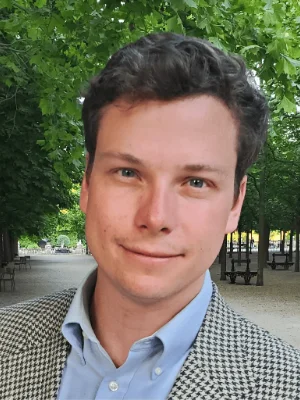
Weston Kightlinger
Ridge Bio
CEO
Cell-free synthesis pioneer building precision enzyme therapeutics.
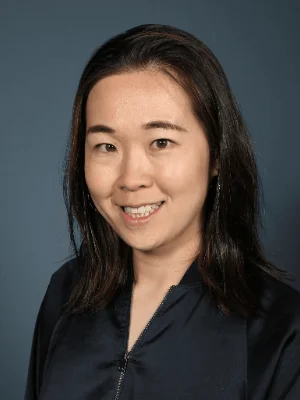
Will Cao
Pando
CEO
Founder making enzyme development 80% cheaper
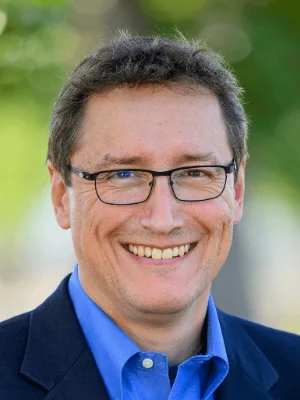
Stefan Lutz
Codexis Inc.
CSO
Directed-evolution expert shaping next-generation enzyme engineering.
David Virant
Acies Bio
Department Head
Ewa Lis
Koliber Bio
Founder & CEO
AI-driven peptide/protein drug-discovery builder (also microbiome engineering).
Fay Lin
GEN
Sr Editor, Technology
•
-
AIxBIO
Rewriting Enzyme Performance: Next-Gen Platforms for AI-Driven Protein Screening
AI is rapidly transforming how therapeutic enzymes and protein drug candidates are discovered, engineered, and validated. Generative models can now propose millions of novel variants optimized for specificity, stability, and target engagement. But the true bottleneck is no longer design, it is screening at scale. As model-generated libraries expand exponentially, the need for faster, more predictive experimental systems has become critical to translate computational insights into clinically relevant performance. This session explores the emerging generation of integrated platforms that combine AI-guided design, high-throughput functional screening, automation, and advanced analytics to accelerate therapeutic protein discovery. From self-driving labs and multiplexed cellular assays to adaptive screening strategies that prioritize pharmacologically meaningful readouts over simple activity metrics, speakers will examine how next-gen infrastructure is reshaping enzyme optimization for drug development.
Get a Ticket
Featuring
Weston Kightlinger
Ridge Bio
CEO
Cell-free synthesis pioneer building precision enzyme therapeutics.
Will Cao
Pando
CEO
Founder making enzyme development 80% cheaper
Stefan Lutz
Codexis Inc.
CSO
Directed-evolution expert shaping next-generation enzyme engineering.
David Virant
Acies Bio
Department Head
Ewa Lis
Koliber Bio
Founder & CEO
AI-driven peptide/protein drug-discovery builder (also microbiome engineering).
Fay Lin
GEN
Sr Editor, Technology
•
-
Human Health
Rewriting the Rules - Clinical Trial Reform in the Age of AI
AI-native drug discovery is accelerating molecule design, but clinical trials remain slow, expensive, and exclusionary. If we don’t modernize trial infrastructure, we create a bottleneck between computational breakthroughs and real-world patient impact. This breakout explores how to reform recruitment, eligibility, endpoints, biomarkers, and regulatory alignment to make U.S. trials more competitive and globally scalable.
Get a Ticket
Featuring
Speaker Coming Soon
Jacob Glanville
Centivax
CEO
Building a universal antivenom
Una Ryan
Ulux
Founder and CEO
Zachary Gobst
Leapcure
CEO
Making clinical trials more equitable and accessible.
•
-
Human Health
Rewriting the Rules - Clinical Trial Reform in the Age of AI
AI-native drug discovery is accelerating molecule design, but clinical trials remain slow, expensive, and exclusionary. If we don’t modernize trial infrastructure, we create a bottleneck between computational breakthroughs and real-world patient impact. This breakout explores how to reform recruitment, eligibility, endpoints, biomarkers, and regulatory alignment to make U.S. trials more competitive and globally scalable.
Get a Ticket
Featuring
Speaker Coming Soon
Jacob Glanville
Centivax
CEO
Building a universal antivenom
Una Ryan
Ulux
Founder and CEO
Zachary Gobst
Leapcure
CEO
Making clinical trials more equitable and accessible.
•
-
Tools & Tech
Decoding the Dark Proteome: From Discovery Gap to Drug Pipeline
The proteome holds the answers to some of biology's most persistent questions — yet the vast majority of proteins remain functionally uncharacterized. This working session brings together leaders from pharma, biotech, and the emerging protein sequencing field to explore what it would actually take to close the gap. What are the real bottlenecks in moving from dark proteome discovery to actionable drug targets? What sequencing and annotation infrastructure needs to exist? And where are the first credible opportunities for pharma to engage? A candid, technical conversation for those already building toward this frontier.
Get a Ticket
Featuring
Jennifer Dionne
Stanford University
Professor
Leroy Hood
ISB
Co-founder & Prof.
Imad Ajjawi
RyboDyn
CEO
Paul Schnier
Lilly
AVP, Oncology
•
-
Tools & Tech
Decoding the Dark Proteome: From Discovery Gap to Drug Pipeline
The proteome holds the answers to some of biology's most persistent questions — yet the vast majority of proteins remain functionally uncharacterized. This working session brings together leaders from pharma, biotech, and the emerging protein sequencing field to explore what it would actually take to close the gap. What are the real bottlenecks in moving from dark proteome discovery to actionable drug targets? What sequencing and annotation infrastructure needs to exist? And where are the first credible opportunities for pharma to engage? A candid, technical conversation for those already building toward this frontier.
Get a Ticket
Featuring
Jennifer Dionne
Stanford University
Professor
Leroy Hood
ISB
Co-founder & Prof.
Imad Ajjawi
RyboDyn
CEO
Paul Schnier
Lilly
AVP, Oncology
•
-
Tools & Tech
From Experience to Intelligence - Building Practical Vertical AI for Industrial Enzyme Engineering
While foundation models have demonstrated broad potential in protein engineering, their generic nature often falls short at the industrial "last mile"—where narrow tolerance windows, non-natural substrates, and harsh process conditions prevail. To adapt to these challenges, we integrate decades of enzyme engineering experience with proprietary high-fidelity domain-specific datasets, powered by our CFPS‑driven high‑throughput screening platform (>100× throughput over traditional directed evolution, enabling precise domain-specific annotation). This approach enables us to build practical vertical AI models that have been validated in real‑world production settings, demonstrating improved accuracy over general‑purpose models and paving the way toward an integrated Enzyme Co‑Pilot for reliable, data‑driven biocatalysis.
Get a Ticket
Featuring
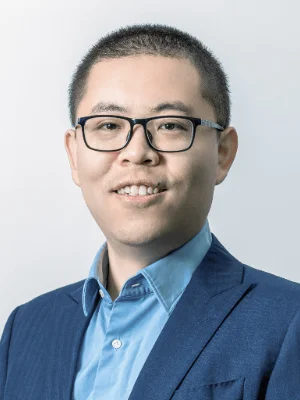
Xuecheng Jiao
Asymchem
Vice GM
AI-accelerated enzyme-evolution leader in biocatalysis.
•
-
Tools & Tech
From Experience to Intelligence - Building Practical Vertical AI for Industrial Enzyme Engineering
While foundation models have demonstrated broad potential in protein engineering, their generic nature often falls short at the industrial "last mile"—where narrow tolerance windows, non-natural substrates, and harsh process conditions prevail. To adapt to these challenges, we integrate decades of enzyme engineering experience with proprietary high-fidelity domain-specific datasets, powered by our CFPS‑driven high‑throughput screening platform (>100× throughput over traditional directed evolution, enabling precise domain-specific annotation). This approach enables us to build practical vertical AI models that have been validated in real‑world production settings, demonstrating improved accuracy over general‑purpose models and paving the way toward an integrated Enzyme Co‑Pilot for reliable, data‑driven biocatalysis.
Get a Ticket
Featuring
Xuecheng Jiao
Asymchem
Vice GM
AI-accelerated enzyme-evolution leader in biocatalysis.
•
-
Human Health
Next Frontiers in Embryo Genetics: From Polygenic Prediction to the Return of Germline Engineering
Preimplantation genetic testing transformed IVF by enabling the screening of embryos for aneuploidy and severe monogenic diseases. Today, rapid advances in genomic datasets, AI-driven modeling, and large-scale validation are pushing reproductive genetics into a new phase defined by polygenic embryo testing. In this talk, Jonathan explores how polygenic prediction works, how risk models are validated, and why predictive power has improved dramatically in recent years. As tools evolve, clinicians and researchers are beginning to assess complex traits shaped by many genes, opening new possibilities for disease risk reduction and embryo selection based on multifactorial characteristics. At the same time, breakthroughs in genome editing and delivery technologies are bringing germline engineering back into scientific and policy conversations. As selection and editing begin to converge, reproductive genetics is moving beyond screening toward intentional genetic design. This forward-looking talk examines the science, implications, and emerging realities shaping the next frontier of human genetic intervention.
Get a Ticket
Featuring
Jonathan Anomaly
Herasight
Professor & Founder
Philosopher-communicator at the frontier of polygenic embryo screening.
•
-
Human Health
Next Frontiers in Embryo Genetics: From Polygenic Prediction to the Return of Germline Engineering
Preimplantation genetic testing transformed IVF by enabling the screening of embryos for aneuploidy and severe monogenic diseases. Today, rapid advances in genomic datasets, AI-driven modeling, and large-scale validation are pushing reproductive genetics into a new phase defined by polygenic embryo testing. In this talk, Jonathan explores how polygenic prediction works, how risk models are validated, and why predictive power has improved dramatically in recent years. As tools evolve, clinicians and researchers are beginning to assess complex traits shaped by many genes, opening new possibilities for disease risk reduction and embryo selection based on multifactorial characteristics. At the same time, breakthroughs in genome editing and delivery technologies are bringing germline engineering back into scientific and policy conversations. As selection and editing begin to converge, reproductive genetics is moving beyond screening toward intentional genetic design. This forward-looking talk examines the science, implications, and emerging realities shaping the next frontier of human genetic intervention.
Get a Ticket
Featuring
Jonathan Anomaly
Herasight
Professor & Founder
Philosopher-communicator at the frontier of polygenic embryo screening.
•
-
Business of Biology
Spotlight Talk Brought to you by Genoa Ventures
Get a Ticket
Featuring
Speaker Coming Soon
•
-
Business of Biology
Spotlight Talk Brought to you by Genoa Ventures
Get a Ticket
Featuring
Speaker Coming Soon
•
-
TBD
Lunch & Learn // OPEN
Get a Ticket
Featuring
Speaker Coming Soon
•
-
TBD
Lunch & Learn // OPEN
Get a Ticket
Featuring
Speaker Coming Soon
•
-
TBD
Lunch & Learn Brought to you By SLAC
Get a Ticket
Featuring
Speaker Coming Soon
•
-
TBD
Lunch & Learn Brought to you By SLAC
Get a Ticket
Featuring
Speaker Coming Soon
•
-
TBD
Lunch & Learn // OPEN
Get a Ticket
Featuring
Speaker Coming Soon
•
-
TBD
Lunch & Learn // OPEN
Get a Ticket
Featuring
Speaker Coming Soon
•
-
Human Health
What Future Can We Imagine?
The brain was never static. We just lacked the language to describe its motion. That language now exists. Neuroplasticity is no longer a metaphor for resilience — it is a measurable, targetable biological phenomenon. Metabolic psychiatry is revealing that mental illness is not purely a disorder of neurotransmitters, but of energy, inflammation, and cellular environment. Cognitive engineering is moving from speculative to clinical, from enhancement to intervention, from philosophy to protocol.
Get a Ticket
Featuring
Speaker Coming Soon
•
-
Human Health
What Future Can We Imagine?
The brain was never static. We just lacked the language to describe its motion. That language now exists. Neuroplasticity is no longer a metaphor for resilience — it is a measurable, targetable biological phenomenon. Metabolic psychiatry is revealing that mental illness is not purely a disorder of neurotransmitters, but of energy, inflammation, and cellular environment. Cognitive engineering is moving from speculative to clinical, from enhancement to intervention, from philosophy to protocol.
Get a Ticket
Featuring
Speaker Coming Soon
•
-
Longevity
Mitochondrial transplantation and genome editing: engineering the metabolic engine of complex life
Mitochondria are often pigeon-holed as the "powerhouse of the cell", giving the false impression that their primary role is as an ATP generator passively responding to the energetic demands of their environment. This is far from the truth. The mitochondria exist as a dynamic network that senses, integrates, and transduces biochemical, energetic, and physical signals, and these signals shape cell fate, lifespan, cancer risk, and more. This session explores emerging tools and methods to edit the small, maternally-inherited, circular mitochondrial genome present in dozens-to-hundreds of copies per cell as a means to prevent mitochondrial disease and optimize metabolic fitness. Additionally, we will discuss the promise of mitochondrial transplantation methodologies as a therapeutic intervention and to discuss the possible routes for mitochondrial metabolic engineering and a range of synthetic developments.
Get a Ticket
Featuring
Mariëlle van Kooten
Powerhouse Bio
CEO
Mitochondrial bioengineer
Colwyn Headley
Stanford University
Instructor
Mitochondrial-transplantation researcher targetting aging-immune heart disease
Ryan Olf
ARIA
Programme Director
Physicist chasing moonshots from quantum gases to biotech.
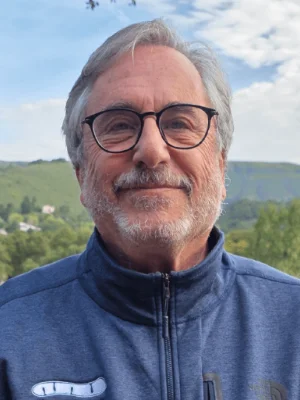
Gordon Freedman
MitoWorld
Publisher
Mitochondrial-medicine ecosystem builder
•
-
Longevity
Mitochondrial transplantation and genome editing: engineering the metabolic engine of complex life
Mitochondria are often pigeon-holed as the "powerhouse of the cell", giving the false impression that their primary role is as an ATP generator passively responding to the energetic demands of their environment. This is far from the truth. The mitochondria exist as a dynamic network that senses, integrates, and transduces biochemical, energetic, and physical signals, and these signals shape cell fate, lifespan, cancer risk, and more. This session explores emerging tools and methods to edit the small, maternally-inherited, circular mitochondrial genome present in dozens-to-hundreds of copies per cell as a means to prevent mitochondrial disease and optimize metabolic fitness. Additionally, we will discuss the promise of mitochondrial transplantation methodologies as a therapeutic intervention and to discuss the possible routes for mitochondrial metabolic engineering and a range of synthetic developments.
Get a Ticket
Featuring
Mariëlle van Kooten
Powerhouse Bio
CEO
Mitochondrial bioengineer
Colwyn Headley
Stanford University
Instructor
Mitochondrial-transplantation researcher targetting aging-immune heart disease
Ryan Olf
ARIA
Programme Director
Physicist chasing moonshots from quantum gases to biotech.
Gordon Freedman
MitoWorld
Publisher
Mitochondrial-medicine ecosystem builder
•
-
Human Health
Open Breakout Session
Get a Ticket
Featuring
Speaker Coming Soon
•
-
Human Health
Open Breakout Session
Get a Ticket
Featuring
Speaker Coming Soon
•
-
Human Health
Engineering Reproduction
From AI-powered drug discovery to genomic selection and ovarian longevity — one of the most technically complex and ethically charged frontiers in biotech.The biology of reproduction has always carried the weight of the human story. Now it carries the weight of the possible.Ovarian aging is being mapped at the molecular level. Genomic selection is moving from research settings into clinical practice. AI is accelerating drug discovery for conditions that have been chronically underfunded and chronically misunderstood. The tools exist. The data is accumulating. The ethical frameworks are being written in real time — by the scientists in this room.
Get a Ticket
Featuring
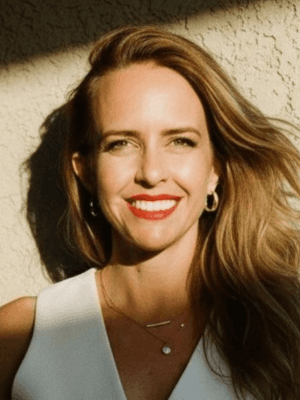
Lauren Avenius
Node Labs
CEO

Maria Lence
For Women's Health
CEO & Founder
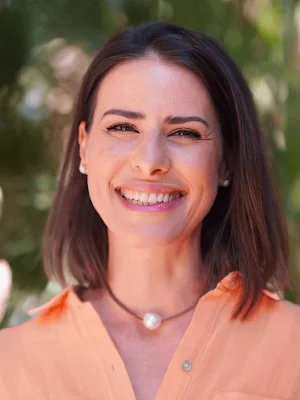
Deena Emera
Buck Institute
Senior Scientist
•
-
Human Health
Engineering Reproduction
From AI-powered drug discovery to genomic selection and ovarian longevity — one of the most technically complex and ethically charged frontiers in biotech.The biology of reproduction has always carried the weight of the human story. Now it carries the weight of the possible.Ovarian aging is being mapped at the molecular level. Genomic selection is moving from research settings into clinical practice. AI is accelerating drug discovery for conditions that have been chronically underfunded and chronically misunderstood. The tools exist. The data is accumulating. The ethical frameworks are being written in real time — by the scientists in this room.
Get a Ticket
Featuring
Lauren Avenius
Node Labs
CEO
Maria Lence
For Women's Health
CEO & Founder
Deena Emera
Buck Institute
Senior Scientist