Γ

Advance Discount Ends Thursday, December 31

Advance Discount Ends Thursday, December 31

From oncology to aging: the therapies rewriting disease at the mechanism.

SynBioBeta 2027 May 3-6, San Jose, California

  • var(--variable-xyeEn_rYM)

    Karen 

    Akinsanya

    Schrodinger

    President, R&D – Therapeutics

  • var(--variable-xyeEn_rYM)

    Reagan

    Jarvis

    Anocca AB

    CEO, Co-founder

  • var(--variable-xyeEn_rYM)

    Christopher

    Arendt

    Takeda

    CSO, Head of Research
  • var(--variable-xyeEn_rYM)

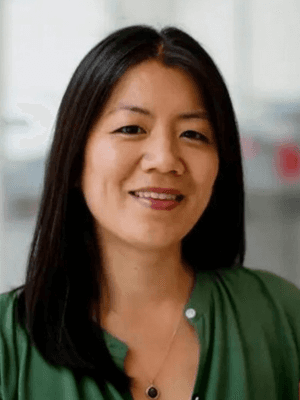
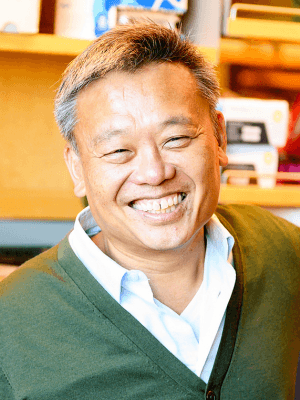
    Cynthia

    Hong

    Novartis

    Dir., Search & Evaluation
  • var(--variable-xyeEn_rYM)

    Wendell

    Lim

    University of California, San Francisco

    Professor

  • var(--variable-xyeEn_rYM)

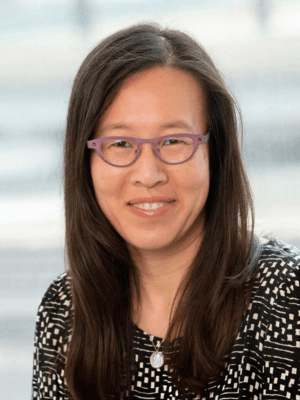
    Daniyal

    Hussain

    GSK

    Exec. Dir., Tech BD
  • var(--variable-xyeEn_rYM)

    Sarah Lynn

    Tao

    CSL Behring

    Sr. Dir., S&E; Ig TA & Tech Lead

  • var(--variable-xyeEn_rYM)

    Ziwei

    Liang

    Pfizer

    Innovation Fellow & Director

  • var(--variable-xyeEn_rYM)

    Brendon

    Boot

    Skin2Neuron

    CEO

  • var(--variable-xyeEn_rYM)

    Alan

    Tomusiak

    Permanence Bio

    CEO and Founder

Three panellists on the SynBioBeta main stage, the speaker in the middle gesturing while answering

Human Health & Longevity

Medicine is shifting from managing disease to reprogramming it.

In oncology, that means engineered cells and synthetic circuits built to find and destroy tumors that chemotherapy and targeted drugs still cannot durably clear. In cardiometabolic disease, it means one-time gene edits and engineered therapies aimed at the mechanism itself, where GLP-1s and statins leave non-responders on lifelong management.

In immunology, it means precision rather than blanket suppression, correcting immune dysfunction instead of muting it. In neurology, it means gene therapy, iPSC-derived cell replacement, and neural interfaces confronting the highest unmet need in medicine, where nearly every approved drug treats symptoms rather than neuronal loss.

And underneath all of it, cellular reprogramming and stem-cell-derived replacement are targeting aging biology directly, not just the diseases it produces.

This theme follows the logic across every organ system, and presses on what matters: which of these are becoming medicine, and which are still biology?

Where you’ll meet the people
building the next decade of medicine.

Where you’ll meet the people building the next decade of medicine.

Programmable Medicine: Oncology

Cancer remains the deadliest and most heavily researched disease category in medicine, and despite decades of chemotherapy and targeted therapy, many patients — particularly those with relapsed/refractory or solid tumor disease — still lack a durable, curative option. This track covers programmable approaches transforming cancer treatment: engineered CAR-T and TIL cell therapies, in vivo and ex vivo gene editing, oncolytic viral therapies, and synthetic gene circuits designed to selectively target and destroy tumor cells.

Programmable Medicine: Cognitive & Neuro Health

Neurodegenerative disease (Alzheimer’s, Parkinson’s) has one of the highest unmet-need burdens in medicine, with most approved therapies addressing symptoms, not underlying neuronal loss or protein pathology. This track covers programmable approaches to that gap: gene therapy, iPSC-derived neural cell replacement, and gene editing targeting neurodegenerative mechanisms directly — alongside emerging neurotechnology approaches, including neural interfaces and neurostimulation, expanding what’s possible for restoring cognitive and neurological function.

Programmable Medicine: CardioMetabolic Health

Cardiovascular disease and metabolic dysfunction are deeply intertwined — obesity, diabetes, and NAFLD/MASH are major drivers of cardiovascular risk, and many patients with genetic lipid disorders or structural heart disease have no curative option today, just as GLP-1s and other small molecules fail to durably fix metabolic disease for non-responders. This track covers programmable approaches across both: in vivo gene editing (e.g., ANGPTL3/LPA targeting), synthetic gene circuits for cardiac repair and metabolic regulation, engineered CAR-T for fibrosis reversal, and cell and gene therapies designed for durable, mechanism-targeted control rather than chronic management.

Programmable Healthspan: Cellular Replacement & Reprogramming

Aging-related decline — tissue loss, senescent cell accumulation, organ degeneration — has no approved disease-modifying treatment, only interventions for its downstream diseases. This track covers the technologies aiming at aging biology itself: cellular reprogramming (epigenetic rejuvenation), stem-cell-derived replacement therapies, and related platforms designed to restore function rather than just manage decline.

Programmable Medicine: Immune Health

Autoimmune and chronic inflammatory disease patients often cycle through immunosuppressants that treat symptoms broadly rather than correcting the underlying immune dysfunction, with significant side-effect burden. This track covers programmable immune approaches: engineered CAR-T/Treg therapies, synthetic circuits for targeted immune modulation, and next-gen platforms designed for precision over blanket suppression.

Programmable Medicine: Oncology

Cancer remains the deadliest and most heavily researched disease category in medicine, and despite decades of chemotherapy and targeted therapy, many patients — particularly those with relapsed/refractory or solid tumor disease — still lack a durable, curative option. This track covers programmable approaches transforming cancer treatment: engineered CAR-T and TIL cell therapies, in vivo and ex vivo gene editing, oncolytic viral therapies, and synthetic gene circuits designed to selectively target and destroy tumor cells.

Programmable Medicine: CardioMetabolic Health

Cardiovascular disease and metabolic dysfunction are deeply intertwined — obesity, diabetes, and NAFLD/MASH are major drivers of cardiovascular risk, and many patients with genetic lipid disorders or structural heart disease have no curative option today, just as GLP-1s and other small molecules fail to durably fix metabolic disease for non-responders. This track covers programmable approaches across both: in vivo gene editing (e.g., ANGPTL3/LPA targeting), synthetic gene circuits for cardiac repair and metabolic regulation, engineered CAR-T for fibrosis reversal, and cell and gene therapies designed for durable, mechanism-targeted control rather than chronic management.

Programmable Medicine: Immune Health

Autoimmune and chronic inflammatory disease patients often cycle through immunosuppressants that treat symptoms broadly rather than correcting the underlying immune dysfunction, with significant side-effect burden. This track covers programmable immune approaches: engineered CAR-T/Treg therapies, synthetic circuits for targeted immune modulation, and next-gen platforms designed for precision over blanket suppression.

Programmable Medicine: Cognitive & Neuro Health

Neurodegenerative disease (Alzheimer’s, Parkinson’s) has one of the highest unmet-need burdens in medicine, with most approved therapies addressing symptoms, not underlying neuronal loss or protein pathology. This track covers programmable approaches to that gap: gene therapy, iPSC-derived neural cell replacement, and gene editing targeting neurodegenerative mechanisms directly — alongside emerging neurotechnology approaches, including neural interfaces and neurostimulation, expanding what’s possible for restoring cognitive and neurological function.

Programmable Healthspan: Cellular Replacement & Reprogramming

Aging-related decline — tissue loss, senescent cell accumulation, organ degeneration — has no approved disease-modifying treatment, only interventions for its downstream diseases. This track covers the technologies aiming at aging biology itself: cellular reprogramming (epigenetic rejuvenation), stem-cell-derived replacement therapies, and related platforms designed to restore function rather than just manage decline.

Programmable Medicine: Oncology

Cancer remains the deadliest and most heavily researched disease category in medicine, and despite decades of chemotherapy and targeted therapy, many patients — particularly those with relapsed/refractory or solid tumor disease — still lack a durable, curative option. This track covers programmable approaches transforming cancer treatment: engineered CAR-T and TIL cell therapies, in vivo and ex vivo gene editing, oncolytic viral therapies, and synthetic gene circuits designed to selectively target and destroy tumor cells.

Programmable Medicine: Cognitive & Neuro Health

Neurodegenerative disease (Alzheimer’s, Parkinson’s) has one of the highest unmet-need burdens in medicine, with most approved therapies addressing symptoms, not underlying neuronal loss or protein pathology. This track covers programmable approaches to that gap: gene therapy, iPSC-derived neural cell replacement, and gene editing targeting neurodegenerative mechanisms directly — alongside emerging neurotechnology approaches, including neural interfaces and neurostimulation, expanding what’s possible for restoring cognitive and neurological function.

Programmable Medicine: CardioMetabolic Health

Cardiovascular disease and metabolic dysfunction are deeply intertwined — obesity, diabetes, and NAFLD/MASH are major drivers of cardiovascular risk, and many patients with genetic lipid disorders or structural heart disease have no curative option today, just as GLP-1s and other small molecules fail to durably fix metabolic disease for non-responders. This track covers programmable approaches across both: in vivo gene editing (e.g., ANGPTL3/LPA targeting), synthetic gene circuits for cardiac repair and metabolic regulation, engineered CAR-T for fibrosis reversal, and cell and gene therapies designed for durable, mechanism-targeted control rather than chronic management.

Programmable Healthspan: Cellular Replacement & Reprogramming

Aging-related decline — tissue loss, senescent cell accumulation, organ degeneration — has no approved disease-modifying treatment, only interventions for its downstream diseases. This track covers the technologies aiming at aging biology itself: cellular reprogramming (epigenetic rejuvenation), stem-cell-derived replacement therapies, and related platforms designed to restore function rather than just manage decline.

Programmable Medicine: Immune Health

Autoimmune and chronic inflammatory disease patients often cycle through immunosuppressants that treat symptoms broadly rather than correcting the underlying immune dysfunction, with significant side-effect burden. This track covers programmable immune approaches: engineered CAR-T/Treg therapies, synthetic circuits for targeted immune modulation, and next-gen platforms designed for precision over blanket suppression.

Meet the Sponsors & Exhibitors

Why People Keep Coming Back

Image

”

SynBioBeta is a who’s who of AI and biology. This is where the future is being built, so don't miss it.

Eric Schmidt

Former CEO

Image
Image

”

Nabla was accelerated into existence because of SynBioBeta. I met Seth Bannon from 50 Years, Cee Cee Schnugg from Boom Capital, and others from Y Combinator there, and those same people seeded Nabla. The vibe, leverage, and energy at SynBioBeta are unreal.

Surge Biswas

Founder

Image
Image

”

I met Algen at SynBioBeta and later invested in the company. It's exactly the kind of connection that makes the community so valuable.

Bill Tai

Co-founder

Image
Image

”

For every single fund at Boom Capital, one of our best companies has come directly from SynBioBeta. I met Mammoth Bio at SynBioBeta, and I met Nabla Bio at SynBioBeta.

Celestine Schnugg

Founder

Image
Main Stage Panel

Human Health & Longevity

Sessions Coming soon

Featuring

Speaker Coming Soon

Main Stage Panel

Human Health & Longevity

Sessions Coming soon

Featuring

Speaker Coming Soon

Red watercolour illustration of a folded protein ribbon, the Human Health & Longevity theme mark

Secure Your Spot in the Exhibit Hall

Do Business with the CEOs, Executives, and Investors
Driving the Global Bioeconomy

Do Business with the CEOs, Executives, and Investors Driving the Global Bioeconomy

SynBioBeta logo sticker

Join for

Event Updates

Be the first to know about speakers, topics, and event highlights.

May 3-6,

2027

San Jose Convention Center

California, USA

Red watercolour illustration of a folded protein ribbon, the Human Health & Longevity theme mark