Γ

SynBioBeta Speaker

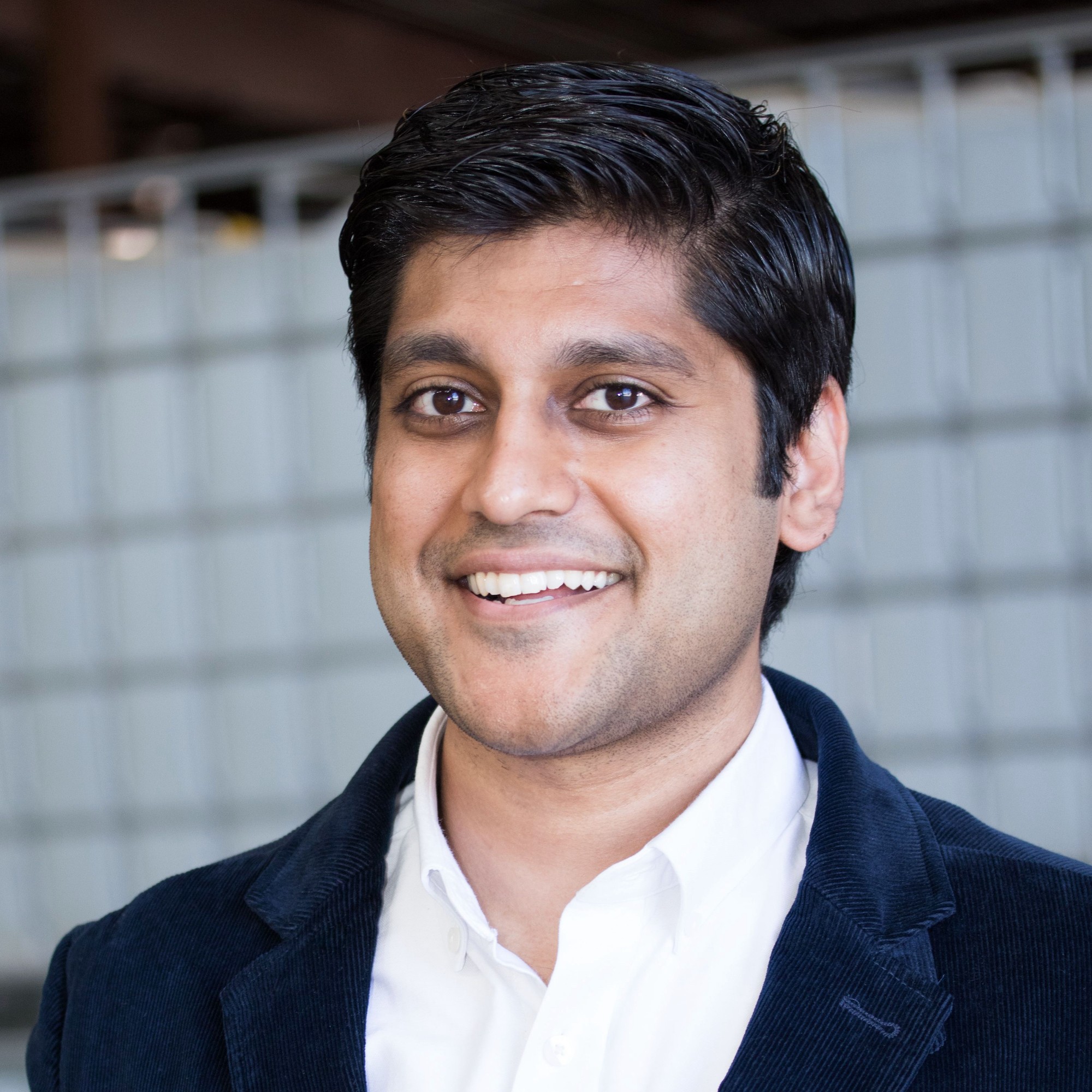
Ali Madani

Profluent

CEO

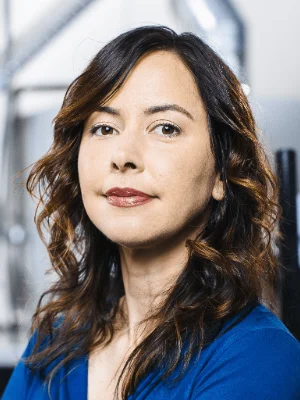
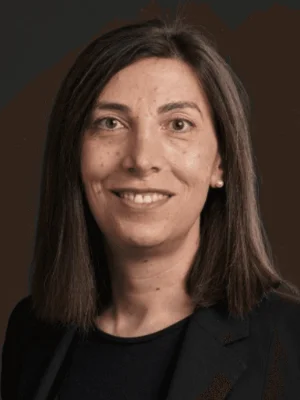
Ali Madani is the founder and CEO of Profluent, an AI company developing large language models (LLMs) to design proteins from scratch. Trained as a machine learning researcher, Ali has a PhD from UC Berkeley and led the ProGen project at Salesforce AI Research, the first demonstration that LLMs can generate functional proteins. He founded Profluent in 2022; the company has since raised $150M from investors including Altimeter, Jeff Bezos, Spark, Insight, and Air Street Capital and counts the world's leading pharma, agriculture, and life sciences companies as partners. Ali's research has been published in Nature, Nature Biotech, NeurIPS, ICLR and has been covered in the NYTimes, WSJ, Fortune, TechCrunch, Forbes, BBC, Endpoints, and Axios.

Sessions Featuring

Ali

This Year

Breakout Session

4:30 PM

-

5:15 PM

Human Health

Synthetic Evolution: Reprogramming Genomes to Accelerate Biological Discovery

For billions of years, evolution has been biology’s most powerful search engine. Now researchers are beginning to redesign that engine itself. From orthogonal replication systems like OrthoRep to synthetic genomes, programmable mutation systems, and continuous evolution platforms, new tools are making it possible to evolve biological function with unprecedented speed, control, and scale. This session explores how synthetic evolution is becoming a core technology of programmable biology. Speakers will examine how engineered replication, genome-scale design, and AI-informed selection strategies are expanding the range of molecules, pathways, and phenotypes that can be discovered in the lab. By moving from passively observing evolution to actively directing it, scientists are opening a new frontier where genomes are not just edited, but built and evolved as programmable systems.
Breakout Session

4:30 PM

-

5:15 PM

Human Health

Synthetic Evolution: Reprogramming Genomes to Accelerate Biological Discovery

For billions of years, evolution has been biology’s most powerful search engine. Now researchers are beginning to redesign that engine itself. From orthogonal replication systems like OrthoRep to synthetic genomes, programmable mutation systems, and continuous evolution platforms, new tools are making it possible to evolve biological function with unprecedented speed, control, and scale. This session explores how synthetic evolution is becoming a core technology of programmable biology. Speakers will examine how engineered replication, genome-scale design, and AI-informed selection strategies are expanding the range of molecules, pathways, and phenotypes that can be discovered in the lab. By moving from passively observing evolution to actively directing it, scientists are opening a new frontier where genomes are not just edited, but built and evolved as programmable systems.

TBD

Session lineup still growing

Featuring

Speaker Coming Soon

Fireside Chat

12:00 AM

-

8:30 AM

Human Health

From Cells to Patients: Solving the Scale Mismatch in Virtual Biology

Drug discovery often measures biology at the cell level while interventions work at the tissue, organ, or whole-patient scale. This mismatch can make accurate cell-level predictions irrelevant in the clinic. This session dives into strategies to bridge that gap: multiscale modeling that nests single-cell dynamics within organ-level simulations, spatial transcriptomics that preserve context, and surrogate models that translate cell-level outputs into clinical biomarkers. Speakers will ask: how do we ensure virtual biology reflects not just what cells do in isolation, but how biology behaves in the real complexity of patients?

Featuring

Speaker Coming Soon

Previous Speakers Include