SynBioBeta Speaker

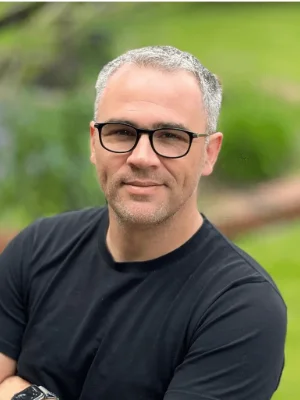
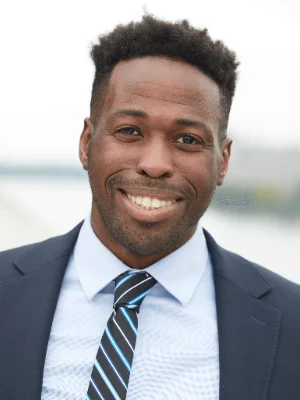
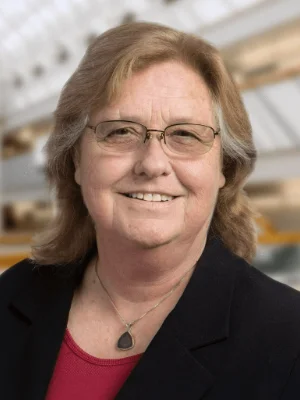
Colwyn Headley

Stanford University

Instructor

Dr. Colwyn Headley is an Instructor & Junior Faculty Member in the Division of Cardiovascular Medicine at Stanford University School of Medicine. He earned his B.S. in Microbiology and Ph.D. in Biomedical Sciences - Immunology from The Ohio State University, followed by a Postdoctoral Fellowship in Cardiovascular Medicine at Stanford University.Dr. Headley’s research focuses on the intersection of aging-associated mitochondrial dysfunction and immune regulation, aiming to uncover novel mechanisms underlying immune-mediated cardiovascular diseases, such as abdominal aortic aneurysms and peripheral artery disease. His work leverages innovative approaches in mitochondrial bio-engineering and transplantation, with an emphasis on enhancing mitochondrial function and cellular metabolism to restore immune and vascular health in aging and disease.

SynBioBeta 2026 Tickets are Live

Confirmed Speakers

Sessions Featuring

Colwyn

This Year

Breakout Session

4:30 PM

-

5:15 PM

Longevity

Mitochondrial transplantation and genome editing: engineering the metabolic engine of complex life

Mitochondria are often pigeon-holed as the "powerhouse of the cell", giving the false impression that their primary role is as an ATP generator passively responding to the energetic demands of their environment. This is far from the truth. The mitochondria exist as a dynamic network that senses, integrates, and transduces biochemical, energetic, and physical signals, and these signals shape cell fate, lifespan, cancer risk, and more. This session explores emerging tools and methods to edit the small, maternally-inherited, circular mitochondrial genome present in dozens-to-hundreds of copies per cell as a means to prevent mitochondrial disease and optimize metabolic fitness. Additionally, we will discuss the promise of mitochondrial transplantation methodologies as a therapeutic intervention and to discuss the possible routes for mitochondrial metabolic engineering and a range of synthetic developments.
Purchase Pass

Breakout Session

4:30 PM

-

5:15 PM

Longevity

Mitochondrial transplantation and genome editing: engineering the metabolic engine of complex life

Mitochondria are often pigeon-holed as the "powerhouse of the cell", giving the false impression that their primary role is as an ATP generator passively responding to the energetic demands of their environment. This is far from the truth. The mitochondria exist as a dynamic network that senses, integrates, and transduces biochemical, energetic, and physical signals, and these signals shape cell fate, lifespan, cancer risk, and more. This session explores emerging tools and methods to edit the small, maternally-inherited, circular mitochondrial genome present in dozens-to-hundreds of copies per cell as a means to prevent mitochondrial disease and optimize metabolic fitness. Additionally, we will discuss the promise of mitochondrial transplantation methodologies as a therapeutic intervention and to discuss the possible routes for mitochondrial metabolic engineering and a range of synthetic developments.

Purchase Pass

TBD

Session lineup still growing

Purchase Pass

Featuring

Speaker Coming Soon

Fireside Chat

12:00 AM

-

8:30 AM

Human Health

From Cells to Patients: Solving the Scale Mismatch in Virtual Biology

Drug discovery often measures biology at the cell level while interventions work at the tissue, organ, or whole-patient scale. This mismatch can make accurate cell-level predictions irrelevant in the clinic. This session dives into strategies to bridge that gap: multiscale modeling that nests single-cell dynamics within organ-level simulations, spatial transcriptomics that preserve context, and surrogate models that translate cell-level outputs into clinical biomarkers. Speakers will ask: how do we ensure virtual biology reflects not just what cells do in isolation, but how biology behaves in the real complexity of patients?

Purchase Pass

Featuring

Speaker Coming Soon

Previous Speakers Include