SynBioBeta Speaker
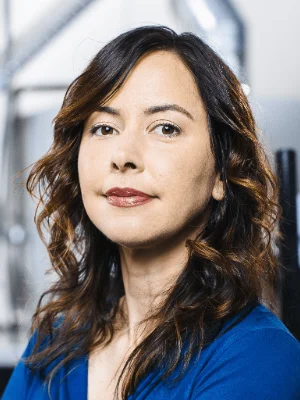
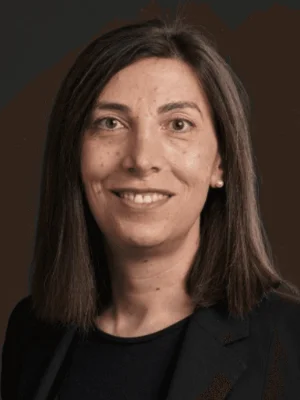
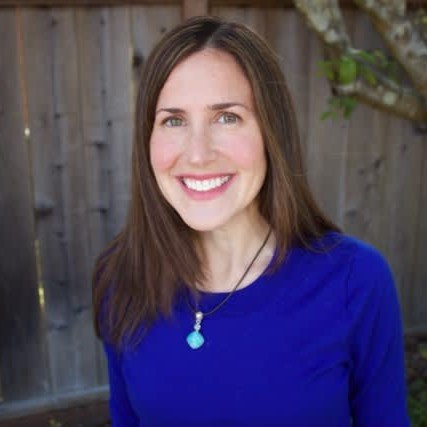
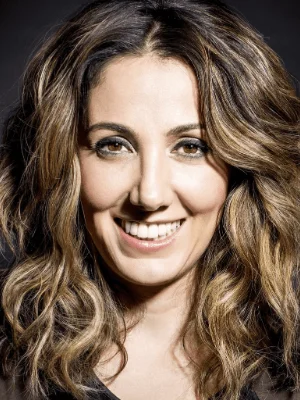
Mariëlle van Kooten
Powerhouse Bio
CEO
Mariëlle is a synthetic systems biologist and mitochondrial engineer trained at ETH Zurich and Stanford University. She strongly believes in employing synthetic biology for human enhancement, in which novel sequences from other organisms are incorporated to engineer novel traits inspired by evolutionarily divergent systems. Her startup Powerhouse Biology seeks to redefine the frontiers of synthetic biology and advance health in the aging US population.


Sessions Featuring
Mariëlle
This Year
•
-
Longevity
Mitochondrial Transplantation and Genome Editing: Engineering the Metabolic Engine of Complex Life
Mitochondria are often pigeon-holed as the "powerhouse of the cell", giving the false impression that their primary role is as an ATP generator passively responding to the energetic demands of their environment. This is far from the truth. The mitochondria exist as a dynamic network that senses, integrates, and transduces biochemical, energetic, and physical signals, and these signals shape cell fate, lifespan, cancer risk, and more. This session explores emerging tools and methods to edit the small, maternally-inherited, circular mitochondrial genome present in dozens-to-hundreds of copies per cell as a means to prevent mitochondrial disease and optimize metabolic fitness. Additionally, we will discuss the promise of mitochondrial transplantation methodologies as a therapeutic intervention and to discuss the possible routes for mitochondrial metabolic engineering and a range of synthetic developments.
Featuring
Mariëlle van Kooten
Powerhouse Bio
CEO
Mitochondrial bioengineer
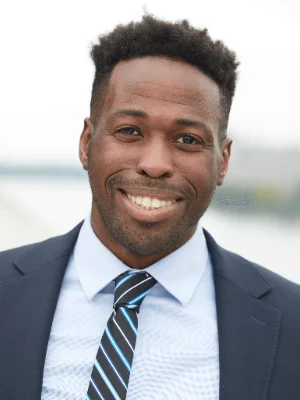
Colwyn Headley
Stanford University
Instructor
Mitochondrial-transplantation researcher targetting aging-immune heart disease
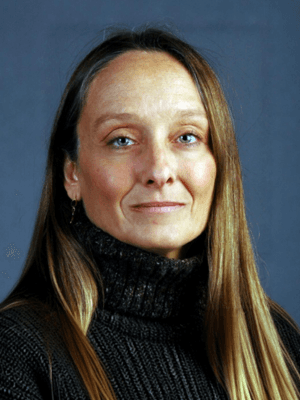
Cecilia Giulivi
UC Davis
Professor
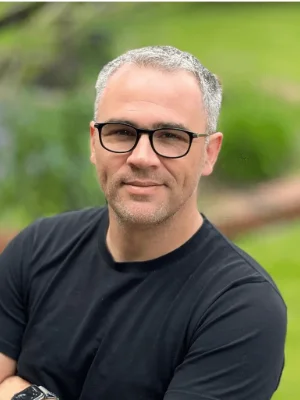
Ryan Olf
ARIA
Programme Director
Physicist chasing moonshots from quantum gases to biotech.
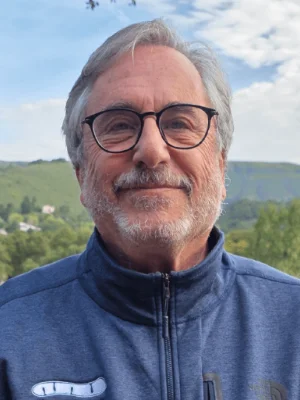
Gordon Freedman
MitoWorld
Publisher
Mitochondrial-medicine ecosystem builder
•
-
Longevity
Mitochondrial Transplantation and Genome Editing: Engineering the Metabolic Engine of Complex Life
Mitochondria are often pigeon-holed as the "powerhouse of the cell", giving the false impression that their primary role is as an ATP generator passively responding to the energetic demands of their environment. This is far from the truth. The mitochondria exist as a dynamic network that senses, integrates, and transduces biochemical, energetic, and physical signals, and these signals shape cell fate, lifespan, cancer risk, and more. This session explores emerging tools and methods to edit the small, maternally-inherited, circular mitochondrial genome present in dozens-to-hundreds of copies per cell as a means to prevent mitochondrial disease and optimize metabolic fitness. Additionally, we will discuss the promise of mitochondrial transplantation methodologies as a therapeutic intervention and to discuss the possible routes for mitochondrial metabolic engineering and a range of synthetic developments.
Featuring
Mariëlle van Kooten
Powerhouse Bio
CEO
Mitochondrial bioengineer
Colwyn Headley
Stanford University
Instructor
Mitochondrial-transplantation researcher targetting aging-immune heart disease
Cecilia Giulivi
UC Davis
Professor
Ryan Olf
ARIA
Programme Director
Physicist chasing moonshots from quantum gases to biotech.
Gordon Freedman
MitoWorld
Publisher
Mitochondrial-medicine ecosystem builder
Session lineup still growing
Featuring
Speaker Coming Soon
•
-
Human Health
From Cells to Patients: Solving the Scale Mismatch in Virtual Biology
Drug discovery often measures biology at the cell level while interventions work at the tissue, organ, or whole-patient scale. This mismatch can make accurate cell-level predictions irrelevant in the clinic. This session dives into strategies to bridge that gap: multiscale modeling that nests single-cell dynamics within organ-level simulations, spatial transcriptomics that preserve context, and surrogate models that translate cell-level outputs into clinical biomarkers. Speakers will ask: how do we ensure virtual biology reflects not just what cells do in isolation, but how biology behaves in the real complexity of patients?
Featuring
Speaker Coming Soon