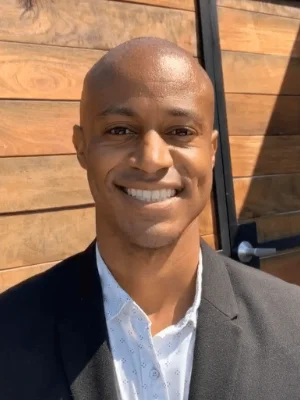
SynBioBeta Speaker
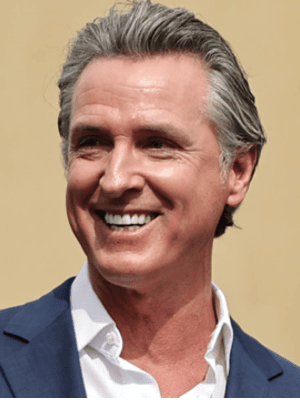
Kyle Daniels
Stanford University
Assistant Professor
The Daniels lab uses synthetic biology and machine learning approaches to engineer immune cells with enhanced therapeutic potential. We're especially interested in how receptor structural elements (such as signaling motifs) can be recombined to alter cell state. By studying the flow of information from receptor structure to cell signaling to gene expression to cell state, we hope to repurpose an ancient natural programming language to program cells to user-defined cell states.


Sessions Featuring
Kyle
This Year
•
-
Human Health
Programmable T Cells: Engineering Living Immune Systems
T cells are evolving from targeted killers into fully programmable cellular systems. Advances in synthetic biology, AI-driven receptor design, and genome-scale datasets are enabling immune cells that not only recognize disease, but sense context, compute signals, adapt over time, and execute coordinated responses inside the body. This session brings together leaders across academia and industry to explore how next-generation CAR and TCR design, structural modeling, and large biological foundation models are reshaping immune engineering. Beyond receptor optimization, we will examine logic circuits, combinatorial sensing systems, control layers, and in vivo reprogramming strategies that transform T cells into dynamic therapeutic platforms. As immune cell engineering moves toward off-the-shelf products and in vivo editing approaches, we will address the deeper architectural questions: How do we design cells that avoid exhaustion, function within hostile tumor microenvironments, and maintain safety over time? What does it mean to treat T cells as living software systems? And how do we build programmable immune therapies that are scalable, durable, and globally accessible?
Featuring
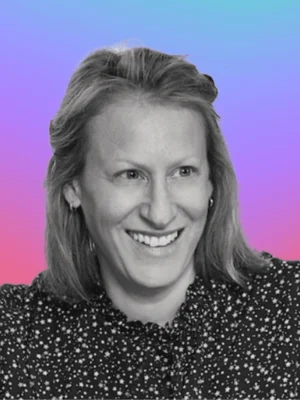
Lilly Wollman
Synteny
CEO & Co founder
From growth equity to gen-AI T-cell engineering.
Kyle Daniels
Stanford University
Assistant Professor
Engineering immune-cell “programmable receptors” with synbio + machine learning.
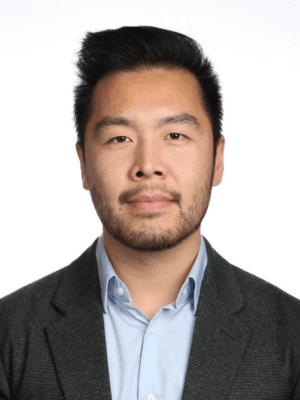
Connor Tsuchida
Azalea Therapeutics
Scientific Co-founder, VP, R&D
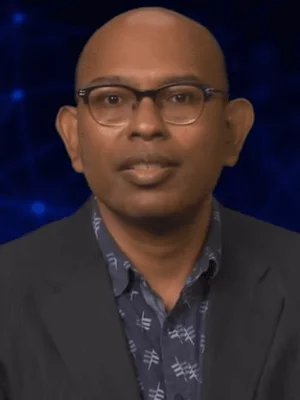
Abhishek Singharoy
ASU
Professor
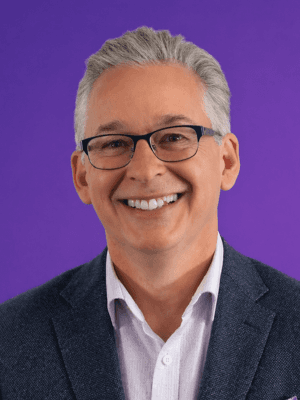
John Robson
BioOra
Managing Director
Deep-tech investor turned CAR-T scale-up leader.
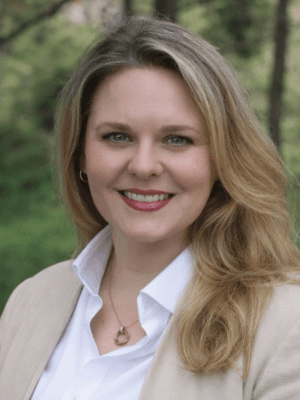
Victoria Mascetti
University of Bristol
Assistant Professor
Stem-cell biologist translating regeneration into real therapies.
•
-
Human Health
Programmable T Cells: Engineering Living Immune Systems
T cells are evolving from targeted killers into fully programmable cellular systems. Advances in synthetic biology, AI-driven receptor design, and genome-scale datasets are enabling immune cells that not only recognize disease, but sense context, compute signals, adapt over time, and execute coordinated responses inside the body. This session brings together leaders across academia and industry to explore how next-generation CAR and TCR design, structural modeling, and large biological foundation models are reshaping immune engineering. Beyond receptor optimization, we will examine logic circuits, combinatorial sensing systems, control layers, and in vivo reprogramming strategies that transform T cells into dynamic therapeutic platforms. As immune cell engineering moves toward off-the-shelf products and in vivo editing approaches, we will address the deeper architectural questions: How do we design cells that avoid exhaustion, function within hostile tumor microenvironments, and maintain safety over time? What does it mean to treat T cells as living software systems? And how do we build programmable immune therapies that are scalable, durable, and globally accessible?
Featuring
Lilly Wollman
Synteny
CEO & Co founder
From growth equity to gen-AI T-cell engineering.
Kyle Daniels
Stanford University
Assistant Professor
Engineering immune-cell “programmable receptors” with synbio + machine learning.
Connor Tsuchida
Azalea Therapeutics
Scientific Co-founder, VP, R&D
Abhishek Singharoy
ASU
Professor
John Robson
BioOra
Managing Director
Deep-tech investor turned CAR-T scale-up leader.
Victoria Mascetti
University of Bristol
Assistant Professor
Stem-cell biologist translating regeneration into real therapies.
Session lineup still growing
Featuring
Speaker Coming Soon
•
-
Human Health
From Cells to Patients: Solving the Scale Mismatch in Virtual Biology
Drug discovery often measures biology at the cell level while interventions work at the tissue, organ, or whole-patient scale. This mismatch can make accurate cell-level predictions irrelevant in the clinic. This session dives into strategies to bridge that gap: multiscale modeling that nests single-cell dynamics within organ-level simulations, spatial transcriptomics that preserve context, and surrogate models that translate cell-level outputs into clinical biomarkers. Speakers will ask: how do we ensure virtual biology reflects not just what cells do in isolation, but how biology behaves in the real complexity of patients?
Featuring
Speaker Coming Soon