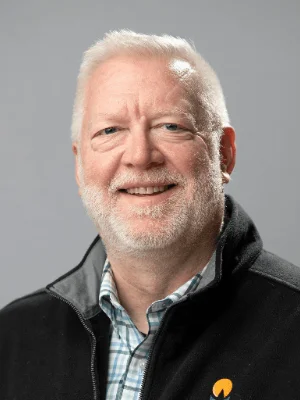
SynBioBeta Speaker
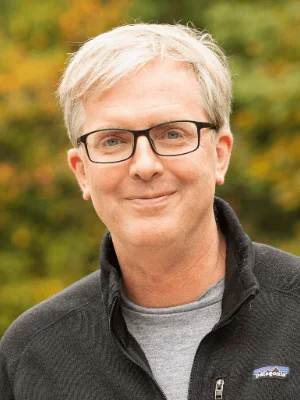
Michael Gay
Univ. of Wisconsin CDR
Tech Transfer/Bus Dev
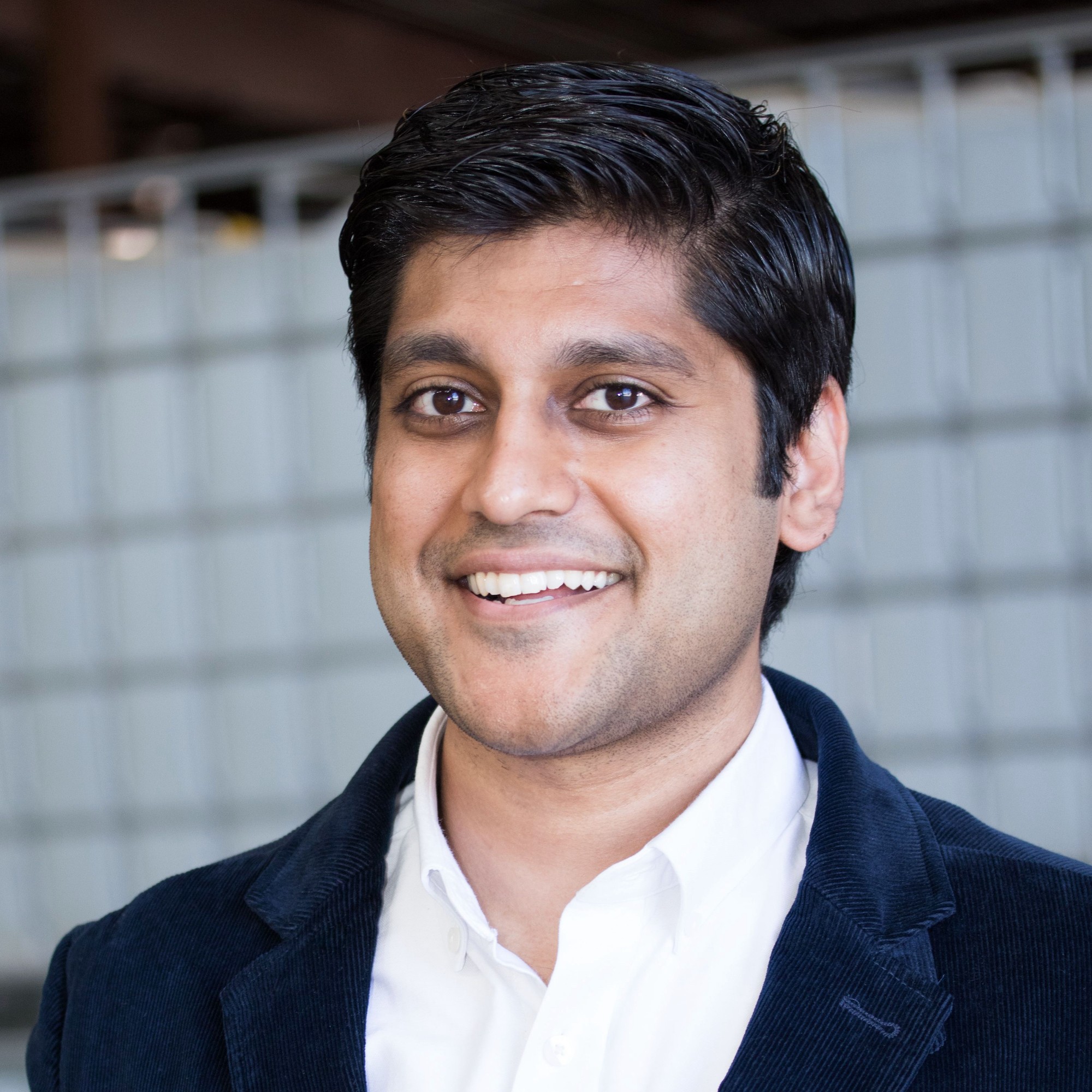
Michael P. Gay, CEcD, is a passionate leader driving sustainability, innovation and entrepreneurship at the University of Wisconsin’s Center for Dairy Research (CDR) with a focus on fostering strategic partnerships, finding new technologies and unlocking funding partnerships for the dairy industry. Michael collaborates with industry leaders, startups, researchers, and technologists to propel dairy innovation. His expertise inside the dairy supply chain lies in advancing the circular bioeconomy, emphasizing carbon-neutral, climate-smart, and sustainable initiatives and innovations. Through the CDR's groundbreaking $73M pilot plant and US EDA funded ABID accelerator, Michael is helping transform dairy by-products through bio-fermentation scale up into cutting-edge solutions such as platform chemicals, biobased and biodegradable packaging, natural food ingredients, and green chemicals as alternatives to petrochemicals. Bringing over 35 years of business and economic development experience, Michael has held leadership roles including Chief of Business Development for Invest Puerto Rico, Acting CEO of Madison Region Economic Partnership (MadREP), Director of the Center for New Ventures at UW-Platteville, Manager of Business Development for the City of Madison, and Team Leader and Office Manager at MSA Professional Services, Inc. Michael is an internationally Certified Economic Developer (CEcD) by the IEDC, has a MS from University of Wisconsin-Madison, did his thesis research at the Universidad Javeriana Pontificia in Bogota, and has a BS from the University of Wisconsin-Green Bay.