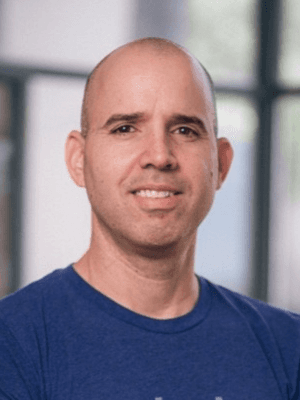
SynBioBeta Speaker
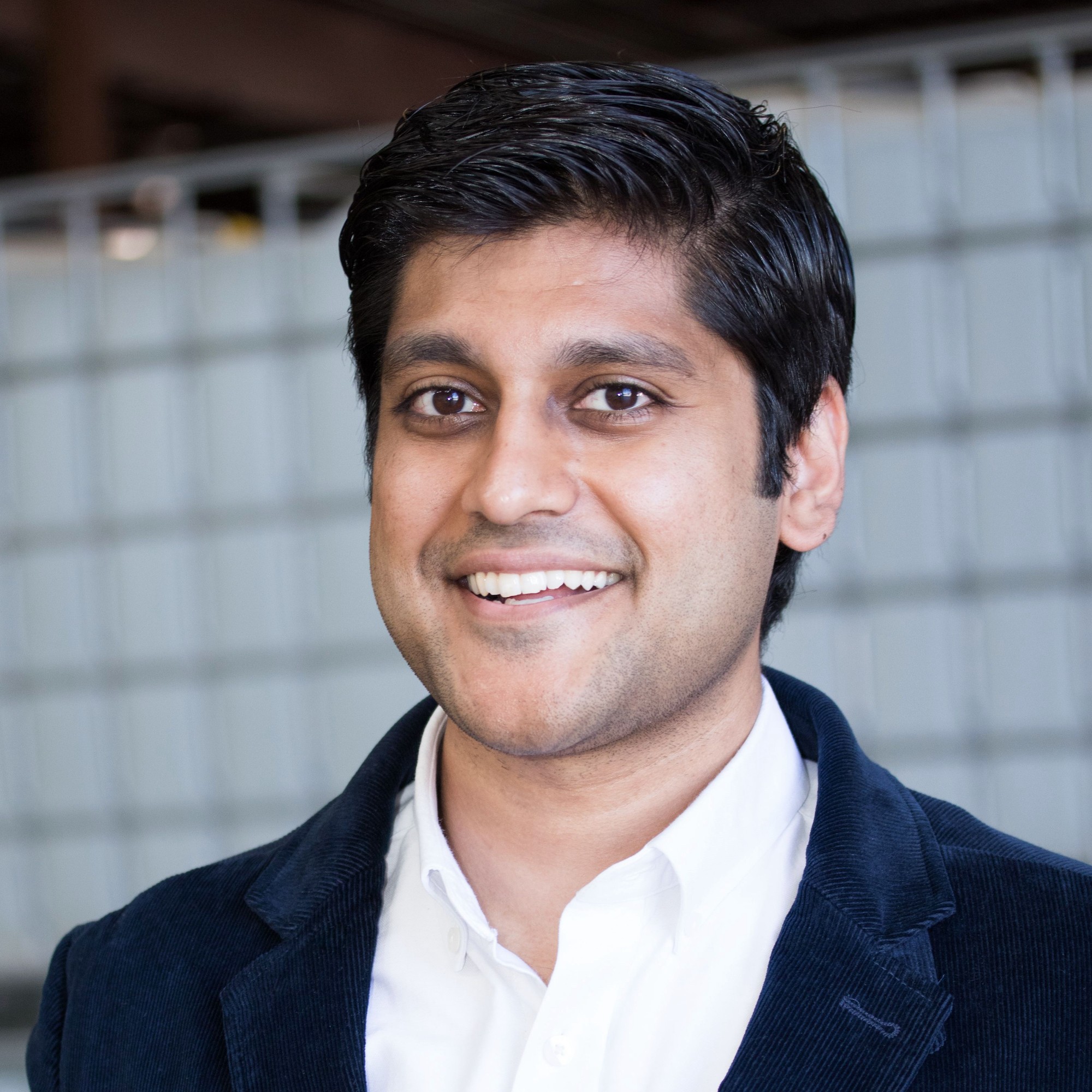
Omri Amirav-Drory
NFX
General Partner
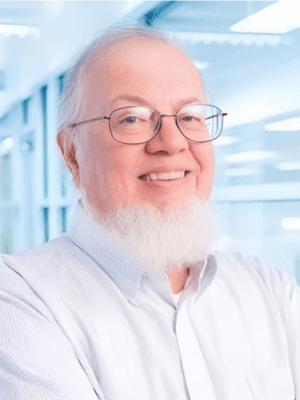
Omri Amirav-Drory, Ph.D. is the General Partner at NFX Bio. He is a scientist and an operator who has founded, scaled, and invested in some of today’s most important techbio companies. Before becoming an investor, Omri was the Founding CEO of Genome Compiler, which developed software for genetic engineers and molecular and synthetic biologists. He led the company to a successful acquisition by Twist Bioscience, a next-generation DNA synthesis company currently valued at ~$2.5 Billion. Omri stayed at Twist for almost three years after the acquisition as the Head of Corporate Development. After leaving Twist, Omri became the Founding Partner at Tech.Bio where he invested and advised in companies like Mammoth Biosciences, immunai, C2i Genomics, and more. Now as an investor, Omri understands what it means to be a Scientist-CEO and is committed to a future where this is the norm, not the exception.


Sessions Featuring
Omri
This Year
•
-
General
Bold VC Perspectives: How Biotech Gets Funded Today
A curated lineup of leading biotech VCs, each delivering a 5-minute rapid-fire briefing covering: fund focus, investment thesis, selection process, and their most actionable advice for fundraising in the current market
Featuring
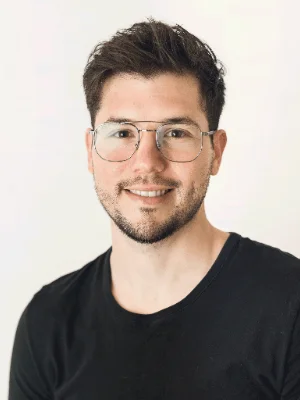
Ivan Jaubert
SynBioBeta
Director of Entrepreneurship
Startup-ecosystem builder connecting founders, investors, and corporates.
Omri Amirav-Drory
NFX
General Partner
Scientist-founder VC: built Genome Compiler, now backs techbio.
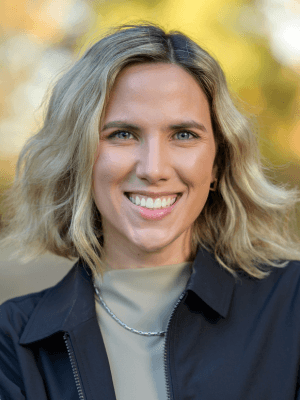
Blair Willette
KdT Ventures
Investor
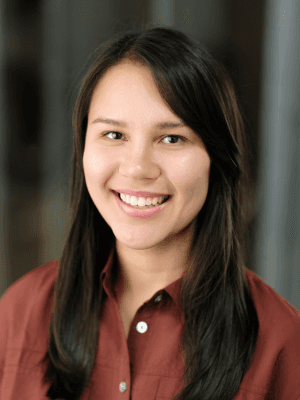
Nicole Sonnert
Playground Global
Investment Associate
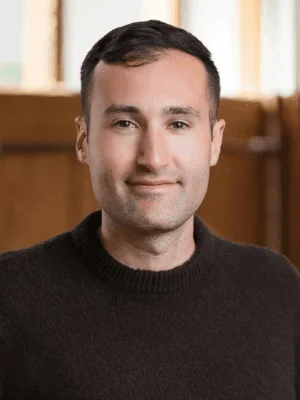
Elliot Hershberg
Amplify Partners
Partner, Author
Driving the Century of Biology
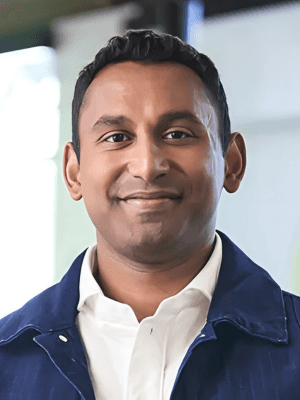
Rohan Ganesh
Obvious Ventures
Partner
•
-
General
Bold VC Perspectives: How Biotech Gets Funded Today
A curated lineup of leading biotech VCs, each delivering a 5-minute rapid-fire briefing covering: fund focus, investment thesis, selection process, and their most actionable advice for fundraising in the current market
Featuring
Ivan Jaubert
SynBioBeta
Director of Entrepreneurship
Startup-ecosystem builder connecting founders, investors, and corporates.
Omri Amirav-Drory
NFX
General Partner
Scientist-founder VC: built Genome Compiler, now backs techbio.
Blair Willette
KdT Ventures
Investor
Nicole Sonnert
Playground Global
Investment Associate
Elliot Hershberg
Amplify Partners
Partner, Author
Driving the Century of Biology
Rohan Ganesh
Obvious Ventures
Partner
•
-
Business of Biology
Investor Roundtable Luncheon
Once a year we put the investors in a room by themselves. No startups. No pitches. No slides. Just the people actually moving capital across biotech and synthetic biology, talking honestly about what they're seeing: what's working, what might be overhyped, and where the real opportunities are right now. It's the conversation you can't have when founders are listening. It's invitation-only and space is limited
Featuring
Omri Amirav-Drory
NFX
General Partner
Scientist-founder VC: built Genome Compiler, now backs techbio.
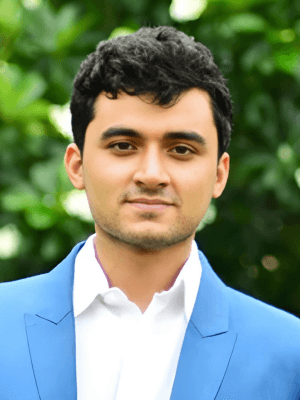
Vatshal Bhanushali
Genoa Ventures
Venture Associate
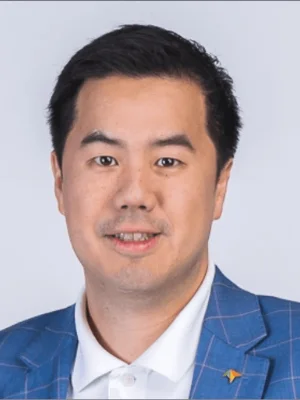
Kid Parchariyanon
SeaX Ventures
Managing Partner
Physician-turned VC backing exponential deeptech and synbio.
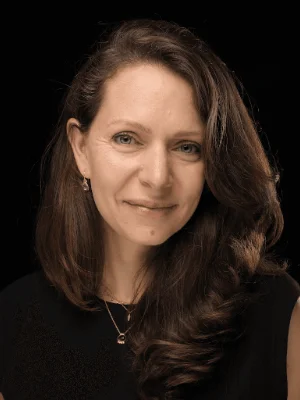
Elena Itskovich
Nest Catalyst
Partner
Scientist-investor building Nest Catalyst for biofounders.
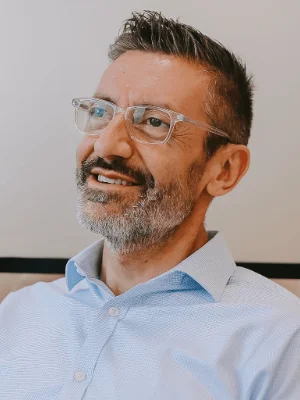
David Welch
Synthesis Capital
CSO & Co-founder
Alt-protein scientist-investor, ex-Good Food Institute tech strategist.
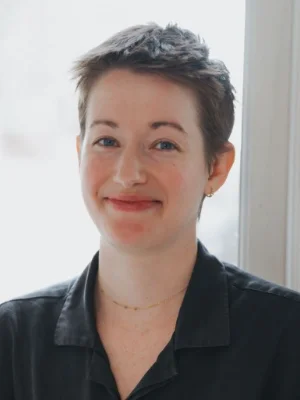
Shelby Newsad
Compound
Partner
Scientist-turned-investor funding bold biotech bets.
•
-
Business of Biology
Investor Roundtable Luncheon
Once a year we put the investors in a room by themselves. No startups. No pitches. No slides. Just the people actually moving capital across biotech and synthetic biology, talking honestly about what they're seeing: what's working, what might be overhyped, and where the real opportunities are right now. It's the conversation you can't have when founders are listening. It's invitation-only and space is limited
Featuring
Omri Amirav-Drory
NFX
General Partner
Scientist-founder VC: built Genome Compiler, now backs techbio.
Vatshal Bhanushali
Genoa Ventures
Venture Associate
Kid Parchariyanon
SeaX Ventures
Managing Partner
Physician-turned VC backing exponential deeptech and synbio.
Elena Itskovich
Nest Catalyst
Partner
Scientist-investor building Nest Catalyst for biofounders.
David Welch
Synthesis Capital
CSO & Co-founder
Alt-protein scientist-investor, ex-Good Food Institute tech strategist.
Shelby Newsad
Compound
Partner
Scientist-turned-investor funding bold biotech bets.
•
-
Business of Biology
Fueling the Bioeconomy: How Founders Can Unlock Government Capital to Build the Next Generation of Biotech
Venture capital alone is no longer enough to power the next wave of biotechnology innovation. Across health, biosecurity, climate, and advanced biomanufacturing, government agencies are emerging as catalytic partners, deploying billions in non-dilutive funding to accelerate high-risk, high-impact breakthroughs. But accessing this capital requires more than strong science. Founders must understand how agencies like ARPA-H, DARPA, BARDA, and others evaluate risk, define mission impact, and structure partnerships that bridge research and real-world deployment. This session brings together agency leaders, founders, and experienced operators to demystify how government funding actually works in today’s market. The panelists will explore how startups can position themselves for success, avoid common pitfalls in proposal development and contracting, and strategically leverage non-dilutive funding to extend runway, de-risk technology, and unlock new commercial pathways.
Featuring
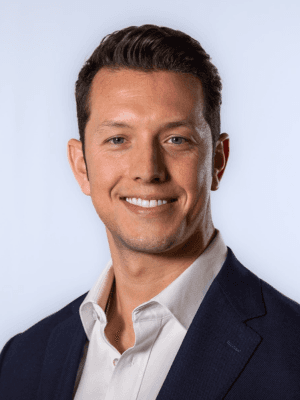
Ross Uhrich
ARPA-H
PM, Health Science Futures
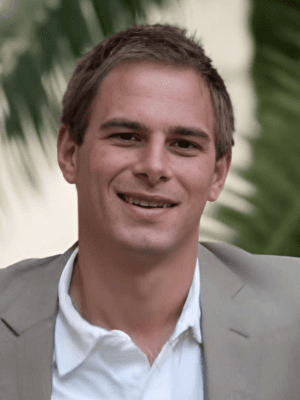
Robert Saperstein
DARPA
Deputy Director, BTO
Omri Amirav-Drory
NFX
General Partner
Scientist-founder VC: built Genome Compiler, now backs techbio.
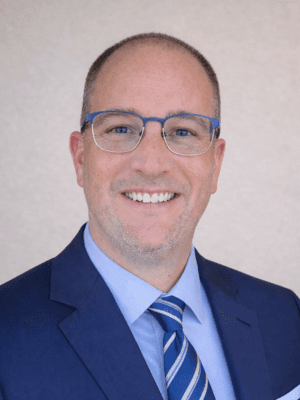
Daniel Gibbs
Cirsium Biosciences
CEO
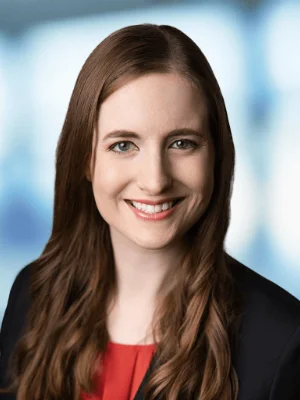
Laura Powell
EverGlade
Director
•
-
Business of Biology
Fueling the Bioeconomy: How Founders Can Unlock Government Capital to Build the Next Generation of Biotech
Venture capital alone is no longer enough to power the next wave of biotechnology innovation. Across health, biosecurity, climate, and advanced biomanufacturing, government agencies are emerging as catalytic partners, deploying billions in non-dilutive funding to accelerate high-risk, high-impact breakthroughs. But accessing this capital requires more than strong science. Founders must understand how agencies like ARPA-H, DARPA, BARDA, and others evaluate risk, define mission impact, and structure partnerships that bridge research and real-world deployment. This session brings together agency leaders, founders, and experienced operators to demystify how government funding actually works in today’s market. The panelists will explore how startups can position themselves for success, avoid common pitfalls in proposal development and contracting, and strategically leverage non-dilutive funding to extend runway, de-risk technology, and unlock new commercial pathways.
Featuring
Ross Uhrich
ARPA-H
PM, Health Science Futures
Robert Saperstein
DARPA
Deputy Director, BTO
Omri Amirav-Drory
NFX
General Partner
Scientist-founder VC: built Genome Compiler, now backs techbio.
Daniel Gibbs
Cirsium Biosciences
CEO
Laura Powell
EverGlade
Director
Session lineup still growing
Featuring
Speaker Coming Soon
•
-
Human Health
From Cells to Patients: Solving the Scale Mismatch in Virtual Biology
Drug discovery often measures biology at the cell level while interventions work at the tissue, organ, or whole-patient scale. This mismatch can make accurate cell-level predictions irrelevant in the clinic. This session dives into strategies to bridge that gap: multiscale modeling that nests single-cell dynamics within organ-level simulations, spatial transcriptomics that preserve context, and surrogate models that translate cell-level outputs into clinical biomarkers. Speakers will ask: how do we ensure virtual biology reflects not just what cells do in isolation, but how biology behaves in the real complexity of patients?
Featuring
Speaker Coming Soon