SynBioBeta Speaker
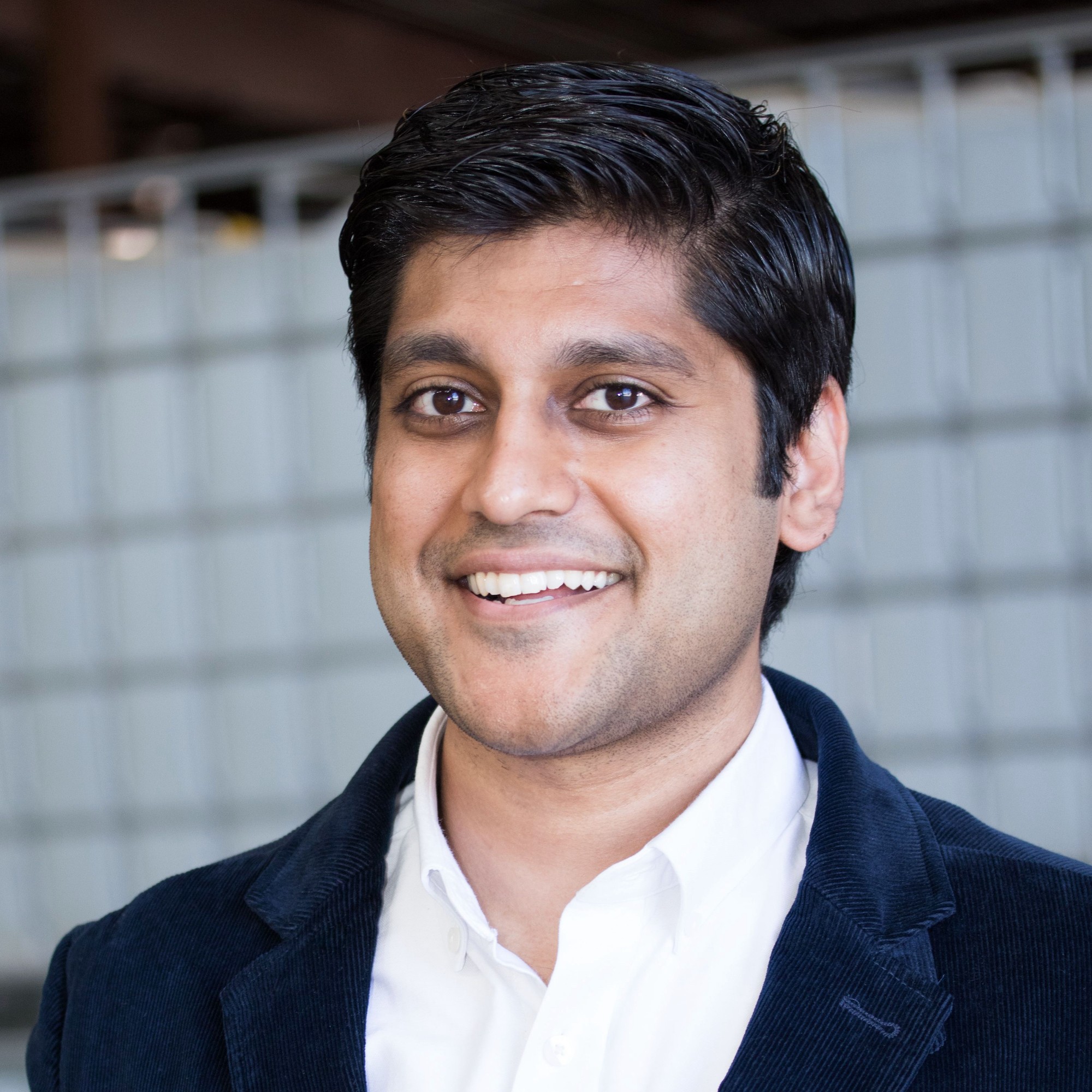
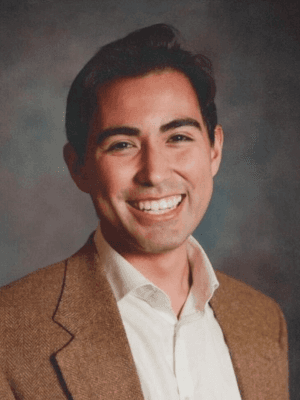
Cristian Ponce
Tetsuwan
CEO
Cristian leads Tetsuwan Scientific, an early-stage startup concerned with the automation of the physical process of experimentation. Tetsuwan has developed a standard to allows researchers (and models!) to easily translate their experiments to automated platforms, expanding the use cases for automation past assembly-line-like work. Ponce studied bioengineering at Caltech, and first became interested in NLP as a teenager.


Sessions Featuring
Cristian
This Year
•
-
Tools & Tech
Hypothesis Machines: Multi-Agent Systems for Scientific Insight
What happens when AI systems stop being tools and begin acting like collaborators in scientific thought? Multi-agent architectures such as SciAgents and Google’s “AI Co-Scientist” are pioneering hypothesis generation by dividing scientific reasoning into specialized sub-agents: literature retrievers, causal mappers, and graph-based reasoners. Unlike single models, these teams of agents mimic the structure of scientific collaboration itself — brainstorming, critiquing, and refining ideas. In synthetic biology, such systems could propose new gene circuits, uncover hidden regulatory logic, or suggest underexplored protein folds. This session asks: how far should we trust AI-generated hypotheses, and how do we validate them responsibly? With machine-driven insight now on the horizon, the very architecture of discovery may shift — from lone researchers and teams of humans to networks of humans and machines co-creating the future of biology.
Featuring
Cristian Ponce
Tetsuwan
CEO
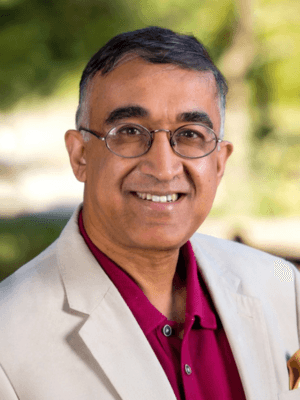
Ronjon Nag
Superbio.ai / Stanford
CEO / Adjunct Prof
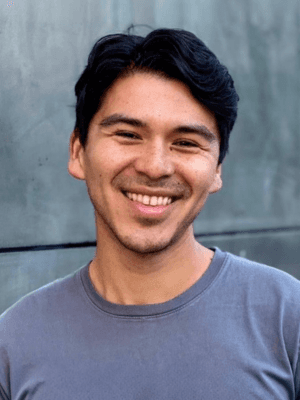
Daniel Chan
Medra
Member of Technical Staff
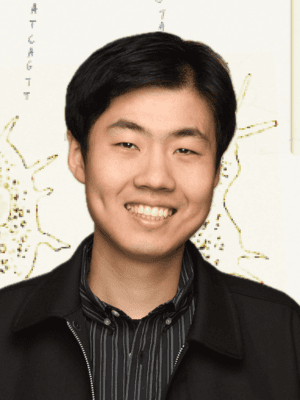
Kexin Huang
Phylo
Co-founder & CEO
Aaron Blotnick
SynBioBeta
Bay Area Community Manager
Bay Area Bioeconomy superconnector at SynBioBeta
•
-
Tools & Tech
Hypothesis Machines: Multi-Agent Systems for Scientific Insight
What happens when AI systems stop being tools and begin acting like collaborators in scientific thought? Multi-agent architectures such as SciAgents and Google’s “AI Co-Scientist” are pioneering hypothesis generation by dividing scientific reasoning into specialized sub-agents: literature retrievers, causal mappers, and graph-based reasoners. Unlike single models, these teams of agents mimic the structure of scientific collaboration itself — brainstorming, critiquing, and refining ideas. In synthetic biology, such systems could propose new gene circuits, uncover hidden regulatory logic, or suggest underexplored protein folds. This session asks: how far should we trust AI-generated hypotheses, and how do we validate them responsibly? With machine-driven insight now on the horizon, the very architecture of discovery may shift — from lone researchers and teams of humans to networks of humans and machines co-creating the future of biology.
Featuring
Cristian Ponce
Tetsuwan
CEO
Ronjon Nag
Superbio.ai / Stanford
CEO / Adjunct Prof
Daniel Chan
Medra
Member of Technical Staff
Kexin Huang
Phylo
Co-founder & CEO
Aaron Blotnick
SynBioBeta
Bay Area Community Manager
Bay Area Bioeconomy superconnector at SynBioBeta
Session lineup still growing
Featuring
Speaker Coming Soon
•
-
Human Health
From Cells to Patients: Solving the Scale Mismatch in Virtual Biology
Drug discovery often measures biology at the cell level while interventions work at the tissue, organ, or whole-patient scale. This mismatch can make accurate cell-level predictions irrelevant in the clinic. This session dives into strategies to bridge that gap: multiscale modeling that nests single-cell dynamics within organ-level simulations, spatial transcriptomics that preserve context, and surrogate models that translate cell-level outputs into clinical biomarkers. Speakers will ask: how do we ensure virtual biology reflects not just what cells do in isolation, but how biology behaves in the real complexity of patients?
Featuring
Speaker Coming Soon