Γ

SynBioBeta Speaker

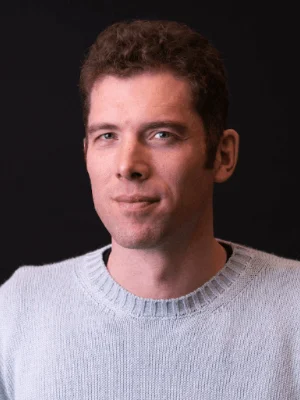
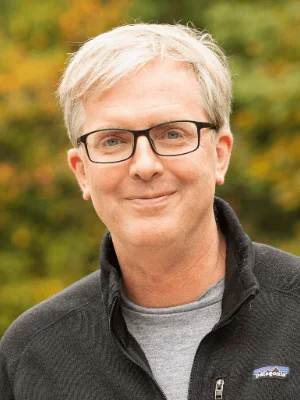
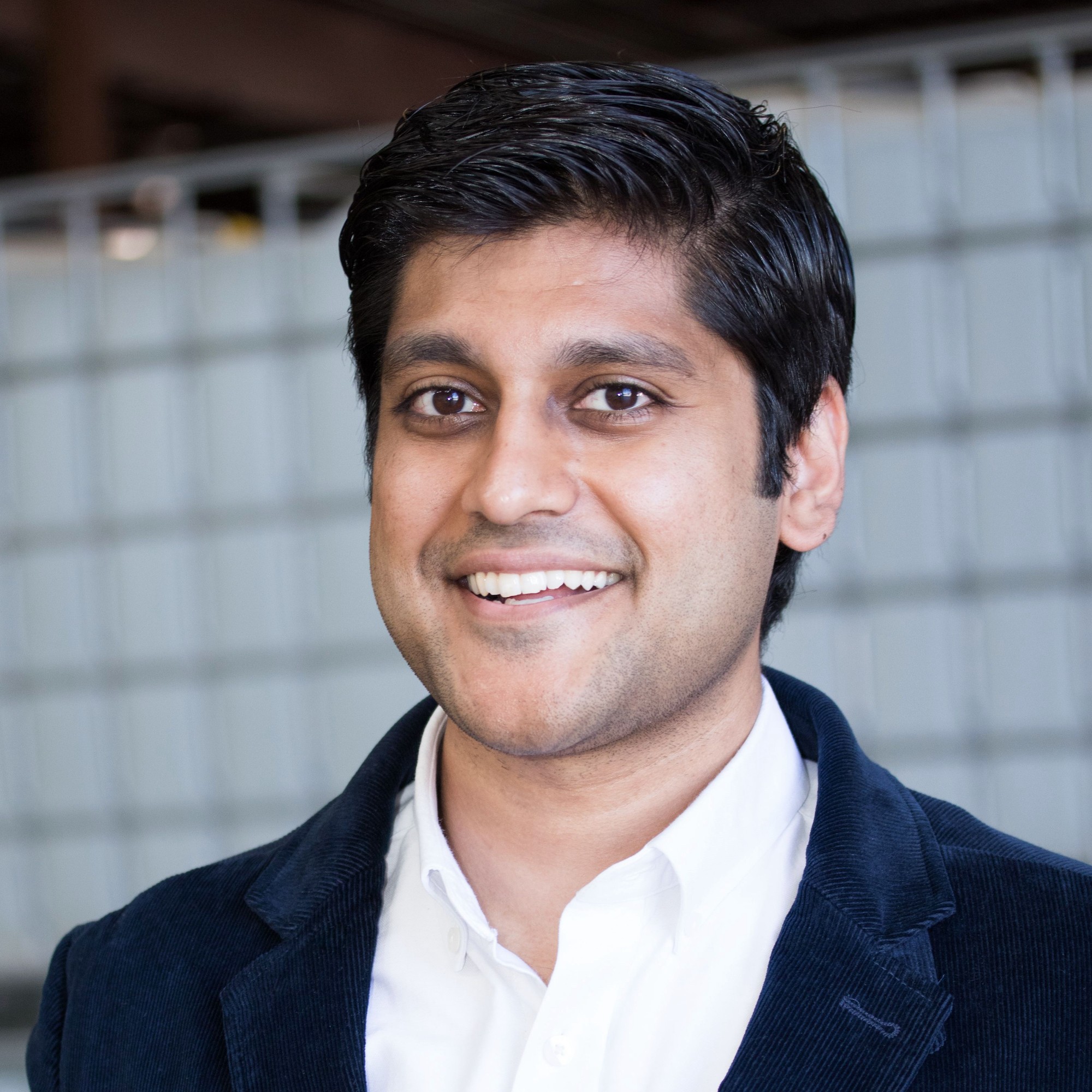
Frank Poelwijk

Generate:Biomedicines

VP, Head of Prototyping Lab

Frank J. Poelwijk is Vice President and Head of the Prototyping Lab at Generate:Biomedicines, where he is responsible for the development of experimental platforms and data-generation capabilities at scale. Trained as a physicist, he works at the intersection of technology and biology, with a focus on high-throughput, information-rich experimentation.


Generate is a clinical-stage generative biology company developing new protein therapeutics by combining computational innovation with scalable biological experimentation. Its platform is designed to generate therapeutically relevant data and help create molecular solutions for challenges beyond the reach of traditional approaches.


Before joining Generate, Frank held research roles at Dana-Farber Cancer Institute, the Wyss Institute, and UT Southwestern Medical Center, where he studied fitness landscapes, epistasis, and data-driven protein design, contributing to methods that link sequence variation and directed evolution to protein structure and function.

Sessions Featuring

Frank

This Year

Breakout Session

3:30 PM

-

4:15 PM

Tools & Tech

Beyond Nature’s Alphabet: The Rise of Programmable Biomolecules

Biology has long relied on a limited molecular vocabulary shaped by natural evolution. Today, that alphabet is expanding. Advances in expanded genetic codes, non-canonical amino acids, macrocycles, de novo design, and AI-guided protein engineering are enabling scientists to create biomolecules with properties and functions that nature never evolved. This session explores the rise of programmable biomolecules at the intersection of biology, chemistry, and computation. Rather than simply optimizing existing proteins, researchers are building entirely new classes of functional molecules with novel architectures, chemistries, and therapeutic potential. From next-generation biologics to hybrid molecular scaffolds, the discussion will examine how the field is moving beyond nature’s defaults and toward a future where biomolecules can be designed with increasing precision, flexibility, and intent.

Breakout Session

3:30 PM

-

4:15 PM

Tools & Tech

Beyond Nature’s Alphabet: The Rise of Programmable Biomolecules

Biology has long relied on a limited molecular vocabulary shaped by natural evolution. Today, that alphabet is expanding. Advances in expanded genetic codes, non-canonical amino acids, macrocycles, de novo design, and AI-guided protein engineering are enabling scientists to create biomolecules with properties and functions that nature never evolved. This session explores the rise of programmable biomolecules at the intersection of biology, chemistry, and computation. Rather than simply optimizing existing proteins, researchers are building entirely new classes of functional molecules with novel architectures, chemistries, and therapeutic potential. From next-generation biologics to hybrid molecular scaffolds, the discussion will examine how the field is moving beyond nature’s defaults and toward a future where biomolecules can be designed with increasing precision, flexibility, and intent.
Breakout Session

4:30 PM

-

5:15 PM

Tools & Tech

Self-Driving Labs, AI, and Automation: A Practical Guide to Getting Started

AI-enabled, self-driving labs are still emerging, but their foundations are already transforming how teams design, run, and interpret experiments. This session offers a practical guide for scientists and R&D leaders who want to understand what can be done today — from tightening design–test–learn loops to reducing manual error and capturing early benefits of autonomous experimentation. Rather than presenting an unrealized future, speakers will focus on practical, real-world steps that give organizations a competitive edge as SDL capabilities evolve and mature. Speakers will explore what’s working, what’s not, and how autonomous lab systems are reshaping protein engineering, pathway optimization, and therapeutic design.

Breakout Session

4:30 PM

-

5:15 PM

Tools & Tech

Self-Driving Labs, AI, and Automation: A Practical Guide to Getting Started

AI-enabled, self-driving labs are still emerging, but their foundations are already transforming how teams design, run, and interpret experiments. This session offers a practical guide for scientists and R&D leaders who want to understand what can be done today — from tightening design–test–learn loops to reducing manual error and capturing early benefits of autonomous experimentation. Rather than presenting an unrealized future, speakers will focus on practical, real-world steps that give organizations a competitive edge as SDL capabilities evolve and mature. Speakers will explore what’s working, what’s not, and how autonomous lab systems are reshaping protein engineering, pathway optimization, and therapeutic design.

TBD

Session lineup still growing

Featuring

Speaker Coming Soon

Fireside Chat

12:00 AM

-

8:30 AM

Human Health

From Cells to Patients: Solving the Scale Mismatch in Virtual Biology

Drug discovery often measures biology at the cell level while interventions work at the tissue, organ, or whole-patient scale. This mismatch can make accurate cell-level predictions irrelevant in the clinic. This session dives into strategies to bridge that gap: multiscale modeling that nests single-cell dynamics within organ-level simulations, spatial transcriptomics that preserve context, and surrogate models that translate cell-level outputs into clinical biomarkers. Speakers will ask: how do we ensure virtual biology reflects not just what cells do in isolation, but how biology behaves in the real complexity of patients?

Featuring

Speaker Coming Soon

Previous Speakers Include