Γ

SynBioBeta Speaker

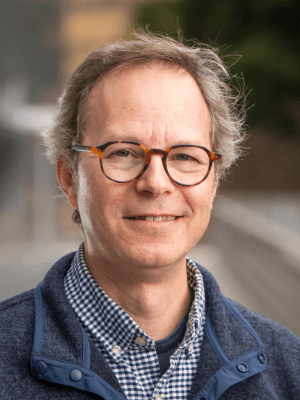
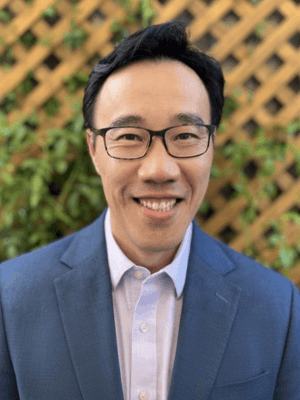
Chong Wing Yung

LBL

Program Manager

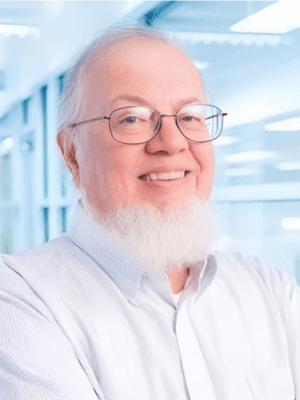
Chong leads the Cellular Intelligence and BioAnalytics (CIBA) research group, where he develops the analytical tools and AI/ML modeling frameworks needed to construct digital twins of cells for biodesign. Before joining ABPDU, he spent 14 years at Agilent Technologies, most recently as a Distinguished Scientist and Senior Program Director. In this role, he served as Chair of the Global Grants Board, directing four international teams in the evaluation of over 600 research proposals from leading global investigators to guide strategic innovation across the full breadth of Agilent’s technology portfolio.His leadership at Agilent Research Labs pioneered novel metrology standards, advanced 3D cell culture capabilities, and algorithmic upgrades to improve sensitivity on the Seahorse live-cell analysis platform, as well as the development of commercial CRISPR technologies. Earlier in his career at Genentech, Chong conducted GMP scale-up operations and research for landmark antibody-based pharmaceuticals, including Avastin, Herceptin, and Rituxan.An elected member of the National Academy of Engineering’s U.S. Frontiers of Engineering, Chong holds 16 patents (issued and pending) and serves on multiple university advisory boards. He is an Adjunct Professor of Physics at West Valley College and earned his Ph.D. in Chemical & Biomolecular Engineering from the University of Maryland, followed by a CIMIT Fellowship at Harvard Medical School-Wyss Institute and Children's Hospital Boston.

SynBioBeta 2026 Tickets are Live

Confirmed Speakers

Sessions Featuring

Chong Wing

This Year

Lunch & Learn

12:15 PM

-

1:00 PM

Biomanufacturing

Berkeley Lab Provides the Foundation for Biomanufacturing-specific AI

Berkeley Lab develops new automation approaches to produce the large amounts of high-quality data that AI needs to solve significant problems in biology and enable new biomanufacturing capabilities. The Lab uses HTP approaches to generate AI-ready data and leverages that data in AI models to design microbial pathways, engineer host systems, optimize media formulations, generate functional plasmid origins, engineer plant transcriptional regulation, and predict solvent properties. The Lab's process development unit aims to generate complex biological data needed for virtual cell and other models by algorithm development companies. 

Lunch & Learn

12:15 PM

-

1:00 PM

Biomanufacturing

Berkeley Lab Provides the Foundation for Biomanufacturing-specific AI

Berkeley Lab develops new automation approaches to produce the large amounts of high-quality data that AI needs to solve significant problems in biology and enable new biomanufacturing capabilities. The Lab uses HTP approaches to generate AI-ready data and leverages that data in AI models to design microbial pathways, engineer host systems, optimize media formulations, generate functional plasmid origins, engineer plant transcriptional regulation, and predict solvent properties. The Lab's process development unit aims to generate complex biological data needed for virtual cell and other models by algorithm development companies. 

TBD

Session lineup still growing

Featuring

Speaker Coming Soon

Fireside Chat

12:00 AM

-

8:30 AM

Human Health

From Cells to Patients: Solving the Scale Mismatch in Virtual Biology

Drug discovery often measures biology at the cell level while interventions work at the tissue, organ, or whole-patient scale. This mismatch can make accurate cell-level predictions irrelevant in the clinic. This session dives into strategies to bridge that gap: multiscale modeling that nests single-cell dynamics within organ-level simulations, spatial transcriptomics that preserve context, and surrogate models that translate cell-level outputs into clinical biomarkers. Speakers will ask: how do we ensure virtual biology reflects not just what cells do in isolation, but how biology behaves in the real complexity of patients?

Featuring

Speaker Coming Soon

Previous Speakers Include