Γ

SynBioBeta Speaker

Christopher Petzold

LBNL

Staff Scientist

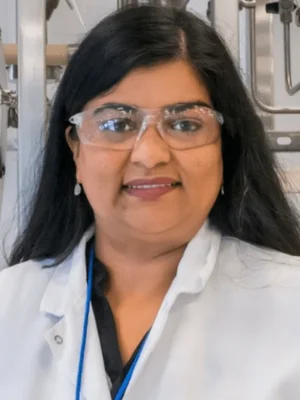
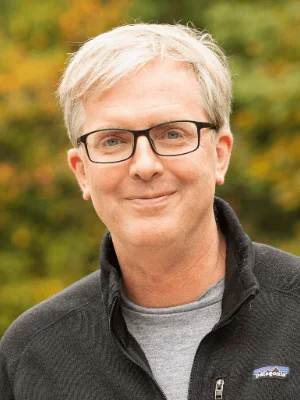
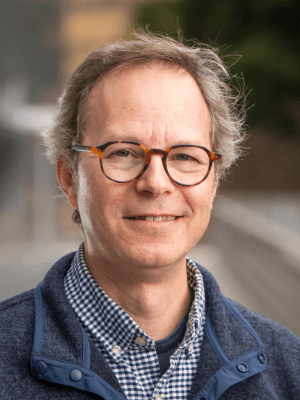
Christopher Petzold’s expertise lies in bridging high-throughput analytical technologies with advanced metabolic engineering to enable the rational design and optimization of engineered microbes. As a researcher at the Lawrence Berkeley National Laboratory, the DOE Joint BioEnergy Institute (JBEI), and the Agile BioFoundry, he focuses on closing the "reproducibility gap" between lab-scale discovery and industrial-scale biomanufacturing. His approach treats data as a physical asset, emphasizing "clean data" to ensure that AI-ML models are trained on biological reality rather than noise. By leveraging advanced tools like RapidFire-MS, which enables sample analysis in

SynBioBeta 2026 Tickets are Live

Confirmed Speakers

Sessions Featuring

Christopher

This Year

Lunch & Learn

12:15 PM

-

1:00 PM

Biomanufacturing

Berkeley Lab Provides the Foundation for Biomanufacturing-specific AI

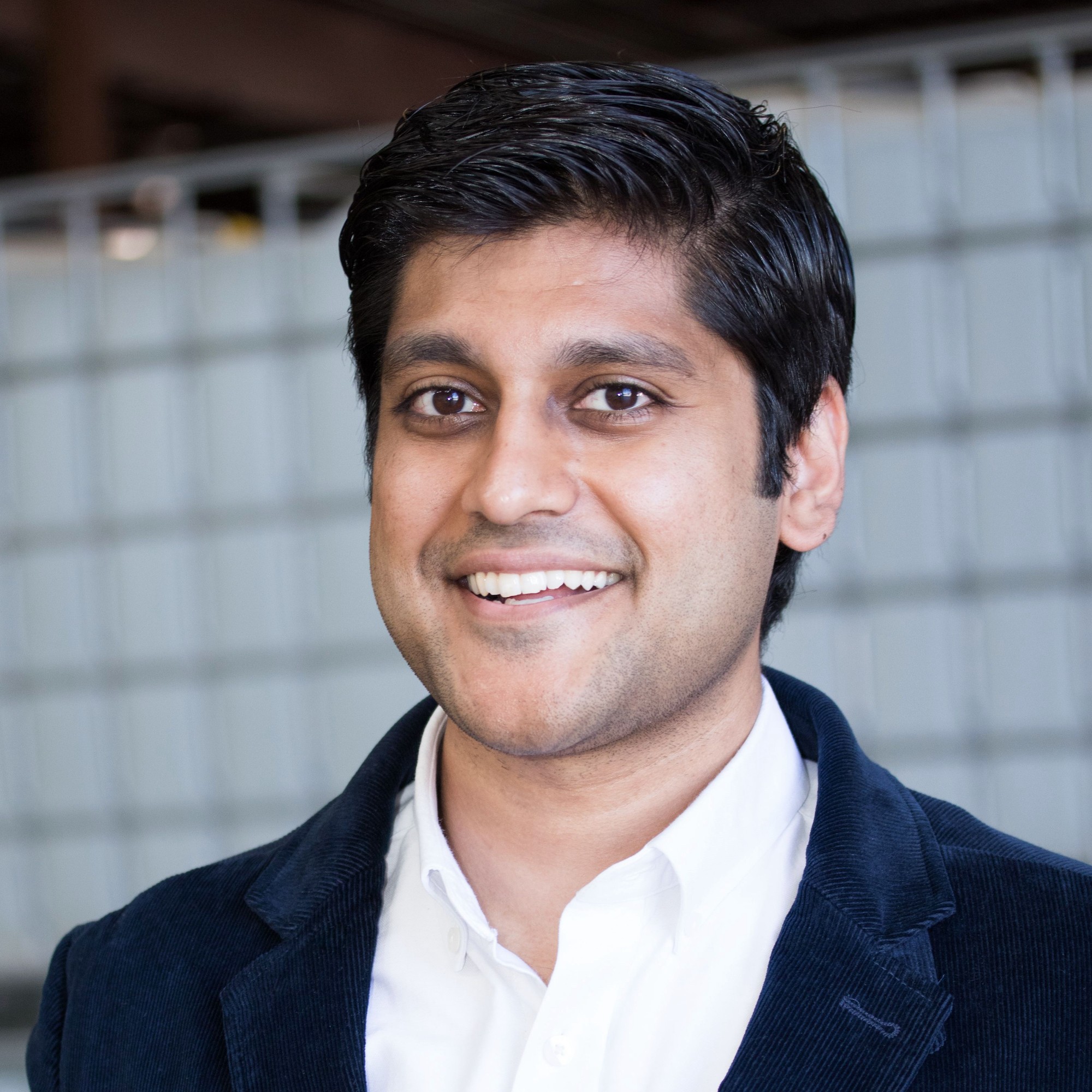
Berkeley Lab develops new automation approaches to produce the large amounts of high-quality data that AI needs to solve significant problems in biology and enable new biomanufacturing capabilities. The Lab uses HTP approaches to generate AI-ready data and leverages that data in AI models to design microbial pathways, engineer host systems, optimize media formulations, generate functional plasmid origins, engineer plant transcriptional regulation, and predict solvent properties. The Lab's process development unit aims to generate complex biological data needed for virtual cell and other models by algorithm development companies. 
Lunch & Learn

12:15 PM

-

1:00 PM

Biomanufacturing

Berkeley Lab Provides the Foundation for Biomanufacturing-specific AI

Berkeley Lab develops new automation approaches to produce the large amounts of high-quality data that AI needs to solve significant problems in biology and enable new biomanufacturing capabilities. The Lab uses HTP approaches to generate AI-ready data and leverages that data in AI models to design microbial pathways, engineer host systems, optimize media formulations, generate functional plasmid origins, engineer plant transcriptional regulation, and predict solvent properties. The Lab's process development unit aims to generate complex biological data needed for virtual cell and other models by algorithm development companies. 

TBD

Session lineup still growing

Featuring

Speaker Coming Soon

Fireside Chat

12:00 AM

-

8:30 AM

Human Health

From Cells to Patients: Solving the Scale Mismatch in Virtual Biology

Drug discovery often measures biology at the cell level while interventions work at the tissue, organ, or whole-patient scale. This mismatch can make accurate cell-level predictions irrelevant in the clinic. This session dives into strategies to bridge that gap: multiscale modeling that nests single-cell dynamics within organ-level simulations, spatial transcriptomics that preserve context, and surrogate models that translate cell-level outputs into clinical biomarkers. Speakers will ask: how do we ensure virtual biology reflects not just what cells do in isolation, but how biology behaves in the real complexity of patients?

Featuring

Speaker Coming Soon

Previous Speakers Include