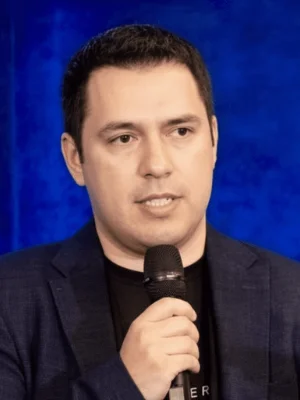
SynBioBeta Speaker
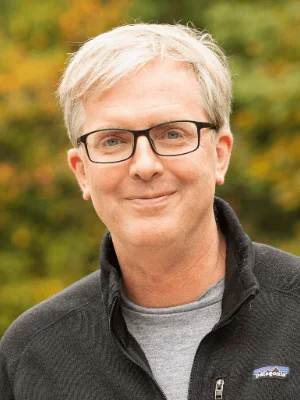
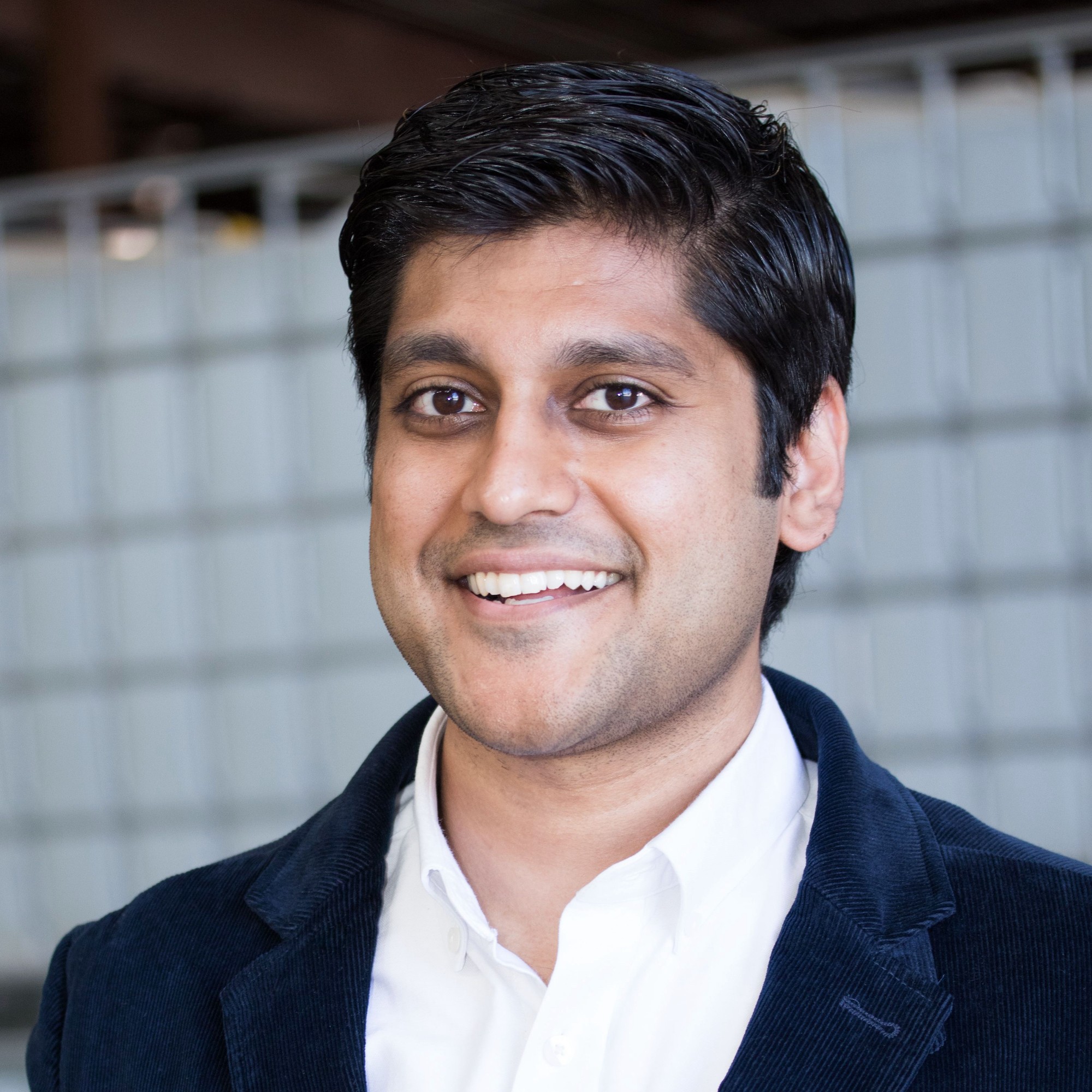
Eric Bennett
Frontier Bio
CEO
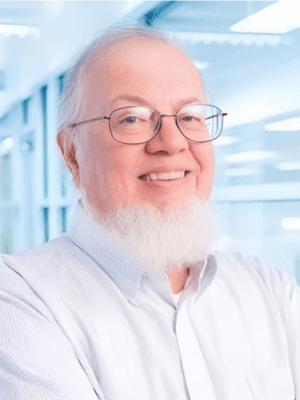
Eric is a serial entrepreneur and biomedical engineer. Prior to Frontier Bio, he was CTO at Aether, where he developed advanced low-cost bioprinters. His scientific background spans brain-computer interfacing, optogenetics, microfluidics, DNA assembly, and bioprinting. His past endeavors included using optogenetics and brain-computer interfaces to study and mitigate neural disorders. Eric is driven to create transformative technologies that push the frontier of what’s possible.
SynBioBeta 2026 Tickets are Live
Confirmed Speakers
Sessions Featuring
Eric
This Year
•
-
Human Health
Reconstructing the Body: Can Biological Replacement Reverse Aging?
Despite major advances in the biology of aging, there are still no interventions that clearly slow or reverse aging in humans. In contrast, modern medicine already depends on replacement to restore lost function, from artificial joints and cardiac devices to organ transplants and stem cell therapies. This session examines how a similar framework could be applied to aging: rather than repairing deteriorated cells and tissues, scientists and companies are exploring ways to replace them with newly generated, biologically young equivalents. The discussion will highlight emerging capabilities in engineered cell sources, scalable tissue fabrication, and programmable biology (instead of "integration") strategies that are redefining what can be rebuilt and replaced. New approaches are beginning to address long-standing challenges such as age-related signaling environments, vascularization, and even circuit compatibility in parts of the brain. Together, these advances point toward a future where rejuvenation is achieved through deliberate biological reconstruction. The session asks: How far can replacement take us, and could rebuilding youthful parts become a central path to extending healthy lifespan?
Purchase Pass
Featuring

Sierra Lore
Buck Institute
Doctoral Student
Researcher of somatic mutation in aging (immune genome instability)

Jean Hebert
ARPA-H
Program Manager
Leader in Aging Research (ARPA-H) , author of Replacing Aging

Eric Bennett
Frontier Bio
CEO
Bioprinting pioneer building lab-grown human tissues and organs.
•
-
Human Health
Reconstructing the Body: Can Biological Replacement Reverse Aging?
Despite major advances in the biology of aging, there are still no interventions that clearly slow or reverse aging in humans. In contrast, modern medicine already depends on replacement to restore lost function, from artificial joints and cardiac devices to organ transplants and stem cell therapies. This session examines how a similar framework could be applied to aging: rather than repairing deteriorated cells and tissues, scientists and companies are exploring ways to replace them with newly generated, biologically young equivalents. The discussion will highlight emerging capabilities in engineered cell sources, scalable tissue fabrication, and programmable biology (instead of "integration") strategies that are redefining what can be rebuilt and replaced. New approaches are beginning to address long-standing challenges such as age-related signaling environments, vascularization, and even circuit compatibility in parts of the brain. Together, these advances point toward a future where rejuvenation is achieved through deliberate biological reconstruction. The session asks: How far can replacement take us, and could rebuilding youthful parts become a central path to extending healthy lifespan?
Purchase Pass
Featuring

Sierra Lore
Buck Institute
Doctoral Student
Researcher of somatic mutation in aging (immune genome instability)

Jean Hebert
ARPA-H
Program Manager
Leader in Aging Research (ARPA-H) , author of Replacing Aging

Eric Bennett
Frontier Bio
CEO
Bioprinting pioneer building lab-grown human tissues and organs.
Session lineup still growing
Purchase Pass
Featuring
Speaker Coming Soon
•
-
Human Health
From Cells to Patients: Solving the Scale Mismatch in Virtual Biology
Drug discovery often measures biology at the cell level while interventions work at the tissue, organ, or whole-patient scale. This mismatch can make accurate cell-level predictions irrelevant in the clinic. This session dives into strategies to bridge that gap: multiscale modeling that nests single-cell dynamics within organ-level simulations, spatial transcriptomics that preserve context, and surrogate models that translate cell-level outputs into clinical biomarkers. Speakers will ask: how do we ensure virtual biology reflects not just what cells do in isolation, but how biology behaves in the real complexity of patients?
Purchase Pass
Featuring
Speaker Coming Soon