SynBioBeta Speaker
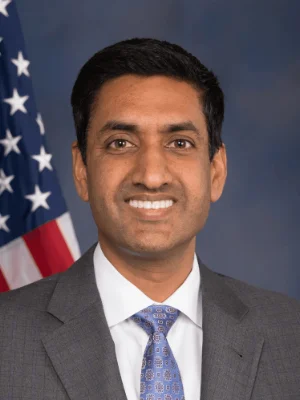
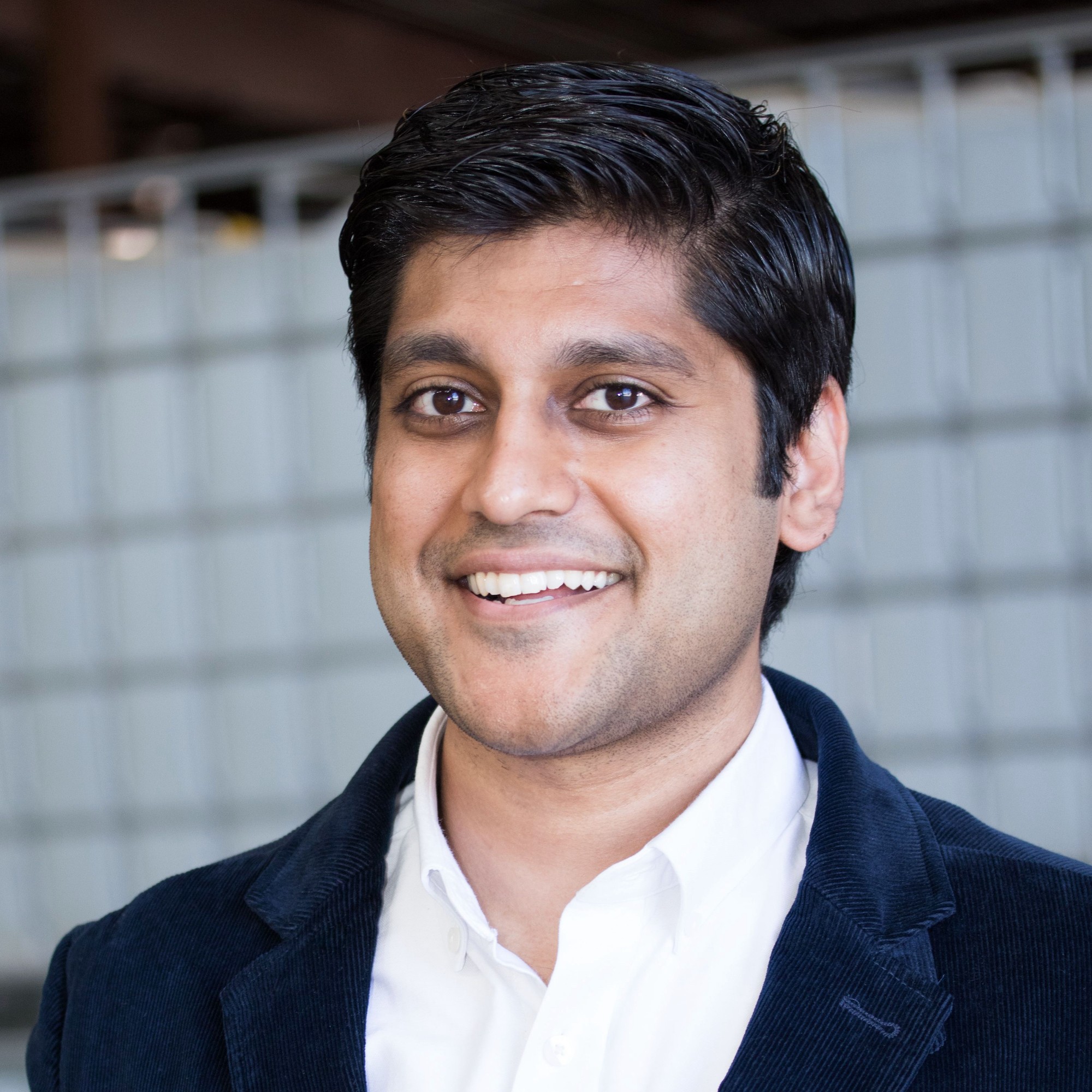
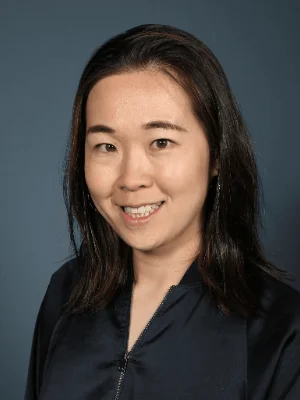
Will Cao
Pando
CEO
Will is the co-founder and CEO of Pando Bioscience. Pando is an AI-driven synthetic biology company revolutionizing enzyme engineering for the pharmaceutical manufacturing and life science tools. Our ultra-high-throughput screening platform screens 1000-fold more enzymes 75% faster and 80% cheaper than traditional methods. This empowers our AI models to efficiently optimize enzymes across multiple properties, delivering high-performing, industrial-grade enzymes that create and capture new market value.


Sessions Featuring
Will
This Year
•
-
AIxBIO
Rewriting Enzyme Performance: Next-Gen Platforms for AI-Driven Protein Screening
AI is rapidly transforming how therapeutic enzymes and protein drug candidates are discovered, engineered, and validated. Generative models can now propose millions of novel variants optimized for specificity, stability, and target engagement. But the true bottleneck is no longer design, it is screening at scale. As model-generated libraries expand exponentially, the need for faster, more predictive experimental systems has become critical to translate computational insights into clinically relevant performance. This session explores the emerging generation of integrated platforms that combine AI-guided design, high-throughput functional screening, automation, and advanced analytics to accelerate therapeutic protein discovery. From self-driving labs and multiplexed cellular assays to adaptive screening strategies that prioritize pharmacologically meaningful readouts over simple activity metrics, speakers will examine how next-gen infrastructure is reshaping enzyme optimization for drug development.
Featuring
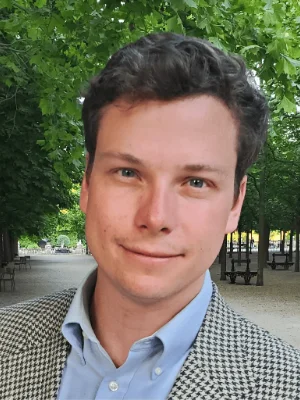
Weston Kightlinger
Ridge Bio
CEO
Cell-free synthesis pioneer building precision enzyme therapeutics.
Will Cao
Pando
CEO
Founder making enzyme development 80% cheaper
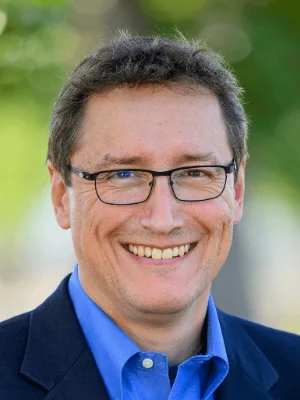
Stefan Lutz
Codexis Inc.
CSO
Directed-evolution expert shaping next-generation enzyme engineering.
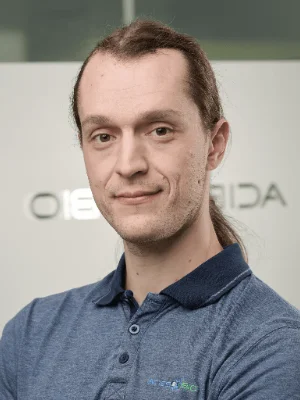
David Virant
Acies Bio
Department Head
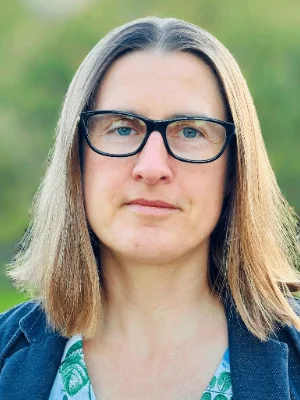
Ewa Lis
Koliber Bio
Founder & CEO
AI-driven peptide/protein drug-discovery builder (also microbiome engineering).
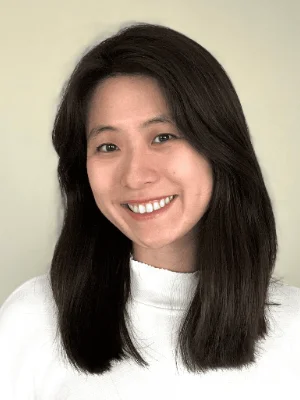
Fay Lin
GEN
Sr Editor, Technology
•
-
AIxBIO
Rewriting Enzyme Performance: Next-Gen Platforms for AI-Driven Protein Screening
AI is rapidly transforming how therapeutic enzymes and protein drug candidates are discovered, engineered, and validated. Generative models can now propose millions of novel variants optimized for specificity, stability, and target engagement. But the true bottleneck is no longer design, it is screening at scale. As model-generated libraries expand exponentially, the need for faster, more predictive experimental systems has become critical to translate computational insights into clinically relevant performance. This session explores the emerging generation of integrated platforms that combine AI-guided design, high-throughput functional screening, automation, and advanced analytics to accelerate therapeutic protein discovery. From self-driving labs and multiplexed cellular assays to adaptive screening strategies that prioritize pharmacologically meaningful readouts over simple activity metrics, speakers will examine how next-gen infrastructure is reshaping enzyme optimization for drug development.
Featuring
Weston Kightlinger
Ridge Bio
CEO
Cell-free synthesis pioneer building precision enzyme therapeutics.
Will Cao
Pando
CEO
Founder making enzyme development 80% cheaper
Stefan Lutz
Codexis Inc.
CSO
Directed-evolution expert shaping next-generation enzyme engineering.
David Virant
Acies Bio
Department Head
Ewa Lis
Koliber Bio
Founder & CEO
AI-driven peptide/protein drug-discovery builder (also microbiome engineering).
Fay Lin
GEN
Sr Editor, Technology
Session lineup still growing
Featuring
Speaker Coming Soon
•
-
Human Health
From Cells to Patients: Solving the Scale Mismatch in Virtual Biology
Drug discovery often measures biology at the cell level while interventions work at the tissue, organ, or whole-patient scale. This mismatch can make accurate cell-level predictions irrelevant in the clinic. This session dives into strategies to bridge that gap: multiscale modeling that nests single-cell dynamics within organ-level simulations, spatial transcriptomics that preserve context, and surrogate models that translate cell-level outputs into clinical biomarkers. Speakers will ask: how do we ensure virtual biology reflects not just what cells do in isolation, but how biology behaves in the real complexity of patients?
Featuring
Speaker Coming Soon