SynBioBeta Speaker
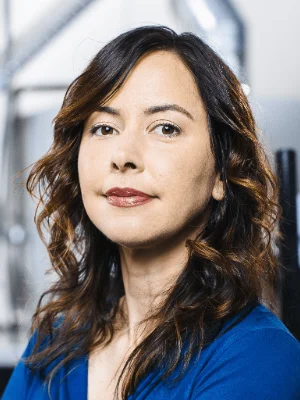
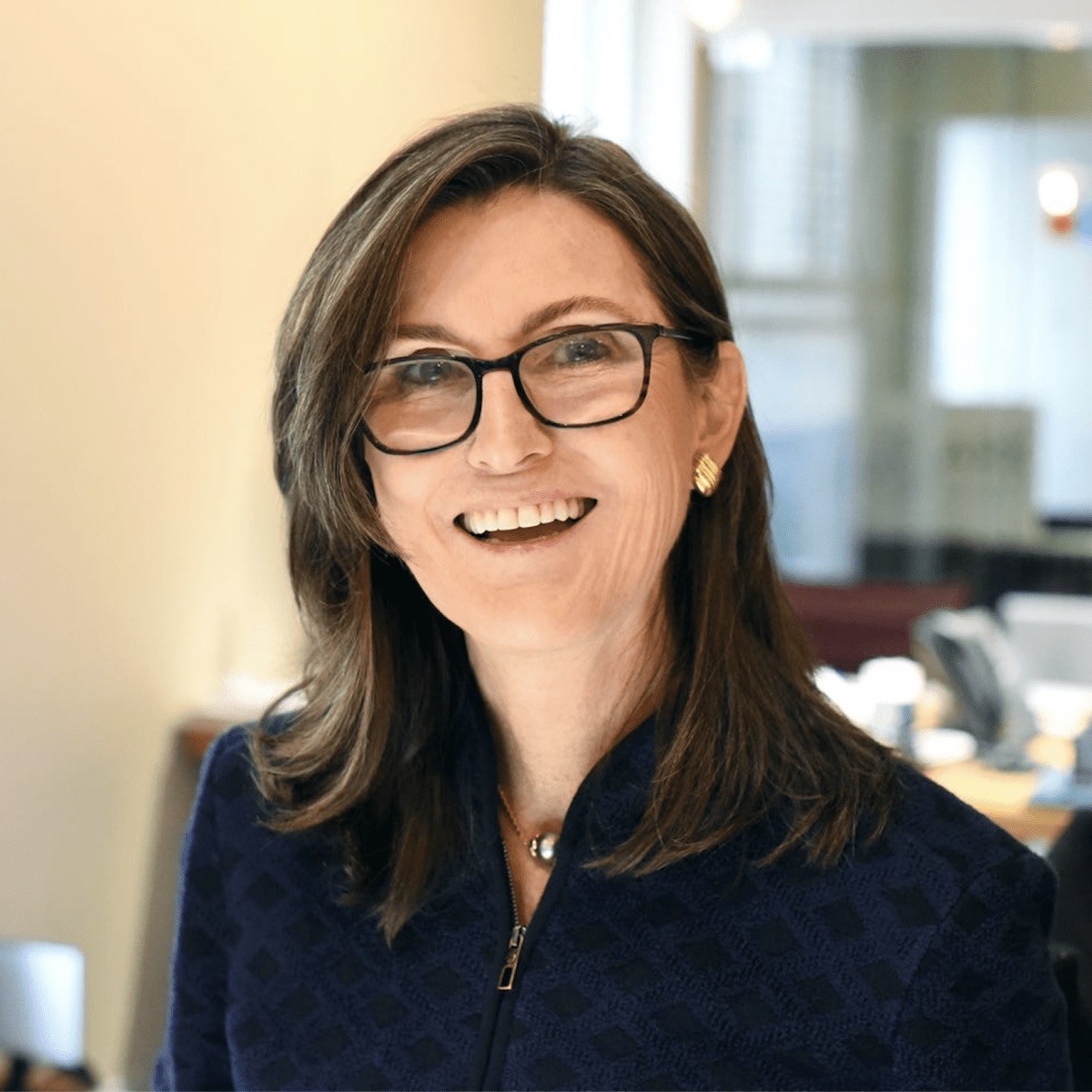
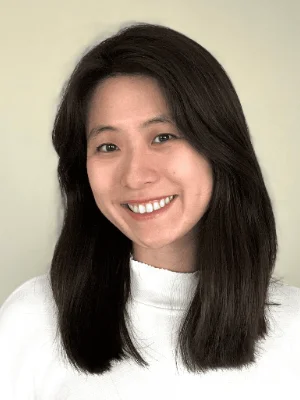
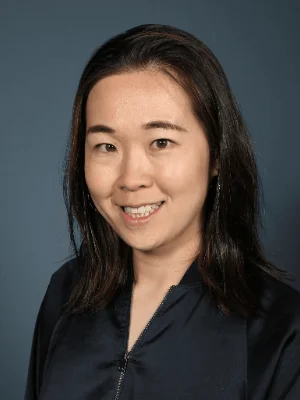
Fay Lin
GEN
Sr Editor, Technology
Fay is a computational biologist turned science journalist. As Senior Editor, Technology at Genetic Engineering & Biotechnology News (GEN), Fay covers the intersection of artificial intelligence (AI) and biology with a particular focus on drug discovery and healthcare. Prior to joining GEN, she was a founding Senior Editor of GEN Biotechnology, GEN‘s sister peer review journal launched in 2022 publishing outstanding research and review articles across the biotech field. Fay’s work has been published across multiple media outlets for science communication and outreach, including Chemical & Engineering News (C&EN), BioTechniques, and Inside Higher Ed. She earned her PhD in Biochemistry from University of California, Los Angeles (UCLA), where she developed mathematical models to decipher cell signaling in immune response.


Sessions Featuring
Fay
This Year
•
-
AIxBIO
The Programmable Protein Era: How AI Rewrites the Rules of Biomolecules
Biologics and engineered proteins have traditionally evolved through cycles of intuition, screening, and incremental optimization. Today, AI is transforming proteins into programmable systems; governed by learnable patterns across activity, stability, expression, specificity, manufacturability, and environmental performance. This shift is unlocking a new generation of biomolecules, from next-generation therapeutics to sustainable enzymes and functional biological systems, that would have been impossible to design by hand. In this session, leaders from biopharma, industrial biotech, machine learning, and protein engineering will explore how multiparameter optimization, generative modeling, and closed-loop experimental validation are reshaping biomolecular design across domains. From clinical biologics to planetary-scale applications, we examine the shift from trial-and-error to predictive, constraint-driven design, and what it means for R&D timelines, scalability, and real-world impact.
Featuring
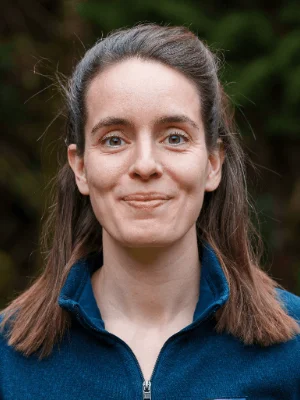
Elise de Reus
Cradle
Co-founder
Making proteins an engineering discipline
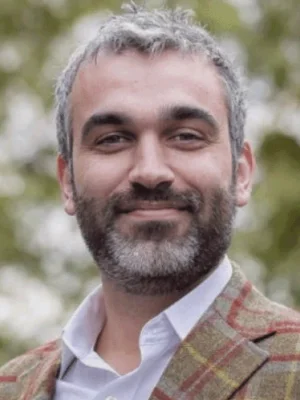
Peter Clark
Novo Nordisk
VP, CDD
Computational drug-design leader, shipped candidates from CAR-T to peptides.
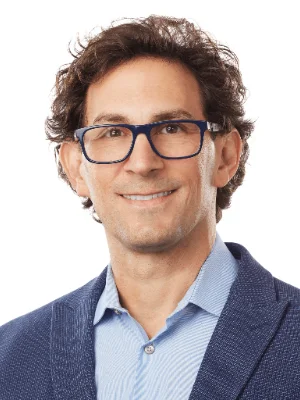
Jose Carlos Garcia-Garcia
Procter & Gamble
Sr. Dir., Research Fellow
Builds biotech “from microbes to marketplace” at consumer scale.
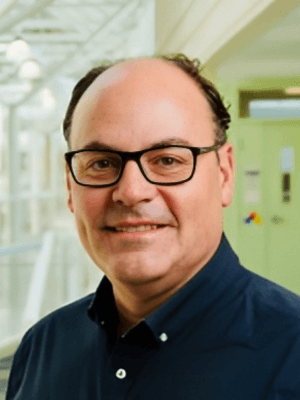
Luis Cascão Pereira
IFF Health & Biosciences
Head of R&D Ventures & Digital Biology
Fay Lin
GEN
Sr Editor, Technology
•
-
AIxBIO
The Programmable Protein Era: How AI Rewrites the Rules of Biomolecules
Biologics and engineered proteins have traditionally evolved through cycles of intuition, screening, and incremental optimization. Today, AI is transforming proteins into programmable systems; governed by learnable patterns across activity, stability, expression, specificity, manufacturability, and environmental performance. This shift is unlocking a new generation of biomolecules, from next-generation therapeutics to sustainable enzymes and functional biological systems, that would have been impossible to design by hand. In this session, leaders from biopharma, industrial biotech, machine learning, and protein engineering will explore how multiparameter optimization, generative modeling, and closed-loop experimental validation are reshaping biomolecular design across domains. From clinical biologics to planetary-scale applications, we examine the shift from trial-and-error to predictive, constraint-driven design, and what it means for R&D timelines, scalability, and real-world impact.
Featuring
Elise de Reus
Cradle
Co-founder
Making proteins an engineering discipline
Peter Clark
Novo Nordisk
VP, CDD
Computational drug-design leader, shipped candidates from CAR-T to peptides.
Jose Carlos Garcia-Garcia
Procter & Gamble
Sr. Dir., Research Fellow
Builds biotech “from microbes to marketplace” at consumer scale.
Luis Cascão Pereira
IFF Health & Biosciences
Head of R&D Ventures & Digital Biology
Fay Lin
GEN
Sr Editor, Technology
•
-
AIxBIO
The New Computational Biology Stack: Models, Compute, and Experimental Feedback
AI is transforming biology into a fully integrated computational discipline, where discovery depends on the seamless interaction between models, compute infrastructure, and experimental systems. As foundation models for proteins, genomes, and cellular systems mature, the challenge is no longer prediction alone. It is building a unified stack that connects generative design, large-scale computation, and rapid experimental feedback into continuous learning loops. This session explores how the next generation of computational biology platforms is emerging at the intersection of cloud computing, GPU-accelerated modeling, advanced simulation, and high-throughput experimental infrastructure. Leaders across AI, biotech, and technology will discuss how tightly integrated design-build-test-learn cycles are reshaping therapeutic discovery, enabling adaptive model refinement, and accelerating the transition from in silico hypotheses to real-world biological outcomes.
Featuring
Elise de Reus
Cradle
Co-founder
Making proteins an engineering discipline
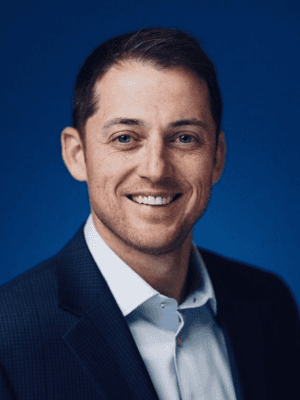
Dan Spellman
Oracle
VP of AI & OCI, Health & Science
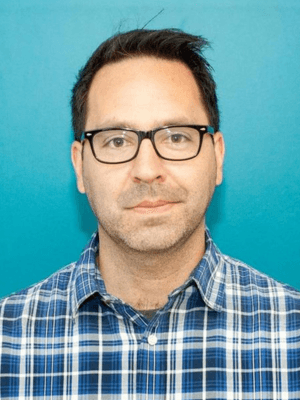
Esteban Toro
Twist Bioscience
VP, Research & Development
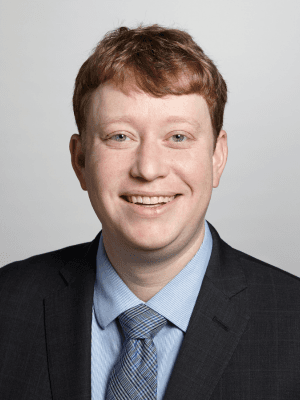
Anthony Costa
NVIDIA
Director, Digital Biology
Fay Lin
GEN
Sr Editor, Technology
•
-
AIxBIO
The New Computational Biology Stack: Models, Compute, and Experimental Feedback
AI is transforming biology into a fully integrated computational discipline, where discovery depends on the seamless interaction between models, compute infrastructure, and experimental systems. As foundation models for proteins, genomes, and cellular systems mature, the challenge is no longer prediction alone. It is building a unified stack that connects generative design, large-scale computation, and rapid experimental feedback into continuous learning loops. This session explores how the next generation of computational biology platforms is emerging at the intersection of cloud computing, GPU-accelerated modeling, advanced simulation, and high-throughput experimental infrastructure. Leaders across AI, biotech, and technology will discuss how tightly integrated design-build-test-learn cycles are reshaping therapeutic discovery, enabling adaptive model refinement, and accelerating the transition from in silico hypotheses to real-world biological outcomes.
Featuring
Elise de Reus
Cradle
Co-founder
Making proteins an engineering discipline
Dan Spellman
Oracle
VP of AI & OCI, Health & Science
Esteban Toro
Twist Bioscience
VP, Research & Development
Anthony Costa
NVIDIA
Director, Digital Biology
Fay Lin
GEN
Sr Editor, Technology
•
-
AIxBIO
Rewriting Enzyme Performance: Next-Gen Platforms for AI-Driven Protein Screening
AI is rapidly transforming how therapeutic enzymes and protein drug candidates are discovered, engineered, and validated. Generative models can now propose millions of novel variants optimized for specificity, stability, and target engagement. But the true bottleneck is no longer design, it is screening at scale. As model-generated libraries expand exponentially, the need for faster, more predictive experimental systems has become critical to translate computational insights into clinically relevant performance. This session explores the emerging generation of integrated platforms that combine AI-guided design, high-throughput functional screening, automation, and advanced analytics to accelerate therapeutic protein discovery. From self-driving labs and multiplexed cellular assays to adaptive screening strategies that prioritize pharmacologically meaningful readouts over simple activity metrics, speakers will examine how next-gen infrastructure is reshaping enzyme optimization for drug development.
Featuring
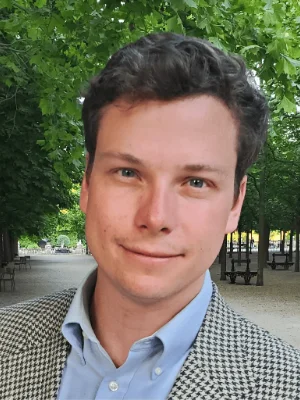
Weston Kightlinger
Ridge Bio
CEO
Cell-free synthesis pioneer building precision enzyme therapeutics.
Will Cao
Pando
CEO
Founder making enzyme development 80% cheaper

Stefan Lutz
Codexis Inc.
CSO
Directed-evolution expert shaping next-generation enzyme engineering.
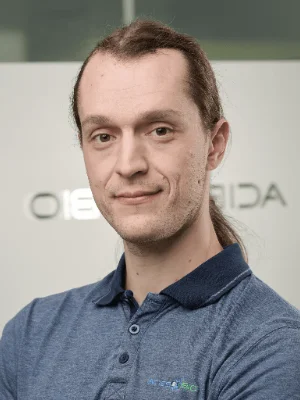
David Virant
Acies Bio
Department Head
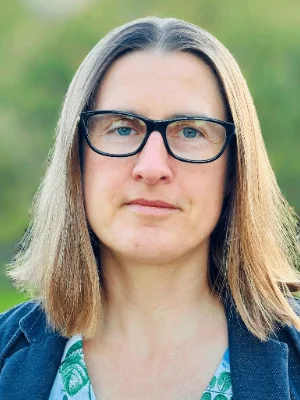
Ewa Lis
Koliber Bio
Founder & CEO
AI-driven peptide/protein drug-discovery builder (also microbiome engineering).
Fay Lin
GEN
Sr Editor, Technology
•
-
AIxBIO
Rewriting Enzyme Performance: Next-Gen Platforms for AI-Driven Protein Screening
AI is rapidly transforming how therapeutic enzymes and protein drug candidates are discovered, engineered, and validated. Generative models can now propose millions of novel variants optimized for specificity, stability, and target engagement. But the true bottleneck is no longer design, it is screening at scale. As model-generated libraries expand exponentially, the need for faster, more predictive experimental systems has become critical to translate computational insights into clinically relevant performance. This session explores the emerging generation of integrated platforms that combine AI-guided design, high-throughput functional screening, automation, and advanced analytics to accelerate therapeutic protein discovery. From self-driving labs and multiplexed cellular assays to adaptive screening strategies that prioritize pharmacologically meaningful readouts over simple activity metrics, speakers will examine how next-gen infrastructure is reshaping enzyme optimization for drug development.
Featuring
Weston Kightlinger
Ridge Bio
CEO
Cell-free synthesis pioneer building precision enzyme therapeutics.
Will Cao
Pando
CEO
Founder making enzyme development 80% cheaper
Stefan Lutz
Codexis Inc.
CSO
Directed-evolution expert shaping next-generation enzyme engineering.
David Virant
Acies Bio
Department Head
Ewa Lis
Koliber Bio
Founder & CEO
AI-driven peptide/protein drug-discovery builder (also microbiome engineering).
Fay Lin
GEN
Sr Editor, Technology
Session lineup still growing
Featuring
Speaker Coming Soon
•
-
Human Health
From Cells to Patients: Solving the Scale Mismatch in Virtual Biology
Drug discovery often measures biology at the cell level while interventions work at the tissue, organ, or whole-patient scale. This mismatch can make accurate cell-level predictions irrelevant in the clinic. This session dives into strategies to bridge that gap: multiscale modeling that nests single-cell dynamics within organ-level simulations, spatial transcriptomics that preserve context, and surrogate models that translate cell-level outputs into clinical biomarkers. Speakers will ask: how do we ensure virtual biology reflects not just what cells do in isolation, but how biology behaves in the real complexity of patients?
Featuring
Speaker Coming Soon