Your Team Doesn’t Know What AI Can Do In Biology Right Now. That’s A Problem.
120+ sessions across AI, biopharma, biomanufacturing, food, chemicals, materials, and tools. SynBioBeta 2026. May 4-7, San Jose.
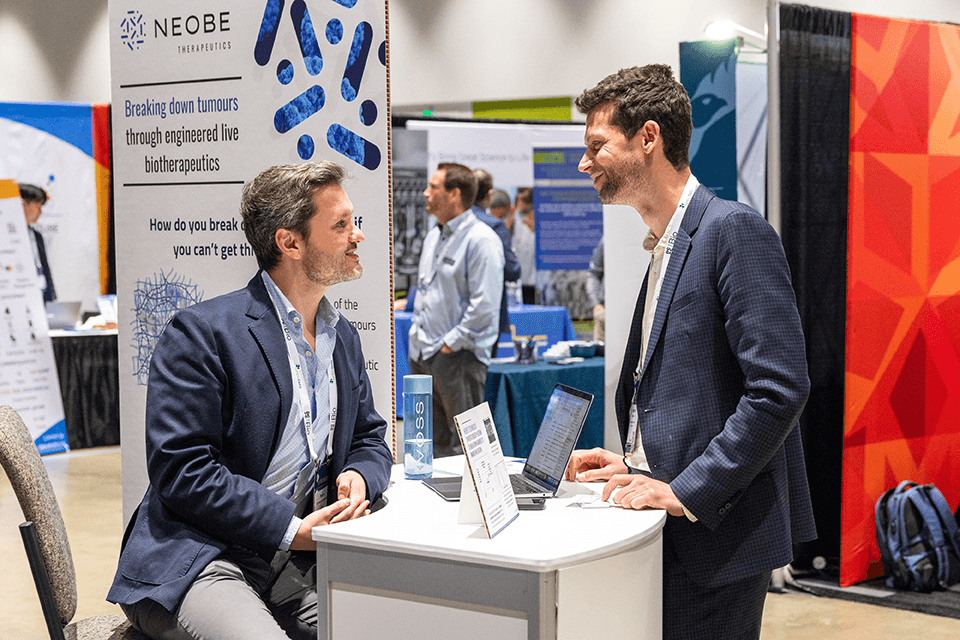
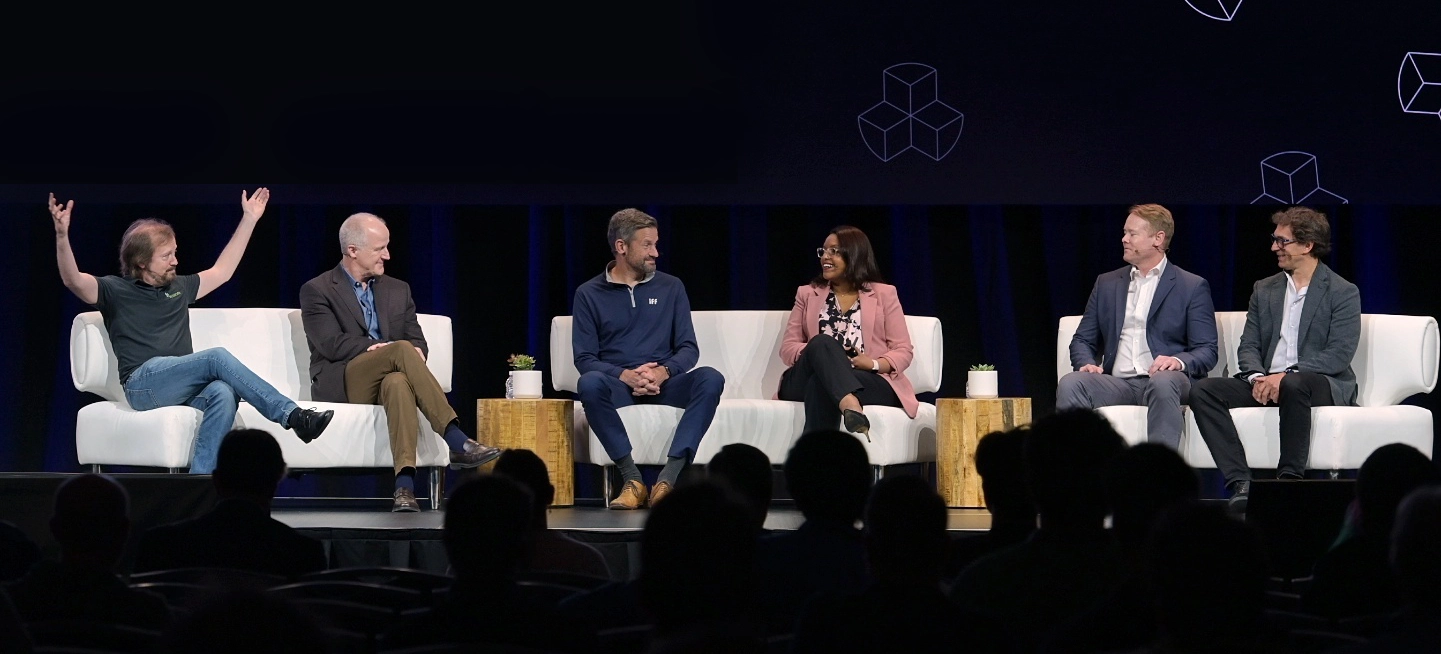
Founders on Stage
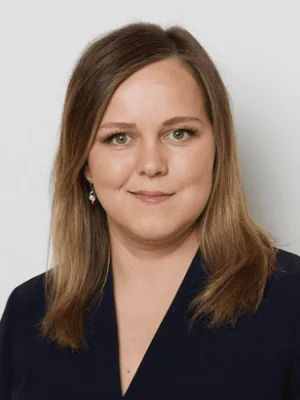
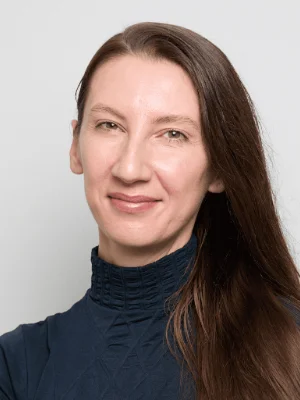
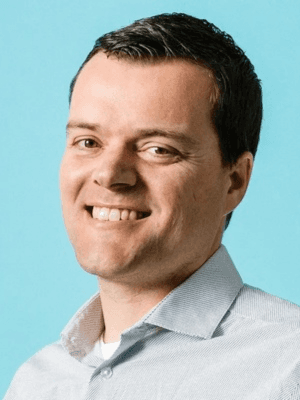
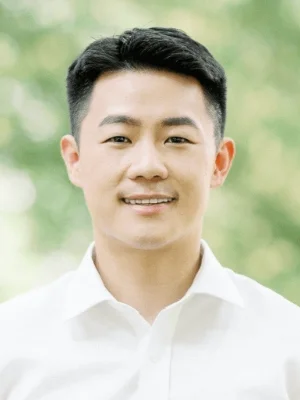
Why People Keep Coming Back
"An extraordinarily important conference, the only conference where I feel I learn a lot. SynBioBeta is my tribe!"
"An extraordinarily important conference, the only conference where I feel I learn a lot. SynBioBeta is my tribe!"
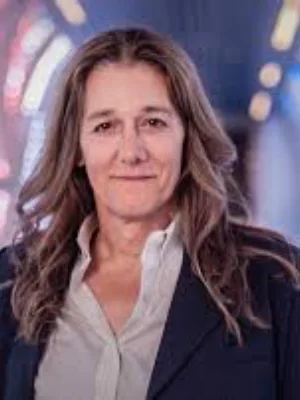
Martine Rothblatt
Founder & CEO, United Therapeutics
"There's no other conference that cuts across disciplines like SynBioBeta does, where you see public company CEOs interacting with early stage entrepreneurs and scientists."
"There's no other conference that cuts across disciplines like SynBioBeta does, where you see public company CEOs interacting with early stage entrepreneurs and scientists."
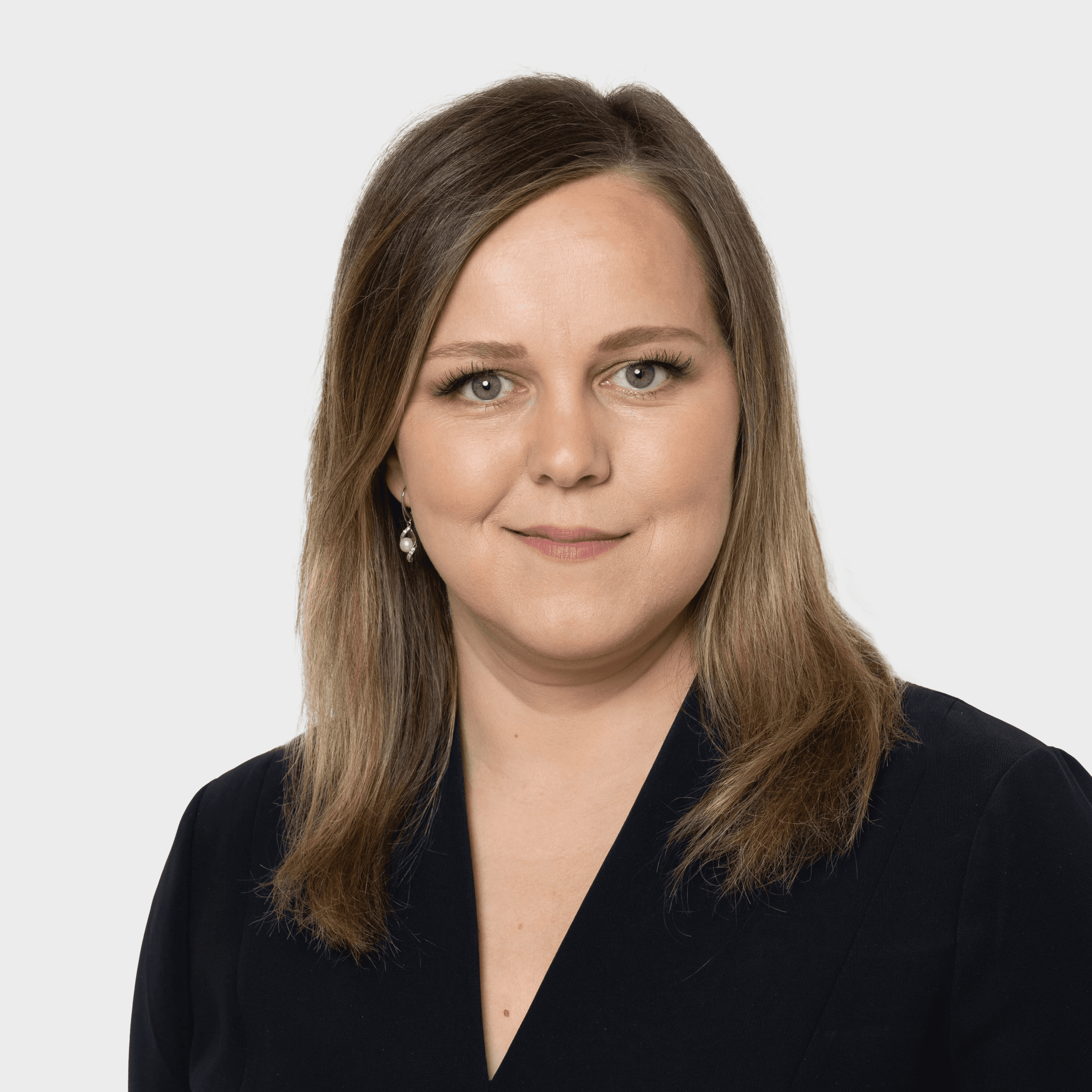
Ola Wlodek
CEO
"There is boundless creativity, ingenuity, and brilliance on display every year."
"There is boundless creativity, ingenuity, and brilliance on display every year."
Alexander Morgan
Partner, Khosla Ventures
“SynBioBeta is a who’s who of AI and biology. This is where the future is being built, so don't miss it”
“SynBioBeta is a who’s who of AI and biology. This is where the future is being built, so don't miss it”
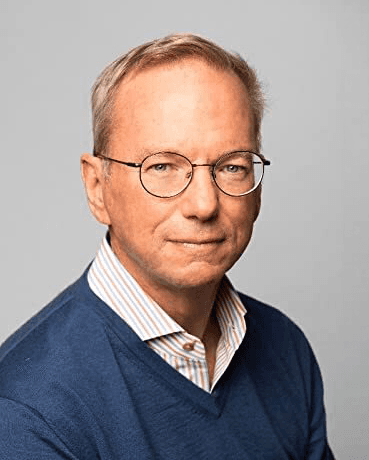
Eric Schmidt
Former CEO


















Why Your Team, Not Just You
Your head of R&D comes back understanding the AI landscape
Your BD lead comes back with warm introductions and closed deals
Your strategy team comes back knowing which startups are two years ahead of your internal roadmap
1 Day Pass
995
USD
Access to All Sessions
Attendee Directory
Networking Reception
1:1 Partnering App
1:1 Meeting Space
Lunch & Refreshments
Post Event Video Access

1
•
-
Human Health
From Cells to Patients: Solving the Scale Mismatch in Virtual Biology
Drug discovery often measures biology at the cell level, while therapies must ultimately work across tissues, organs, and whole patients. This scale mismatch means that even highly accurate cellular predictions can fail to translate in the clinic. This session explores strategies to bridge that gap. How do we connect single-cell dynamics to organ-level physiology and patient outcomes? How do we preserve biological context while scaling models? And how do we ensure that virtual biology does not stop at simulation, but informs real therapeutic decisions? Speakers will discuss multiscale modeling that links molecular and cellular systems to higher-order biology; spatial and high-dimensional phenotypic data that retain context; and integrated computational–experimental loops that translate cellular signals into clinically meaningful biomarkers. Together, we ask: how do we ensure virtual biology reflects not just what cells do in isolation, but how biology behaves in the full complexity of patients?
Featuring
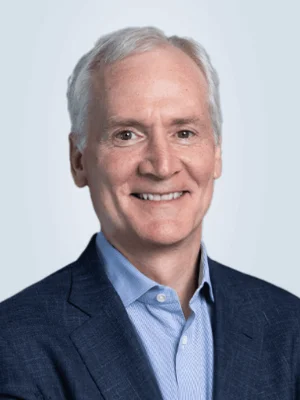
Marc Tessier-Lavigne
Xaira
Chairman & CEO
Neuroscience pioneer and former Stanford president building AI biotech.
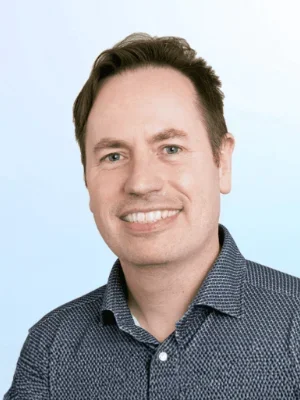
Kim Branson
GlaxoSmithKline
SVP, Global Head
Drug-discovery AI architect turning data into medicines.
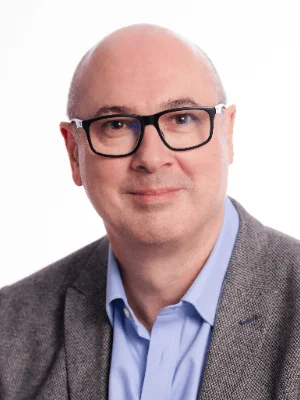
David Hallett
Recursion
CSO
Veteran “drug hunter” leading Recursion’s industrialized, AI-driven discovery.
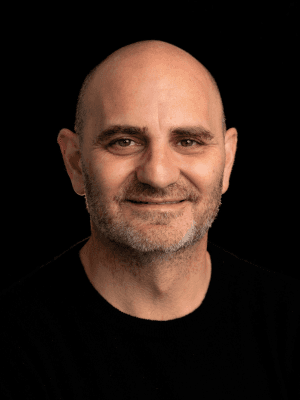
Ron Alfa
NOETIK Inc.
Co-Founder & CEO
Physician-scientist and veteran building AI cancer therapeutics.
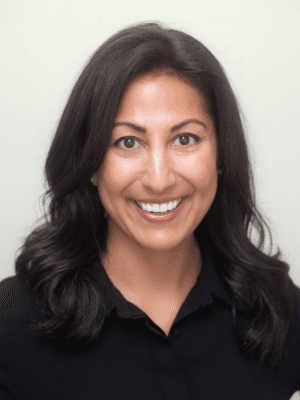
Stacie Calad-Thomson
NVIDIA
BD, Life Sciences
1
•
-
Human Health
From Cells to Patients: Solving the Scale Mismatch in Virtual Biology
Drug discovery often measures biology at the cell level, while therapies must ultimately work across tissues, organs, and whole patients. This scale mismatch means that even highly accurate cellular predictions can fail to translate in the clinic. This session explores strategies to bridge that gap. How do we connect single-cell dynamics to organ-level physiology and patient outcomes? How do we preserve biological context while scaling models? And how do we ensure that virtual biology does not stop at simulation, but informs real therapeutic decisions? Speakers will discuss multiscale modeling that links molecular and cellular systems to higher-order biology; spatial and high-dimensional phenotypic data that retain context; and integrated computational–experimental loops that translate cellular signals into clinically meaningful biomarkers. Together, we ask: how do we ensure virtual biology reflects not just what cells do in isolation, but how biology behaves in the full complexity of patients?
Featuring
Marc Tessier-Lavigne
Xaira
Chairman & CEO
Neuroscience pioneer and former Stanford president building AI biotech.
Kim Branson
GlaxoSmithKline
SVP, Global Head
Drug-discovery AI architect turning data into medicines.
David Hallett
Recursion
CSO
Veteran “drug hunter” leading Recursion’s industrialized, AI-driven discovery.
Ron Alfa
NOETIK Inc.
Co-Founder & CEO
Physician-scientist and veteran building AI cancer therapeutics.
Stacie Calad-Thomson
NVIDIA
BD, Life Sciences
1
•
-
AIxBIO
AIxBio Masterclass: CRISRP-GPT - LabOS/LabClaw Workshop with Le Cong
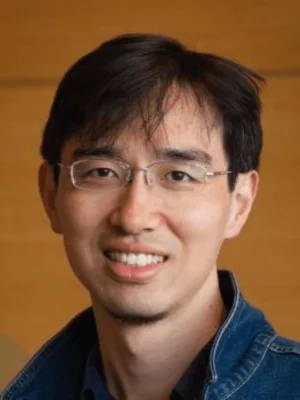
Join Stanford’s Le Cong for an immersive, hands-on masterclass exploring how CRISPR, genome engineering, and next-generation biological foundation models are converging to redefine programmable biology. This live CRISPR-GPT - LabOS/LabClaw Workshop will walk attendees through emerging AI-assisted editing workflows that pair large biological language models with precise genome engineering tools to accelerate design, improve specificity, and unlock new editing modalities. Participants will step inside real CRISPR-GPT workflows to see how LabOS/LabClaw-style systems can help interpret genomic context, predict repair outcomes, suggest optimized guide designs, and generate editing strategies for complex loci. Le Cong will demonstrate how AI-driven reasoning is beginning to streamline experimental planning, reduce screening burden, and push forward new frontiers in base editing, prime editing, and programmable gene modulation. This session is designed for scientists, engineers, founders, and R&D leaders who want to understand how AI-powered CRISPR design actually works in practice, and how tools like CRISPR-GPT, LabOS, and LabClaw can accelerate therapeutic development, functional genomics, and next-generation editing technologies.
1
•
-
AIxBIO
AIxBio Masterclass: CRISRP-GPT - LabOS/LabClaw Workshop with Le Cong
Join Stanford’s Le Cong for an immersive, hands-on masterclass exploring how CRISPR, genome engineering, and next-generation biological foundation models are converging to redefine programmable biology. This live CRISPR-GPT - LabOS/LabClaw Workshop will walk attendees through emerging AI-assisted editing workflows that pair large biological language models with precise genome engineering tools to accelerate design, improve specificity, and unlock new editing modalities. Participants will step inside real CRISPR-GPT workflows to see how LabOS/LabClaw-style systems can help interpret genomic context, predict repair outcomes, suggest optimized guide designs, and generate editing strategies for complex loci. Le Cong will demonstrate how AI-driven reasoning is beginning to streamline experimental planning, reduce screening burden, and push forward new frontiers in base editing, prime editing, and programmable gene modulation. This session is designed for scientists, engineers, founders, and R&D leaders who want to understand how AI-powered CRISPR design actually works in practice, and how tools like CRISPR-GPT, LabOS, and LabClaw can accelerate therapeutic development, functional genomics, and next-generation editing technologies.
2
•
-
AIxBIO
Beyond Static Predictions — AI for Protein Dynamics and Multi-Cell Models
The next frontier of biology isn’t in predicting a single static protein structure, but in capturing how proteins move, fold, and interact across time and environments. This session explores how AI can illuminate protein conformations and dynamics, and extend those insights into virtual multi-cellular or tissue models. Experts will discuss the challenge of integrating heterogeneous datasets and instruments, and how breakthroughs in dynamic modeling could reshape drug design, disease understanding, and biomanufacturing. Can we build models that reflect the living, breathing complexity of biology—not just snapshots, but motion?
Featuring
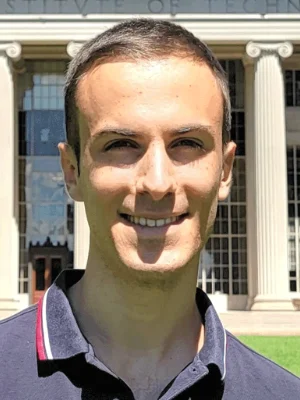
Gabriele Corso
Boltz
CEO
Built DiffDock and the Boltz open-source models reshaping drug discovery.
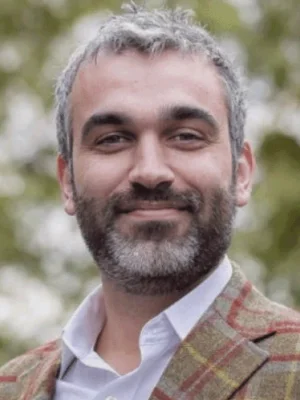
Peter Clark
Novo Nordisk
VP, CDD
Computational drug-design leader, shipped candidates from CAR-T to peptides.
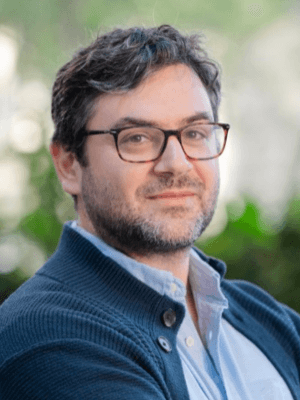
Theofanis Karaletsos
Achira
Co-founder
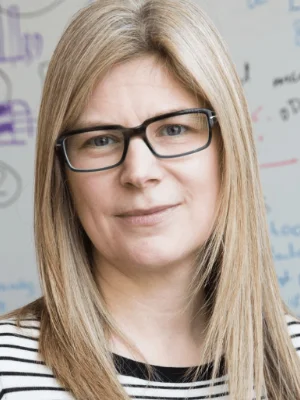
Tanja Kortemme
UCSF
Vice Dean of Research
De novo protein-design pioneer; NIH Pioneer Award winner.
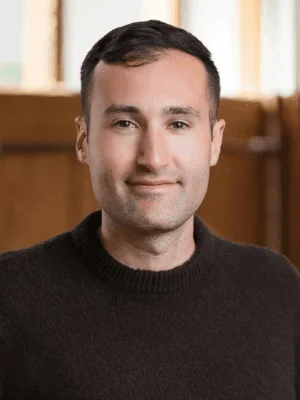
Elliot Hershberg
Amplify Partners
Partner, Author
Driving the Century of Biology
2
•
-
AIxBIO
Beyond Static Predictions — AI for Protein Dynamics and Multi-Cell Models
The next frontier of biology isn’t in predicting a single static protein structure, but in capturing how proteins move, fold, and interact across time and environments. This session explores how AI can illuminate protein conformations and dynamics, and extend those insights into virtual multi-cellular or tissue models. Experts will discuss the challenge of integrating heterogeneous datasets and instruments, and how breakthroughs in dynamic modeling could reshape drug design, disease understanding, and biomanufacturing. Can we build models that reflect the living, breathing complexity of biology—not just snapshots, but motion?
Featuring
Gabriele Corso
Boltz
CEO
Built DiffDock and the Boltz open-source models reshaping drug discovery.
Peter Clark
Novo Nordisk
VP, CDD
Computational drug-design leader, shipped candidates from CAR-T to peptides.
Theofanis Karaletsos
Achira
Co-founder
Tanja Kortemme
UCSF
Vice Dean of Research
De novo protein-design pioneer; NIH Pioneer Award winner.
Elliot Hershberg
Amplify Partners
Partner, Author
Driving the Century of Biology
3
•
-
Biomanufacturing
The Road to Commercial Scale: Capital and Market Demands Beyond the Pilot Plant
Scaling bio-based products to commercial production requires balancing technical readiness with market and financial realities. This session examines the capital investments, regulatory planning, and supply chain strategies necessary to move beyond the pilot stage. Experts will share lessons on aligning production capacity with demand forecasts, managing operational risk, and structuring partnerships that unlock funding and market access. Attendees will gain practical insights into navigating investor expectations, scaling efficiently without compromising quality, and making strategic decisions that ensure products can succeed commercially while meeting evolving market needs and sustainability goals.
Featuring
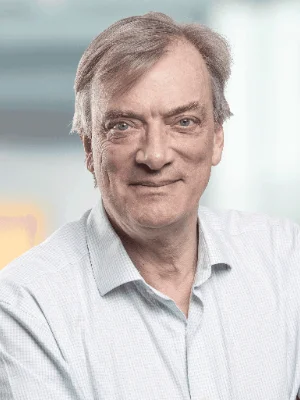
Per Falholt
21st.BIO
CSO, Co-founder
Launched ~200 enzyme products, industrial biotech scale-up expert
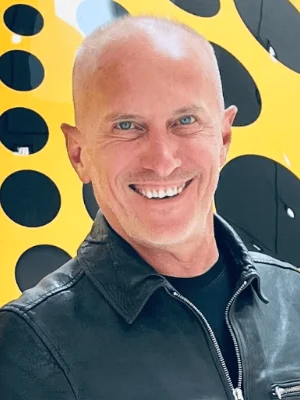
Vanderlei Bellettini
ADM
VP Precision Ferm. Ops
Bioprocess scale-up veteran turning fermentation into real-world products
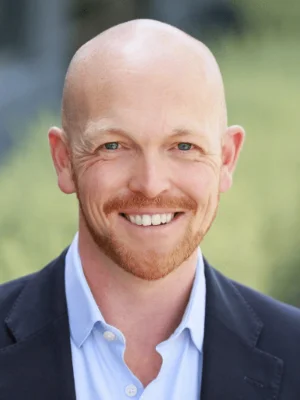
Richard Kenny
Hawkwood Biotech
Founder & Mng. Partner
Techno-economic analysis for the bioeconomy
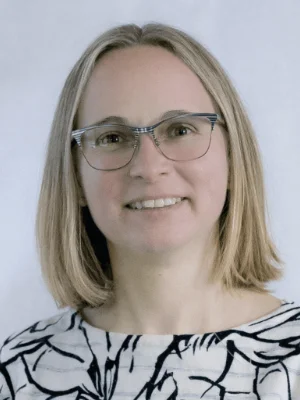
Verena Kallhoff
GHP
Sr. Dir, Global Life Sciences
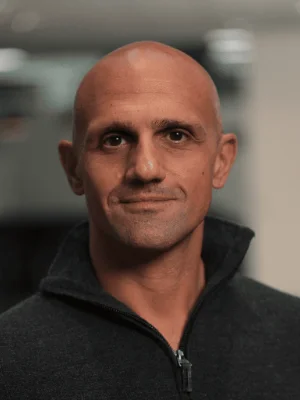
Riccardo LoCascio
Novonesis
Partnering - Precision Proteins
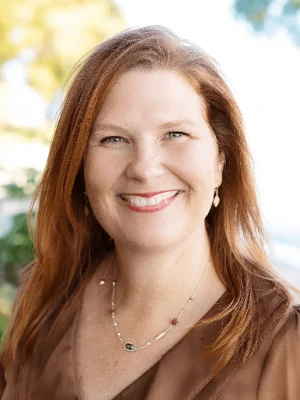
Cindy Groff-Vindman
CINBIO
Founder
3
•
-
Biomanufacturing
The Road to Commercial Scale: Capital and Market Demands Beyond the Pilot Plant
Scaling bio-based products to commercial production requires balancing technical readiness with market and financial realities. This session examines the capital investments, regulatory planning, and supply chain strategies necessary to move beyond the pilot stage. Experts will share lessons on aligning production capacity with demand forecasts, managing operational risk, and structuring partnerships that unlock funding and market access. Attendees will gain practical insights into navigating investor expectations, scaling efficiently without compromising quality, and making strategic decisions that ensure products can succeed commercially while meeting evolving market needs and sustainability goals.
Featuring
Per Falholt
21st.BIO
CSO, Co-founder
Launched ~200 enzyme products, industrial biotech scale-up expert
Vanderlei Bellettini
ADM
VP Precision Ferm. Ops
Bioprocess scale-up veteran turning fermentation into real-world products
Richard Kenny
Hawkwood Biotech
Founder & Mng. Partner
Techno-economic analysis for the bioeconomy
Verena Kallhoff
GHP
Sr. Dir, Global Life Sciences
Riccardo LoCascio
Novonesis
Partnering - Precision Proteins
Cindy Groff-Vindman
CINBIO
Founder
4
•
-
AIxBIO
The Data Reality Check: Human-First Biology for AI Models
Why do so many in silico models fail when moved to the lab or clinic? Too often, they’re trained on incomplete, non-human, or non-representative datasets. This session tackles the “data gap” head-on: from interoperability bottlenecks and the black box problem to the limits of current virtual cell simulations (~50 million perturbations vs. the billions biology demands). Panelists will explore how to create “human-first” datasets that reflect real biology, unlock mechanistic interoperability, and close the discovery–development divide. The goal: build AI tools that can directly identify viable drug candidates instead of stalling in silico.
Featuring
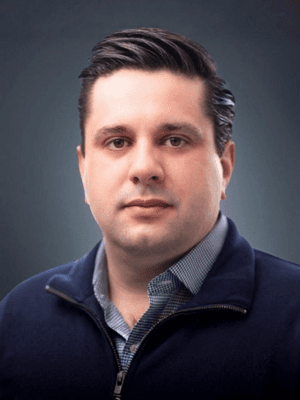
Andrei Georgescu
Vivodyne
CEO
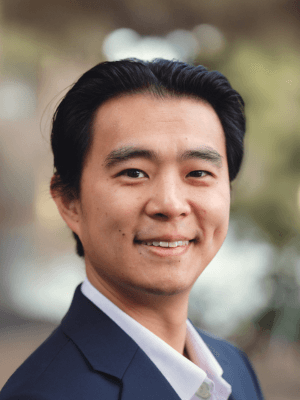
Johnny Yu
Tahoe Therapeutics
CSO & Co-founder
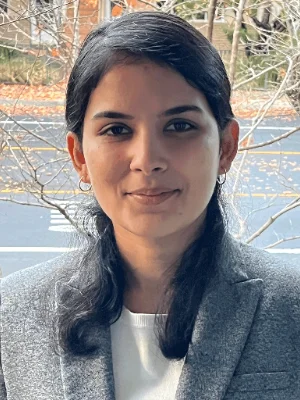
Avantika Lal
Genentech
Principal ML Scientist II
Building DNA foundation models that design regulatory sequences.
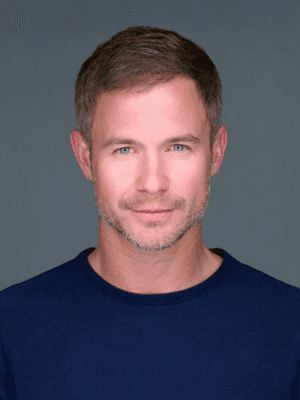
Daniel Georgiev
Sampling Human
CEO & Co-founder
Krish Ramadurai
AIX Ventures
Partner
TechBio investor backing AI-designed drugs and breakthroughs.
4
•
-
AIxBIO
The Data Reality Check: Human-First Biology for AI Models
Why do so many in silico models fail when moved to the lab or clinic? Too often, they’re trained on incomplete, non-human, or non-representative datasets. This session tackles the “data gap” head-on: from interoperability bottlenecks and the black box problem to the limits of current virtual cell simulations (~50 million perturbations vs. the billions biology demands). Panelists will explore how to create “human-first” datasets that reflect real biology, unlock mechanistic interoperability, and close the discovery–development divide. The goal: build AI tools that can directly identify viable drug candidates instead of stalling in silico.
Featuring
Andrei Georgescu
Vivodyne
CEO
Johnny Yu
Tahoe Therapeutics
CSO & Co-founder
Avantika Lal
Genentech
Principal ML Scientist II
Building DNA foundation models that design regulatory sequences.
Daniel Georgiev
Sampling Human
CEO & Co-founder
Krish Ramadurai
AIX Ventures
Partner
TechBio investor backing AI-designed drugs and breakthroughs.
5
•
-
Human Health
Programmable Immunity: Engineering the Universal Antivenom
For over a century, antivenoms have relied on serum extraction from animals — a process that’s costly, inconsistent, and limited to specific snake species. Today, advances in synthetic biology and antibody engineering are pointing toward a different future: a universal antivenom capable of neutralizing toxins across the world’s deadliest snakes. This session dives into the science and story behind this breakthrough — from the man who endured more than 200 bites to generate a unique immune response, to the researchers using those antibodies to design broad-spectrum, recombinant therapies. Together, they’re charting the path from survival experiment to programmable immunity.
5
•
-
Human Health
Programmable Immunity: Engineering the Universal Antivenom
For over a century, antivenoms have relied on serum extraction from animals — a process that’s costly, inconsistent, and limited to specific snake species. Today, advances in synthetic biology and antibody engineering are pointing toward a different future: a universal antivenom capable of neutralizing toxins across the world’s deadliest snakes. This session dives into the science and story behind this breakthrough — from the man who endured more than 200 bites to generate a unique immune response, to the researchers using those antibodies to design broad-spectrum, recombinant therapies. Together, they’re charting the path from survival experiment to programmable immunity.
6
•
-
Biomanufacturing
Full Stack Bio: How Can Biotech Collaborate to Achieve Scale with Competitive COGS
Scaling bio-based products requires integrated technical collaboration across strain engineering, fermentation, downstream processing, and analytics. Full-stack approaches—where startups, CDMOs, and platform technology providers align early on—can optimize yield, reduce variability, and lower cost of goods (COGS) at commercial scale. This session explores case studies of cross-company collaboration, from co-development of microbial strains and bioreactor designs to shared process analytics and predictive modeling. Hear how teams are breaking down technical silos to accelerate scale-up, improve reproducibility, and create competitive, sustainable manufacturing solutions that bring synthetic biology products from the lab to the market efficiently.
Featuring
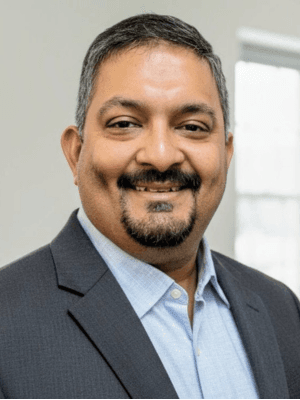
Babu Raman
Corteva Agriscience
External Collab. Portfolio Leader
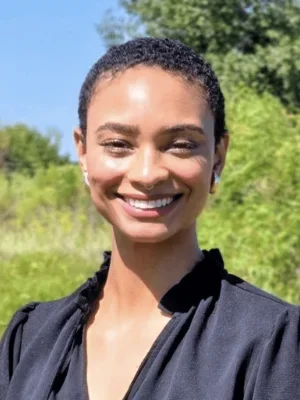
Colby Adolph
Evonik
Sales Director
Fermentation scale-up connector: turning prototypes into manufacturable reality
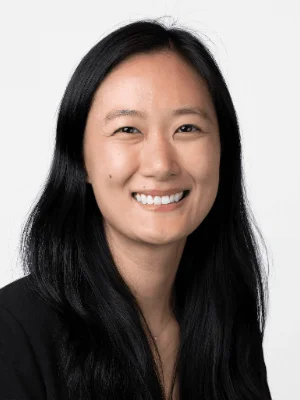
Ling Li
ADM
Dir. Market Dev., Prec. Ferm.
Precision fermentation dealmaker bridging startups, scale, and brands
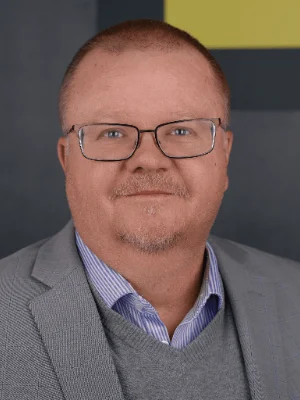
Eric Lee
Primient
Director, B&D - Fermentation
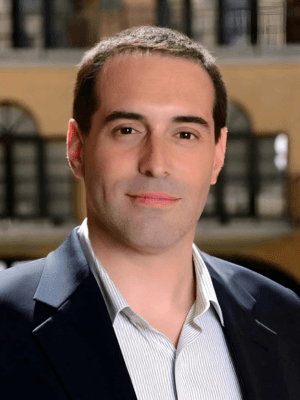
Jamie Bacher
Finish Line Bio
Principal
Ag-biotech veteran guiding tech to market.
6
•
-
Biomanufacturing
Full Stack Bio: How Can Biotech Collaborate to Achieve Scale with Competitive COGS
Scaling bio-based products requires integrated technical collaboration across strain engineering, fermentation, downstream processing, and analytics. Full-stack approaches—where startups, CDMOs, and platform technology providers align early on—can optimize yield, reduce variability, and lower cost of goods (COGS) at commercial scale. This session explores case studies of cross-company collaboration, from co-development of microbial strains and bioreactor designs to shared process analytics and predictive modeling. Hear how teams are breaking down technical silos to accelerate scale-up, improve reproducibility, and create competitive, sustainable manufacturing solutions that bring synthetic biology products from the lab to the market efficiently.
Featuring
Babu Raman
Corteva Agriscience
External Collab. Portfolio Leader
Colby Adolph
Evonik
Sales Director
Fermentation scale-up connector: turning prototypes into manufacturable reality
Ling Li
ADM
Dir. Market Dev., Prec. Ferm.
Precision fermentation dealmaker bridging startups, scale, and brands
Eric Lee
Primient
Director, B&D - Fermentation
Jamie Bacher
Finish Line Bio
Principal
Ag-biotech veteran guiding tech to market.
7
•
-
Tools & Tech
AI Co-Scientists: From Pipettes to Protocols
Biology is entering an era where AI agents don’t just analyze data — they co-design, plan, and execute experiments. Multi-agent systems like CRISPR-GPT demonstrate how AI can act as a true lab co-pilot: decomposing complex genome editing projects into stepwise workflows, selecting tools, troubleshooting, and even drafting protocols that allow junior researchers to perform sophisticated edits on their first attempt . Beyond CRISPR, new systems like BioMARS integrate reasoning agents with robotics, while biotech companies are testing “AI lab assistants” that monitor and adjust experiments in real time. This session explores how multi-agent copilots are making biology more reproducible, democratizing complex workflows, and pushing the boundaries of lab autonomy. The central question: when AI can plan, troubleshoot, and validate experiments end-to-end, how should scientists and institutions govern this new power?
7
•
-
Tools & Tech
AI Co-Scientists: From Pipettes to Protocols
Biology is entering an era where AI agents don’t just analyze data — they co-design, plan, and execute experiments. Multi-agent systems like CRISPR-GPT demonstrate how AI can act as a true lab co-pilot: decomposing complex genome editing projects into stepwise workflows, selecting tools, troubleshooting, and even drafting protocols that allow junior researchers to perform sophisticated edits on their first attempt . Beyond CRISPR, new systems like BioMARS integrate reasoning agents with robotics, while biotech companies are testing “AI lab assistants” that monitor and adjust experiments in real time. This session explores how multi-agent copilots are making biology more reproducible, democratizing complex workflows, and pushing the boundaries of lab autonomy. The central question: when AI can plan, troubleshoot, and validate experiments end-to-end, how should scientists and institutions govern this new power?
8
•
-
AIxBIO
Data Factories: Building the Infrastructure for AI-Ready Biology
Biology is entering an AI-driven era, but most experimental infrastructure still produces data designed for individual experiments, not for learning at scale. As a result, much of today’s data is useful in the moment but poorly suited for training robust, long-lived models. This session will explore what biological data matters most today, what data needs to be generated now to support future models, and how leading teams are closing that gap. Panelists will discuss how automation, metadata discipline, and standardized testing pipelines can turn artisanal lab workflows into continuous experiment-to-learning systems. The focus will be on infrastructure and experimental design, highlighting practical bottlenecks, emerging best practices, and what becomes possible when biology produces abundant, high-quality, model-ready data by default.
Featuring
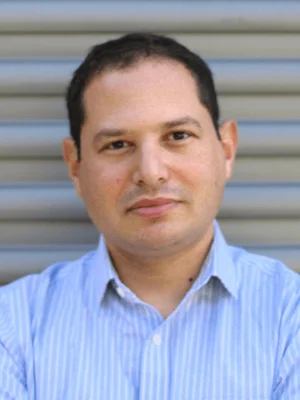
Ori Zakin
BioRaptor
CEO
Building bioprocess R&D operating systems from noisy data.
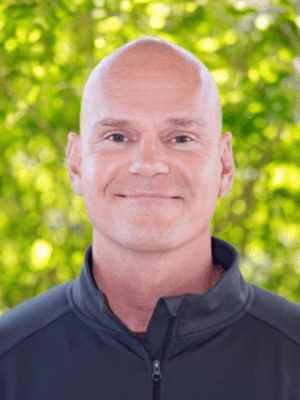
Michael Koeris
DARPA
Director, BTO
Protecting National Security with Biology
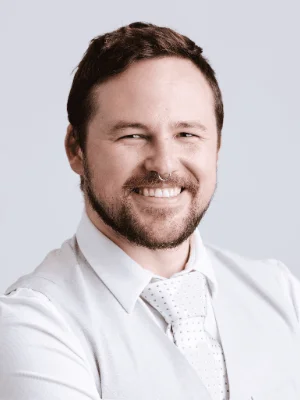
Chase Olle
Robot on Rails
Founder & CEO
MIT-trained lab-robotics founder automating bench experiments at scale.
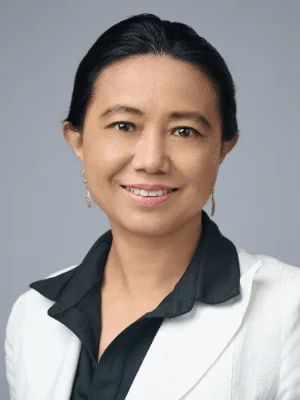
Michelle Chen
Form Bio
Pres, CEO & Board Mem.
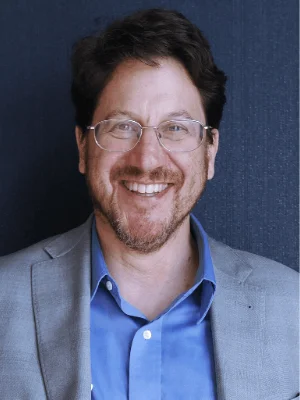
Barry Bunin
CDD
Founder & CEO
Invented CDD Vault, data-sharing platform for drug discovery.
8
•
-
AIxBIO
Data Factories: Building the Infrastructure for AI-Ready Biology
Biology is entering an AI-driven era, but most experimental infrastructure still produces data designed for individual experiments, not for learning at scale. As a result, much of today’s data is useful in the moment but poorly suited for training robust, long-lived models. This session will explore what biological data matters most today, what data needs to be generated now to support future models, and how leading teams are closing that gap. Panelists will discuss how automation, metadata discipline, and standardized testing pipelines can turn artisanal lab workflows into continuous experiment-to-learning systems. The focus will be on infrastructure and experimental design, highlighting practical bottlenecks, emerging best practices, and what becomes possible when biology produces abundant, high-quality, model-ready data by default.
Featuring
Ori Zakin
BioRaptor
CEO
Building bioprocess R&D operating systems from noisy data.
Michael Koeris
DARPA
Director, BTO
Protecting National Security with Biology
Chase Olle
Robot on Rails
Founder & CEO
MIT-trained lab-robotics founder automating bench experiments at scale.
Michelle Chen
Form Bio
Pres, CEO & Board Mem.
Barry Bunin
CDD
Founder & CEO
Invented CDD Vault, data-sharing platform for drug discovery.
9
•
-
Planetary Health
The New Main Course: Cultured Meat + Precision Fermentation
Plant-based food sales may be slowing, but that doesn’t mean innovation on the plate is stalling. Instead, momentum is shifting toward breakthrough technologies and smarter ingredient combinations. Cultured meat and precision fermentation are driving the next wave of sustainable ingredients, from proteins to cultured fats that bring authentic flavor and texture. This session highlights advances in cell culture, fermentation platforms, and scale-up strategies, along with the partnerships moving products from R&D to dining tables. Hear how food innovators are combining biology and culinary creativity to build a resilient, delicious, and sustainable future for global diets.
Featuring
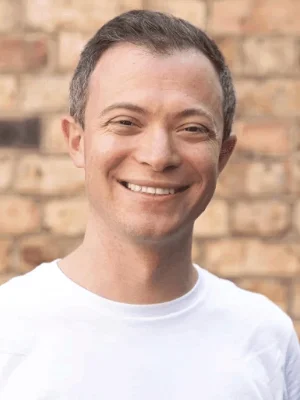
Max Jamilly
Hoxton Farms
CEO & Co-founder
Cultivated-fat pioneer making alt-meat taste real.
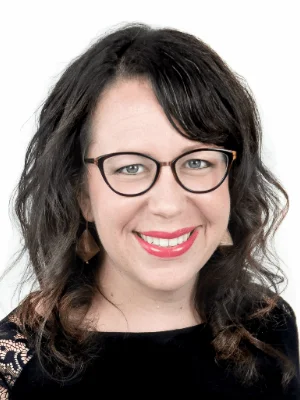
Laura Kliman
Impossible Foods
Senior R&D Director
Making plant-based meat possible
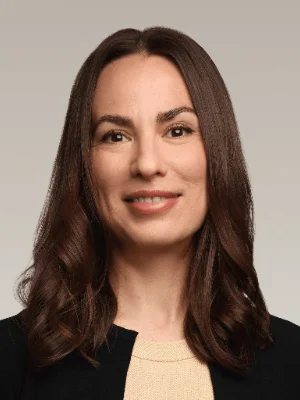
Isabelle Decitre
ID Capital
Founder
Future Food Asia founder. Synbio food-systems investor.
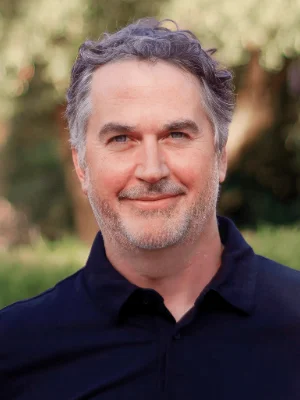
Jason Ryder
Oobli
Founder & CTO
Turns exotic sweet proteins into craveable sweetness without sugar.
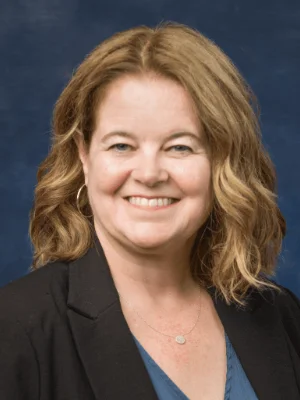
Megan Thomas
Ladder 17
Founder & CEO
Launched the first CRISPR food in the US, award-winning storytelling podcast host.
9
•
-
Planetary Health
The New Main Course: Cultured Meat + Precision Fermentation
Plant-based food sales may be slowing, but that doesn’t mean innovation on the plate is stalling. Instead, momentum is shifting toward breakthrough technologies and smarter ingredient combinations. Cultured meat and precision fermentation are driving the next wave of sustainable ingredients, from proteins to cultured fats that bring authentic flavor and texture. This session highlights advances in cell culture, fermentation platforms, and scale-up strategies, along with the partnerships moving products from R&D to dining tables. Hear how food innovators are combining biology and culinary creativity to build a resilient, delicious, and sustainable future for global diets.
Featuring
Max Jamilly
Hoxton Farms
CEO & Co-founder
Cultivated-fat pioneer making alt-meat taste real.
Laura Kliman
Impossible Foods
Senior R&D Director
Making plant-based meat possible
Isabelle Decitre
ID Capital
Founder
Future Food Asia founder. Synbio food-systems investor.
Jason Ryder
Oobli
Founder & CTO
Turns exotic sweet proteins into craveable sweetness without sugar.
Megan Thomas
Ladder 17
Founder & CEO
Launched the first CRISPR food in the US, award-winning storytelling podcast host.
10
•
-
Human Health
Bridging Discovery and Delivery: Startup–Pharma Alliances for the AI Era
As biology becomes programmable and AI accelerates discovery, startups are generating breakthrough innovations at unprecedented speed. Yet translating these advances into real-world therapies still depends on effective collaboration with global pharmaceutical organizations. This session explores how the innovation ecosystem connects early-stage breakthroughs to scalable development, bringing together leaders from startup incubation, external innovation, and pharma strategy. Speakers will examine how AI-native biotech companies engage with pharma today: how startups become “pharma-ready,” how external innovation teams evaluate and structure partnerships, and what collaboration models are emerging as biology and computation converge. From early ecosystem support and venture building to strategic alliances and co-development pathways, the discussion will provide a practical look at how ideas move from discovery to patient impact in the AI era.
Featuring
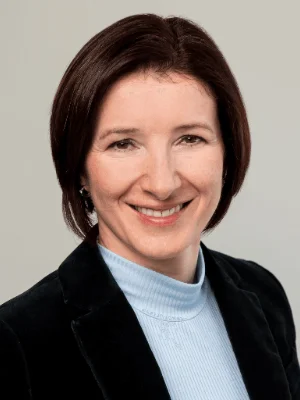
Ekaterine Kortkhonjia
J&J
Sr. Dir, Transactions
Big-pharma dealmaker scouting early AI/data-science partnerships.
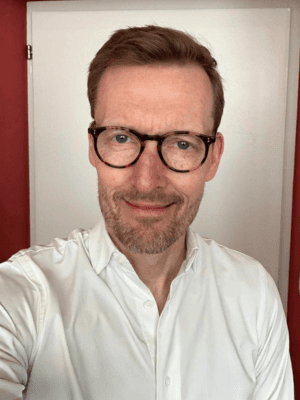
Soren Flygenring Basset
Lonza
Exec Dir, Head of Innovation
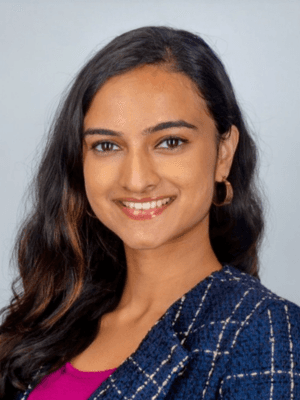
Sonal Pai
Bristol Myers Squibb
Sr Dir, AI/Digital Ext. Innovation & Partnering
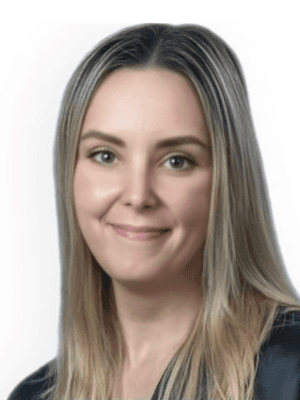
Kristina Kitko
Eli Lilly
Director of Venture
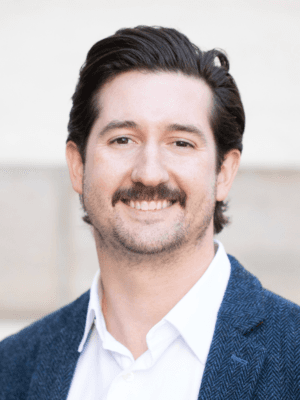
Zach Cogan
Nucleate HQ
President Emeritus
10
•
-
Human Health
Bridging Discovery and Delivery: Startup–Pharma Alliances for the AI Era
As biology becomes programmable and AI accelerates discovery, startups are generating breakthrough innovations at unprecedented speed. Yet translating these advances into real-world therapies still depends on effective collaboration with global pharmaceutical organizations. This session explores how the innovation ecosystem connects early-stage breakthroughs to scalable development, bringing together leaders from startup incubation, external innovation, and pharma strategy. Speakers will examine how AI-native biotech companies engage with pharma today: how startups become “pharma-ready,” how external innovation teams evaluate and structure partnerships, and what collaboration models are emerging as biology and computation converge. From early ecosystem support and venture building to strategic alliances and co-development pathways, the discussion will provide a practical look at how ideas move from discovery to patient impact in the AI era.
Featuring
Ekaterine Kortkhonjia
J&J
Sr. Dir, Transactions
Big-pharma dealmaker scouting early AI/data-science partnerships.
Soren Flygenring Basset
Lonza
Exec Dir, Head of Innovation
Sonal Pai
Bristol Myers Squibb
Sr Dir, AI/Digital Ext. Innovation & Partnering
Kristina Kitko
Eli Lilly
Director of Venture
Zach Cogan
Nucleate HQ
President Emeritus
12
•
-
Planetary Health
Everyday Bio: Understand the Bio-Products Consumers Love—and Why
Biotech is no longer behind the scenes—it’s on our shelves, in our homes, and part of our daily routines. From sustainable haircare to household cleaning, and high-performance materials, bio-based innovations are redefining everyday consumer experiences. This session explores what drives adoption, how brands communicate the value of biology, and why trust, transparency, and performance are key to building loyalty. Join us to hear from the companies making biology irresistible, accessible, and seamlessly integrated into daily life—and learn what it takes to create bio-products consumers truly love.
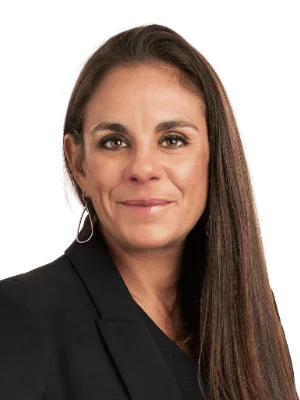
12
•
-
Planetary Health
Everyday Bio: Understand the Bio-Products Consumers Love—and Why
Biotech is no longer behind the scenes—it’s on our shelves, in our homes, and part of our daily routines. From sustainable haircare to household cleaning, and high-performance materials, bio-based innovations are redefining everyday consumer experiences. This session explores what drives adoption, how brands communicate the value of biology, and why trust, transparency, and performance are key to building loyalty. Join us to hear from the companies making biology irresistible, accessible, and seamlessly integrated into daily life—and learn what it takes to create bio-products consumers truly love.