SynBioBeta Speaker
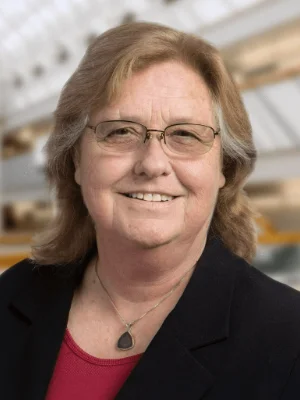
Cynthia Collins
Ginkgo Bioworks
GM, Ginkgo Reagents
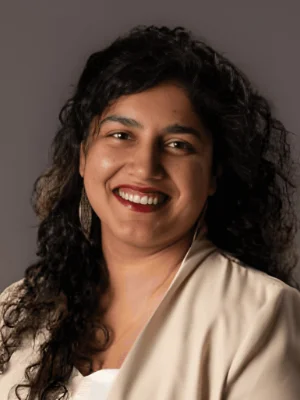
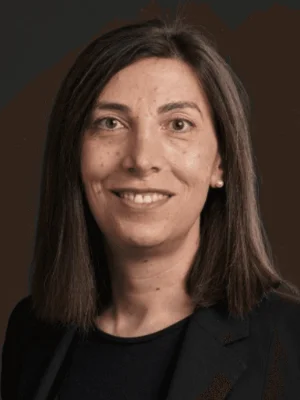
Cynthia Collins is a distinguished leader at the intersection of synthetic biology, biological engineering, and commercial manufacturing. As the General Manager of the Reagents Business at Ginkgo Bioworks, Cynthia leads the strategic development and delivery of high-performance reagents designed to power high-throughput automated workflows and AI-driven science at scale. Under her leadership, the Reagents group has launched a suite of industry-leading Cell-Free Protein Synthesis (CFPS) products and shared their vision to provide products engineered to meet the unique demands of executing biological research in the autonomous lab.Throughout her career, Cynthia has been recognized with several prestigious honors. She was named a World Economic Forum (WEF) Young Scientist, a distinction awarded to elite researchers contributing to the global public good. Her foundational work in microbial systems earned her the NSF CAREER Award, and her extensive service to the scientific community was recognized with the ACS BIOT Van Lanen Award.Before joining Ginkgo, Cynthia spent 13 years as an Associate Professor at Rensselaer Polytechnic Institute (RPI), where her research group pioneered the engineering of microbial communities and cell-cell communication (quorum sensing). She holds a B.Sc. in Chemistry and Biochemistry from the University of Toronto and a Ph.D. in Biochemistry and Molecular Biophysics from Caltech. While at Caltech, she worked under the mentorship of Nobel Laureate Frances Arnold, applying directed evolution to engineer quorum-sensing transcription factors that have since become staple parts in the synthetic biology toolkit.