SynBioBeta Speaker
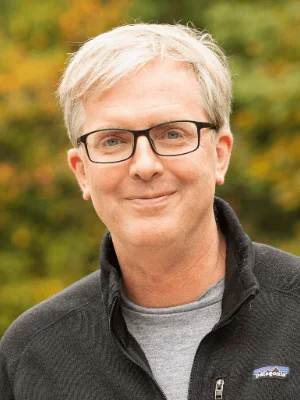
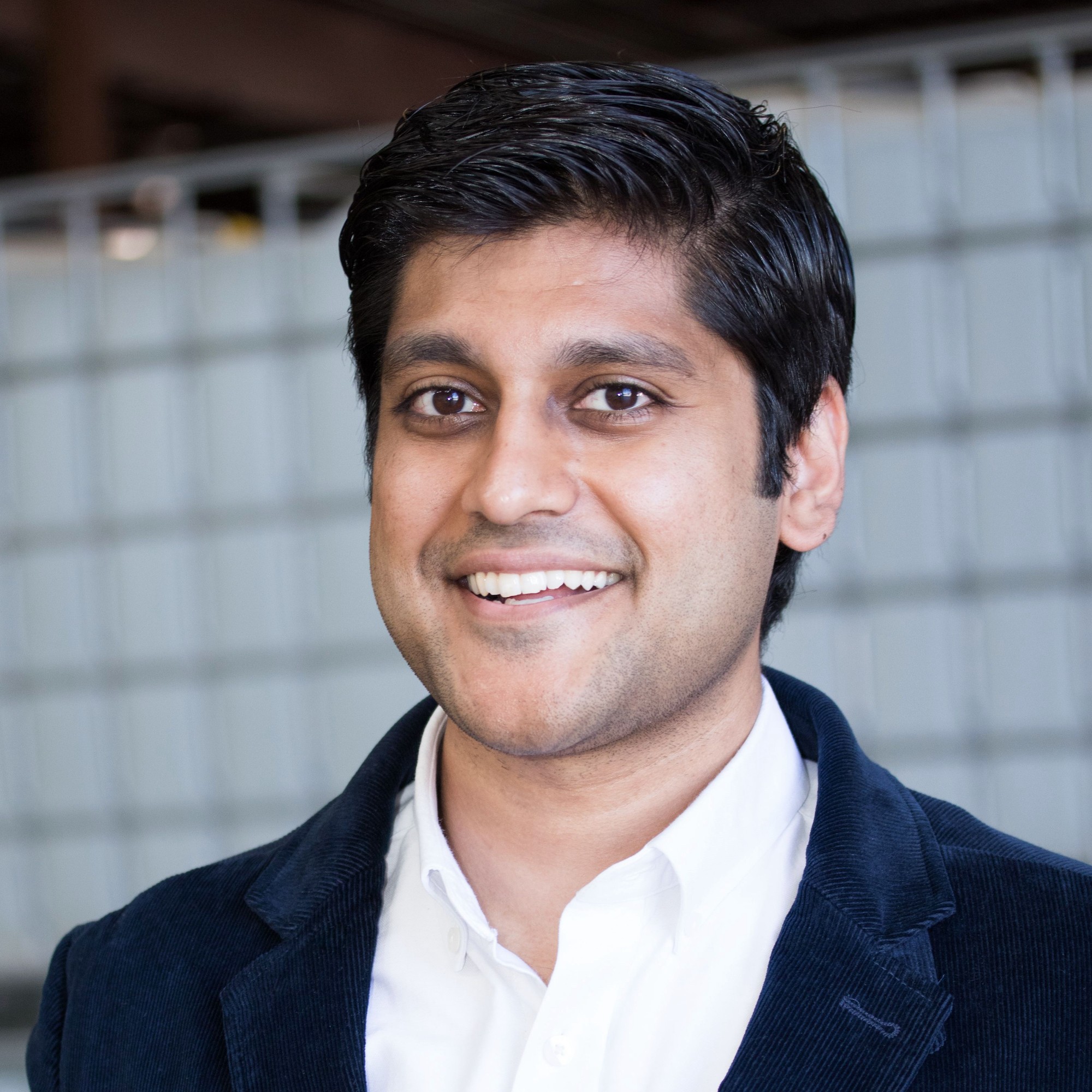
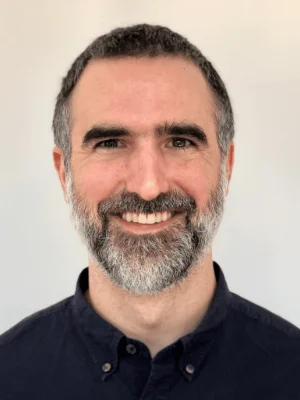
Eric Kelsic
Dyno Therapeutics
CEO
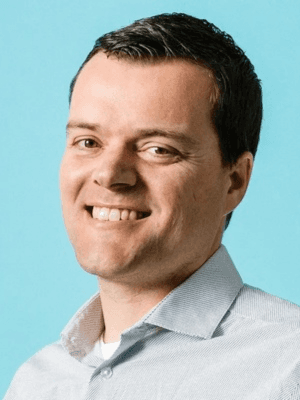
Eric Kelsic is a scientist and entrepreneur leading the transformation of gene therapy through artificial intelligence. As the CEO and Co-founder of Dyno Therapeutics, he is pioneering an AI-powered platform to solve the industry’s greatest bottleneck: the safe and effective in vivo delivery of genetic medicines.Eric’s work is rooted in a "physics-first" philosophy, viewing biological systems as programmable machines. Prior to founding Dyno, he was a researcher in George Church’s lab at the Wyss Institute of Harvard Medical School, where he led the team that developed Dyno’s core technology. During this time, he published foundational research in Science, measuring the first comprehensive fitness landscape of the AAV capsid and co-discovering the AAV MAAP gene.Under his leadership, Dyno has raised over $100M in financing (including a Series A led by a16z) and established a dominant partnership network with global leaders like Astellas, Roche, and NVIDIA. Eric holds a PhD in Systems Biology from Harvard University and a BS in Physics from Caltech. He has been recognized as one of Endpoint News’ "20 under 40" next-gen biotech leaders and Xconomy’s Startup Founder of the Year.
SynBioBeta 2026 Tickets are Live
Confirmed Speakers
Sessions Featuring
Eric
This Year
•
-
Human Health
Building the Movement for Genetic Agency: The Future of Personalized, Programmable Medicine
Get a Ticket
•
-
Human Health
Building the Movement for Genetic Agency: The Future of Personalized, Programmable Medicine
Get a Ticket
Session lineup still growing
Get a Ticket
Featuring
Speaker Coming Soon
•
-
Human Health
From Cells to Patients: Solving the Scale Mismatch in Virtual Biology
Drug discovery often measures biology at the cell level while interventions work at the tissue, organ, or whole-patient scale. This mismatch can make accurate cell-level predictions irrelevant in the clinic. This session dives into strategies to bridge that gap: multiscale modeling that nests single-cell dynamics within organ-level simulations, spatial transcriptomics that preserve context, and surrogate models that translate cell-level outputs into clinical biomarkers. Speakers will ask: how do we ensure virtual biology reflects not just what cells do in isolation, but how biology behaves in the real complexity of patients?
Get a Ticket
Featuring
Speaker Coming Soon