SynBioBeta Speaker
Matt Anderson-Baron
Future Fields
CEO
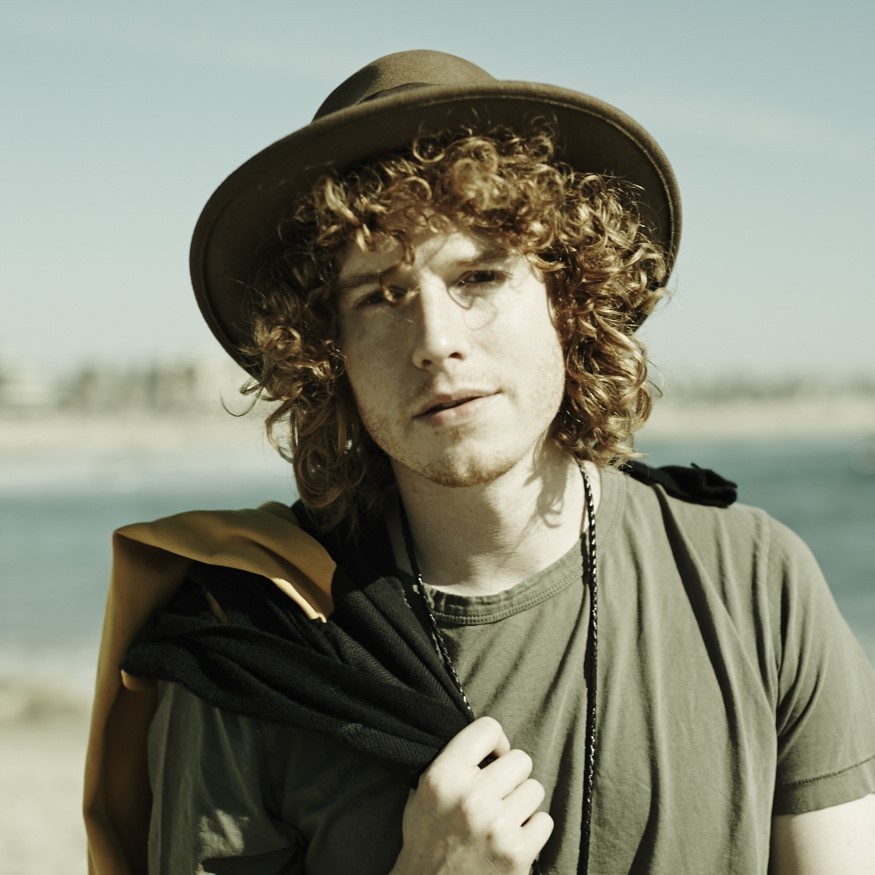
Dr. Matt Anderson-Baron is the cofounder and CEO of Future Fields, an Edmonton-based biomanufacturing company that is redefining the production of recombinant proteins. Matt is the inventor of Future Fields pioneering technology, the EntoEngine™, the world’s first synthetic biology platform to utilize the common fruit fly (Drosophila melanogaster) as a sustainable, scalable alternative to traditional bioreactors.Driven by the mission to "make the unmakeable," Matt has been instrumental in transitioning Future Fields from a bold startup concept into a global biomanufacturing partner. The company now works with industry leaders across life sciences, agrisciences, and drug discovery by manufacturing proteins at scale with a fraction of the environmental footprint and cost associated with conventional methods.Matt is A PhD-trained cell biologist turned entrepreneur, and combines a deep scientific rigor with a passion for disruptive technology. Formerly a touring punk-rock musician before returning to academia, he leverages his unique background to foster a culture of curiosity with candor and innovation.Future Fields is committed to the sustainable biotech, as a Green-certified lab, and as members of 1% for the Planet and the UN Global Compact.