SynBioBeta Speaker
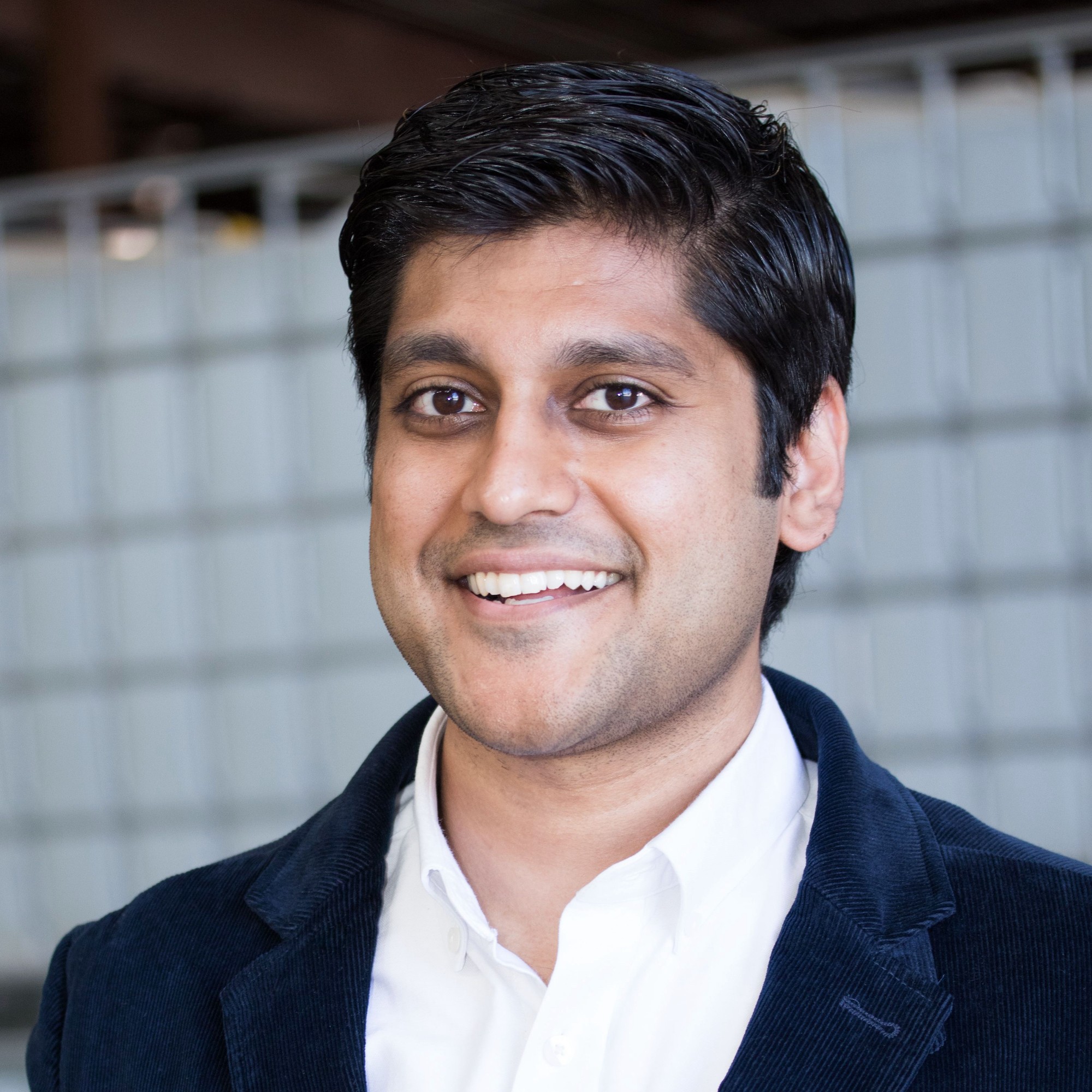
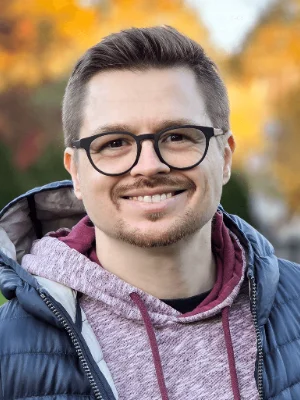
Sergiy Velychko
Soxogen
Founder & CEO
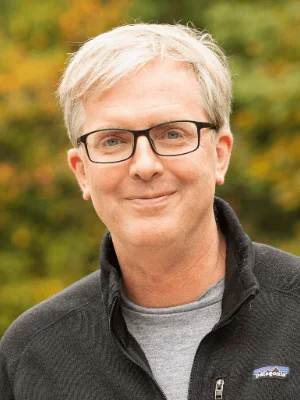
Sergiy Velychko, PhD, is a stem cell biologist and the founder and CEO of Soxogen. He received his BSc in Biology from Taras Shevchenko National University of Kyiv in 2010, graduating with distinction, and his MSc in Molecular Bioengineering from the Biotechnology Center of TU Dresden, Germany, on a competitive scholarship. His master's thesis focused on correcting heritable immune deficiencies through precision genetic engineering of patient-derived human iPSCs, contributing to a later publication in Molecular Therapy.In 2012, he joined the laboratory of Prof. Hans R. Schöler at the Max Planck Institute for Molecular Biomedicine in Münster, Germany, where he studied the molecular roles of Oct4 and Sox2 in cellular reprogramming. His key finding — that excluding Oct4, long considered the most essential of the Yamanaka factors, from the reprogramming cocktail actually improves the developmental potential of the resulting iPSCs — was published as a cover article in Cell Stem Cell in 2019, selected as a Top Technical Advance of the Year by The Scientist, and awarded Best Publication of the Year by the German Stem Cell Network. He defended his PhD Summa Cum Laude in 2020.During his postdoc, Sergiy engineered super-SOX — a chimeric transcription factor with enhanced Sox2/Oct4 cooperativity that drives efficient iPSC reprogramming across multiple mammalian species, including non-human primates. In 2022, he joined the laboratory of Prof. George Church at Harvard Medical School, where he continued his work on cellular reprogramming and naïve pluripotency, and where the super-SOX work was published in Cell Stem Cell in 2024.In 2026, he founded Soxogen, a biotech startup developing enhanced cellular reprogramming technologies with applications in regenerative medicine and reproduction.
SynBioBeta 2026 Tickets are Live
Confirmed Speakers
Sessions Featuring
Sergiy
This Year
•
-
Human Health
Reconstructing the Body: Can Biological Replacement Reverse Aging and Extend Lifespan?
Despite major advances in the biology of aging, there are still no interventions that clearly slow or reverse aging in humans. In contrast, modern medicine already depends on replacement to restore lost function, from artificial joints and cardiac devices to organ transplants and stem cell therapies. This session examines how a similar framework could be applied to aging: rather than repairing deteriorated cells and tissues, scientists and companies are exploring ways to replace them with newly generated, biologically young equivalents. The discussion will highlight emerging capabilities in engineered cell sources, scalable tissue fabrication, and programmable biology (instead of "integration") strategies that are redefining what can be rebuilt and replaced. New approaches are beginning to address long-standing challenges such as age-related signaling environments, vascularization, and even circuit compatibility in parts of the brain. Together, these advances point toward a future where rejuvenation is achieved through deliberate biological reconstruction. The session asks: How far can replacement take us, and could rebuilding youthful parts become a central path to extending healthy lifespan?
Get a Ticket
Featuring

Sierra Lore
Buck Institute
Doctoral Student
Researcher of somatic mutation in aging (immune genome instability)

Jean Hebert
ARPA-H
Program Manager
Leader in Aging Research (ARPA-H) , author of Replacing Aging

Eric Bennett
Frontier Bio
CEO
Bioprinting pioneer building lab-grown human tissues and organs.

Sergiy Velychko
Soxogen
Founder & CEO
•
-
Human Health
Reconstructing the Body: Can Biological Replacement Reverse Aging and Extend Lifespan?
Despite major advances in the biology of aging, there are still no interventions that clearly slow or reverse aging in humans. In contrast, modern medicine already depends on replacement to restore lost function, from artificial joints and cardiac devices to organ transplants and stem cell therapies. This session examines how a similar framework could be applied to aging: rather than repairing deteriorated cells and tissues, scientists and companies are exploring ways to replace them with newly generated, biologically young equivalents. The discussion will highlight emerging capabilities in engineered cell sources, scalable tissue fabrication, and programmable biology (instead of "integration") strategies that are redefining what can be rebuilt and replaced. New approaches are beginning to address long-standing challenges such as age-related signaling environments, vascularization, and even circuit compatibility in parts of the brain. Together, these advances point toward a future where rejuvenation is achieved through deliberate biological reconstruction. The session asks: How far can replacement take us, and could rebuilding youthful parts become a central path to extending healthy lifespan?
Get a Ticket
Featuring

Sierra Lore
Buck Institute
Doctoral Student
Researcher of somatic mutation in aging (immune genome instability)

Jean Hebert
ARPA-H
Program Manager
Leader in Aging Research (ARPA-H) , author of Replacing Aging

Eric Bennett
Frontier Bio
CEO
Bioprinting pioneer building lab-grown human tissues and organs.

Sergiy Velychko
Soxogen
Founder & CEO
Session lineup still growing
Get a Ticket
Featuring
Speaker Coming Soon
•
-
Human Health
From Cells to Patients: Solving the Scale Mismatch in Virtual Biology
Drug discovery often measures biology at the cell level while interventions work at the tissue, organ, or whole-patient scale. This mismatch can make accurate cell-level predictions irrelevant in the clinic. This session dives into strategies to bridge that gap: multiscale modeling that nests single-cell dynamics within organ-level simulations, spatial transcriptomics that preserve context, and surrogate models that translate cell-level outputs into clinical biomarkers. Speakers will ask: how do we ensure virtual biology reflects not just what cells do in isolation, but how biology behaves in the real complexity of patients?
Get a Ticket
Featuring
Speaker Coming Soon