Γ

SynBioBeta Speaker

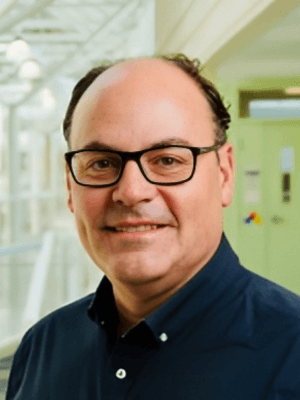
Peter Clark

Novo Nordisk

VP, CDD

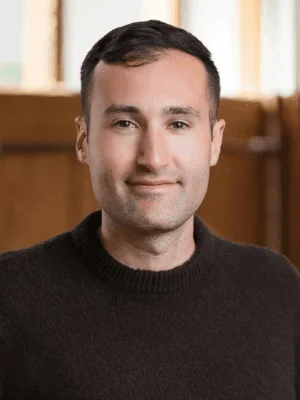
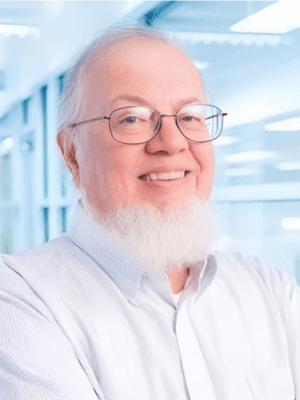
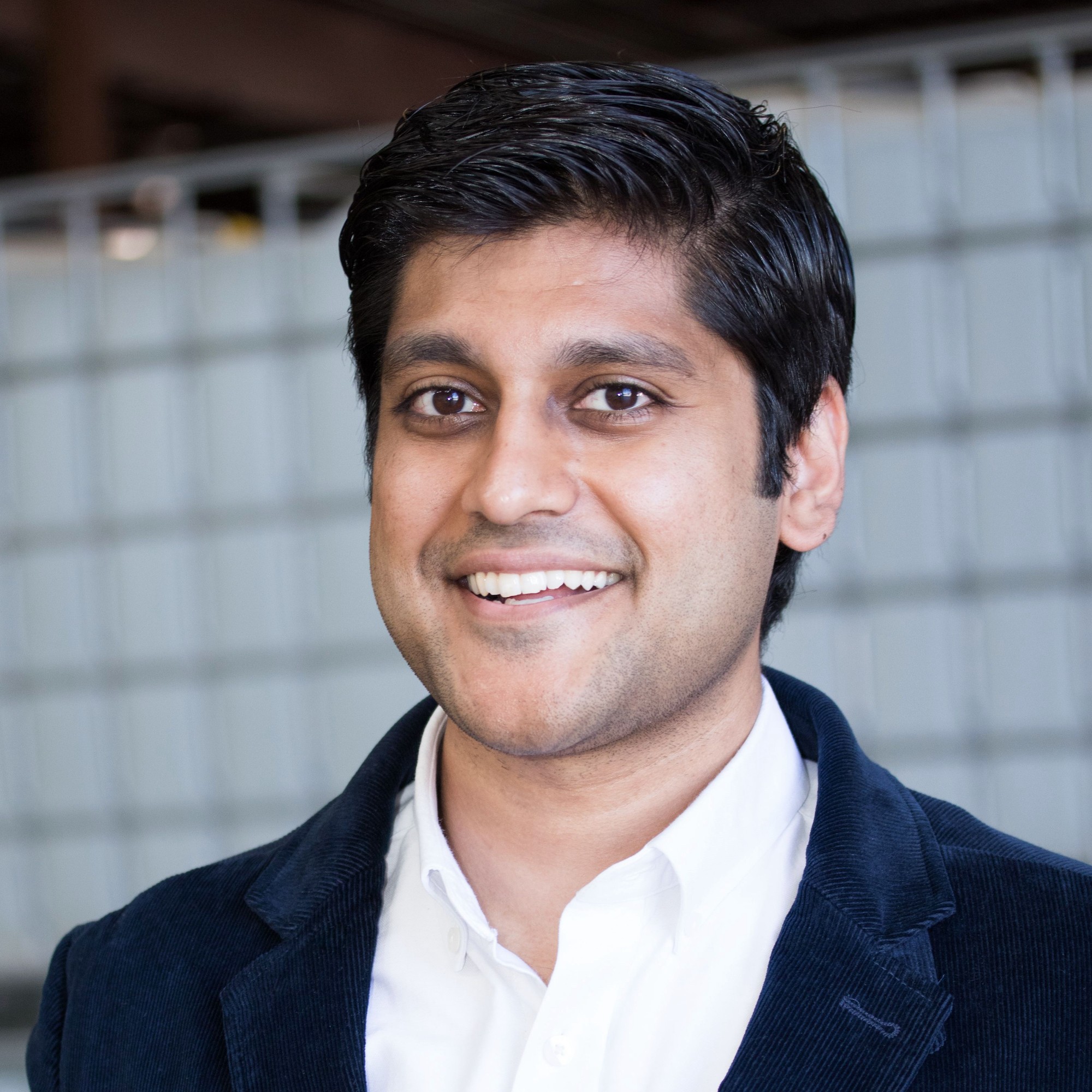
Peter Clark, PhD is the Head of Computational Drug Design at Novo Nordisk, where he leads a global, interdisciplinary team of computational scientists focused on accelerating the delivery of differentiated therapeutics to patients through applied digital innovation across the R&D value chain. His scientific expertise and executive leadership in the field have led to the delivery of several clinical candidates and approved therapies including CAR-T, gene therapy, peptides, biologics (antibodies) and small molecules assets. Prior to joining Novo Nordisk, Peter served as the Global Head of Computational Science & Engineering within the Therapeutics Discovery (TD) organization of Johnson & Johnson Innovative Medicines, and also served as the Director of Bioinformatics at the University of Pennsylvania, Perelman School of Medicine, where he worked closely with academic and commercial collaborators on the design, optimization and technology transfer of gene therapy assets from early research and development through commercially partnered IND enabling clinical studies. Peter’s diverse expertise in computer science, engineering, clinical molecular genetics, computational biology, and translational research has led to the publication of over 60 peer-reviewed scientific publications as well as three book chapters, several issued patents and three biotechnology spin-off companies.

SynBioBeta 2026 Tickets are Live

Confirmed Speakers

Sessions Featuring

Peter

This Year

Main Stage Panel

11:25 AM

-

11:55 AM

AIxBIO

The Programmable Protein Era: How AI Rewrites the Rules of Biomolecules

Biologics and engineered proteins have traditionally evolved through cycles of intuition, screening, and incremental optimization. Today, AI is transforming proteins into programmable systems; governed by learnable patterns across activity, stability, expression, specificity, manufacturability, and environmental performance. This shift is unlocking a new generation of biomolecules, from next-generation therapeutics to sustainable enzymes and functional biological systems, that would have been impossible to design by hand. In this session, leaders from biopharma, industrial biotech, machine learning, and protein engineering will explore how multiparameter optimization, generative modeling, and closed-loop experimental validation are reshaping biomolecular design across domains. From clinical biologics to planetary-scale applications, we examine the shift from trial-and-error to predictive, constraint-driven design, and what it means for R&D timelines, scalability, and real-world impact.
Get a Ticket

Main Stage Panel

11:25 AM

-

11:55 AM

AIxBIO

The Programmable Protein Era: How AI Rewrites the Rules of Biomolecules

Biologics and engineered proteins have traditionally evolved through cycles of intuition, screening, and incremental optimization. Today, AI is transforming proteins into programmable systems; governed by learnable patterns across activity, stability, expression, specificity, manufacturability, and environmental performance. This shift is unlocking a new generation of biomolecules, from next-generation therapeutics to sustainable enzymes and functional biological systems, that would have been impossible to design by hand. In this session, leaders from biopharma, industrial biotech, machine learning, and protein engineering will explore how multiparameter optimization, generative modeling, and closed-loop experimental validation are reshaping biomolecular design across domains. From clinical biologics to planetary-scale applications, we examine the shift from trial-and-error to predictive, constraint-driven design, and what it means for R&D timelines, scalability, and real-world impact.

Get a Ticket

Breakout Session

3:30 PM

-

4:15 PM

AIxBIO

Beyond Static Predictions — AI for Protein Dynamics and Multi-Cell Models

The next frontier of biology isn’t in predicting a single static protein structure, but in capturing how proteins move, fold, and interact across time and environments. This session explores how AI can illuminate protein conformations and dynamics, and extend those insights into virtual multi-cellular or tissue models. Experts will discuss the challenge of integrating heterogeneous datasets and instruments, and how breakthroughs in dynamic modeling could reshape drug design, disease understanding, and biomanufacturing. Can we build models that reflect the living, breathing complexity of biology—not just snapshots, but motion?

Get a Ticket

Breakout Session

3:30 PM

-

4:15 PM

AIxBIO

Beyond Static Predictions — AI for Protein Dynamics and Multi-Cell Models

The next frontier of biology isn’t in predicting a single static protein structure, but in capturing how proteins move, fold, and interact across time and environments. This session explores how AI can illuminate protein conformations and dynamics, and extend those insights into virtual multi-cellular or tissue models. Experts will discuss the challenge of integrating heterogeneous datasets and instruments, and how breakthroughs in dynamic modeling could reshape drug design, disease understanding, and biomanufacturing. Can we build models that reflect the living, breathing complexity of biology—not just snapshots, but motion?

Get a Ticket

TBD

Session lineup still growing

Get a Ticket

Featuring

Speaker Coming Soon

Fireside Chat

12:00 AM

-

8:30 AM

Human Health

From Cells to Patients: Solving the Scale Mismatch in Virtual Biology

Drug discovery often measures biology at the cell level while interventions work at the tissue, organ, or whole-patient scale. This mismatch can make accurate cell-level predictions irrelevant in the clinic. This session dives into strategies to bridge that gap: multiscale modeling that nests single-cell dynamics within organ-level simulations, spatial transcriptomics that preserve context, and surrogate models that translate cell-level outputs into clinical biomarkers. Speakers will ask: how do we ensure virtual biology reflects not just what cells do in isolation, but how biology behaves in the real complexity of patients?

Get a Ticket

Featuring

Speaker Coming Soon

Previous Speakers Include