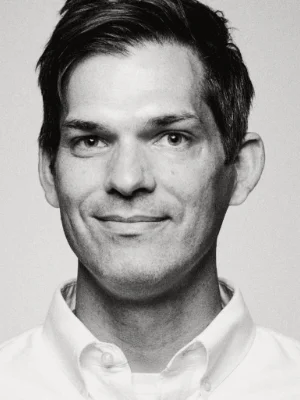
SynBioBeta Speaker
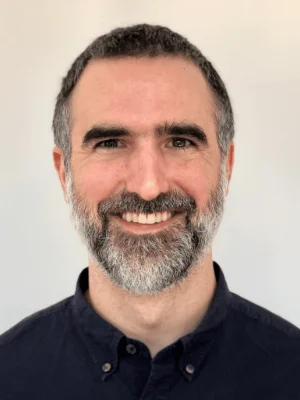
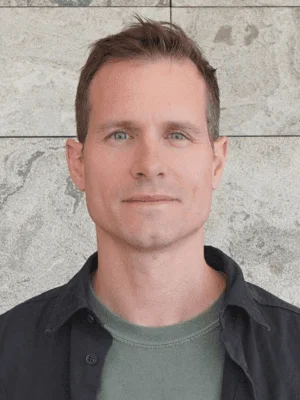
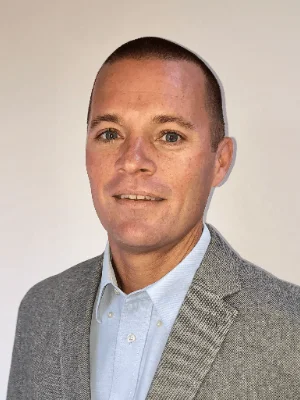
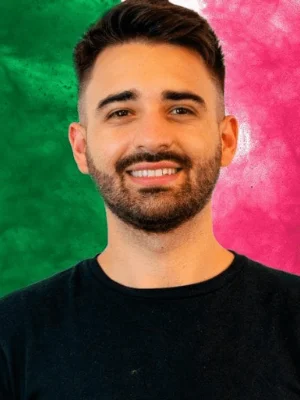
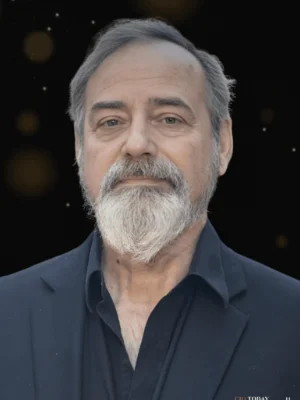
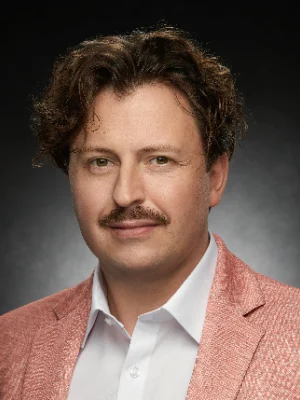
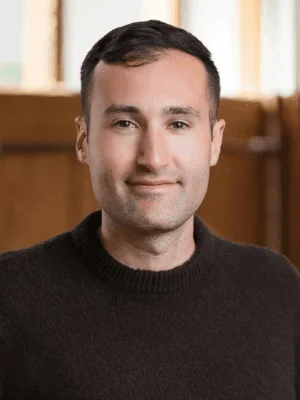
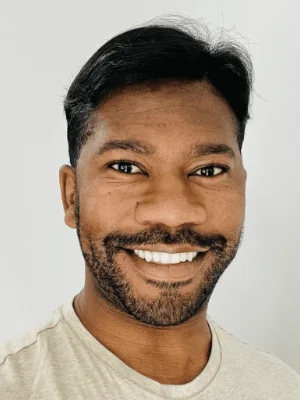
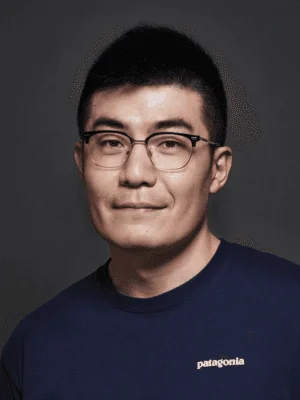
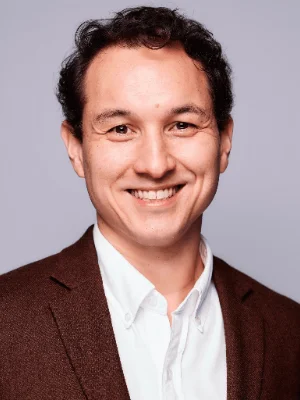
Nick Edwards
Potato
Founder & CEO
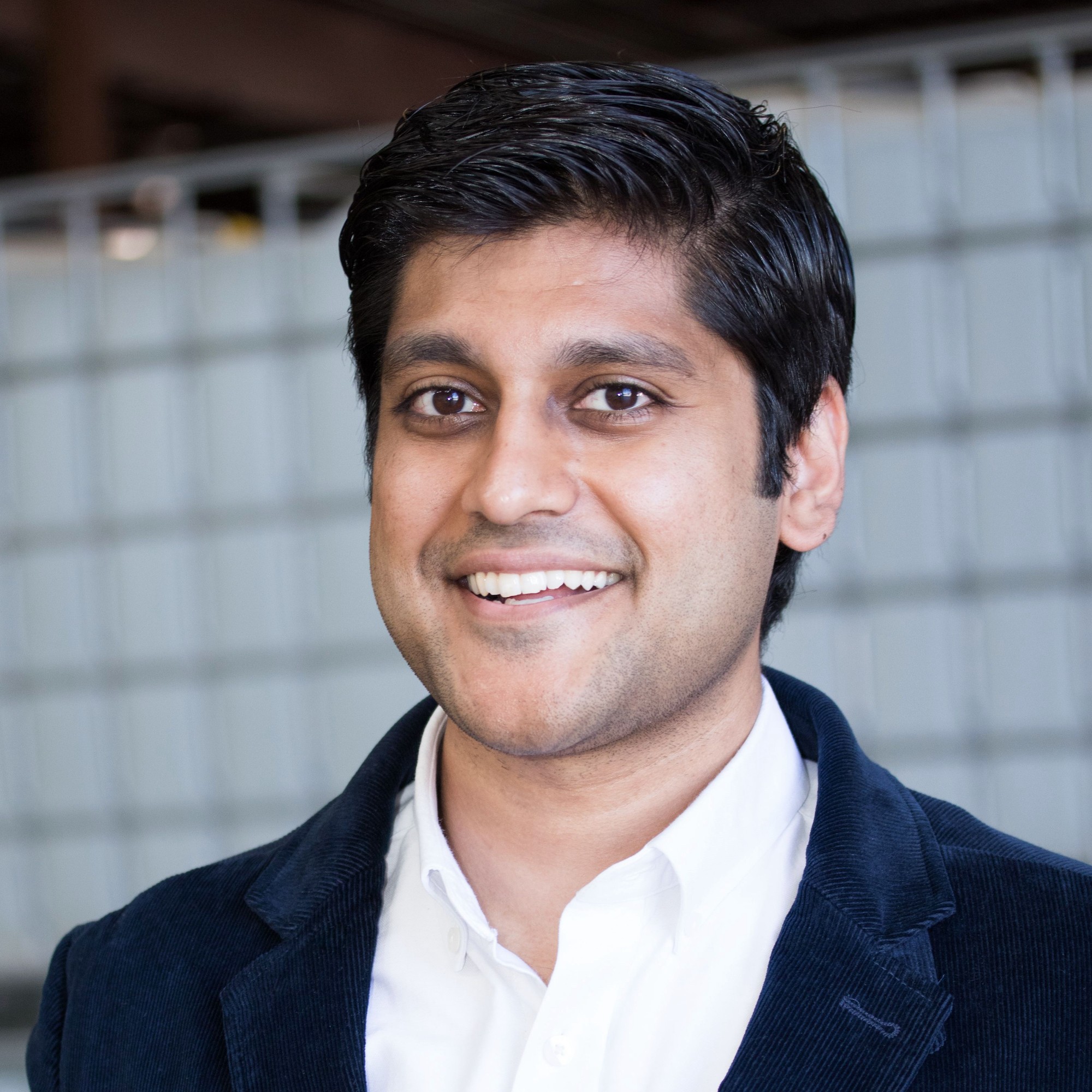
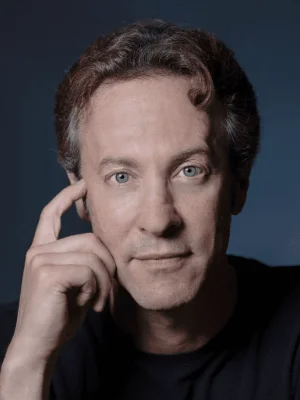
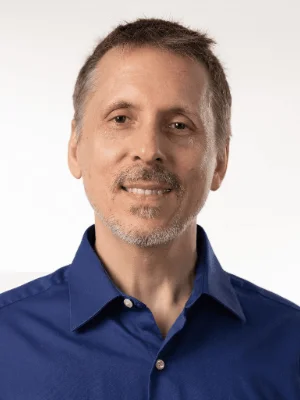
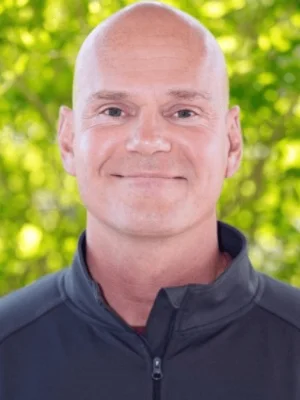
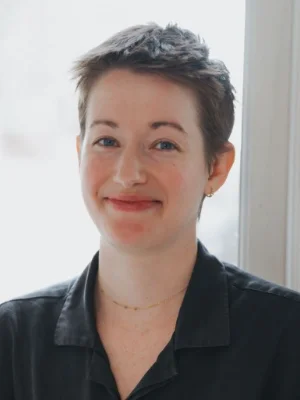
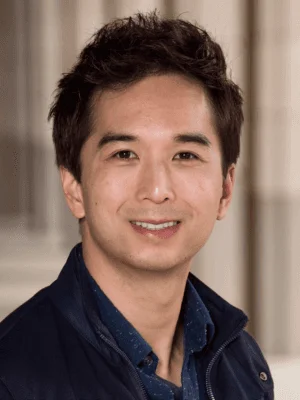
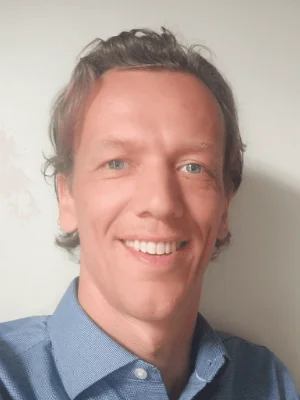
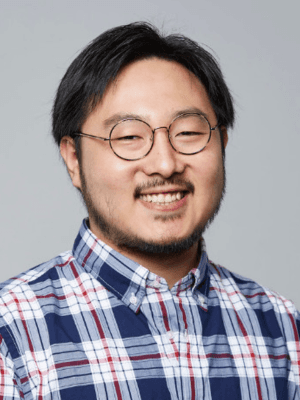
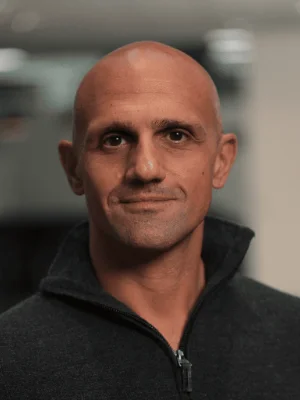
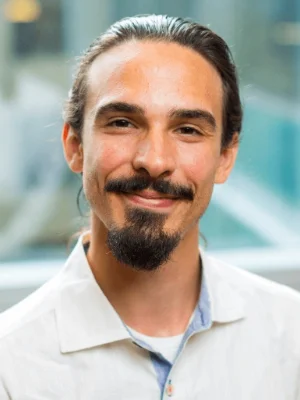
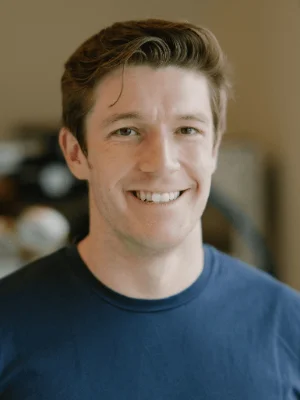
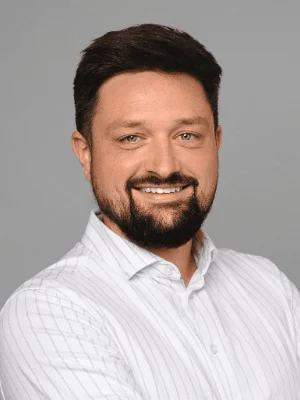
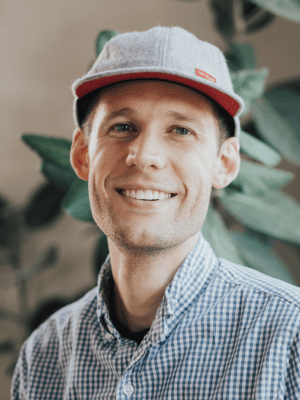
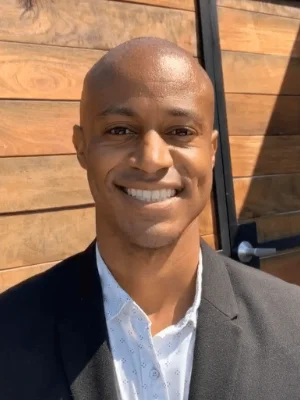
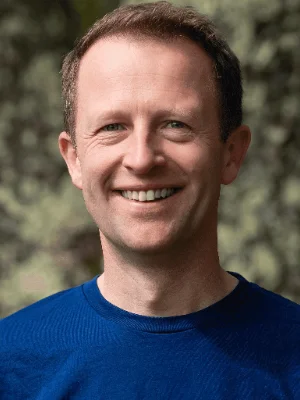
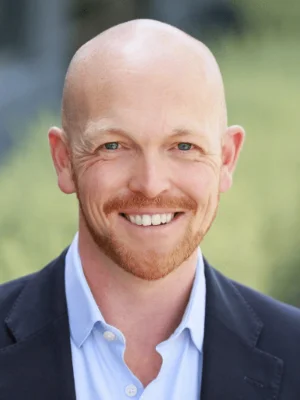
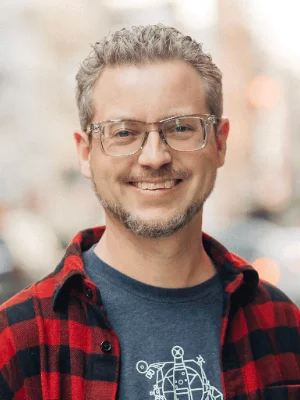
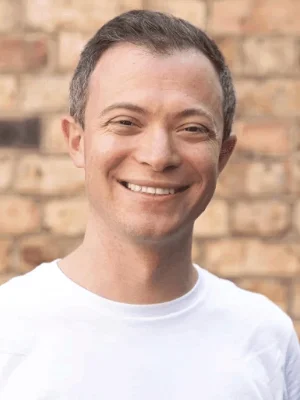
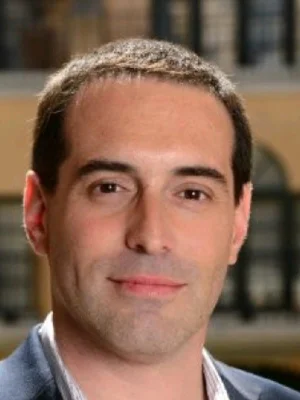
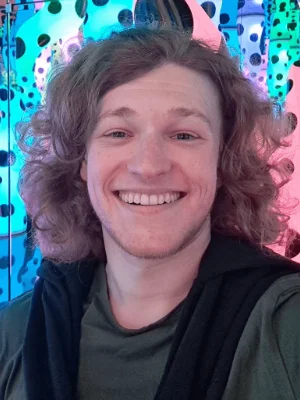
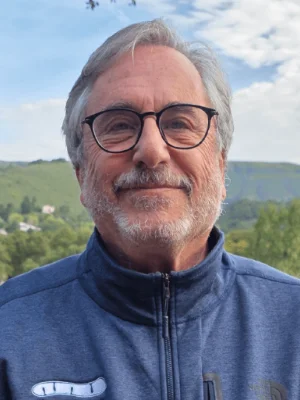
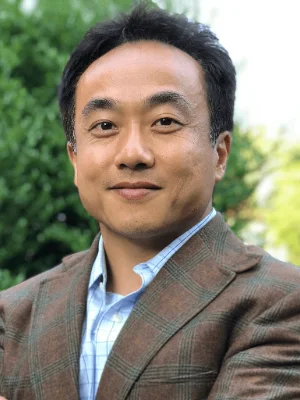
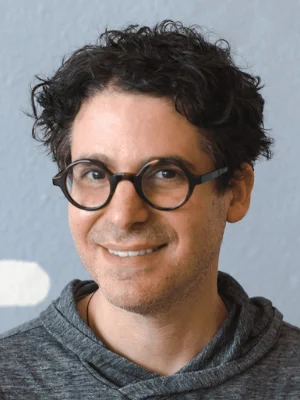
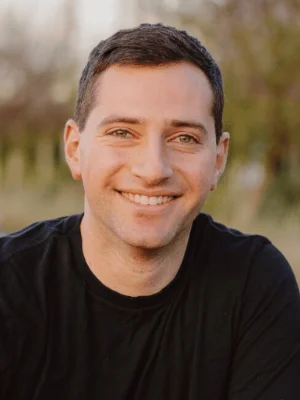
Nick Edwards, PhD, is the co-founder and CEO of Potato, a startup building AI scientists to accelerate and automate scientific discovery. He trained as a neuroscientist, with research experience at the National Institutes of Health, Brown University, and UC San Diego, before shifting into entrepreneurship. Nick is also the creator and host of the “Once A Scientist” podcast, where he discusses "What's next?" for scientists and engineers working across industry and academia. Through both his company and his podcast, his goal is to build a future where science is faster, more collaborative, and more accessible than ever before.


SynBioBeta 2026 Tickets are Live
Confirmed Speakers














































Sessions Featuring
Nick
This Year
•
-
Tools & Tech
AI Co-Scientists: From Pipettes to Protocols
Biology is entering an era where AI agents don’t just analyze data — they co-design, plan, and execute experiments. Multi-agent systems like CRISPR-GPT demonstrate how AI can act as a true lab co-pilot: decomposing complex genome editing projects into stepwise workflows, selecting tools, troubleshooting, and even drafting protocols that allow junior researchers to perform sophisticated edits on their first attempt . Beyond CRISPR, new systems like BioMARS integrate reasoning agents with robotics, while biotech companies are testing “AI lab assistants” that monitor and adjust experiments in real time. This session explores how multi-agent copilots are making biology more reproducible, democratizing complex workflows, and pushing the boundaries of lab autonomy. The central question: when AI can plan, troubleshoot, and validate experiments end-to-end, how should scientists and institutions govern this new power?
Get a Ticket
•
-
Tools & Tech
AI Co-Scientists: From Pipettes to Protocols
Biology is entering an era where AI agents don’t just analyze data — they co-design, plan, and execute experiments. Multi-agent systems like CRISPR-GPT demonstrate how AI can act as a true lab co-pilot: decomposing complex genome editing projects into stepwise workflows, selecting tools, troubleshooting, and even drafting protocols that allow junior researchers to perform sophisticated edits on their first attempt . Beyond CRISPR, new systems like BioMARS integrate reasoning agents with robotics, while biotech companies are testing “AI lab assistants” that monitor and adjust experiments in real time. This session explores how multi-agent copilots are making biology more reproducible, democratizing complex workflows, and pushing the boundaries of lab autonomy. The central question: when AI can plan, troubleshoot, and validate experiments end-to-end, how should scientists and institutions govern this new power?
Get a Ticket
Session lineup still growing
Get a Ticket
Featuring
Speaker Coming Soon
•
-
Human Health
From Cells to Patients: Solving the Scale Mismatch in Virtual Biology
Drug discovery often measures biology at the cell level while interventions work at the tissue, organ, or whole-patient scale. This mismatch can make accurate cell-level predictions irrelevant in the clinic. This session dives into strategies to bridge that gap: multiscale modeling that nests single-cell dynamics within organ-level simulations, spatial transcriptomics that preserve context, and surrogate models that translate cell-level outputs into clinical biomarkers. Speakers will ask: how do we ensure virtual biology reflects not just what cells do in isolation, but how biology behaves in the real complexity of patients?
Get a Ticket
Featuring
Speaker Coming Soon