SynBioBeta Speaker
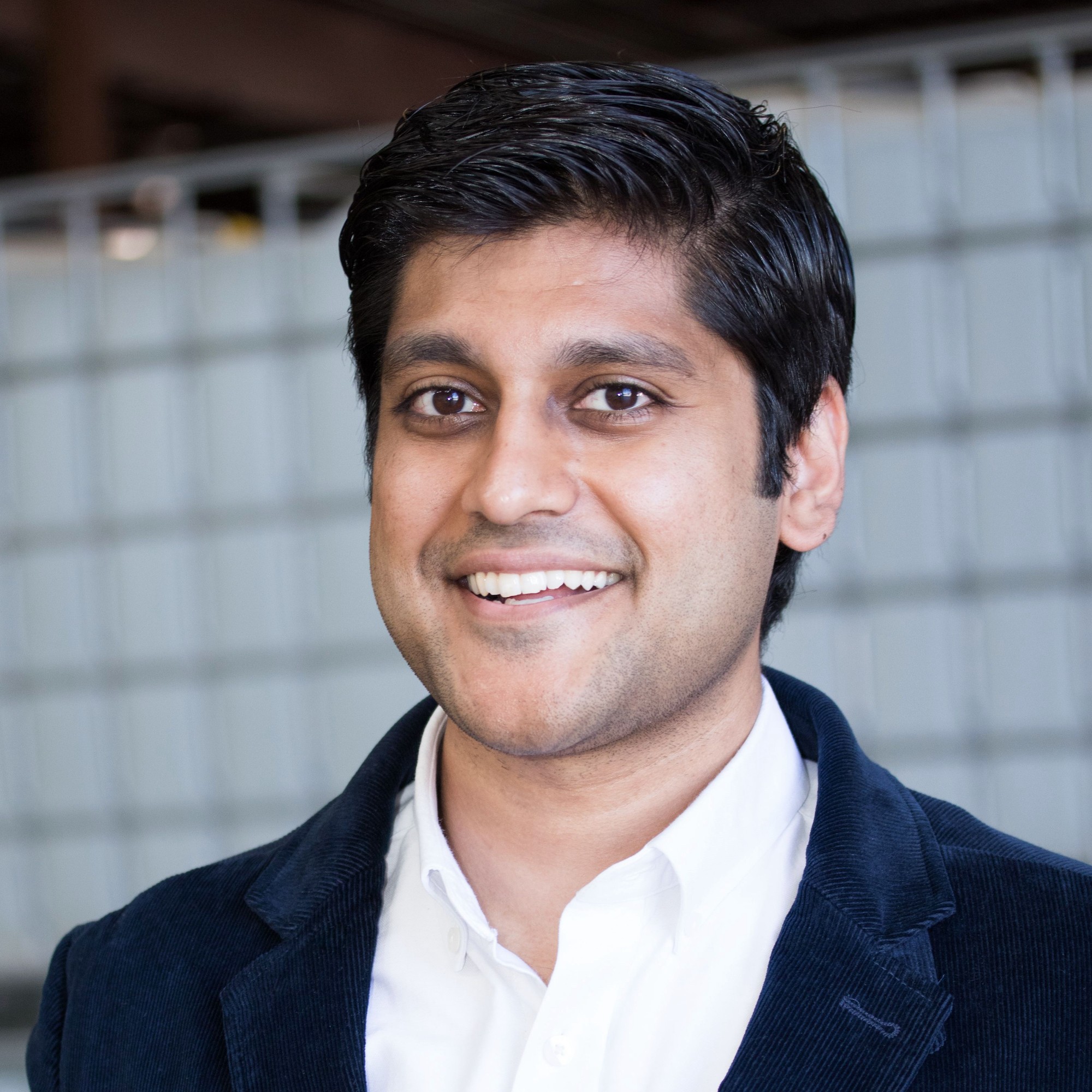
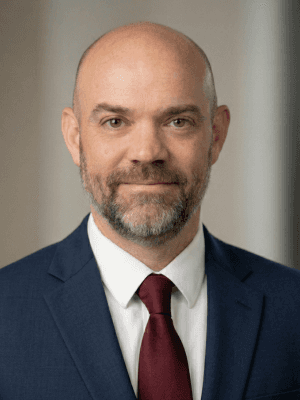
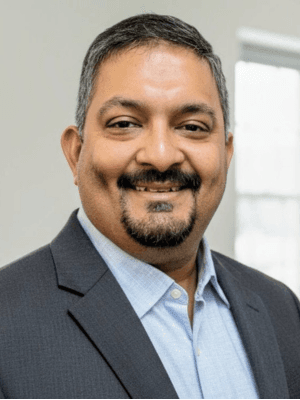
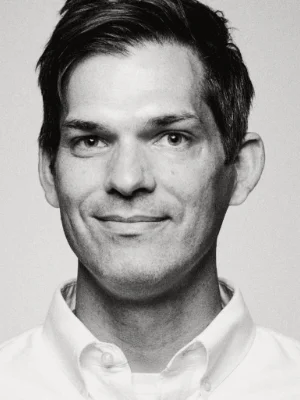
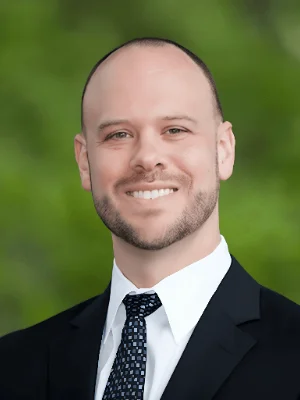
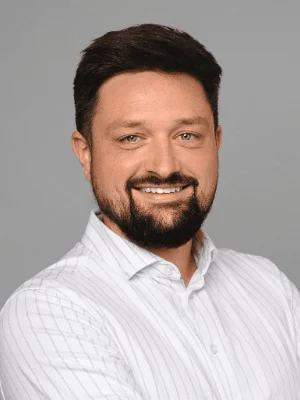
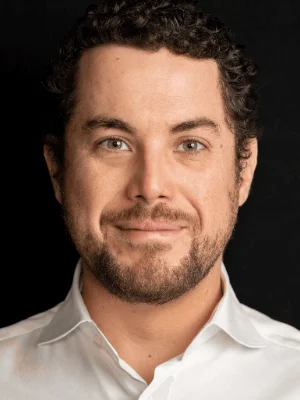
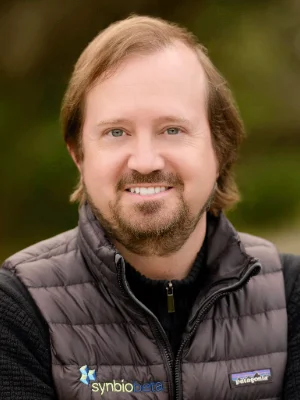
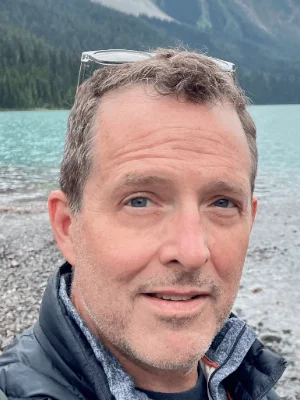
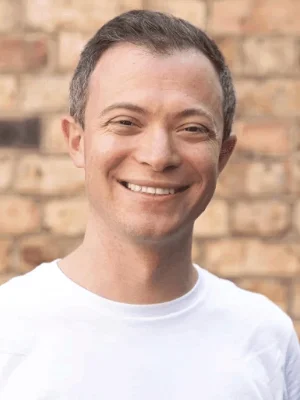
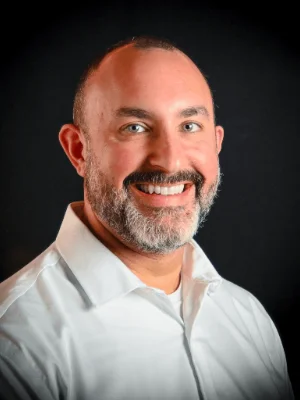
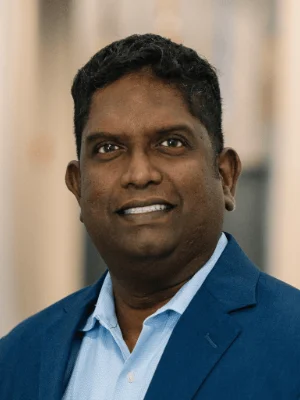
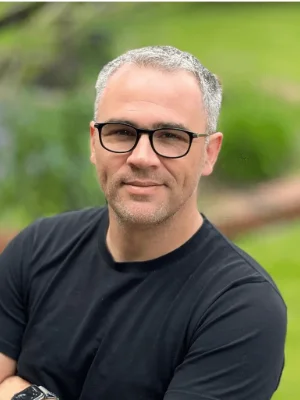
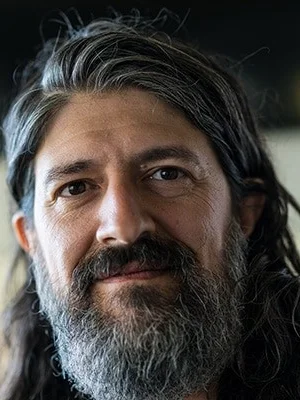
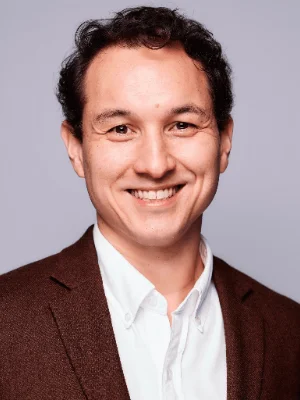
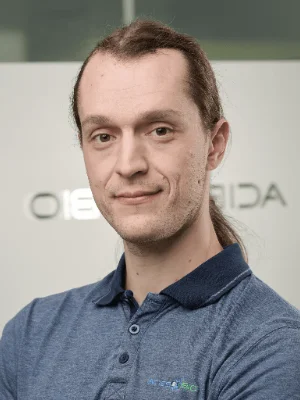
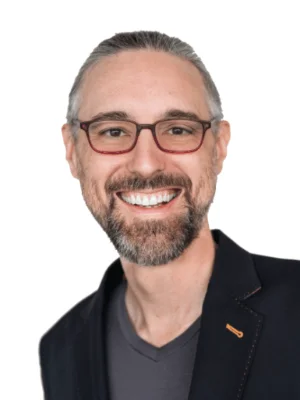
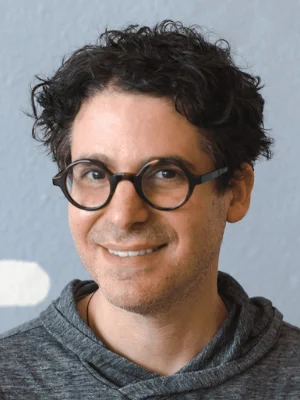
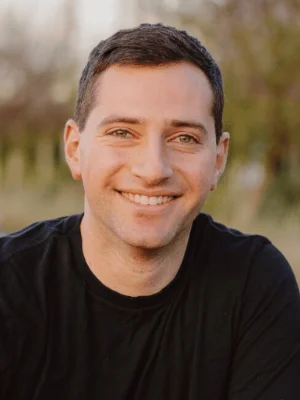
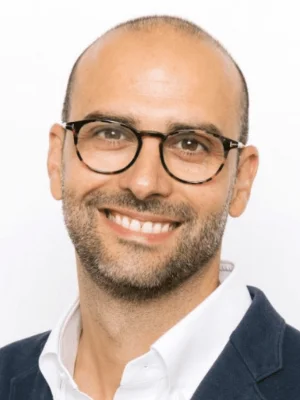
Jacob Becraft
Strand
CEO & Co-founder
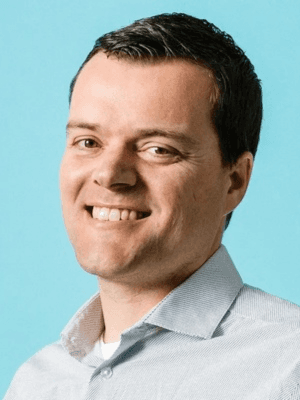
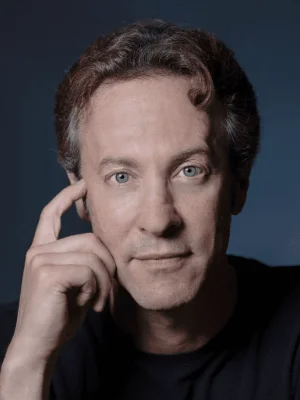
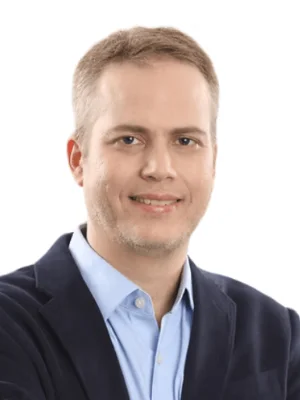
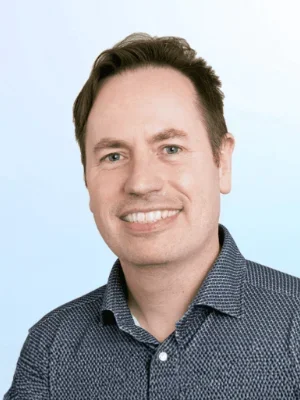
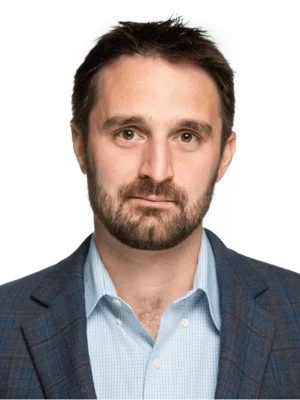
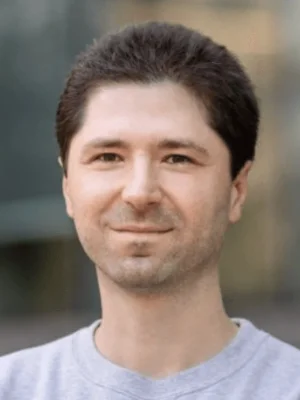
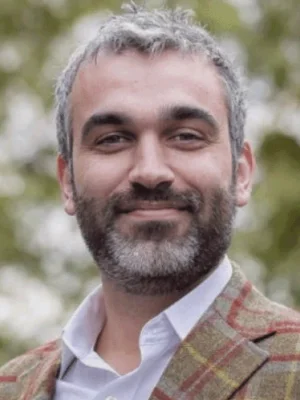
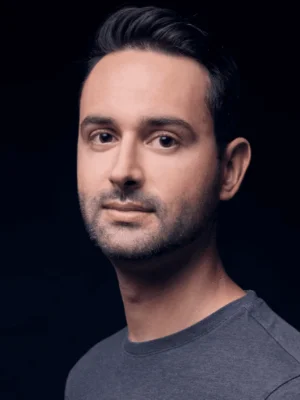
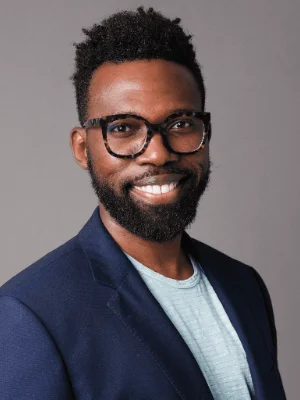
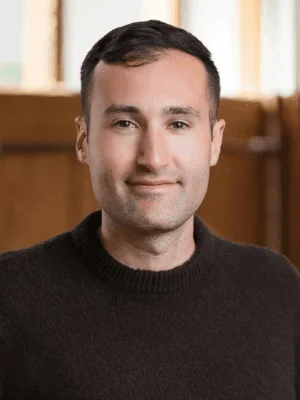
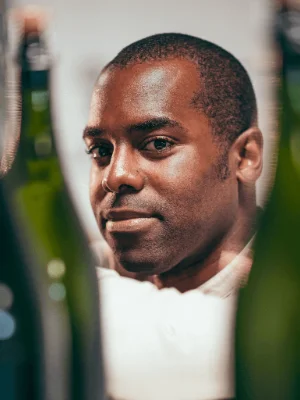
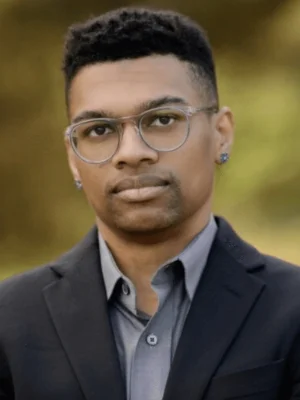
Jake Becraft is a synthetic biologist and entrepreneur. He is the co-founder and CEO of Strand Therapeutics, and serves on its Board of Directors. Together with colleagues at MIT’s renowned Synthetic Biology Center, he led the development of the world’s first synthetic biology programming language for mRNA. Jake has been featured in Fierce Biotech, Bloomberg, the Boston Business Journal, and BioCentury, among others, for his vision and mission at Strand of applying this unique platform for real world disease applications. He has also been the recipient of prestigious national and international awards for his scientific and entrepreneurial achievements, including the Barry Goldwater Scholarship and Excellence in Education Award, the Andrew Viterbi Fellowship of MIT, Amgen Fellowship, and the Bristol-Myers Squibb 2018 Golden Ticket for recognition of Strand as an innovative startup. Beyond his work at Strand, Jake’s broader interests span synthetic biology, biologically engineered organism-machine interfaces, and the intersection of tech and biotech methodologies. He is an advocate among the life science entrepreneurial ecosystem for supporting young founders in biotech entrepreneurship. Currently, he serves on the advisory board of Starlight Ventures, an early stage venture firm, and also serves on the Executive Board of Public Health United, a non-profit focused on helping scientists better communicate their research for maximum impact. Previously, he served as a Science and Technology advisor to legislators in the Massachusetts State Legislature. Jake received his Ph.D. in Biological Engineering and Synthetic Biology from MIT and his B.S. in Chemical and Biomolecular Engineering from the University of Illinois at Urbana-Champaign, graduating Magna cum Laude with distinction. He is an author or inventor on numerous high profile publications, patents and white papers, including in top tier journals such as Nature Chemical Biology and PNAS.


SynBioBeta 2026 Tickets are Live
Confirmed Speakers












Sessions Featuring
Jacob
This Year
•
-
Human Health
Rewriting the Rules - Clinical Trial Reform in the Age of AI
AI-native drug discovery is accelerating molecule design, but clinical trials remain slow, expensive, and exclusionary. If we don’t modernize trial infrastructure, we create a bottleneck between computational breakthroughs and real-world patient impact. This breakout explores how to reform recruitment, eligibility, endpoints, biomarkers, and regulatory alignment to make U.S. trials more competitive and globally scalable.
Get a Ticket
Featuring
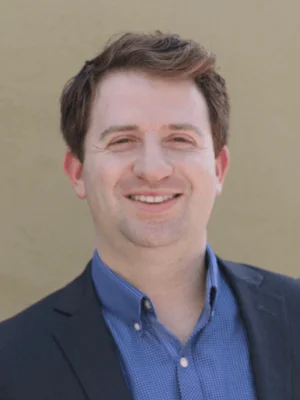
Zachary Gobst
Leapcure
CEO
Making clinical trials more equitable and accessible.
Jacob Becraft
Strand
CEO & Co-founder
MIT “mRNA programming language” inventor building programmable RNA medicines. Former Ron Weiss lab, interned with Bob langer
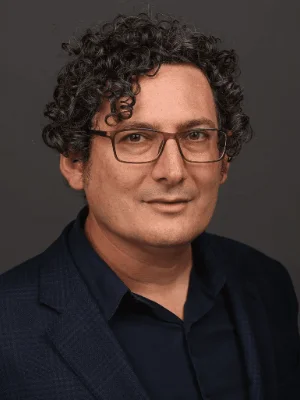
Jacob Glanville
Centivax
CEO
Building a universal antivenom
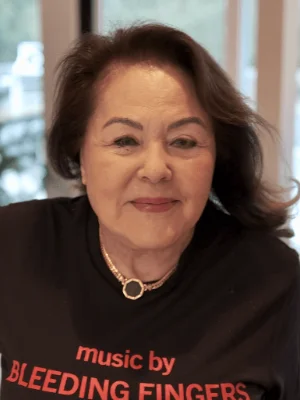
Una Ryan
Ulux
Founder and CEO
•
-
Human Health
Rewriting the Rules - Clinical Trial Reform in the Age of AI
AI-native drug discovery is accelerating molecule design, but clinical trials remain slow, expensive, and exclusionary. If we don’t modernize trial infrastructure, we create a bottleneck between computational breakthroughs and real-world patient impact. This breakout explores how to reform recruitment, eligibility, endpoints, biomarkers, and regulatory alignment to make U.S. trials more competitive and globally scalable.
Get a Ticket
Featuring
Zachary Gobst
Leapcure
CEO
Making clinical trials more equitable and accessible.
Jacob Becraft
Strand
CEO & Co-founder
MIT “mRNA programming language” inventor building programmable RNA medicines. Former Ron Weiss lab, interned with Bob langer
Jacob Glanville
Centivax
CEO
Building a universal antivenom
Una Ryan
Ulux
Founder and CEO
•
-
AIxBIO
Programmable Molecules: AI and the Rise of Context-Aware Therapeutics
For the first time, AI is enabling us to imagine medicines that “think” - turning on only inside diseased cells or under specific physiological conditions. Neural networks trained on RNA, protein, and cellular data are unlocking a new generation of programmable therapies with unprecedented precision, from cancer drugs that remain inert until encountering tumor signals to RNA medicines capable of adapting to dynamic biological environments. But designing intelligent molecules is only part of the challenge. As AI expands the space of possible therapeutics, the field must also confront a critical question: how do we reliably build, test, and manufacture increasingly complex biological designs? This session explores the emerging continuum from AI-designed molecules to manufacturable programmable therapeutics, examining how advances in sequence design, synthesis, delivery, and validation are translating computational insight into real-world medicines. The future of medicine isn’t static molecules - it’s intelligent, adaptive therapeutics engineered across the full stack, from algorithm to clinic.
Get a Ticket
Featuring

Georgia Lu
Magnet Ventures
Founder & Mng Partner
AI-biotech investor blending M&A instincts with founder coaching.
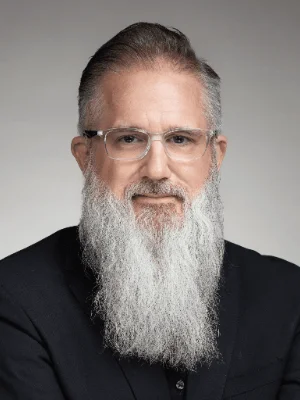
Jason Gammack
Ansa Biotechnologies
CEO
Turning DNA synthesis into a predictable, on-time “reagent.”
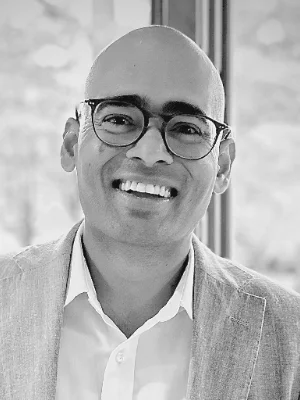
Ashoka Madduri
Sanofi
Head, Scientific Strategy
AI-for-mRNA strategist shaping Sanofi’s genetic-medicine bets.
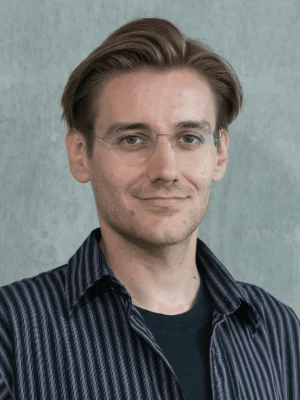
Simon Kohl
Latent Labs
Founder & CEO
Jacob Becraft
Strand
CEO & Co-founder
MIT “mRNA programming language” inventor building programmable RNA medicines. Former Ron Weiss lab, interned with Bob langer
•
-
AIxBIO
Programmable Molecules: AI and the Rise of Context-Aware Therapeutics
For the first time, AI is enabling us to imagine medicines that “think” - turning on only inside diseased cells or under specific physiological conditions. Neural networks trained on RNA, protein, and cellular data are unlocking a new generation of programmable therapies with unprecedented precision, from cancer drugs that remain inert until encountering tumor signals to RNA medicines capable of adapting to dynamic biological environments. But designing intelligent molecules is only part of the challenge. As AI expands the space of possible therapeutics, the field must also confront a critical question: how do we reliably build, test, and manufacture increasingly complex biological designs? This session explores the emerging continuum from AI-designed molecules to manufacturable programmable therapeutics, examining how advances in sequence design, synthesis, delivery, and validation are translating computational insight into real-world medicines. The future of medicine isn’t static molecules - it’s intelligent, adaptive therapeutics engineered across the full stack, from algorithm to clinic.
Get a Ticket
Featuring
Georgia Lu
Magnet Ventures
Founder & Mng Partner
AI-biotech investor blending M&A instincts with founder coaching.
Jason Gammack
Ansa Biotechnologies
CEO
Turning DNA synthesis into a predictable, on-time “reagent.”
Ashoka Madduri
Sanofi
Head, Scientific Strategy
AI-for-mRNA strategist shaping Sanofi’s genetic-medicine bets.
Simon Kohl
Latent Labs
Founder & CEO
Jacob Becraft
Strand
CEO & Co-founder
MIT “mRNA programming language” inventor building programmable RNA medicines. Former Ron Weiss lab, interned with Bob langer
Session lineup still growing
Get a Ticket
Featuring
Speaker Coming Soon
•
-
Human Health
From Cells to Patients: Solving the Scale Mismatch in Virtual Biology
Drug discovery often measures biology at the cell level while interventions work at the tissue, organ, or whole-patient scale. This mismatch can make accurate cell-level predictions irrelevant in the clinic. This session dives into strategies to bridge that gap: multiscale modeling that nests single-cell dynamics within organ-level simulations, spatial transcriptomics that preserve context, and surrogate models that translate cell-level outputs into clinical biomarkers. Speakers will ask: how do we ensure virtual biology reflects not just what cells do in isolation, but how biology behaves in the real complexity of patients?
Get a Ticket
Featuring
Speaker Coming Soon