Γ

SynBioBeta Speaker

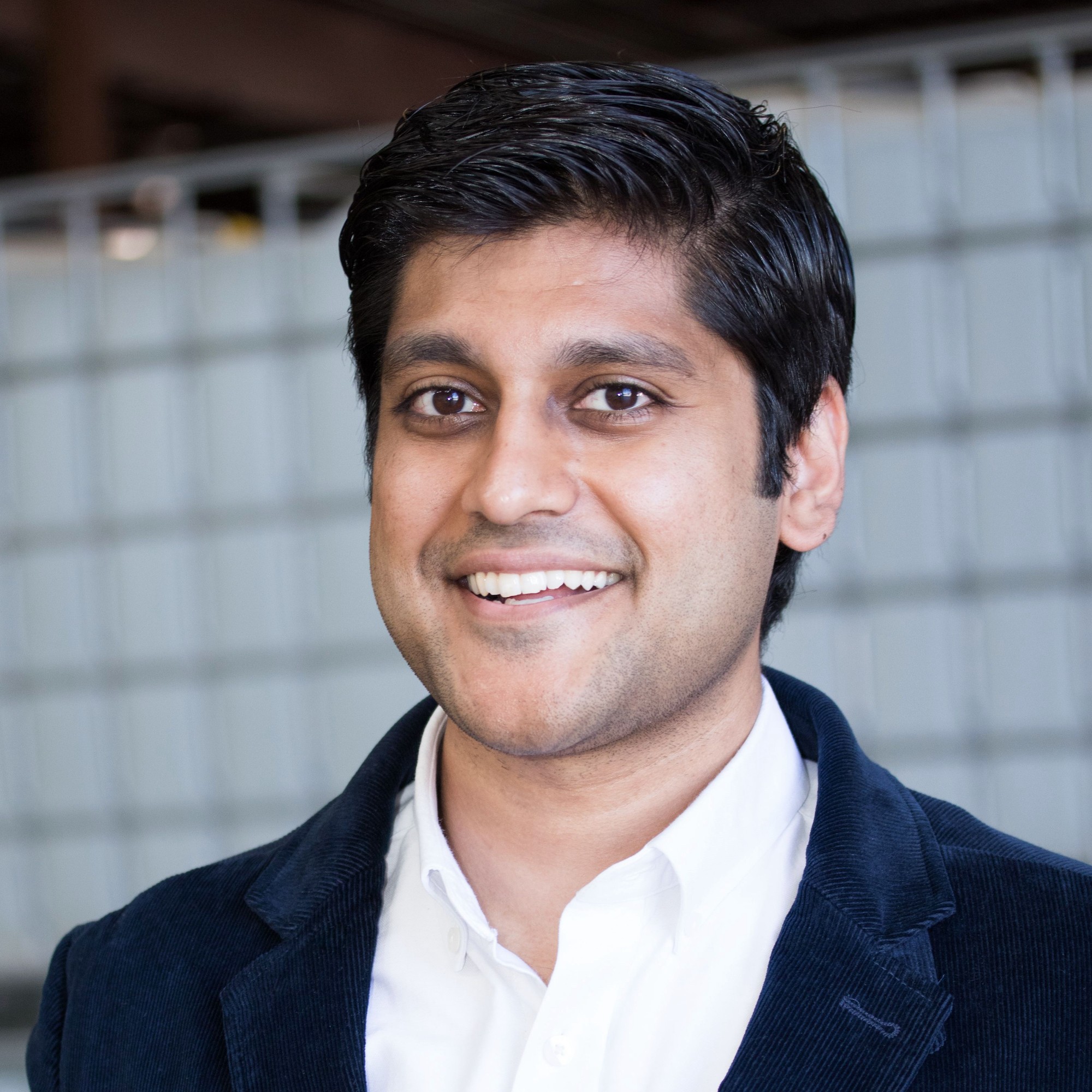
Sid Sijbrandij

GitLab

Co-founder & EC

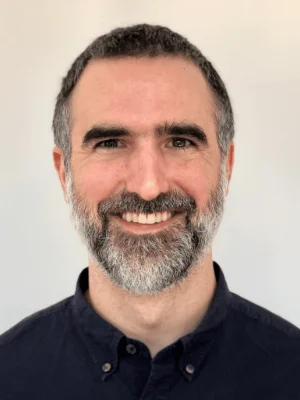
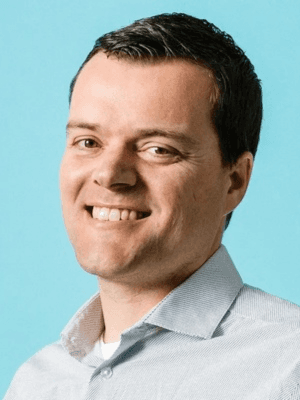
Sid Sijbrandij (pronounced ‘see-brandy’) was recently featured in Elliot Hershberg’s article ‘Going Founder Mode on Cancer,’ which highlights how he is applying the same founder mindset he brings to building companies to confronting his osteosarcoma diagnosis.Sid is the founder of Kilo Code, an open-source AI coding agent, and the co-founder and Board Chair of GitLab Inc., a leading DevSecOps platform that streamlines software delivery, enhances security, and improves compliance for organizations worldwide. Under his leadership, GitLab grew to serve more than 30 million users and has become one of the world’s largest all-remote organizations. Sid was also recognized by Forbes for advocating remote work during the pandemic.A self-taught Ruby programmer since 2007, Sid discovered GitLab in 2012 and commercialized the project, later leading the company through Y Combinator in 2015.Earlier in his career, Sid built recreational submarines and developed innovative web applications supporting lawmaking at the Ministerie van Justitie en Veiligheid in the Netherlands. He holds an M.S. in Management Science from the University of Twente.

SynBioBeta 2026 Tickets are Live

Confirmed Speakers

Sessions Featuring

Sid

This Year

Fireside Chat

10:55 AM

-

11:10 AM

Human Health

Building the Movement for Genetic Agency: The Future of Personalized, Programmable Medicine

Get a Ticket

Fireside Chat

10:55 AM

-

11:10 AM

Human Health

Building the Movement for Genetic Agency: The Future of Personalized, Programmable Medicine

Get a Ticket

TBD

Session lineup still growing

Get a Ticket

Featuring

Speaker Coming Soon

Fireside Chat

12:00 AM

-

8:30 AM

Human Health

From Cells to Patients: Solving the Scale Mismatch in Virtual Biology

Drug discovery often measures biology at the cell level while interventions work at the tissue, organ, or whole-patient scale. This mismatch can make accurate cell-level predictions irrelevant in the clinic. This session dives into strategies to bridge that gap: multiscale modeling that nests single-cell dynamics within organ-level simulations, spatial transcriptomics that preserve context, and surrogate models that translate cell-level outputs into clinical biomarkers. Speakers will ask: how do we ensure virtual biology reflects not just what cells do in isolation, but how biology behaves in the real complexity of patients?

Get a Ticket

Featuring

Speaker Coming Soon

Previous Speakers Include