SynBioBeta Speaker
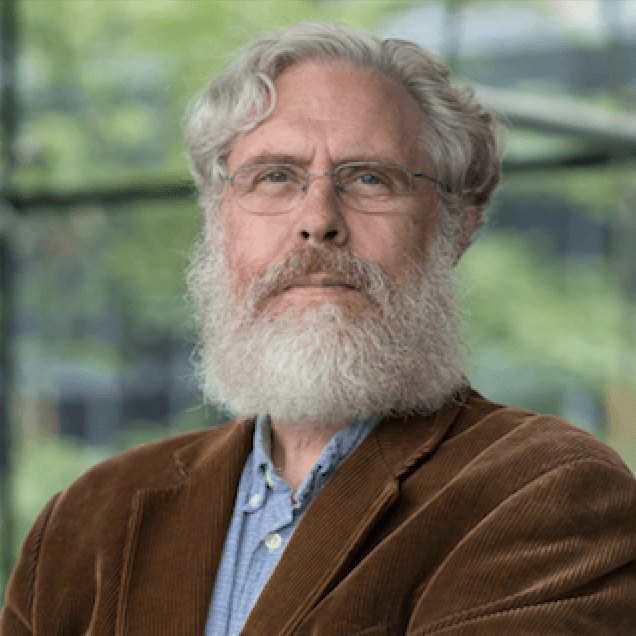
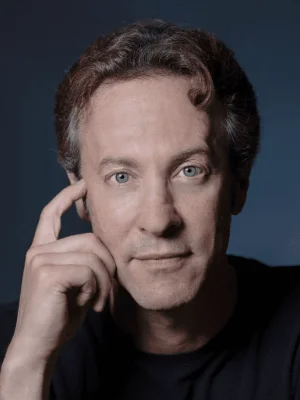
David Eagleman
Stanford University
Neuroscientist
David Eagleman is a neuroscientist at Stanford University and an internationally bestselling author. He is co-founder of two venture-backed companies, Neosensory and BrainCheck, and he also directs the Center for Science and Law, a national non-profit institute. He is best known for his work on sensory substitution, time perception, brain plasticity, synesthesia, and neurolaw.


Sessions Featuring
David
This Year
•
-
Human Health
Repairing Minds, Restoring Species: Biology’s Next Frontier
We are entering an era where intelligence (either biological or artificial) can be repaired, expanded, and reimagined. From autologous stem cell therapies for neurodegeneration to the neuroscience of creativity and the de-extinction of keystone species, this panel explores how programmable biology is transforming both minds and ecosystems. What happens when we can repair the brain, extend cognition, reverse extinction, and engineer resilience across species? And how do we responsibly navigate a world where biology is no longer fate, but design?
Featuring
David Eagleman
Stanford University
Neuroscientist
Neuroscientist building “new senses” through wearable neurotech
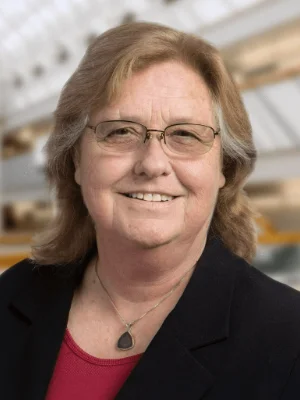
Jeanne Loring
Scripps, Aspen Neuro
Professor
Innovator in IPSC for parkinsons and de-extinction
•
-
Human Health
Repairing Minds, Restoring Species: Biology’s Next Frontier
We are entering an era where intelligence (either biological or artificial) can be repaired, expanded, and reimagined. From autologous stem cell therapies for neurodegeneration to the neuroscience of creativity and the de-extinction of keystone species, this panel explores how programmable biology is transforming both minds and ecosystems. What happens when we can repair the brain, extend cognition, reverse extinction, and engineer resilience across species? And how do we responsibly navigate a world where biology is no longer fate, but design?
Featuring
David Eagleman
Stanford University
Neuroscientist
Neuroscientist building “new senses” through wearable neurotech
Jeanne Loring
Scripps, Aspen Neuro
Professor
Innovator in IPSC for parkinsons and de-extinction
Session lineup still growing
Featuring
Speaker Coming Soon
•
-
Human Health
From Cells to Patients: Solving the Scale Mismatch in Virtual Biology
Drug discovery often measures biology at the cell level while interventions work at the tissue, organ, or whole-patient scale. This mismatch can make accurate cell-level predictions irrelevant in the clinic. This session dives into strategies to bridge that gap: multiscale modeling that nests single-cell dynamics within organ-level simulations, spatial transcriptomics that preserve context, and surrogate models that translate cell-level outputs into clinical biomarkers. Speakers will ask: how do we ensure virtual biology reflects not just what cells do in isolation, but how biology behaves in the real complexity of patients?
Featuring
Speaker Coming Soon