SynBioBeta Speaker
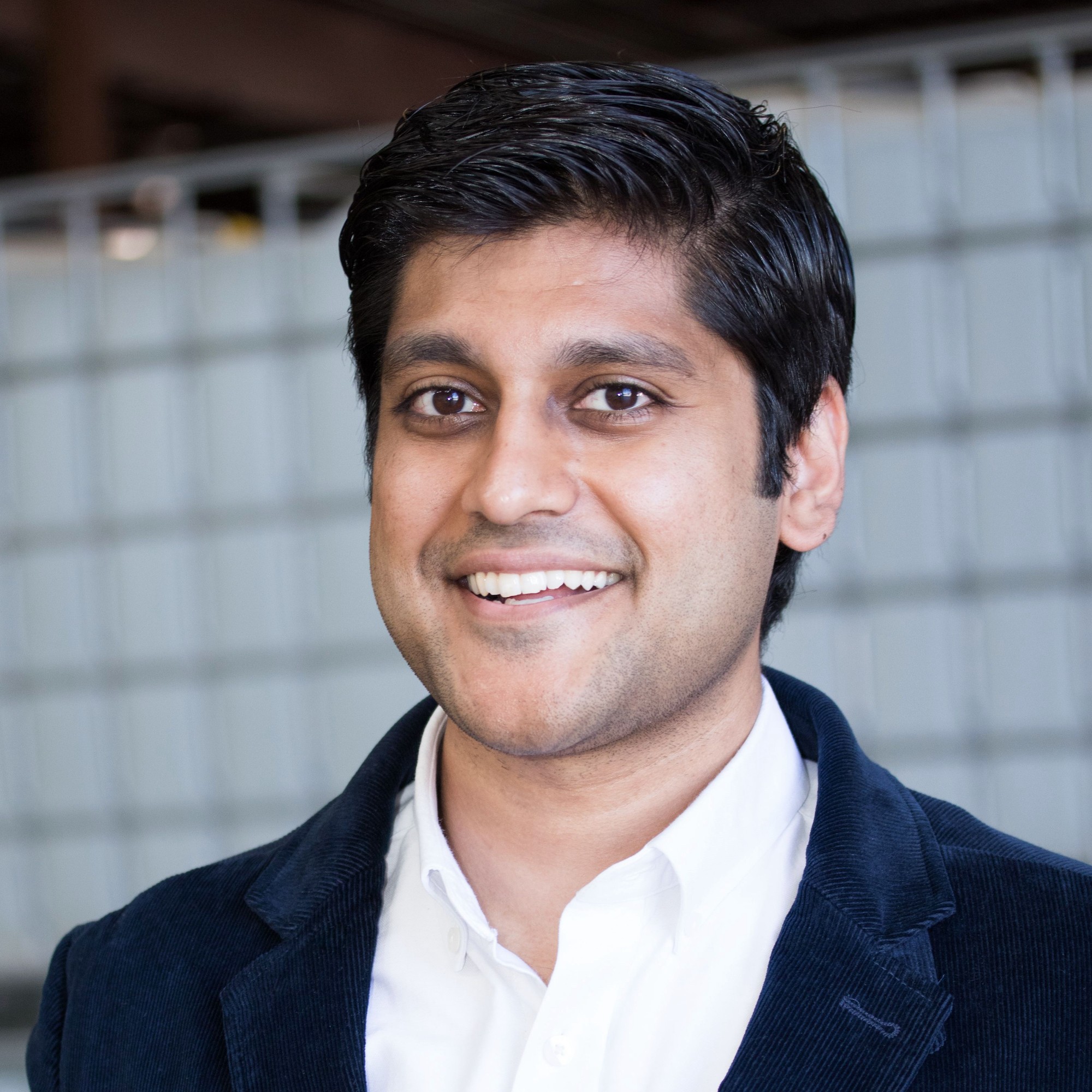
Matthew Osman
Polyphron
CEO and Co-Founder
Matt Osman is the co-founder and CEO of Polyphron, a company building high-fidelity human tissues from induced pluripotent stem cells (iPSCs) as both therapeutic products and a scalable data engine for predictive biology. Polyphron’s approach focuses on generating causal, human-relevant datasets that capture how molecular interventions translate into functional outcomes, enabling the development of more predictive models of human health and disease .Osman is a serial exited founder whose work spans artificial intelligence and the life sciences. He previously founded and exited Legit AI, a machine learning company applied to the life sciences, and later built and sold Treat, a generative AI company. His broader work has centered on applying computational approaches to domains where high-quality, real-world data is the primary bottleneck.He began as a barrister before joining a leveraged credit hedge fund as a trader, bringing a multidisciplinary perspective across finance, law, and technology to his work in biology.
SynBioBeta 2026 Tickets are Live
Confirmed Speakers
Sessions Featuring
Matthew
This Year
•
-
AIxBIO
From Cells to Simulation: Building the Data Engine for Predictive Human Biology
The primary barrier to a general-purpose biological simulator, (a model that can actually predict the phenotypic level response of the human body to any intervention), is not a lack of compute, but the absence of causal, human-relevant datasets. In this talk, Matt Osman outlines emerging approaches to address this gap through iPSC-derived tissues that function as both therapeutic platforms and scalable engines for data generation. Polyphron explores why high-fidelity human tissue is uniquely capable of capturing emergence, where molecular interactions translate into functional outcomes, and why generating this data across diverse genotypes is essential to building true ground-truth datasets. By closing the loop between lab-grown tissue and clinical outcomes, this approach points toward a shift from sparse, mechanism-limited data to a more predictive and programmable framework for human health.
Get a Ticket
•
-
AIxBIO
From Cells to Simulation: Building the Data Engine for Predictive Human Biology
The primary barrier to a general-purpose biological simulator, (a model that can actually predict the phenotypic level response of the human body to any intervention), is not a lack of compute, but the absence of causal, human-relevant datasets. In this talk, Matt Osman outlines emerging approaches to address this gap through iPSC-derived tissues that function as both therapeutic platforms and scalable engines for data generation. Polyphron explores why high-fidelity human tissue is uniquely capable of capturing emergence, where molecular interactions translate into functional outcomes, and why generating this data across diverse genotypes is essential to building true ground-truth datasets. By closing the loop between lab-grown tissue and clinical outcomes, this approach points toward a shift from sparse, mechanism-limited data to a more predictive and programmable framework for human health.
Get a Ticket
Session lineup still growing
Get a Ticket
Featuring
Speaker Coming Soon
•
-
Human Health
From Cells to Patients: Solving the Scale Mismatch in Virtual Biology
Drug discovery often measures biology at the cell level while interventions work at the tissue, organ, or whole-patient scale. This mismatch can make accurate cell-level predictions irrelevant in the clinic. This session dives into strategies to bridge that gap: multiscale modeling that nests single-cell dynamics within organ-level simulations, spatial transcriptomics that preserve context, and surrogate models that translate cell-level outputs into clinical biomarkers. Speakers will ask: how do we ensure virtual biology reflects not just what cells do in isolation, but how biology behaves in the real complexity of patients?
Get a Ticket
Featuring
Speaker Coming Soon