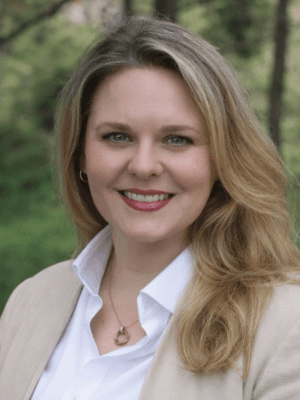
SynBioBeta Speaker
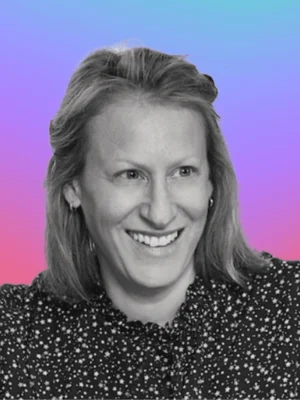
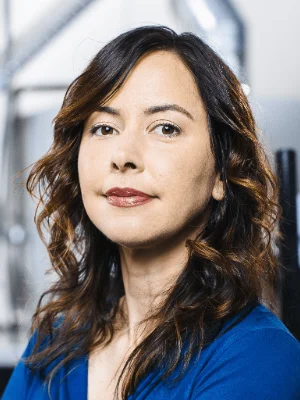
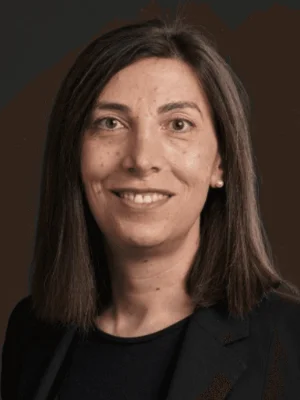
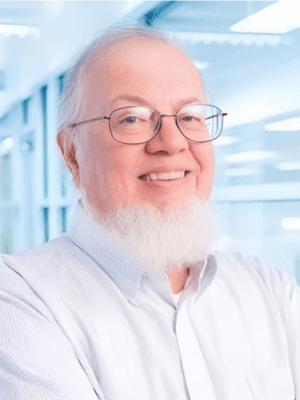
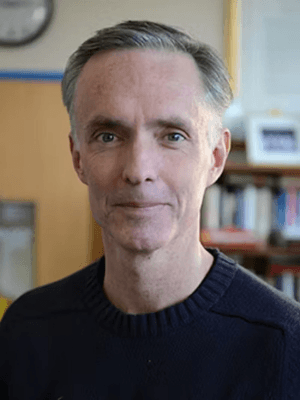
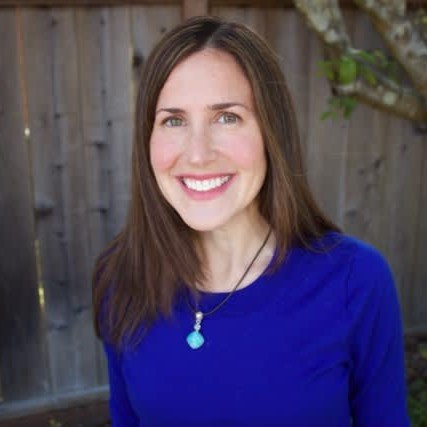
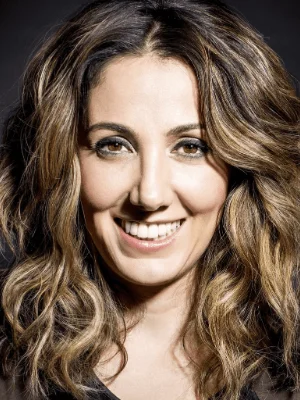
Victoria Mascetti
University of Bristol
Assistant Professor
Dr. Victoria Mascetti is a leading stem cell biologist and honorary Assistant Professor at the University of Bristol, UK, with more than a decade of international experience advancing regenerative medicine and translational research. Her work sits at the forefront of stem cell science, with a strong emphasis on clinical application and commercial innovation.
Dr. Mascetti earned her Ph.D. from the University of Cambridge as a British Heart Foundation scholar, where she investigated the molecular mechanisms governing human pluripotent stem cell maintenance and differentiation into clinically relevant cell types. She went on to Stanford University, USA, supported by a prestigious American Society of Hematology Fellowship, where she expanded her expertise in the developmental biology of tissue-resident stem cells.
In 2019, Dr. Mascetti was awarded a competitive Vice Chancellor’s Fellowship to establish and lead a research group at the University of Bristol's Division of Cardiovascular Sciences. Her team is developing next-generation, stem cell–engineered cardiac patches aimed at repairing congenital heart defects—combining advanced stem cell biology with cutting-edge tissue engineering.
Her scientific leadership has been recognized with multiple international awards, including honors from the International Academy of Cardiovascular Science, the British Society for Cardiovascular Research, and the International Society for Heart Research.
Dr. Mascetti is a trusted expert in applying stem cell science to real-world clinical and commercial challenges. In addition to her academic work, Dr. Mascetti serves as a scientific consultant, advising biotech companies on stem cell strategy, translational research pathways, and product development. Her expertise bridges the gap between scientific discovery and real-world application.
SynBioBeta 2026 Tickets are Live
Confirmed Speakers
Sessions Featuring
Victoria
This Year
•
-
Human Health
Programmable T Cells: Engineering Living Immune Systems
T cells are evolving from targeted killers into fully programmable cellular systems. Advances in synthetic biology, AI-driven receptor design, and genome-scale datasets are enabling immune cells that not only recognize disease, but sense context, compute signals, adapt over time, and execute coordinated responses inside the body. This session brings together leaders across academia and industry to explore how next-generation CAR and TCR design, structural modeling, and large biological foundation models are reshaping immune engineering. Beyond receptor optimization, we will examine logic circuits, combinatorial sensing systems, control layers, and in vivo reprogramming strategies that transform T cells into dynamic therapeutic platforms. As immune cell engineering moves toward off-the-shelf products and in vivo editing approaches, we will address the deeper architectural questions: How do we design cells that avoid exhaustion, function within hostile tumor microenvironments, and maintain safety over time? What does it mean to treat T cells as living software systems? And how do we build programmable immune therapies that are scalable, durable, and globally accessible?
Get a Ticket
Featuring

Victoria Mascetti
University of Bristol
Assistant Professor
Stem-cell biologist translating regeneration into real therapies.

Lilly Wollman
Synteny
CEO & Co founder
From growth equity to gen-AI T-cell engineering.

Kyle Daniels
Stanford University
Assistant Professor
Engineering immune-cell “programmable receptors” with synbio + machine learning.

Justin Eyquem
UCSF
Associate Professor
Engineering genome-edited CAR-T cells for tougher cancers.

John Robson
BioOra
Managing Director
Deep-tech investor turned CAR-T scale-up leader.
•
-
Human Health
Programmable T Cells: Engineering Living Immune Systems
T cells are evolving from targeted killers into fully programmable cellular systems. Advances in synthetic biology, AI-driven receptor design, and genome-scale datasets are enabling immune cells that not only recognize disease, but sense context, compute signals, adapt over time, and execute coordinated responses inside the body. This session brings together leaders across academia and industry to explore how next-generation CAR and TCR design, structural modeling, and large biological foundation models are reshaping immune engineering. Beyond receptor optimization, we will examine logic circuits, combinatorial sensing systems, control layers, and in vivo reprogramming strategies that transform T cells into dynamic therapeutic platforms. As immune cell engineering moves toward off-the-shelf products and in vivo editing approaches, we will address the deeper architectural questions: How do we design cells that avoid exhaustion, function within hostile tumor microenvironments, and maintain safety over time? What does it mean to treat T cells as living software systems? And how do we build programmable immune therapies that are scalable, durable, and globally accessible?
Get a Ticket
Featuring

Victoria Mascetti
University of Bristol
Assistant Professor
Stem-cell biologist translating regeneration into real therapies.

Lilly Wollman
Synteny
CEO & Co founder
From growth equity to gen-AI T-cell engineering.

Kyle Daniels
Stanford University
Assistant Professor
Engineering immune-cell “programmable receptors” with synbio + machine learning.

Justin Eyquem
UCSF
Associate Professor
Engineering genome-edited CAR-T cells for tougher cancers.

John Robson
BioOra
Managing Director
Deep-tech investor turned CAR-T scale-up leader.
Session lineup still growing
Get a Ticket
Featuring
Speaker Coming Soon
•
-
Human Health
From Cells to Patients: Solving the Scale Mismatch in Virtual Biology
Drug discovery often measures biology at the cell level while interventions work at the tissue, organ, or whole-patient scale. This mismatch can make accurate cell-level predictions irrelevant in the clinic. This session dives into strategies to bridge that gap: multiscale modeling that nests single-cell dynamics within organ-level simulations, spatial transcriptomics that preserve context, and surrogate models that translate cell-level outputs into clinical biomarkers. Speakers will ask: how do we ensure virtual biology reflects not just what cells do in isolation, but how biology behaves in the real complexity of patients?
Get a Ticket
Featuring
Speaker Coming Soon