Γ

SynBioBeta Speaker

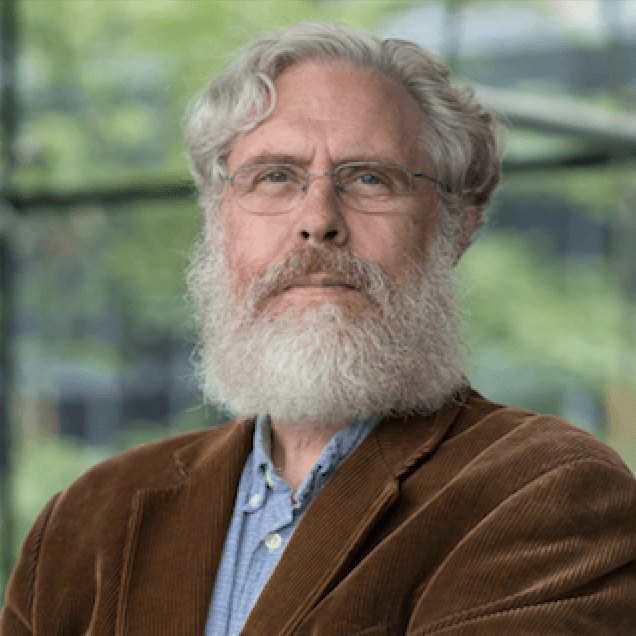
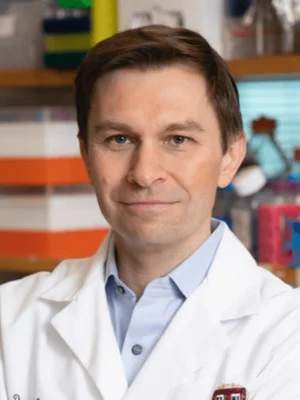
David Sinclair

Harvard Medical School

Professor, Genetics

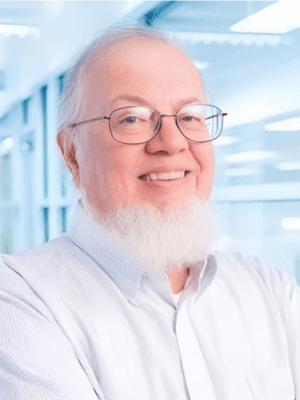
David A. Sinclair, A.O., Ph.D. is considered one of the world’s most influential scientists and a leading figure in the study of human longevity. He is a tenured Professor of Genetics at Harvard Medical School (Boston, MA, USA) and Co-Founder & Co-Chief Editor of the scientific journal Aging . Professor Sinclair’s pioneering work in genetics and aging biology has fundamentally shaped the world’s understanding of mechanisms of aging and age-related diseases. He is best known for his research on the molecular biology of aging, particularly the role of sirtuins, NAD+ metabolism, and epigenetic changes in regulating the aging process. In 2020, the Sinclair Lab reported successful use of cellular reprogramming to safely reverse aging in mammals, which they showed could cure blindness in animal models. Professor Sinclair served as Founding Director of the Glenn Center for Biology of Aging Research at Harvard Medical School from 2005 – 2023 and has published over 180 articles that have been cited over 100,000 times. He is the inventor on more than 50 patents and has co-founded over a dozen successful companies including MetroBiotech, EdenRoc Sciences, Fully Aligned Company, and Life Biosciences. Professor Sinclair is the New York Times bestselling author of Lifespan: Why We Age-And Why We Don’t Have To and the host of the Lifespan with Dr. David Sinclair podcast, a #1 show on Apple that provides health and science education. Among over 35 career awards, Professor Sinclair has been recognized as one of TIME Magazine’s 100 Most Influential People In The World , one of TIME’s 50 Most Influential People In Health Care , received the Pioneer Award from the Director of the NIH, The Noble Genius Prize from The World Forum, and was appointed by Queen Elizabeth’s representative as Officer of the Order of Australia (A.O.) for “distinguished service to medical research into the biology of ageing and lifespan extension, as a geneticist and academic, to biosecurity initiatives, and as an advocate for the study of science.”

SynBioBeta 2026 Tickets are Live

Confirmed Speakers

Sessions Featuring

David

This Year

Book Signing

5:30 PM

-

6:00 PM

General

"Book Signing" Lifespan: Why We Age – and Why We Don't Have To

Join us during the Exhibit Hall Cocktail Reception on Wednesday for a special book signing with David Sinclair, professor of genetics at Harvard Medical School and a leading voice in longevity science. David will be signing copies of his bestselling book Lifespan: Why We Age – and Why We Don’t Have To, which explores the science behind aging and the breakthroughs that could dramatically extend human healthspan. Stop by to meet David, discuss the future of longevity and biotechnology, and pick up a signed copy while connecting with fellow members of the SynBioBeta community.

Get a Ticket

Book Signing

5:30 PM

-

6:00 PM

General

"Book Signing" Lifespan: Why We Age – and Why We Don't Have To

Join us during the Exhibit Hall Cocktail Reception on Wednesday for a special book signing with David Sinclair, professor of genetics at Harvard Medical School and a leading voice in longevity science. David will be signing copies of his bestselling book Lifespan: Why We Age – and Why We Don’t Have To, which explores the science behind aging and the breakthroughs that could dramatically extend human healthspan. Stop by to meet David, discuss the future of longevity and biotechnology, and pick up a signed copy while connecting with fellow members of the SynBioBeta community.

Get a Ticket

Fireside Chat

8:31 AM

-

8:55 AM

Longevity

Fireside Chat with David Sinclair

Get a Ticket

Fireside Chat

8:31 AM

-

8:55 AM

Longevity

Fireside Chat with David Sinclair

Get a Ticket

TBD

Session lineup still growing

Get a Ticket

Featuring

Speaker Coming Soon

Fireside Chat

12:00 AM

-

8:30 AM

Human Health

From Cells to Patients: Solving the Scale Mismatch in Virtual Biology

Drug discovery often measures biology at the cell level while interventions work at the tissue, organ, or whole-patient scale. This mismatch can make accurate cell-level predictions irrelevant in the clinic. This session dives into strategies to bridge that gap: multiscale modeling that nests single-cell dynamics within organ-level simulations, spatial transcriptomics that preserve context, and surrogate models that translate cell-level outputs into clinical biomarkers. Speakers will ask: how do we ensure virtual biology reflects not just what cells do in isolation, but how biology behaves in the real complexity of patients?

Get a Ticket

Featuring

Speaker Coming Soon

Previous Speakers Include