Planetary Health & Sustainability
Agenda Details
Planetary Health & Sustainability
Agenda Details
SynBioBeta 2026. May 4-7, San Jose, California
•
-
AIxBIO
Designing Enzymes Without Compromise. Powered by Intelligent Architecture™
Biology will be the center of the next industrial revolution, representing a $4 trillion economic opportunity. Yet, this value remains overwhelmingly unrealised for one fundamental reason: nature never intended to power industrial manufacturing. Biology was optimized for survival, not for the high-efficiency processes required to transform the global economy. For too long, the industry has relied on incremental improvements, essentially duct-taping enzymes and calling them industrial. At Biomatter, we believe that complete freedom to design any enzyme is the only way to realize the full potential of biomanufacturing. By combining Generative AI with rigorous physics engines, our Intelligent Architecture™ platform allows us to step outside the bounds of natural selection and build enzymes from the bottom up. We are turning the "previously impossible" into routine. From liberating enzymes of their cofactor dependencies for mRNA raw materials to designing lactases that reject the trade-off between lactose removal and high GOS fiber formation, we are proving that biology’s limits are negotiable. Join us to see how we are building the enzymes nature couldn't.
Get a Ticket
•
-
AIxBIO
Designing Enzymes Without Compromise. Powered by Intelligent Architecture™
Biology will be the center of the next industrial revolution, representing a $4 trillion economic opportunity. Yet, this value remains overwhelmingly unrealised for one fundamental reason: nature never intended to power industrial manufacturing. Biology was optimized for survival, not for the high-efficiency processes required to transform the global economy. For too long, the industry has relied on incremental improvements, essentially duct-taping enzymes and calling them industrial. At Biomatter, we believe that complete freedom to design any enzyme is the only way to realize the full potential of biomanufacturing. By combining Generative AI with rigorous physics engines, our Intelligent Architecture™ platform allows us to step outside the bounds of natural selection and build enzymes from the bottom up. We are turning the "previously impossible" into routine. From liberating enzymes of their cofactor dependencies for mRNA raw materials to designing lactases that reject the trade-off between lactose removal and high GOS fiber formation, we are proving that biology’s limits are negotiable. Join us to see how we are building the enzymes nature couldn't.
Get a Ticket
•
-
Planetary Health
Got to Have It: Bio-Derived Ingredients that Drive Meaningful Performance, Delight, and Craveability in Consumer Products
Biotechnology is enabling a new generation of ingredients that elevate both product performance and sustainability. In this fireside chat, leaders from Procter & Gamble will discuss how biotech is being applied across key material classes to enhance consumer products, highlighting innovations behind their latest Native launch and emerging bio-derived ingredients for hair and beauty. The conversation will also explore how biotech platforms are helping shape the future of high-performing, sustainable consumer goods.
Get a Ticket
Featuring
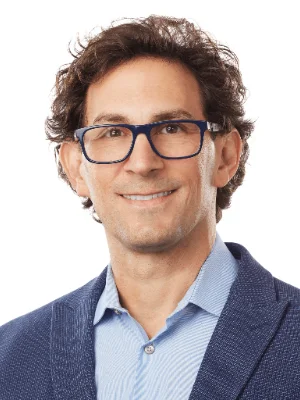
Jose Carlos Garcia-Garcia
Procter & Gamble
Sr. Dir., Research Fellow
Builds biotech “from microbes to marketplace” at consumer scale.
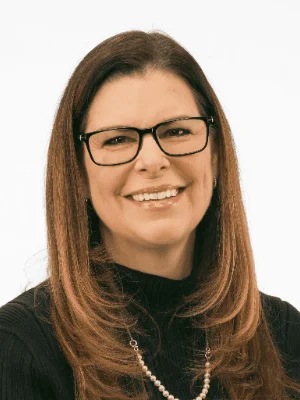
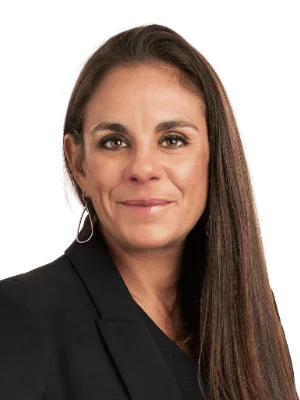
Amy Trejo
Procter & Gamble Company
Dir. Hair Care Sustain.
Bridges biology and big brands
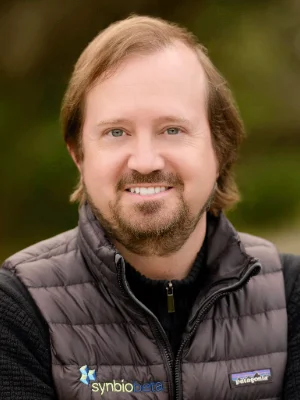
Mikah Coffindaffer
Procter & Gamble
R&D Director
John Cumbers
SynBioBeta
Founder & CEO
Founder of SynBioBeta: synthetic biology’s global connector and storyteller
•
-
Planetary Health
Got to Have It: Bio-Derived Ingredients that Drive Meaningful Performance, Delight, and Craveability in Consumer Products
Biotechnology is enabling a new generation of ingredients that elevate both product performance and sustainability. In this fireside chat, leaders from Procter & Gamble will discuss how biotech is being applied across key material classes to enhance consumer products, highlighting innovations behind their latest Native launch and emerging bio-derived ingredients for hair and beauty. The conversation will also explore how biotech platforms are helping shape the future of high-performing, sustainable consumer goods.
Get a Ticket
Featuring
Jose Carlos Garcia-Garcia
Procter & Gamble
Sr. Dir., Research Fellow
Builds biotech “from microbes to marketplace” at consumer scale.
Amy Trejo
Procter & Gamble Company
Dir. Hair Care Sustain.
Bridges biology and big brands
Mikah Coffindaffer
Procter & Gamble
R&D Director
John Cumbers
SynBioBeta
Founder & CEO
Founder of SynBioBeta: synthetic biology’s global connector and storyteller
•
-
Planetary Health
Fertilizer Feeds the World. It’s Time to Reinvent it with Biology
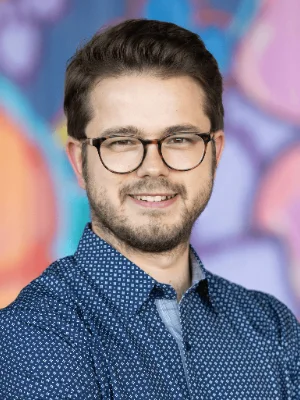
Modern agriculture runs on synthetic nitrogen fertilizer—a system that feeds the world, but depends on energy-intensive production and fragile global supply chains. Every few years, a crisis reminds us how vulnerable it is. Biology has long promised an alternative, but making nitrogen-fixing microbes work reliably in the field has remained one of the hardest challenges in synthetic biology. At Switch Bioworks, we’re taking a new approach: engineering microbial systems that dynamically control nitrogen release directly on plant roots. This talk will cover what has held the field back, what’s changing now, and how biology could fundamentally reshape one of the largest industries on Earth. It's time to reinvent fertilizer. Its time to Switch.
Get a Ticket
•
-
Planetary Health
Fertilizer Feeds the World. It’s Time to Reinvent it with Biology
Modern agriculture runs on synthetic nitrogen fertilizer—a system that feeds the world, but depends on energy-intensive production and fragile global supply chains. Every few years, a crisis reminds us how vulnerable it is. Biology has long promised an alternative, but making nitrogen-fixing microbes work reliably in the field has remained one of the hardest challenges in synthetic biology. At Switch Bioworks, we’re taking a new approach: engineering microbial systems that dynamically control nitrogen release directly on plant roots. This talk will cover what has held the field back, what’s changing now, and how biology could fundamentally reshape one of the largest industries on Earth. It's time to reinvent fertilizer. Its time to Switch.
Get a Ticket
•
-
TBD
Lightning Talk Brought to you By Genoa Ventures
Get a Ticket
Featuring
Speaker Coming Soon
•
-
TBD
Lightning Talk Brought to you By Genoa Ventures
Get a Ticket
Featuring
Speaker Coming Soon
•
-
Planetary Health
Using Science to Remake Meat: The Next Agricultural Revolution
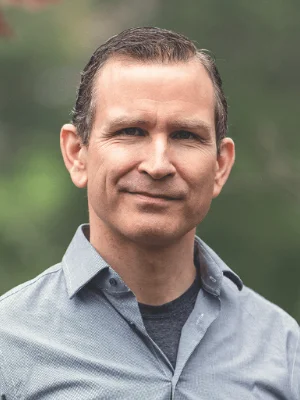
Meat is one of the world’s most complex biomanufacturing systems—and also one of its least optimized. For 12,000 years, we’ve cycled crops through animals to make meat. Drawing from his new book Meat, Bruce Friedrich contends that advances across science and engineering now make it possible to produce meat far more efficiently, which will reduce meat’s contribution to hunger, climate change, deforestation, antibiotic resistance, and pandemic risk. Most importantly for the success of alternative meats, these new technologies will also improve food security and add to GDP for the nations that lean in. It’s been exactly ten years since the first plant-based burgers were introduced and also exactly ten years since the first cultivated meat companies were incorporated. Bruce will reflect on how far we’ve come, how far we have to go, and what it's going to take to get there. Welcome to the next agricultural revolution—courtesy of science.
Get a Ticket
•
-
Planetary Health
Using Science to Remake Meat: The Next Agricultural Revolution
Meat is one of the world’s most complex biomanufacturing systems—and also one of its least optimized. For 12,000 years, we’ve cycled crops through animals to make meat. Drawing from his new book Meat, Bruce Friedrich contends that advances across science and engineering now make it possible to produce meat far more efficiently, which will reduce meat’s contribution to hunger, climate change, deforestation, antibiotic resistance, and pandemic risk. Most importantly for the success of alternative meats, these new technologies will also improve food security and add to GDP for the nations that lean in. It’s been exactly ten years since the first plant-based burgers were introduced and also exactly ten years since the first cultivated meat companies were incorporated. Bruce will reflect on how far we’ve come, how far we have to go, and what it's going to take to get there. Welcome to the next agricultural revolution—courtesy of science.
Get a Ticket
•
-
Tools & Tech
Engineering Resilient Pharma Supply Chains with Biology
For decades, pharmaceutical supply chains were optimized for cost and scale, stretching across continents to source critical active ingredients. But fragility has made resilience a strategic imperative. Synthetic biology offers a new model: onshoring the production of essential APIs by programming cells to manufacture small molecules, peptides, and novel amino acids with precision and scalability. Instead of relying on distant chemical supply networks, biology becomes the factory—flexible, distributed, and programmable. This session explores how engineered microbes and directed evolution platforms are rebuilding pharma supply chains from the molecular level up, enabling secure, responsive, and locally anchored production of the medicines the world depends on.
Get a Ticket
Featuring
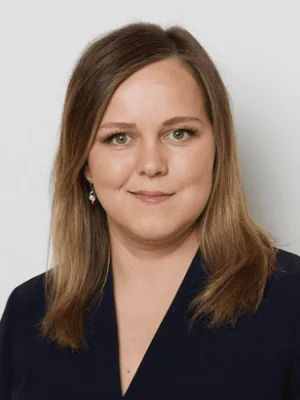
Ola Wlodek
Constructive Bio
CEO
Leader in Non-Canonical Amino Acids and genome design
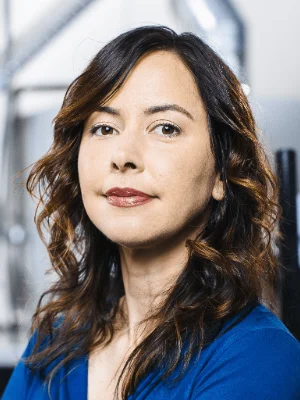
Christina Smolke
Antheia
CEO & Co-Founder
Synthetic-biology pioneer decoupling medicines from fragile supply chains.
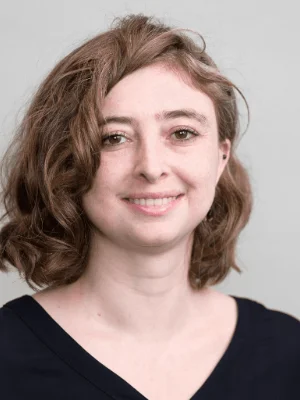
Tina Boville
Aralez Bio
Co-founder & CEO
Enzyme engineer expanding peptide chemistry’s noncanonical frontier.
•
-
Tools & Tech
Engineering Resilient Pharma Supply Chains with Biology
For decades, pharmaceutical supply chains were optimized for cost and scale, stretching across continents to source critical active ingredients. But fragility has made resilience a strategic imperative. Synthetic biology offers a new model: onshoring the production of essential APIs by programming cells to manufacture small molecules, peptides, and novel amino acids with precision and scalability. Instead of relying on distant chemical supply networks, biology becomes the factory—flexible, distributed, and programmable. This session explores how engineered microbes and directed evolution platforms are rebuilding pharma supply chains from the molecular level up, enabling secure, responsive, and locally anchored production of the medicines the world depends on.
Get a Ticket
Featuring
Ola Wlodek
Constructive Bio
CEO
Leader in Non-Canonical Amino Acids and genome design
Christina Smolke
Antheia
CEO & Co-Founder
Synthetic-biology pioneer decoupling medicines from fragile supply chains.
Tina Boville
Aralez Bio
Co-founder & CEO
Enzyme engineer expanding peptide chemistry’s noncanonical frontier.
•
-
Planetary Health
Everyday Bio: Understand the Bio-Products Consumers Love—and Why
Biotech is no longer behind the scenes—it’s on our shelves, in our homes, and part of our daily routines. From sustainable haircare to household cleaning, and high-performance materials, bio-based innovations are redefining everyday consumer experiences. This session explores what drives adoption, how brands communicate the value of biology, and why trust, transparency, and performance are key to building loyalty. Join us to hear from the companies making biology irresistible, accessible, and seamlessly integrated into daily life—and learn what it takes to create bio-products consumers truly love.
Get a Ticket
•
-
Planetary Health
Everyday Bio: Understand the Bio-Products Consumers Love—and Why
Biotech is no longer behind the scenes—it’s on our shelves, in our homes, and part of our daily routines. From sustainable haircare to household cleaning, and high-performance materials, bio-based innovations are redefining everyday consumer experiences. This session explores what drives adoption, how brands communicate the value of biology, and why trust, transparency, and performance are key to building loyalty. Join us to hear from the companies making biology irresistible, accessible, and seamlessly integrated into daily life—and learn what it takes to create bio-products consumers truly love.
Get a Ticket
•
-
Biomanufacturing
Full Stack Bio: How Can Biotech Collaborate to Achieve Scale with Competitive COGS
Scaling bio-based products requires integrated technical collaboration across strain engineering, fermentation, downstream processing, and analytics. Full-stack approaches—where startups, CDMOs, and platform technology providers align early on—can optimize yield, reduce variability, and lower cost of goods (COGS) at commercial scale. This session explores case studies of cross-company collaboration, from co-development of microbial strains and bioreactor designs to shared process analytics and predictive modeling. Hear how teams are breaking down technical silos to accelerate scale-up, improve reproducibility, and create competitive, sustainable manufacturing solutions that bring synthetic biology products from the lab to the market efficiently.
Get a Ticket
Featuring

Babu Raman
Corteva Agriscience
External Collab. Portfolio Leader
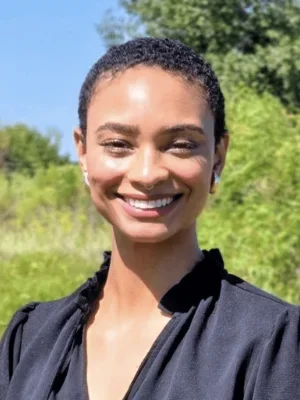
Colby Adolph
Evonik
Sales Director
Fermentation scale-up connector: turning prototypes into manufacturable reality
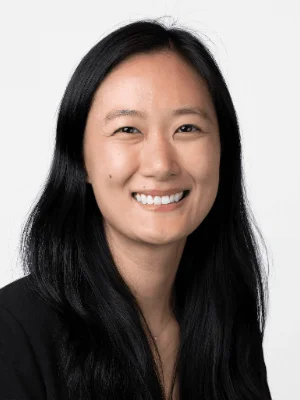
Ling Li
ADM
Dir. Market Dev., Prec. Ferm.
Precision fermentation dealmaker bridging startups, scale, and brands
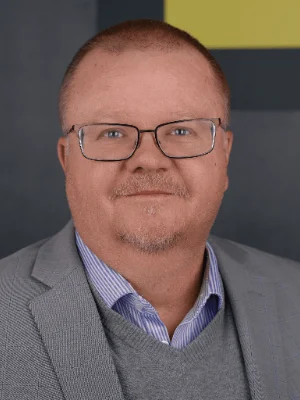
Eric Lee
Primient
Director, B&D - Fermentation
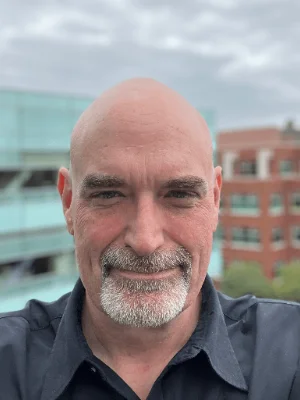
Blake Simmons
LBNL
Dir. Bio. Sys & Engg
Ionic-liquid biomass deconstruction pioneer; National Academy of Inventors fellow.
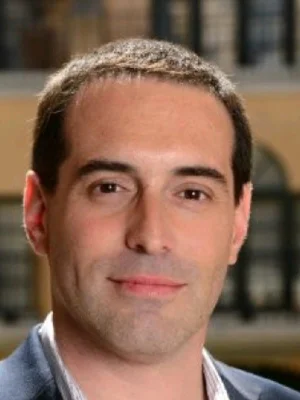
Jamie Bacher
Huxley Project
Principal
Ag-biotech veteran guiding tech to market.
•
-
Biomanufacturing
Full Stack Bio: How Can Biotech Collaborate to Achieve Scale with Competitive COGS
Scaling bio-based products requires integrated technical collaboration across strain engineering, fermentation, downstream processing, and analytics. Full-stack approaches—where startups, CDMOs, and platform technology providers align early on—can optimize yield, reduce variability, and lower cost of goods (COGS) at commercial scale. This session explores case studies of cross-company collaboration, from co-development of microbial strains and bioreactor designs to shared process analytics and predictive modeling. Hear how teams are breaking down technical silos to accelerate scale-up, improve reproducibility, and create competitive, sustainable manufacturing solutions that bring synthetic biology products from the lab to the market efficiently.
Get a Ticket
Featuring
Babu Raman
Corteva Agriscience
External Collab. Portfolio Leader
Colby Adolph
Evonik
Sales Director
Fermentation scale-up connector: turning prototypes into manufacturable reality
Ling Li
ADM
Dir. Market Dev., Prec. Ferm.
Precision fermentation dealmaker bridging startups, scale, and brands
Eric Lee
Primient
Director, B&D - Fermentation
Blake Simmons
LBNL
Dir. Bio. Sys & Engg
Ionic-liquid biomass deconstruction pioneer; National Academy of Inventors fellow.
Jamie Bacher
Huxley Project
Principal
Ag-biotech veteran guiding tech to market.
•
-
Planetary Health
DNA Over Dynamite: How Biomining is Transforming Resource Recovery
Mining has long relied on brute force and chemistry, but biology is opening a new frontier. Biomining uses engineered microbes to extract metals and minerals with precision, efficiency, and far less environmental impact than traditional methods. From rare earth elements essential to clean energy to critical metals powering electronics, synthetic biology is reshaping how we source the building blocks of modern life. This session spotlights innovators designing bio-based recovery systems, scaling sustainable solutions, and reimagining resource extraction.
Get a Ticket
Featuring
Speaker Coming Soon
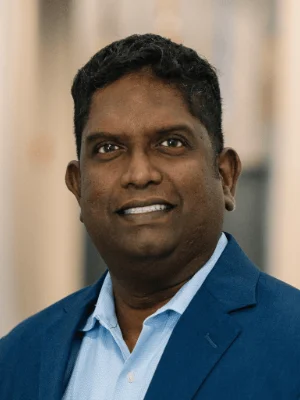
Samuel Jayakanthan
Vandstrom
Research Director
Protein nanochannel engineer chasing cheaper desalination at scale.
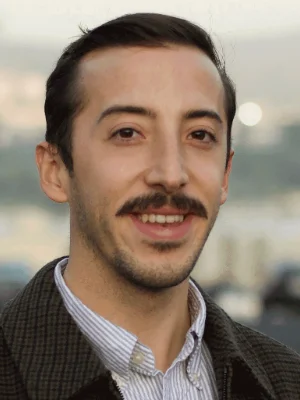
Luis Valencia
AlkaLi Labs
Co-Founder & CEO
Collaborating with microbes to recycle waste
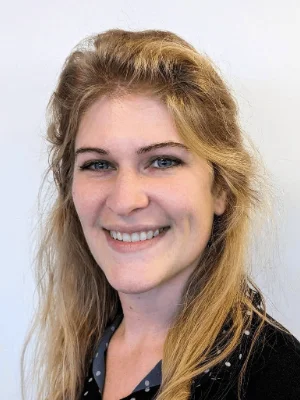
Jayme Feyhl-Buska
Homeworld Collective
Critical Minerals Lead
Geomicrobiology builder turning microbes into cleaner mining tech
•
-
Planetary Health
DNA Over Dynamite: How Biomining is Transforming Resource Recovery
Mining has long relied on brute force and chemistry, but biology is opening a new frontier. Biomining uses engineered microbes to extract metals and minerals with precision, efficiency, and far less environmental impact than traditional methods. From rare earth elements essential to clean energy to critical metals powering electronics, synthetic biology is reshaping how we source the building blocks of modern life. This session spotlights innovators designing bio-based recovery systems, scaling sustainable solutions, and reimagining resource extraction.
Get a Ticket
Featuring
Speaker Coming Soon
Samuel Jayakanthan
Vandstrom
Research Director
Protein nanochannel engineer chasing cheaper desalination at scale.
Luis Valencia
AlkaLi Labs
Co-Founder & CEO
Collaborating with microbes to recycle waste
Jayme Feyhl-Buska
Homeworld Collective
Critical Minerals Lead
Geomicrobiology builder turning microbes into cleaner mining tech
•
-
Biomanufacturing
The Road to Commercial Scale: Capital and Market Demands Beyond the Pilot Plant
Scaling bio-based products to commercial production requires balancing technical readiness with market and financial realities. This session examines the capital investments, regulatory planning, and supply chain strategies necessary to move beyond the pilot stage. Experts will share lessons on aligning production capacity with demand forecasts, managing operational risk, and structuring partnerships that unlock funding and market access. Attendees will gain practical insights into navigating investor expectations, scaling efficiently without compromising quality, and making strategic decisions that ensure products can succeed commercially while meeting evolving market needs and sustainability goals.
Get a Ticket
Featuring
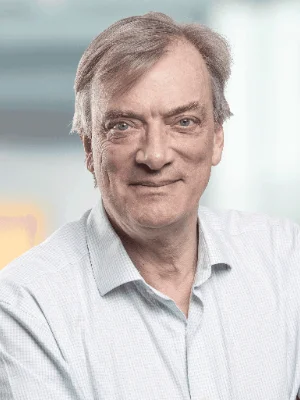
Per Falholt
21st.BIO
CSO, Co-founder
Launched ~200 enzyme products, industrial biotech scale-up expert
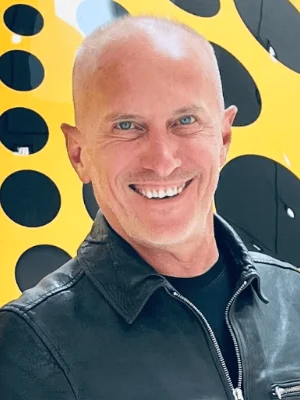
Vanderlei Bellettini
ADM
VP Precision Ferm. Ops
Bioprocess scale-up veteran turning fermentation into real-world products
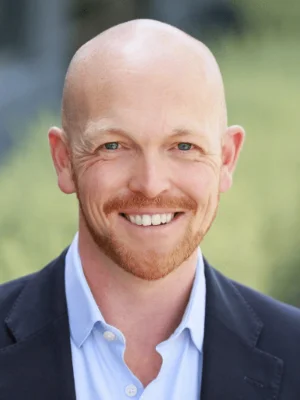
Richard Kenny
Hawkwood Bio
Founder & Mng. Partner
Techno-economic analysis for the bioeconomy
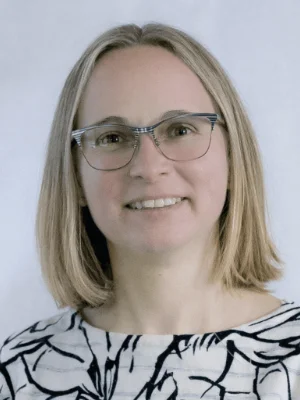
Verena Kallhoff
GHP
Sr. Dir, Global Life Sciences
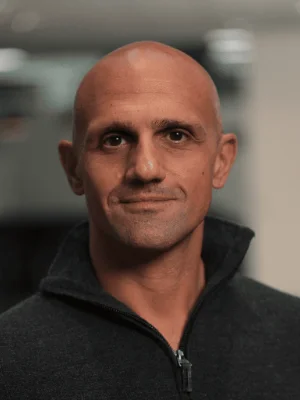
Riccardo LoCascio
Novonesis
Partnering - Precision Proteins

Cindy Groff-Vindman
CINBIO
Founder
•
-
Biomanufacturing
The Road to Commercial Scale: Capital and Market Demands Beyond the Pilot Plant
Scaling bio-based products to commercial production requires balancing technical readiness with market and financial realities. This session examines the capital investments, regulatory planning, and supply chain strategies necessary to move beyond the pilot stage. Experts will share lessons on aligning production capacity with demand forecasts, managing operational risk, and structuring partnerships that unlock funding and market access. Attendees will gain practical insights into navigating investor expectations, scaling efficiently without compromising quality, and making strategic decisions that ensure products can succeed commercially while meeting evolving market needs and sustainability goals.
Get a Ticket
Featuring
Per Falholt
21st.BIO
CSO, Co-founder
Launched ~200 enzyme products, industrial biotech scale-up expert
Vanderlei Bellettini
ADM
VP Precision Ferm. Ops
Bioprocess scale-up veteran turning fermentation into real-world products
Richard Kenny
Hawkwood Bio
Founder & Mng. Partner
Techno-economic analysis for the bioeconomy
Verena Kallhoff
GHP
Sr. Dir, Global Life Sciences
Riccardo LoCascio
Novonesis
Partnering - Precision Proteins
Cindy Groff-Vindman
CINBIO
Founder
•
-
Biomanufacturing
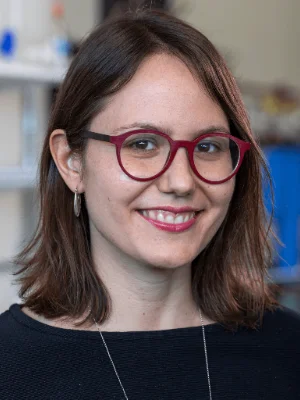
Mind the Gap: Survival Guides for the Valleys of Death in Biomanufacturing
Industrial biotech faces repeated “valleys of death” between laboratory success and commercial manufacturing, driven by a combination of technological uncertainty, scale-dependent constraints, and (mis)alignment between engineering reality and investment expectations. Promising technologies often fail not because the science is wrong, but because scale-up trajectories are built on insufficient data, optimistic assumptions, and decision-making based on the 1st product specifications from the lab that do not translate to industrial conditions. This panel returns to fundamentals, drawing on real-world experience from piloting, process engineering, and early industrialization to examine where and why scale-up breaks down. Experts will discuss how important the scale-up journey is to align technology performance with investor expectations, support sound business cases, and turn the industrial biotech toolbox into a more robust, scalable, and profitable manufacturing platform.
Get a Ticket
•
-
Biomanufacturing
Mind the Gap: Survival Guides for the Valleys of Death in Biomanufacturing
Industrial biotech faces repeated “valleys of death” between laboratory success and commercial manufacturing, driven by a combination of technological uncertainty, scale-dependent constraints, and (mis)alignment between engineering reality and investment expectations. Promising technologies often fail not because the science is wrong, but because scale-up trajectories are built on insufficient data, optimistic assumptions, and decision-making based on the 1st product specifications from the lab that do not translate to industrial conditions. This panel returns to fundamentals, drawing on real-world experience from piloting, process engineering, and early industrialization to examine where and why scale-up breaks down. Experts will discuss how important the scale-up journey is to align technology performance with investor expectations, support sound business cases, and turn the industrial biotech toolbox into a more robust, scalable, and profitable manufacturing platform.
Get a Ticket
•
-
Tools & Tech
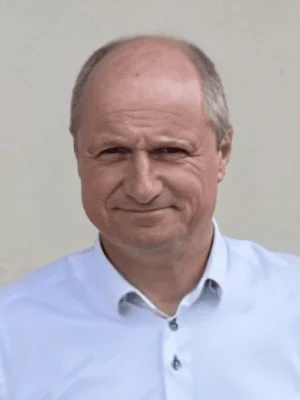
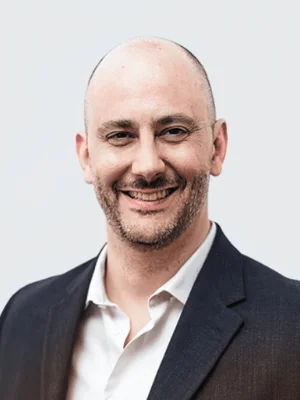
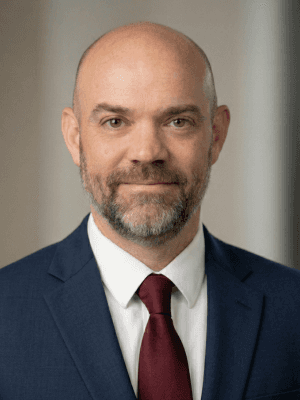
From AI protein design to real-world commercial impact: powering the next wave of everyday products
For more than a century, everyday products - from detergents and shampoos to textiles and packaging - have relied on petrochemicals and harsh industrial processes. Today, AI-driven protein design is opening a radically different path: creating custom enzymes and biomolecules that outperform traditional chemistry while reducing environmental impact. This session explores how advances in computational protein design and machine learning enable the rational creation of enzymes tailored for home care, personal care, and next-generation materials—moving beyond incremental discovery to purpose-built performance under real industrial conditions. Critically, this highlights how AI-driven design is being translated into commercially deployed products at scale with partners and customers.
Get a Ticket
•
-
Tools & Tech
From AI protein design to real-world commercial impact: powering the next wave of everyday products
For more than a century, everyday products - from detergents and shampoos to textiles and packaging - have relied on petrochemicals and harsh industrial processes. Today, AI-driven protein design is opening a radically different path: creating custom enzymes and biomolecules that outperform traditional chemistry while reducing environmental impact. This session explores how advances in computational protein design and machine learning enable the rational creation of enzymes tailored for home care, personal care, and next-generation materials—moving beyond incremental discovery to purpose-built performance under real industrial conditions. Critically, this highlights how AI-driven design is being translated into commercially deployed products at scale with partners and customers.
Get a Ticket
•
-
AIxBIO
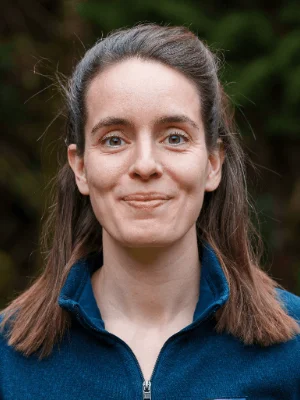
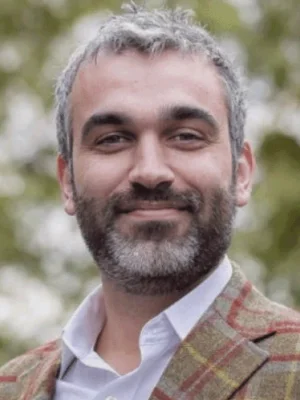
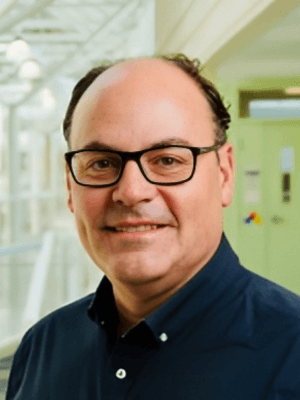
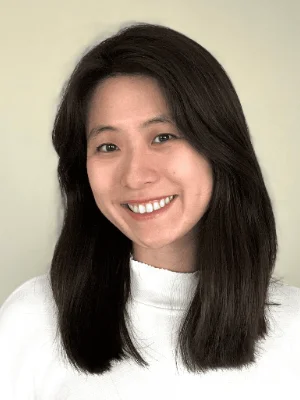
The Programmable Protein Era: How AI Rewrites the Rules of Biomolecules
Biologics and engineered proteins have traditionally evolved through cycles of intuition, screening, and incremental optimization. Today, AI is transforming proteins into programmable systems; governed by learnable patterns across activity, stability, expression, specificity, manufacturability, and environmental performance. This shift is unlocking a new generation of biomolecules, from next-generation therapeutics to sustainable enzymes and functional biological systems, that would have been impossible to design by hand. In this session, leaders from biopharma, industrial biotech, machine learning, and protein engineering will explore how multiparameter optimization, generative modeling, and closed-loop experimental validation are reshaping biomolecular design across domains. From clinical biologics to planetary-scale applications, we examine the shift from trial-and-error to predictive, constraint-driven design, and what it means for R&D timelines, scalability, and real-world impact.
Get a Ticket
•
-
AIxBIO
The Programmable Protein Era: How AI Rewrites the Rules of Biomolecules
Biologics and engineered proteins have traditionally evolved through cycles of intuition, screening, and incremental optimization. Today, AI is transforming proteins into programmable systems; governed by learnable patterns across activity, stability, expression, specificity, manufacturability, and environmental performance. This shift is unlocking a new generation of biomolecules, from next-generation therapeutics to sustainable enzymes and functional biological systems, that would have been impossible to design by hand. In this session, leaders from biopharma, industrial biotech, machine learning, and protein engineering will explore how multiparameter optimization, generative modeling, and closed-loop experimental validation are reshaping biomolecular design across domains. From clinical biologics to planetary-scale applications, we examine the shift from trial-and-error to predictive, constraint-driven design, and what it means for R&D timelines, scalability, and real-world impact.
Get a Ticket
•
-
AIxBIO
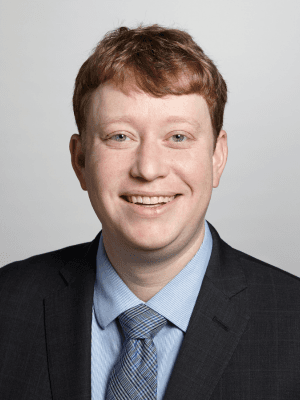
The New Computational Biology Stack: Models, Compute, and Experimental Feedback
AI is transforming biology into a fully integrated computational discipline, where discovery depends on the seamless interaction between models, compute infrastructure, and experimental systems. As foundation models for proteins, genomes, and cellular systems mature, the challenge is no longer prediction alone. It is building a unified stack that connects generative design, large-scale computation, and rapid experimental feedback into continuous learning loops. This session explores how the next generation of computational biology platforms is emerging at the intersection of cloud computing, GPU-accelerated modeling, advanced simulation, and high-throughput experimental infrastructure. Leaders across AI, biotech, and technology will discuss how tightly integrated design-build-test-learn cycles are reshaping therapeutic discovery, enabling adaptive model refinement, and accelerating the transition from in silico hypotheses to real-world biological outcomes.
Get a Ticket
•
-
AIxBIO
The New Computational Biology Stack: Models, Compute, and Experimental Feedback
AI is transforming biology into a fully integrated computational discipline, where discovery depends on the seamless interaction between models, compute infrastructure, and experimental systems. As foundation models for proteins, genomes, and cellular systems mature, the challenge is no longer prediction alone. It is building a unified stack that connects generative design, large-scale computation, and rapid experimental feedback into continuous learning loops. This session explores how the next generation of computational biology platforms is emerging at the intersection of cloud computing, GPU-accelerated modeling, advanced simulation, and high-throughput experimental infrastructure. Leaders across AI, biotech, and technology will discuss how tightly integrated design-build-test-learn cycles are reshaping therapeutic discovery, enabling adaptive model refinement, and accelerating the transition from in silico hypotheses to real-world biological outcomes.
Get a Ticket
•
-
AIxBIO
The AIxBIO Landscape: Mapping the Convergence of AI and Programmable Biology presented by NVIDIA
As artificial intelligence and programmable biology rapidly converge, a new generation of companies, tools, and research paradigms is emerging across the life sciences. From AI-driven protein design and generative genomics to autonomous laboratories and foundation models for biology, the AIxBIO ecosystem is evolving at unprecedented speed. In this session, NVIDIA will present a high-level overview of the AIxBIO landscape, highlighting key technological breakthroughs, emerging categories of companies, and the infrastructure powering the next wave of biological discovery. The discussion will explore how advances in compute, data, and machine learning are reshaping how we design molecules, engineer cells, and accelerate drug and materials discovery. This talk will provide a strategic map of the field and help frame where the most important opportunities and bottlenecks lie as AI begins to fundamentally transform the practice of biology.
Get a Ticket
•
-
AIxBIO
The AIxBIO Landscape: Mapping the Convergence of AI and Programmable Biology presented by NVIDIA
As artificial intelligence and programmable biology rapidly converge, a new generation of companies, tools, and research paradigms is emerging across the life sciences. From AI-driven protein design and generative genomics to autonomous laboratories and foundation models for biology, the AIxBIO ecosystem is evolving at unprecedented speed. In this session, NVIDIA will present a high-level overview of the AIxBIO landscape, highlighting key technological breakthroughs, emerging categories of companies, and the infrastructure powering the next wave of biological discovery. The discussion will explore how advances in compute, data, and machine learning are reshaping how we design molecules, engineer cells, and accelerate drug and materials discovery. This talk will provide a strategic map of the field and help frame where the most important opportunities and bottlenecks lie as AI begins to fundamentally transform the practice of biology.
Get a Ticket
•
-
Planetary Health
The New Main Course: Cultured Meat + Precision Fermentation
Plant-based food sales may be slowing, but that doesn’t mean innovation on the plate is stalling. Instead, momentum is shifting toward breakthrough technologies and smarter ingredient combinations. Cultured meat and precision fermentation are driving the next wave of sustainable ingredients, from proteins to cultured fats that bring authentic flavor and texture. This session highlights advances in cell culture, fermentation platforms, and scale-up strategies, along with the partnerships moving products from R&D to dining tables. Hear how food innovators are combining biology and culinary creativity to build a resilient, delicious, and sustainable future for global diets.
Get a Ticket
Featuring
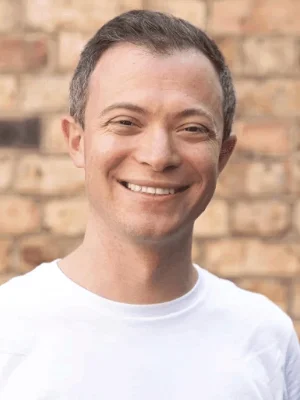
Max Jamilly
Hoxton Farms
CEO & Co-founder
Cultivated-fat pioneer making alt-meat taste real.

Laura Kliman
Impossible Foods
Senior R&D Director
Making plant-based meat possible
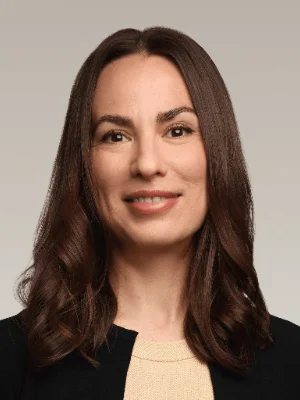
Isabelle Decitre
ID Capital
Founder
Future Food Asia founder. Synbio food-systems investor.
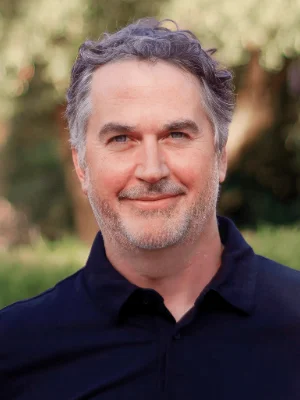
Jason Ryder
Oobli
Founder & CTO
Turns exotic sweet proteins into craveable sweetness without sugar.
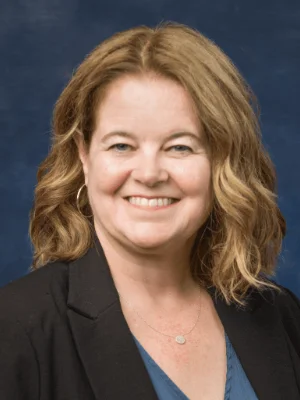
Megan Thomas
Ladder 17
Founder & CEO
Launched the first CRISPR food in the US, award-winning storytelling podcast host.
•
-
Planetary Health
The New Main Course: Cultured Meat + Precision Fermentation
Plant-based food sales may be slowing, but that doesn’t mean innovation on the plate is stalling. Instead, momentum is shifting toward breakthrough technologies and smarter ingredient combinations. Cultured meat and precision fermentation are driving the next wave of sustainable ingredients, from proteins to cultured fats that bring authentic flavor and texture. This session highlights advances in cell culture, fermentation platforms, and scale-up strategies, along with the partnerships moving products from R&D to dining tables. Hear how food innovators are combining biology and culinary creativity to build a resilient, delicious, and sustainable future for global diets.
Get a Ticket
Featuring
Max Jamilly
Hoxton Farms
CEO & Co-founder
Cultivated-fat pioneer making alt-meat taste real.
Laura Kliman
Impossible Foods
Senior R&D Director
Making plant-based meat possible
Isabelle Decitre
ID Capital
Founder
Future Food Asia founder. Synbio food-systems investor.
Jason Ryder
Oobli
Founder & CTO
Turns exotic sweet proteins into craveable sweetness without sugar.
Megan Thomas
Ladder 17
Founder & CEO
Launched the first CRISPR food in the US, award-winning storytelling podcast host.
•
-
Human Health
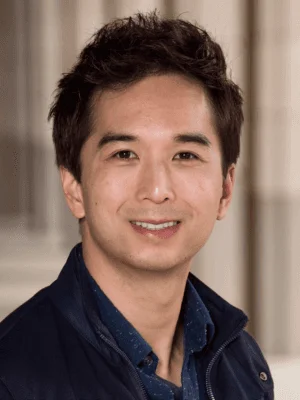
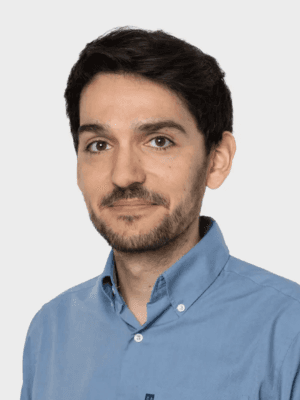
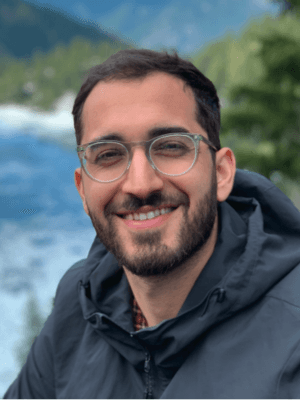
Synthetic Evolution: Reprogramming Genomes to Accelerate Biological Discovery
For billions of years, evolution has been biology’s most powerful search engine. Now researchers are beginning to redesign that engine itself. From orthogonal replication systems like OrthoRep to synthetic genomes, programmable mutation systems, and continuous evolution platforms, new tools are making it possible to evolve biological function with unprecedented speed, control, and scale. This session explores how synthetic evolution is becoming a core technology of programmable biology. Speakers will examine how engineered replication, genome-scale design, and AI-informed selection strategies are expanding the range of molecules, pathways, and phenotypes that can be discovered in the lab. By moving from passively observing evolution to actively directing it, scientists are opening a new frontier where genomes are not just edited, but built and evolved as programmable systems.
Get a Ticket
•
-
Human Health
Synthetic Evolution: Reprogramming Genomes to Accelerate Biological Discovery
For billions of years, evolution has been biology’s most powerful search engine. Now researchers are beginning to redesign that engine itself. From orthogonal replication systems like OrthoRep to synthetic genomes, programmable mutation systems, and continuous evolution platforms, new tools are making it possible to evolve biological function with unprecedented speed, control, and scale. This session explores how synthetic evolution is becoming a core technology of programmable biology. Speakers will examine how engineered replication, genome-scale design, and AI-informed selection strategies are expanding the range of molecules, pathways, and phenotypes that can be discovered in the lab. By moving from passively observing evolution to actively directing it, scientists are opening a new frontier where genomes are not just edited, but built and evolved as programmable systems.
Get a Ticket
•
-
Business of Biology
Fueling the Bioeconomy: How Founders Can Unlock Government Capital to Build the Next Generation of Biotech
Venture capital alone is no longer enough to power the next wave of biotechnology innovation. Across health, biosecurity, climate, and advanced biomanufacturing, government agencies are emerging as catalytic partners, deploying billions in non-dilutive funding to accelerate high-risk, high-impact breakthroughs. But accessing this capital requires more than strong science. Founders must understand how agencies like ARPA-H, DARPA, BARDA, and others evaluate risk, define mission impact, and structure partnerships that bridge research and real-world deployment. This session brings together agency leaders, founders, and experienced operators to demystify how government funding actually works in today’s market. The panelists will explore how startups can position themselves for success, avoid common pitfalls in proposal development and contracting, and strategically leverage non-dilutive funding to extend runway, de-risk technology, and unlock new commercial pathways.
Get a Ticket
Featuring

Alicia Jackson
ARPA-H
Director
DARPA veteran driving ARPA-H’s next-generation health moonshots.
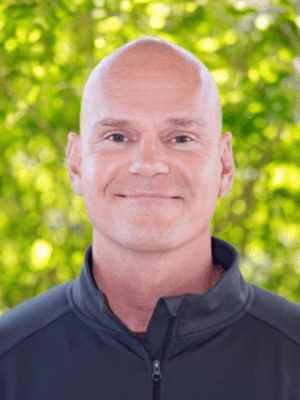
Michael Koeris
DARPA
Director, BTO
Protecting National Security with Biology
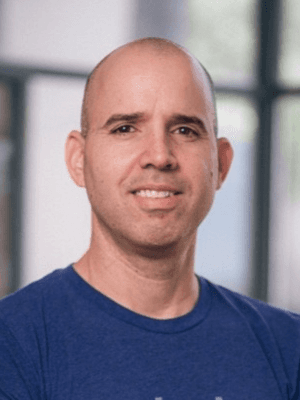
Omri Amirav-Drory
NFX
General Partner
Scientist-founder VC: built Genome Compiler, now backs techbio.
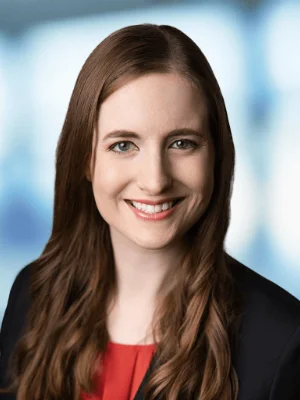
Laura Powell
EverGlade
Director
•
-
Business of Biology
Fueling the Bioeconomy: How Founders Can Unlock Government Capital to Build the Next Generation of Biotech
Venture capital alone is no longer enough to power the next wave of biotechnology innovation. Across health, biosecurity, climate, and advanced biomanufacturing, government agencies are emerging as catalytic partners, deploying billions in non-dilutive funding to accelerate high-risk, high-impact breakthroughs. But accessing this capital requires more than strong science. Founders must understand how agencies like ARPA-H, DARPA, BARDA, and others evaluate risk, define mission impact, and structure partnerships that bridge research and real-world deployment. This session brings together agency leaders, founders, and experienced operators to demystify how government funding actually works in today’s market. The panelists will explore how startups can position themselves for success, avoid common pitfalls in proposal development and contracting, and strategically leverage non-dilutive funding to extend runway, de-risk technology, and unlock new commercial pathways.
Get a Ticket
Featuring
Alicia Jackson
ARPA-H
Director
DARPA veteran driving ARPA-H’s next-generation health moonshots.
Michael Koeris
DARPA
Director, BTO
Protecting National Security with Biology
Omri Amirav-Drory
NFX
General Partner
Scientist-founder VC: built Genome Compiler, now backs techbio.
Laura Powell
EverGlade
Director
•
-
Tools & Tech
From Experience to Intelligence - Building Practical Vertical AI for Industrial Enzyme Engineering
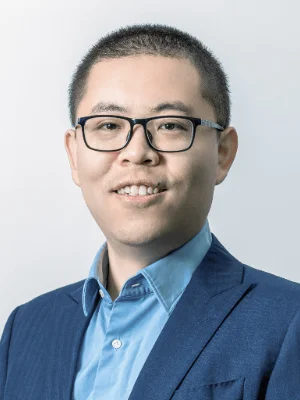
While foundation models have demonstrated broad potential in protein engineering, their generic nature often falls short at the industrial "last mile"—where narrow tolerance windows, non-natural substrates, and harsh process conditions prevail. To adapt to these challenges, we integrate decades of enzyme engineering experience with proprietary high-fidelity domain-specific datasets, powered by our CFPS‑driven high‑throughput screening platform (>100× throughput over traditional directed evolution, enabling precise domain-specific annotation). This approach enables us to build practical vertical AI models that have been validated in real‑world production settings, demonstrating improved accuracy over general‑purpose models and paving the way toward an integrated Enzyme Co‑Pilot for reliable, data‑driven biocatalysis.
Get a Ticket
•
-
Tools & Tech
From Experience to Intelligence - Building Practical Vertical AI for Industrial Enzyme Engineering
While foundation models have demonstrated broad potential in protein engineering, their generic nature often falls short at the industrial "last mile"—where narrow tolerance windows, non-natural substrates, and harsh process conditions prevail. To adapt to these challenges, we integrate decades of enzyme engineering experience with proprietary high-fidelity domain-specific datasets, powered by our CFPS‑driven high‑throughput screening platform (>100× throughput over traditional directed evolution, enabling precise domain-specific annotation). This approach enables us to build practical vertical AI models that have been validated in real‑world production settings, demonstrating improved accuracy over general‑purpose models and paving the way toward an integrated Enzyme Co‑Pilot for reliable, data‑driven biocatalysis.
Get a Ticket
•
-
AIxBIO
Programmable Metabolism: From Predictive Models to Agentic AI in Metabolic Engineering
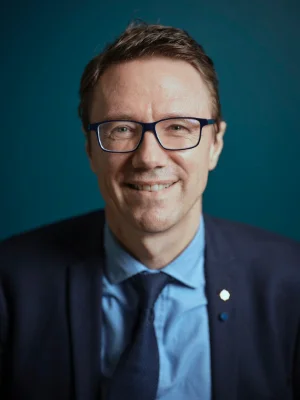
Metabolic engineering is entering a new phase of programmability, evolving from mechanistic models toward AI-driven systems that can design, test, and refine biology with increasing autonomy. Early efforts to combine genome-scale modeling with machine learning began to improve genotype to phenotype prediction, hinting at a more predictive and designable biology. Today, that paradigm is advancing into a new layer. Agentic AI systems are beginning to orchestrate the full design, build, test, learn cycle. These platforms integrate experimental data, automation, and decision-making into continuous closed loop workflows, enabling faster iteration and more intelligent exploration of biological space. This session explores the next frontier of metabolic engineering, examining long standing bottlenecks such as limited data, combinatorial design complexity, and slow iteration cycles, and how AI native, end to end platforms are transforming pathway design, strain optimization, and scalable biomanufacturing.
Get a Ticket
•
-
AIxBIO
Programmable Metabolism: From Predictive Models to Agentic AI in Metabolic Engineering
Metabolic engineering is entering a new phase of programmability, evolving from mechanistic models toward AI-driven systems that can design, test, and refine biology with increasing autonomy. Early efforts to combine genome-scale modeling with machine learning began to improve genotype to phenotype prediction, hinting at a more predictive and designable biology. Today, that paradigm is advancing into a new layer. Agentic AI systems are beginning to orchestrate the full design, build, test, learn cycle. These platforms integrate experimental data, automation, and decision-making into continuous closed loop workflows, enabling faster iteration and more intelligent exploration of biological space. This session explores the next frontier of metabolic engineering, examining long standing bottlenecks such as limited data, combinatorial design complexity, and slow iteration cycles, and how AI native, end to end platforms are transforming pathway design, strain optimization, and scalable biomanufacturing.
Get a Ticket
•
-
Human Health
How an Entrepreneur Built His Own R&D loop - and Reached No Evidence of Disease
When Sid Sijbrandij, co-founder of Gitlab, was told he’d exhausted every standard option to fight his osteosarcoma, he didn’t accept it. He assembled a global team of physicians and scientists, worked with labs and clinics across multiple countries, did maximum diagnostics, and made personalized therapeutics - building a personal R&D loop that let him stay ahead of his disease. Today, he has no evidence of disease.
Get a Ticket
Featuring
Speaker Coming Soon
•
-
Human Health
How an Entrepreneur Built His Own R&D loop - and Reached No Evidence of Disease
When Sid Sijbrandij, co-founder of Gitlab, was told he’d exhausted every standard option to fight his osteosarcoma, he didn’t accept it. He assembled a global team of physicians and scientists, worked with labs and clinics across multiple countries, did maximum diagnostics, and made personalized therapeutics - building a personal R&D loop that let him stay ahead of his disease. Today, he has no evidence of disease.
Get a Ticket
Featuring
Speaker Coming Soon
•
-
Planetary Health
Rooted in Resilience: Speeding Up SynBio Plant Adaptation in a Rapidly Changing Climate
Climate volatility is reshaping the future of food, demanding plants that can withstand heat, drought, and disease. Synthetic biology offers powerful tools to accelerate adaptation—engineering plants with traits that once took decades to breed. This session explores how innovators are designing resilient plants, building platforms for rapid trait development, and forging collaborations across agtech, biotech, multinationals, and policy. Join us to hear how synbio is moving beyond the lab to the field, reshaping agriculture for resilience, and ensuring farmers worldwide can thrive in the face of climate uncertainty.
Get a Ticket
Featuring
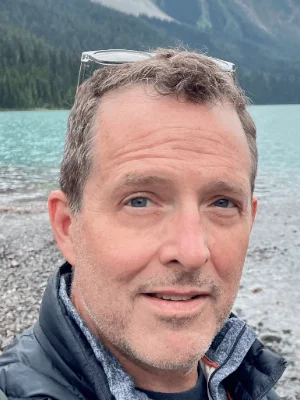
Lyle Ralston
Bayer Crop Science
CE Platform Lead
Engineering Crops for global food security
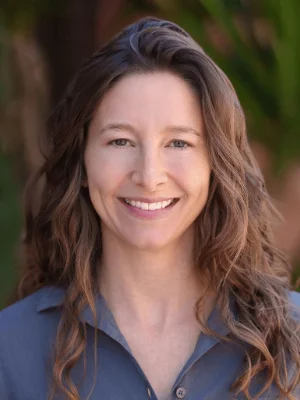
Emily Hatas
Revive & Restore
Vice President
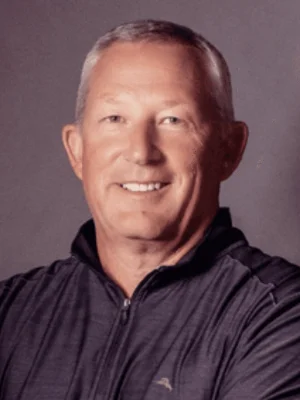
Bruce Schnicker
Pivot Bio
VP, Product Dev
Sowing the seeds for Biology's future
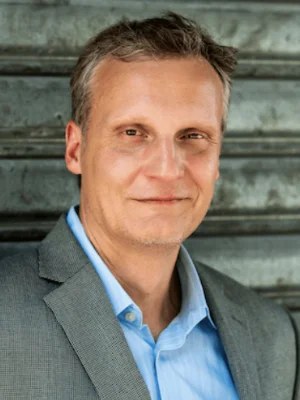
Michael Ferrari
Moby
VP, Head of Research
Data/AI “world-models” researcher bridging synbio to real markets.
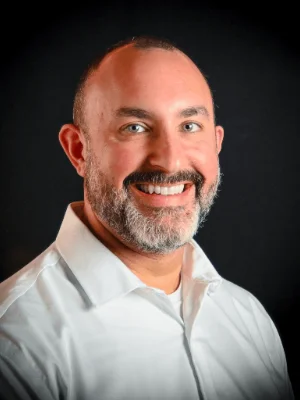
Joshua Geilhufe
Rhiza Bio Cons.
Principal
First-market strategist for synbio agriculture and fermentation.
•
-
Planetary Health
Rooted in Resilience: Speeding Up SynBio Plant Adaptation in a Rapidly Changing Climate
Climate volatility is reshaping the future of food, demanding plants that can withstand heat, drought, and disease. Synthetic biology offers powerful tools to accelerate adaptation—engineering plants with traits that once took decades to breed. This session explores how innovators are designing resilient plants, building platforms for rapid trait development, and forging collaborations across agtech, biotech, multinationals, and policy. Join us to hear how synbio is moving beyond the lab to the field, reshaping agriculture for resilience, and ensuring farmers worldwide can thrive in the face of climate uncertainty.
Get a Ticket
Featuring
Lyle Ralston
Bayer Crop Science
CE Platform Lead
Engineering Crops for global food security
Emily Hatas
Revive & Restore
Vice President
Bruce Schnicker
Pivot Bio
VP, Product Dev
Sowing the seeds for Biology's future
Michael Ferrari
Moby
VP, Head of Research
Data/AI “world-models” researcher bridging synbio to real markets.
Joshua Geilhufe
Rhiza Bio Cons.
Principal
First-market strategist for synbio agriculture and fermentation.
•
-
Biomanufacturing
Bio-Sharpened: Enzymes Transforming Cleaning, Processing, and the Industrial Food System
Enzymes are becoming the precision tools behind cleaner, more efficient, and more sustainable production across both home-care and food manufacturing. In cleaning products, next-generation enzymes replace harsh chemicals with biodegradable, high-performance biocatalysts that work at lower temperatures and deliver superior stain, odor, and grease removal. In food processing, engineered proteases, lipases, amylases, and fiber-modifying enzymes are unlocking new textures, cleaner labels, better stability, and reduced energy use—reshaping how everything from dairy and bakery to beverages and plant proteins are made.
Get a Ticket
Featuring
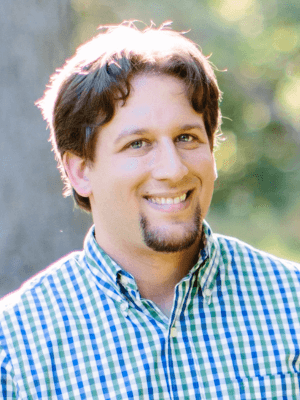
Michael Hershkowitz
IFF
Dir., Sustainable Innovation
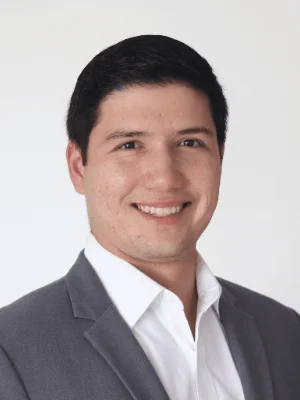
Alex Rosay
Cascade Bio
Co-founder & CEO
Made enzymes last months with “Body Armor.”
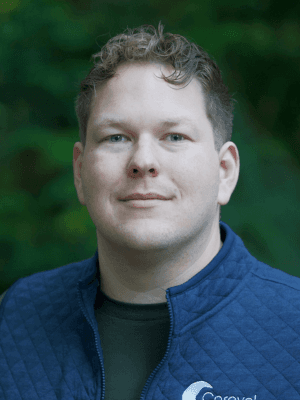
Trevor Nicks
Caravel Bio
Founder & CEO
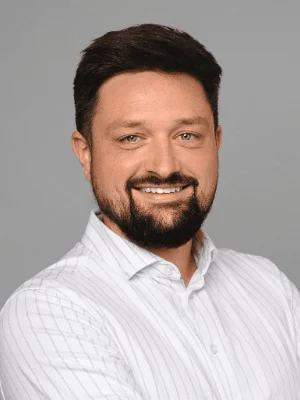
Matthew Thompson
Biomatter
VP - Industrial Biotech
Reimagining enzymes for industrial biomanufacturing with AI

Karl Schmieder
Messaging Lab
CEO
•
-
Biomanufacturing
Bio-Sharpened: Enzymes Transforming Cleaning, Processing, and the Industrial Food System
Enzymes are becoming the precision tools behind cleaner, more efficient, and more sustainable production across both home-care and food manufacturing. In cleaning products, next-generation enzymes replace harsh chemicals with biodegradable, high-performance biocatalysts that work at lower temperatures and deliver superior stain, odor, and grease removal. In food processing, engineered proteases, lipases, amylases, and fiber-modifying enzymes are unlocking new textures, cleaner labels, better stability, and reduced energy use—reshaping how everything from dairy and bakery to beverages and plant proteins are made.
Get a Ticket
Featuring
Michael Hershkowitz
IFF
Dir., Sustainable Innovation
Alex Rosay
Cascade Bio
Co-founder & CEO
Made enzymes last months with “Body Armor.”
Trevor Nicks
Caravel Bio
Founder & CEO
Matthew Thompson
Biomatter
VP - Industrial Biotech
Reimagining enzymes for industrial biomanufacturing with AI
Karl Schmieder
Messaging Lab
CEO
•
-
Planetary Health
Artificial Colours are Out, Bio is In: SynBio’s Opportunity–and Risk–in a Changing Food Landscape
Synthetic biology has long offererd vibrant pigments and functional ingredients with consistency, scalability, and improved sustainability. While many US policy shifts are creating headwinds for biotech innovation, the regulatory momentum around food colors and ingredients could open a significant opportunity for synbio adoption. This session examines the opportunities and risks ahead, highlighting how innovators can align with shifting rules, build trust, and bring bio-based ingredients from lab to label in a rapidly evolving food landscape.
Get a Ticket
Featuring
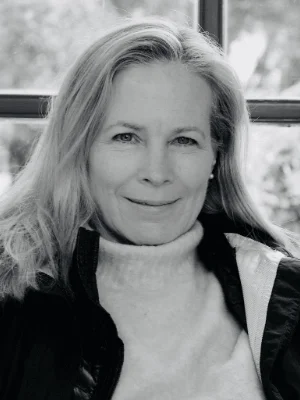
Birgit Cameron
Prism Bio, Inc.
CEO, Co-founder
Patagonia Provisions cofounder now fermenting sustainable, vivid natural colors.
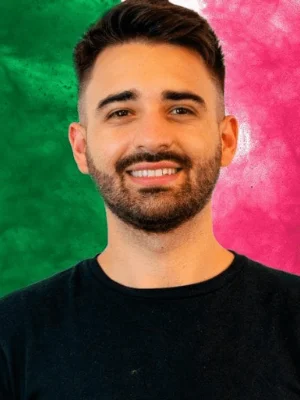
Ricky Cassini
Michroma
CEO
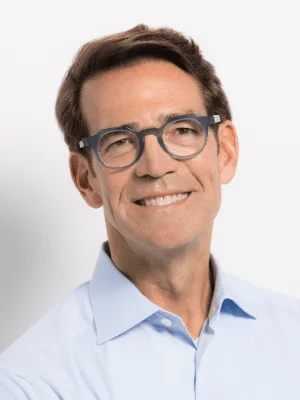
Gregory Hocking
Mars Snacking
VP Global R&D New Innov. Territories
Reinventing snacking through sustainability and startup bets.

Erum Azeez Khan
Messaginglab
Partner
•
-
Planetary Health
Artificial Colours are Out, Bio is In: SynBio’s Opportunity–and Risk–in a Changing Food Landscape
Synthetic biology has long offererd vibrant pigments and functional ingredients with consistency, scalability, and improved sustainability. While many US policy shifts are creating headwinds for biotech innovation, the regulatory momentum around food colors and ingredients could open a significant opportunity for synbio adoption. This session examines the opportunities and risks ahead, highlighting how innovators can align with shifting rules, build trust, and bring bio-based ingredients from lab to label in a rapidly evolving food landscape.
Get a Ticket
Featuring
Birgit Cameron
Prism Bio, Inc.
CEO, Co-founder
Patagonia Provisions cofounder now fermenting sustainable, vivid natural colors.
Ricky Cassini
Michroma
CEO
Gregory Hocking
Mars Snacking
VP Global R&D New Innov. Territories
Reinventing snacking through sustainability and startup bets.
Erum Azeez Khan
Messaginglab
Partner
•
-
Planetary Health
Biology Without Cells: The Rise of Cell-Free Biomanufacturing
Cell-free systems are redefining what’s possible in bioproduction. By bypassing the complexity of living cells, innovators can run enzyme cascades, prototype metabolic pathways, and produce high-value molecules with unmatched speed, precision, and purity. This new class of systems—from freeze-dried reactions to continuous cell-free reactors—enables rapid iteration, on-demand production, and scalable biochemistry without the need for fermentation tanks or long development cycles.
Get a Ticket
Featuring
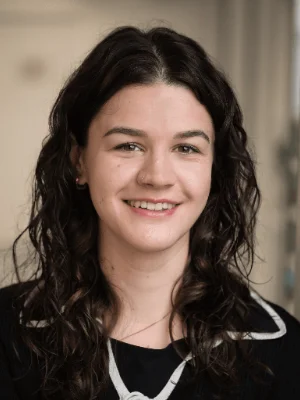
Amy Locks
Anzen Industries
CEO
Enzyme-stabilization expert building cell-free modular “enzyme reactors.”
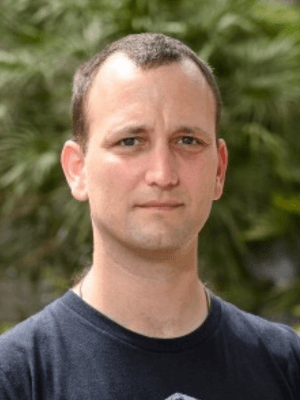
Jonathan Weinstein
Scala Biodesign
Prin. Scientist, Protein Design Alg. & AI
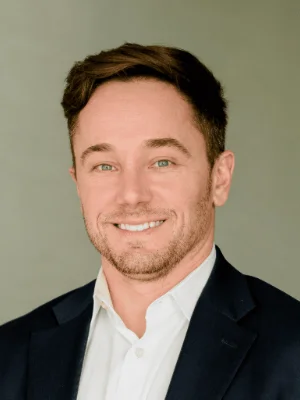
Christopher Pirie
Decycle Bio
CEO
De-novo, cell-free enzyme cascades converting waste into chemicals
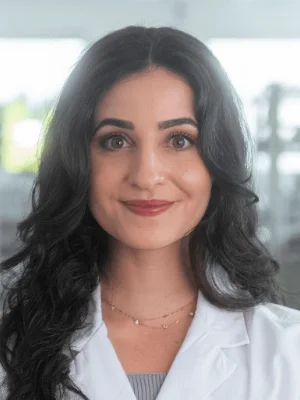
Neeka Mashouf
Rubi Laboratories
CEO and Co-founder
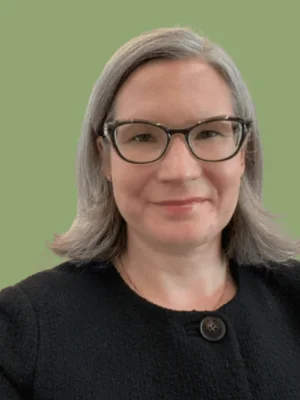
Cynthia Collins
Ginkgo Bioworks
GM, Ginkgo Reagents
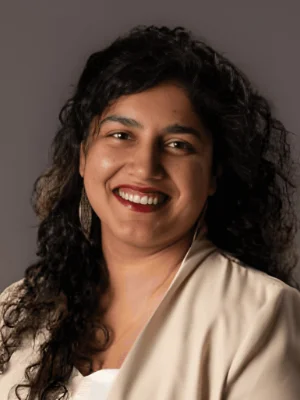
Kavya Sharman
Phase Capital
Managing Partner
•
-
Planetary Health
Biology Without Cells: The Rise of Cell-Free Biomanufacturing
Cell-free systems are redefining what’s possible in bioproduction. By bypassing the complexity of living cells, innovators can run enzyme cascades, prototype metabolic pathways, and produce high-value molecules with unmatched speed, precision, and purity. This new class of systems—from freeze-dried reactions to continuous cell-free reactors—enables rapid iteration, on-demand production, and scalable biochemistry without the need for fermentation tanks or long development cycles.
Get a Ticket
Featuring
Amy Locks
Anzen Industries
CEO
Enzyme-stabilization expert building cell-free modular “enzyme reactors.”
Jonathan Weinstein
Scala Biodesign
Prin. Scientist, Protein Design Alg. & AI
Christopher Pirie
Decycle Bio
CEO
De-novo, cell-free enzyme cascades converting waste into chemicals
Neeka Mashouf
Rubi Laboratories
CEO and Co-founder
Cynthia Collins
Ginkgo Bioworks
GM, Ginkgo Reagents
Kavya Sharman
Phase Capital
Managing Partner
•
-
Biomanufacturing
Beyond Batch: What Will Unlock the Next Generation of Fermentation?
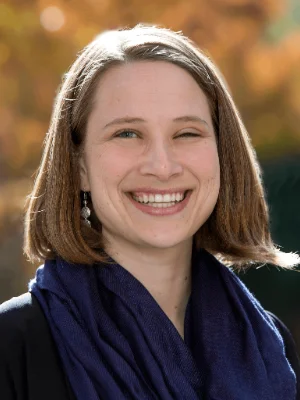
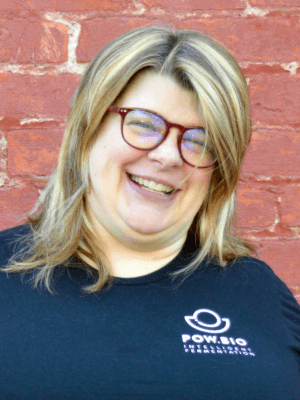
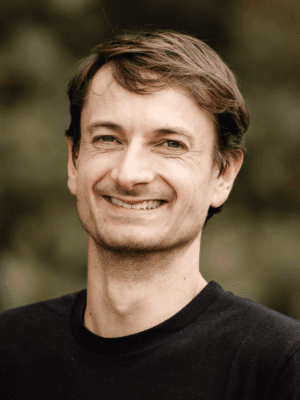
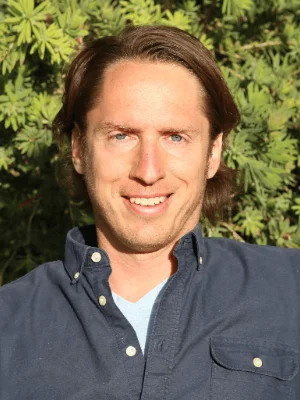
Conventional batch fermentation has long been the backbone of industrial biotechnology — but a new wave of platforms is challenging that paradigm. From continuous and gas fermentation and novel feedstock integration to the emerging role of AI across the stack, Industrial Biotech is changing at a rapid pace. So what's actually holding them back, and what will it take to move them forward? This panel brings together practitioners and innovators working at the frontier of alternative fermentation systems to explore the enablers, accelerators, and real-world lessons shaping the path ahead. Rather than debating which technology "wins," we'll examine the shared challenges across platforms: navigating the pilot-to-commercial scale-up journey, working with non-traditional feedstocks, and incorporating new AI tools into the process. Whether you're deep in the lab or making investment and deployment decisions, this conversation will surface concrete insights on what's needed — technically, operationally, and systemically — to unlock the next generation of fermentation.
Get a Ticket
•
-
Biomanufacturing
Beyond Batch: What Will Unlock the Next Generation of Fermentation?
Conventional batch fermentation has long been the backbone of industrial biotechnology — but a new wave of platforms is challenging that paradigm. From continuous and gas fermentation and novel feedstock integration to the emerging role of AI across the stack, Industrial Biotech is changing at a rapid pace. So what's actually holding them back, and what will it take to move them forward? This panel brings together practitioners and innovators working at the frontier of alternative fermentation systems to explore the enablers, accelerators, and real-world lessons shaping the path ahead. Rather than debating which technology "wins," we'll examine the shared challenges across platforms: navigating the pilot-to-commercial scale-up journey, working with non-traditional feedstocks, and incorporating new AI tools into the process. Whether you're deep in the lab or making investment and deployment decisions, this conversation will surface concrete insights on what's needed — technically, operationally, and systemically — to unlock the next generation of fermentation.
Get a Ticket
•
-
Business of Biology
Decentralized Biology: Designing Community-Scale Bioeconomies
How can local communities benefit from biotechnology? This session explores strategies for building decentralized biotech ecosystems that support local innovation, shared ownership, and resilient bioeconomies. By aligning biotechnology with planetary stewardship and place-based knowledge, we highlight a new era of bio-based products and initiatives led by founders bringing their culture and community into biotechnology.
Get a Ticket
Featuring
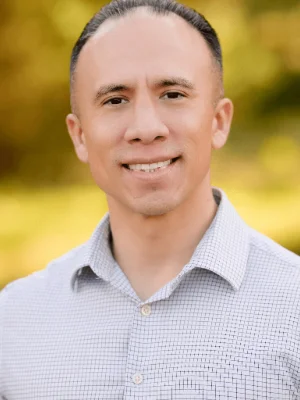
Rolando Perez
Stanford University
Senior Scientist
Transdisciplinary practitioner bridging AIxBio, fungi, space, equity.
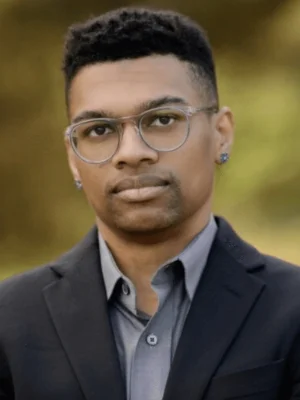
Leon Elcock
Independent
Researcher
Synbio community-builder championing “cyan-collar” biomanufacturing workforces.
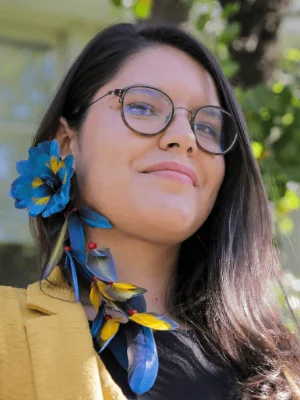
Maria Astolfi
Keasling Lab, UCB
Doctoral Candidate
Indigenous Amazonian benefit-sharing advocate, AI genome-miner.
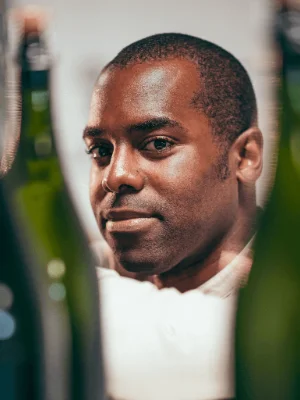
Onye Ahanotu
Ikenga Wines
Founder
Brewing science, culture, and sustainability

Sakti Subramanian
Stanford University
Undergraduate
Building the Midwest synbio community.
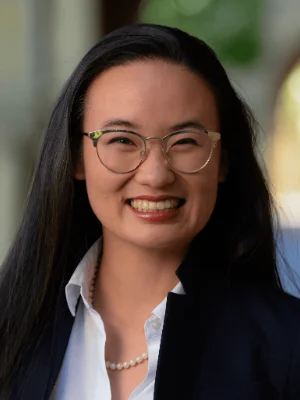
Callie Chappell
Stanford University
NSF Postdoc Fellow
Building “LABraries”—public-library biotech labs bringing biology to everyone.
•
-
Business of Biology
Decentralized Biology: Designing Community-Scale Bioeconomies
How can local communities benefit from biotechnology? This session explores strategies for building decentralized biotech ecosystems that support local innovation, shared ownership, and resilient bioeconomies. By aligning biotechnology with planetary stewardship and place-based knowledge, we highlight a new era of bio-based products and initiatives led by founders bringing their culture and community into biotechnology.
Get a Ticket
Featuring
Rolando Perez
Stanford University
Senior Scientist
Transdisciplinary practitioner bridging AIxBio, fungi, space, equity.
Leon Elcock
Independent
Researcher
Synbio community-builder championing “cyan-collar” biomanufacturing workforces.
Maria Astolfi
Keasling Lab, UCB
Doctoral Candidate
Indigenous Amazonian benefit-sharing advocate, AI genome-miner.
Onye Ahanotu
Ikenga Wines
Founder
Brewing science, culture, and sustainability
Sakti Subramanian
Stanford University
Undergraduate
Building the Midwest synbio community.
Callie Chappell
Stanford University
NSF Postdoc Fellow
Building “LABraries”—public-library biotech labs bringing biology to everyone.
•
-
Human Health
Open Breakout Session
Get a Ticket
Featuring
Speaker Coming Soon
•
-
Human Health
Open Breakout Session
Get a Ticket
Featuring
Speaker Coming Soon
•
-
Planetary Health
From Feedstock to Fork: De-Risking Bio-Based Foods at Industrial Scale
Bio-based food innovation rarely fails in the lab. It fails in the transition to scale. Between pilot success and commercial launch lie the hardest problems in food: reliable feedstocks, waste stream integration, regulatory approval, capital intensity, and infrastructure built for yesterday’s products. This session brings together leaders across law, industrial food systems, waste valorization, and next-generation proteins to examine what it actually takes to move biological food innovations from concept to shelf. Panelists will explore where risk truly accumulates in bio-based food development, how incumbents and startups navigate scale differently, and why waste streams, compliance strategy, and supply chain design often matter more than the underlying biology. The result is a grounded conversation about what survives real-world constraints, not just what sounds compelling on paper.
Get a Ticket
Featuring
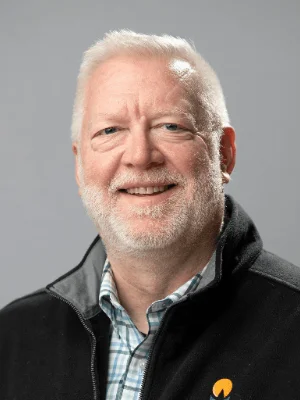
Michael Gay
Univ. of Wisconsin CDR
Tech Transfer/Bus Dev
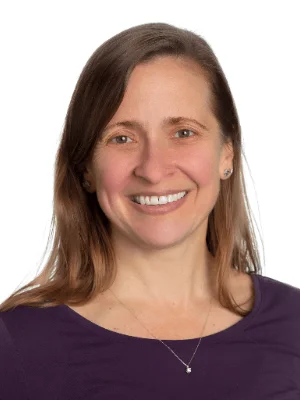
Lauren Greenlee
XPRIZE
EVP
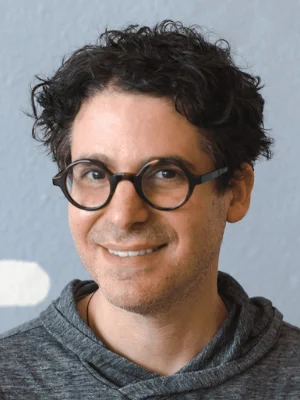
Aryé Elfenbein
Wildtype
Co-founder
Cardiologist turned cultivated-seafood pioneer reinventing how we eat fish.
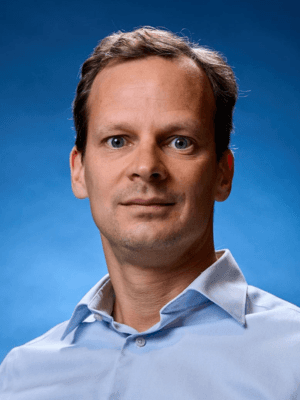
Robert-Jan de Voogd
Corbion
General Manager
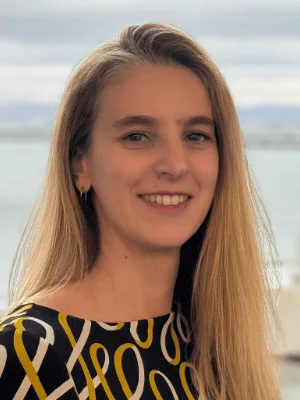
Celine Schiff-Deb
MISTA | Givaudan
CSO
Food-biotech translator: microalgae oils and methane-to-protein scaleups.
•
-
Planetary Health
From Feedstock to Fork: De-Risking Bio-Based Foods at Industrial Scale
Bio-based food innovation rarely fails in the lab. It fails in the transition to scale. Between pilot success and commercial launch lie the hardest problems in food: reliable feedstocks, waste stream integration, regulatory approval, capital intensity, and infrastructure built for yesterday’s products. This session brings together leaders across law, industrial food systems, waste valorization, and next-generation proteins to examine what it actually takes to move biological food innovations from concept to shelf. Panelists will explore where risk truly accumulates in bio-based food development, how incumbents and startups navigate scale differently, and why waste streams, compliance strategy, and supply chain design often matter more than the underlying biology. The result is a grounded conversation about what survives real-world constraints, not just what sounds compelling on paper.
Get a Ticket
Featuring
Michael Gay
Univ. of Wisconsin CDR
Tech Transfer/Bus Dev
Lauren Greenlee
XPRIZE
EVP
Aryé Elfenbein
Wildtype
Co-founder
Cardiologist turned cultivated-seafood pioneer reinventing how we eat fish.
Robert-Jan de Voogd
Corbion
General Manager
Celine Schiff-Deb
MISTA | Givaudan
CSO
Food-biotech translator: microalgae oils and methane-to-protein scaleups.
•
-
TBD
Breakout Session // Available for Sponsorship
Get a Ticket
Featuring
Speaker Coming Soon
•
-
TBD
Breakout Session // Available for Sponsorship
Get a Ticket
Featuring
Speaker Coming Soon
1 Day Pass
995
USD
Access to All Sessions
Attendee Directory
Networking Reception
1:1 Partnering App
1:1 Meeting Space
Lunch & Refreshments
Post Event Video Access