AI x BioPharma Pavillion
Using AI to Make Biology Programmable
Biology and AI are converging to unlock entirely new frontiers. By bridging these worlds, researchers and innovators are building a shared toolkit spanning human health, food, materials, and planetary sustainability.
AIxBIO at SynBioBeta 2026 explores how foundation models and machine learning are being applied across DNA, RNA, metabolites, proteins, cells, and ecosystems. From multimodal models that link sequence to function, to simulations that capture biological dynamics over time, these approaches are laying the groundwork for a more predictive and programmable biology.
Therapeutics remain the most immediate and significant market opportunity, but the same tools and methods are shaping advances in materials, food, and sustainability. This is where the foundations for the next generation of programmable biology are being built.
Why AIxBIO Matters
Biology is complex. Static snapshots can’t capture living systems that change across time and scale.
Data is limited. AI is constrained by incomplete and noisy biological datasets.
Translation is hard. Predictions often break down moving from lab to real-world systems.
Intelligence is needed. From adaptive therapeutics to sustainable materials, biology requires models that can learn, adapt, and scale.
Who you'll meet
AIxBIO brings together the full ecosystem driving the future of AI and biology:
Innovators building the tools, models, and datasets that make biology programmable.
Industry leaders applying AI breakthroughs across medicines, food, materials, and sustainability.
Biologists, engineers, and investors converging to scale programmable biology for both human and planetary health.
What to expect
AIxBIO is more than talks — it’s an environment built for discovery, collaboration, and ideas.
Insights into how AI is transforming biology, from drug discovery to sustainable manufacturing.
Partnerships that bridge startups, academia, and industry.
A community building the shared infrastructure for programmable biology across health, food, and the planet.
The future of biology is programmable — powered by AI, shaped by collaboration, and built for healthy humans and a sustainable planet.
Human Health
From Cells to Patients: Solving the Scale Mismatch in Virtual Biology
Drug discovery often measures biology at the cell level, while therapies must ultimately work across tissues, organs, and whole patients. This scale mismatch means that even highly accurate cellular predictions can fail to translate in the clinic. This session explores strategies to bridge that gap. How do we connect single-cell dynamics to organ-level physiology and patient outcomes? How do we preserve biological context while scaling models? And how do we ensure that virtual biology does not stop at simulation, but informs real therapeutic decisions? Speakers will discuss multiscale modeling that links molecular and cellular systems to higher-order biology; spatial and high-dimensional phenotypic data that retain context; and integrated computational–experimental loops that translate cellular signals into clinically meaningful biomarkers. Together, we ask: how do we ensure virtual biology reflects not just what cells do in isolation, but how biology behaves in the full complexity of patients?
Purchase Pass
Featuring
Marc Tessier-Lavigne
Chairman & CEO
Neuroscience pioneer and former Stanford president building AI biotech.
Kim Branson
SVP, Global Head
Drug-discovery AI architect turning data into medicines.

David Hallett
CSO
Veteran “drug hunter” leading Recursion’s industrialized, AI-driven discovery.
Ron Alfa
Co-Founder & CEO
Physician-scientist and veteran building AI cancer therapeutics.
Stacie Calad-Thomson
BD, Life Sciences
AIxBIO
Programmable Molecules: AI and the Rise of Context-Aware Therapeutics
For the first time, AI is enabling us to imagine medicines that “think” - turning on only inside diseased cells or under specific physiological conditions. Neural networks trained on RNA, protein, and cellular data are unlocking a new generation of programmable therapies with unprecedented precision, from cancer drugs that remain inert until encountering tumor signals to RNA medicines capable of adapting to dynamic biological environments. But designing intelligent molecules is only part of the challenge. As AI expands the space of possible therapeutics, the field must also confront a critical question: how do we reliably build, test, and manufacture increasingly complex biological designs? This session explores the emerging continuum from AI-designed molecules to manufacturable programmable therapeutics, examining how advances in sequence design, synthesis, delivery, and validation are translating computational insight into real-world medicines. The future of medicine isn’t static molecules - it’s intelligent, adaptive therapeutics engineered across the full stack, from algorithm to clinic.
Purchase Pass
Featuring
Ashoka Madduri
Head, Scientific Strategy
Simon Kohl
Founder & CEO
AIxBIO
Beyond Static Predictions — AI for Protein Dynamics and Multi-Cell Models
The next frontier of biology isn’t in predicting a single static protein structure, but in capturing how proteins move, fold, and interact across time and environments. This session explores how AI can illuminate protein conformations and dynamics, and extend those insights into virtual multi-cellular or tissue models. Experts will discuss the challenge of integrating heterogeneous datasets and instruments, and how breakthroughs in dynamic modeling could reshape drug design, disease understanding, and biomanufacturing. Can we build models that reflect the living, breathing complexity of biology—not just snapshots, but motion?
Purchase Pass
Featuring
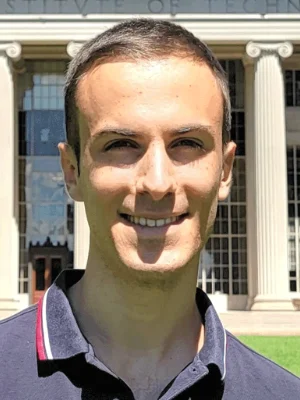
Gabriele Corso
CEO
Built DiffDock and the Boltz open-source models reshaping drug discovery.
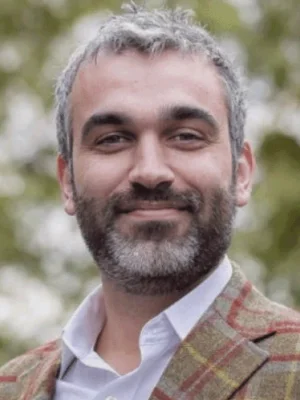
Peter Clark
VP, CDD
Computational drug-design leader, shipped candidates from CAR-T to peptides.
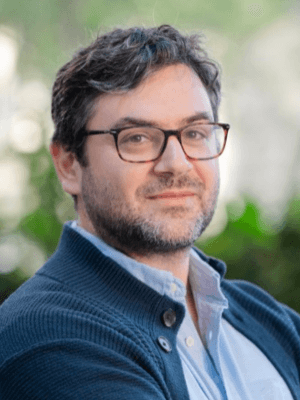
Theofanis Karaletsos
Co-founder
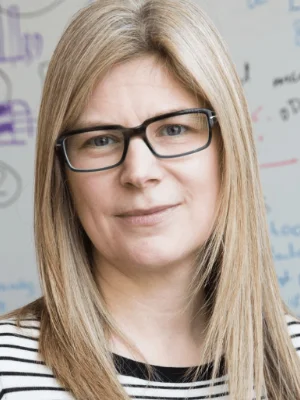
Tanja Kortemme
Vice Dean of Research
De novo protein-design pioneer; NIH Pioneer Award winner.
Elliot Hershberg
Partner, Author
Driving the Century of Biology
AIxBIO
The Data Reality Check: Human-First Biology for AI Models
Why do so many in silico models fail when moved to the lab or clinic? Too often, they’re trained on incomplete, non-human, or non-representative datasets. This session tackles the “data gap” head-on: from interoperability bottlenecks and the black box problem to the limits of current virtual cell simulations (~50 million perturbations vs. the billions biology demands). Panelists will explore how to create “human-first” datasets that reflect real biology, unlock mechanistic interoperability, and close the discovery–development divide. The goal: build AI tools that can directly identify viable drug candidates instead of stalling in silico.
Purchase Pass
Featuring
Julie O'Shaughnessy
COO
Johnny Yu
CSO & Co-founder
Avantika Lal
Principal ML Scientist II
Building DNA foundation models that design regulatory sequences.
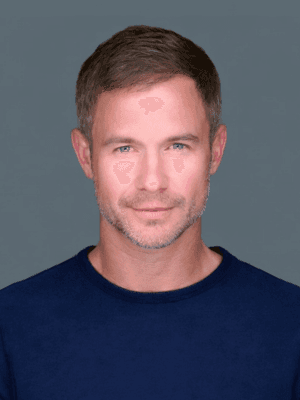
Daniel Georgiev
CEO & Co-founder
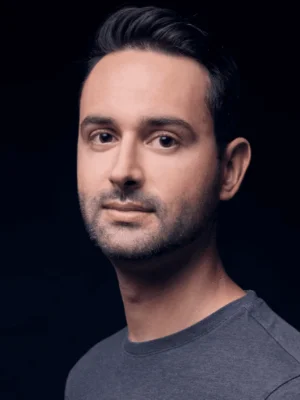
Krish Ramadurai
Partner
TechBio investor backing AI-designed drugs and breakthroughs.
Tools & Tech
AI Co-Scientists: From Pipettes to Protocols
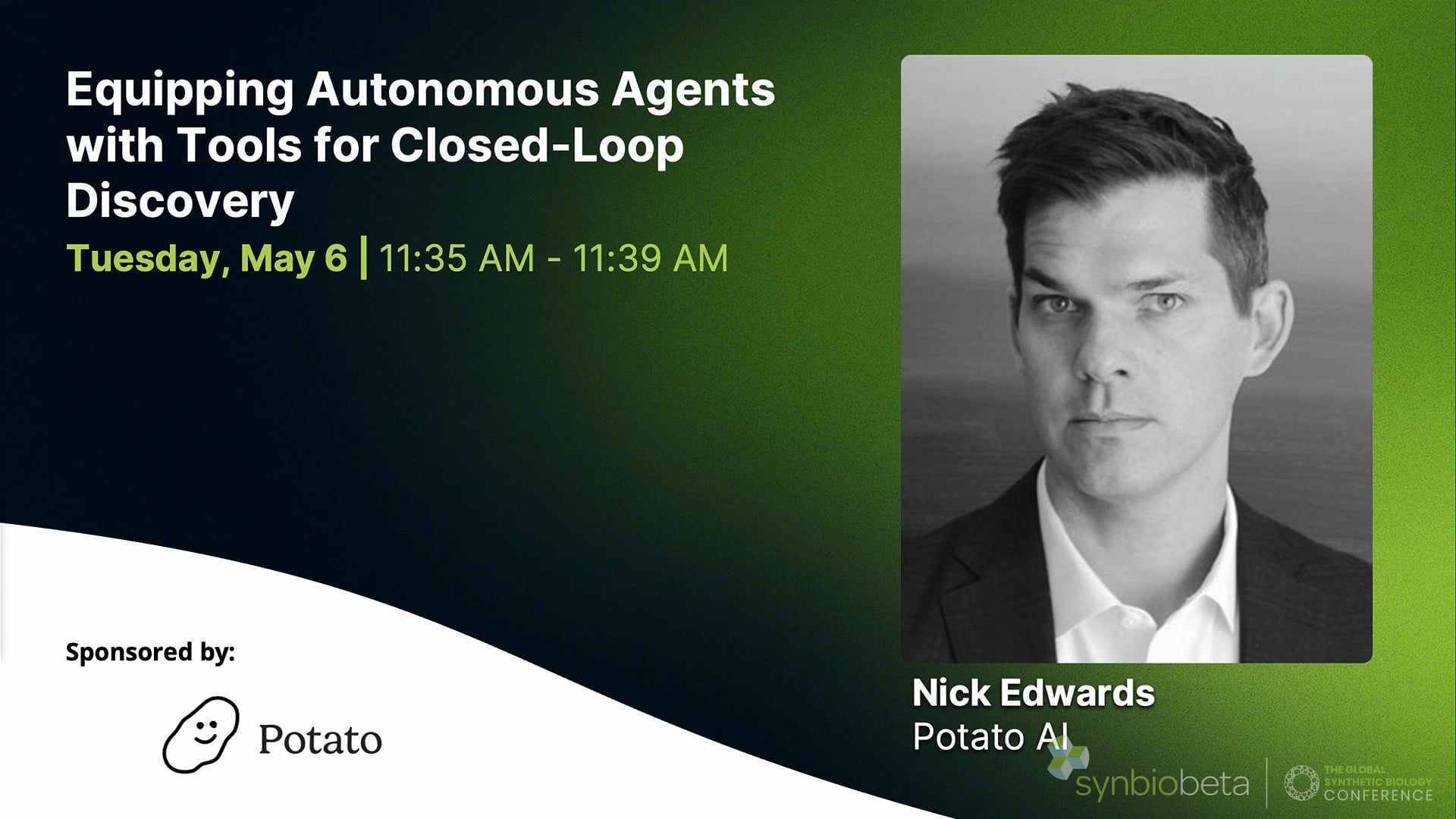
Biology is entering an era where AI agents don’t just analyze data — they co-design, plan, and execute experiments. Multi-agent systems like CRISPR-GPT demonstrate how AI can act as a true lab co-pilot: decomposing complex genome editing projects into stepwise workflows, selecting tools, troubleshooting, and even drafting protocols that allow junior researchers to perform sophisticated edits on their first attempt . Beyond CRISPR, new systems like BioMARS integrate reasoning agents with robotics, while biotech companies are testing “AI lab assistants” that monitor and adjust experiments in real time. This session explores how multi-agent copilots are making biology more reproducible, democratizing complex workflows, and pushing the boundaries of lab autonomy. The central question: when AI can plan, troubleshoot, and validate experiments end-to-end, how should scientists and institutions govern this new power?
Purchase Pass
Featuring
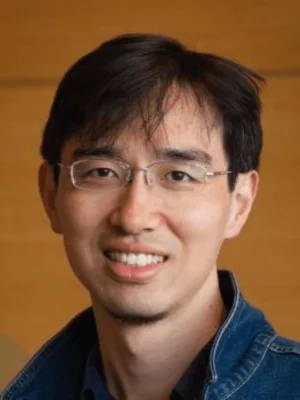
Le Cong
Associate Professor
CRISPR-GPT creator: AI co-pilot for gene editing.
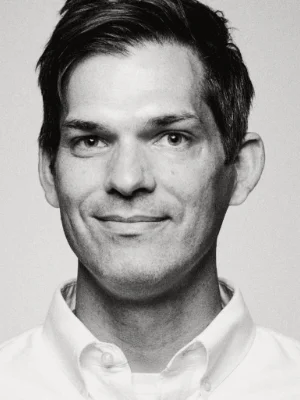
Nick Edwards
Founder & CEO
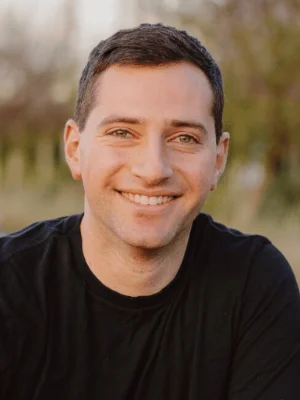
Nicholas Larus-Stone
Head of AI Agents
Bits in Bio founder building AI agents for science.
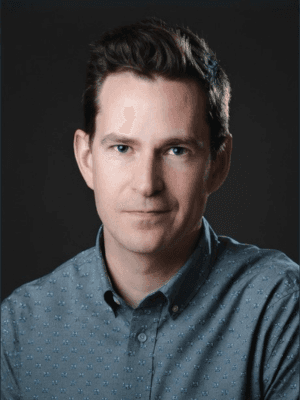
Will Serber
GM, Automation
AIxBIO
Data Factories: Building the Infrastructure for AI-Ready Biology
Biology is entering an AI-driven era, but most experimental infrastructure still produces data designed for individual experiments, not for learning at scale. As a result, much of today’s data is useful in the moment but poorly suited for training robust, long-lived models. This session will explore what biological data matters most today, what data needs to be generated now to support future models, and how leading teams are closing that gap. Panelists will discuss how automation, metadata discipline, and standardized testing pipelines can turn artisanal lab workflows into continuous experiment-to-learning systems. The focus will be on infrastructure and experimental design, highlighting practical bottlenecks, emerging best practices, and what becomes possible when biology produces abundant, high-quality, model-ready data by default.
Purchase Pass
Featuring
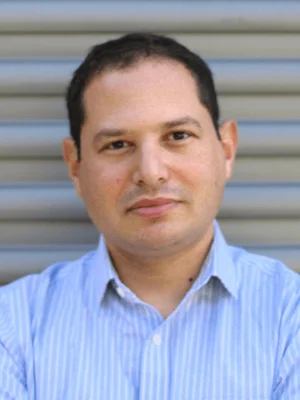
Ori Zakin
CEO
Building bioprocess R&D operating systems from noisy data.
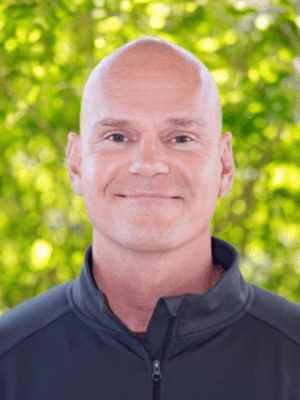
Michael Koeris
Director, BTO
Protecting National Security with Biology
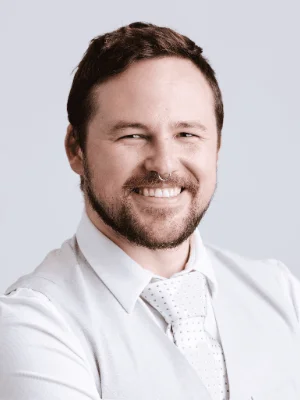
Chase Olle
Founder & CEO
MIT-trained lab-robotics founder automating bench experiments at scale.
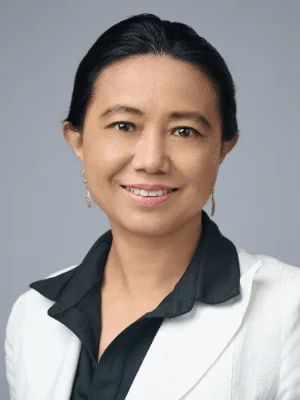
Michelle Chen
Pres, CEO & Board Mem.
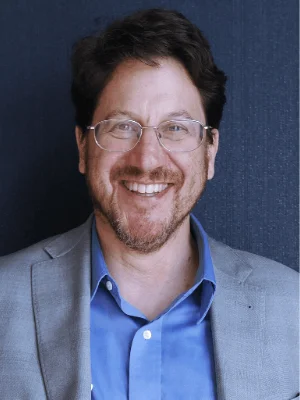
Barry Bunin
Founder & CEO
Invented CDD Vault, data-sharing platform for drug discovery.
AIxBIO
Biology in Silico: Multi-Agent Simulations of Life
From tissues morphing in development to microbes competing in a bioreactor, biology is inherently emergent. Multi-agent simulations — from platforms like BioDynaMo, CompuCell3D, and BIO-LGCA — are now powerful enough to model billions of interacting agents, capturing diffusion, metabolism, migration, and signaling with physical fidelity. Synthetic biologists are using these frameworks to probe design limits before moving to the lab, asking questions like: How far can diffusion alone carry a signaling molecule? What metabolic bottlenecks emerge in crowded cells? And how do engineered traits play out at population scale? This session will spotlight how agent-based models are becoming essential design environments for synthetic biology, helping teams test hypotheses virtually, anticipate failure modes, and translate biology into an engineering discipline rooted in predictive, quantitative simulation.
Purchase Pass
Featuring
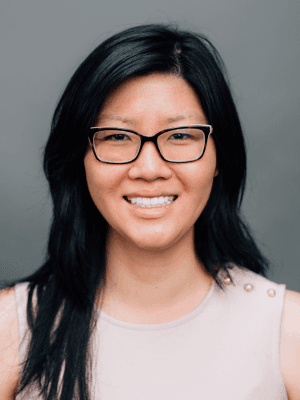
T.J. Chen
Product Leader, Bio Sciences
Joy Jiao
Research Lead
Laura Luebbert
Postdoctoral Fellow
AI infectious-disease genome miner, "gget toolkit" creator.
Tommaso Biancalani
SVP
Yoram Vodovotz
Program Manager
Human Health
Build, Buy, or Partner: The New AI Operating Model from Biologics Discovery to Clinical Assets
AI is reshaping how biopharma discovers, develops, and advances therapeutic agents across the full lifecycle, from early design to translational strategy and clinical asset development. But with dozens of platforms and models emerging, R&D leaders face a strategic crossroads: should they build internal AI capabilities, buy turnkey software, or partner with integrated platforms that connect computational design, experimental validation, and clinical decision-making? This session brings together Biotech R&D executives and AI platform leaders to explore how software-first, closed-loop AI workflows are transforming not only discovery speed, but also translational success and clinical outcomes. Speakers will share real-world perspectives on integrating AI into portfolio strategy, advancing assets toward the clinic, repositioning clinically validated assets, and redefining the operating model for biologics development.
Purchase Pass
Featuring
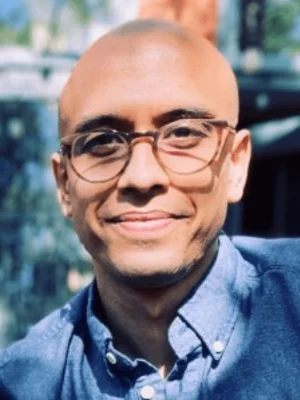
Surge Biswas
Co-founder & CEO
Protein language-model pioneer building AI-plus-wet-lab antibody design.
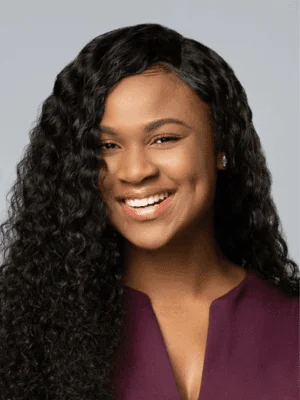
Jen Asher
Founder & CEO
AI-native drug discovery founder blending wet-lab automation and models.
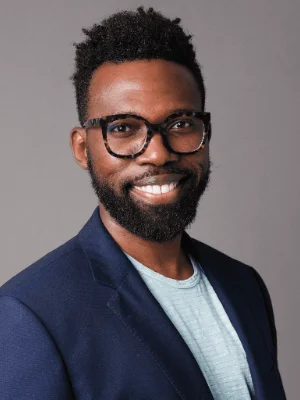
Yves Falanga
Corporate Strategy & BD
Business-development lead helping broker NOETIK’s big-pharma deals.
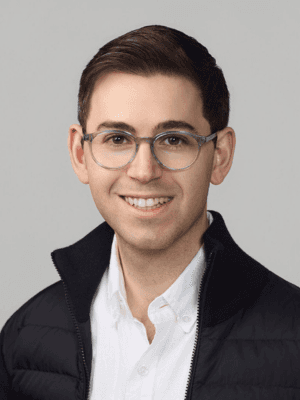
Joshua Meier
CEO & Co-founder
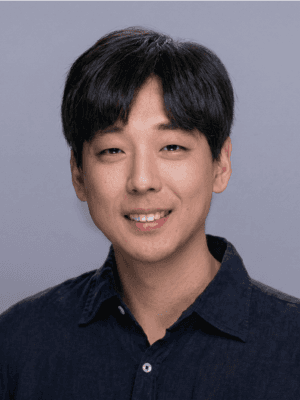
Inhwan Kim
CSO
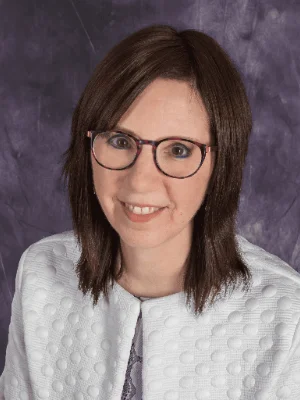
Amy Dockser Marcus
Reporter
Human Health
Bridging Discovery and Delivery: Startup–Pharma Alliances for the AI Era
As biology becomes programmable and AI accelerates discovery, startups are generating breakthrough innovations at unprecedented speed. Yet translating these advances into real-world therapies still depends on effective collaboration with global pharmaceutical organizations. This session explores how the innovation ecosystem connects early-stage breakthroughs to scalable development, bringing together leaders from startup incubation, external innovation, and pharma strategy. Speakers will examine how AI-native biotech companies engage with pharma today: how startups become “pharma-ready,” how external innovation teams evaluate and structure partnerships, and what collaboration models are emerging as biology and computation converge. From early ecosystem support and venture building to strategic alliances and co-development pathways, the discussion will provide a practical look at how ideas move from discovery to patient impact in the AI era.
Purchase Pass
Featuring
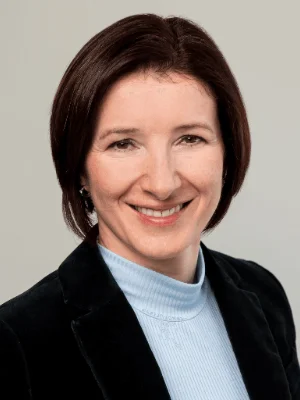
Ekaterine Kortkhonjia
Sr. Dir, Transactions
Big-pharma dealmaker scouting early AI/data-science partnerships.
AIxBIO
Agentic AI: A Biomodeling Revolution in the Making
This talk will introduce the development of artificial Agents to model biological phenomena in molecular biology, biotechnology, and synthetic biology incorporating reinforcement learning, differential equation modeling of molecular dynamics, and agentic bio-causal reasoning. Agent to agent interaction with the A2A and PoR protocols, and MCP and API interfaces to Machine Learning (Neural Network) Models including causal reasoning models and bio-specific models will be discussed. Synthetic biology deals with huge possibility spaces in terms of the combinatorics of nuceotide and proteomic sequences in proposed novel genes and proteins and how to constrain possibility spaces into computable functional novel genes, genetic circuits, gene regulatory networks and novel functional proteins will be discussed. Hence the sheer complexity of biological phenomena requires advanced Agentic AI and machine learning models to efficiently process, find patterns in, and reason about these complex systems with hundreds of thousands of variables, millions of connections, and potentially trillions of parameters. The current state of Agentic Bio research will be covered and where the research needs to go will be elucidated. Finally an application of Agentic Inter and Intra-cellular Signaling will be presented in detail to see the nuts and bolts of how Agentic AI can model a biological phenomenon with molecular biological, medical, and synthetic biological applications. The presenter’s background includes advanced degrees in computer science and computational molecular biology with experience in bio-computational modeling including a computational neuroscience project at Stanford where the neurogenetic and synaptic development of the C.elegans’ brain was modeled. Synthetic Biology: the possibility spaces are endless!
Purchase Pass
Featuring
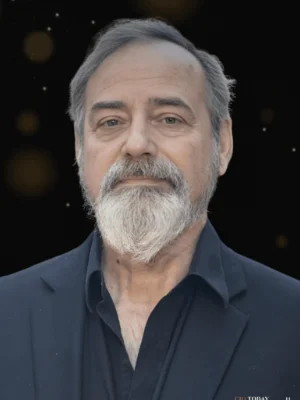
Eric Wasiolek
Technology Analyst
Agentic-AI biologist building reasoning models for cellular signaling.
AIxBIO
Designing Enzymes Without Compromise. Powered by Intelligent Architecture™
Biology will be the center of the next industrial revolution, representing a $4 trillion economic opportunity. Yet, this value remains overwhelmingly unrealised for one fundamental reason: nature never intended to power industrial manufacturing. Biology was optimized for survival, not for the high-efficiency processes required to transform the global economy. For too long, the industry has relied on incremental improvements, essentially duct-taping enzymes and calling them industrial. At Biomatter, we believe that complete freedom to design any enzyme is the only way to realize the full potential of biomanufacturing. By combining Generative AI with rigorous physics engines, our Intelligent Architecture™ platform allows us to step outside the bounds of natural selection and build enzymes from the bottom up. We are turning the "previously impossible" into routine. From liberating enzymes of their cofactor dependencies for mRNA raw materials to designing lactases that reject the trade-off between lactose removal and high GOS fiber formation, we are proving that biology’s limits are negotiable. Join us to see how we are building the enzymes nature couldn't.
Purchase Pass
Featuring
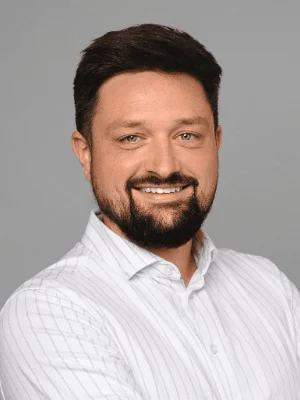
Matthew Thompson
VP - Industrial Biotech
Reimagining enzymes for industrial biomanufacturing with AI
Tools & Tech
A 10-Year Overnight Success: Building Twist Bioscience One Base at a Time
While Twist Bioscience may look like an overnight success, its rise reflects a decade of persistence, innovation, and platform building. In this main stage keynote, CEO and co-founder Emily Leproust shares the journey from startup vision to global leader in DNA synthesis and programmable biology, highlighting lessons learned scaling deep technology, navigating industry cycles, and building trusted infrastructure for biotech and pharma. Looking ahead, Twist is positioning itself at the forefront of the convergence between AI and biology, using DNA as an information layer to accelerate drug discovery and advance human health. This keynote explores how long-term thinking and bold ambition are shaping the next era of AI-driven therapeutics.
Purchase Pass
Featuring
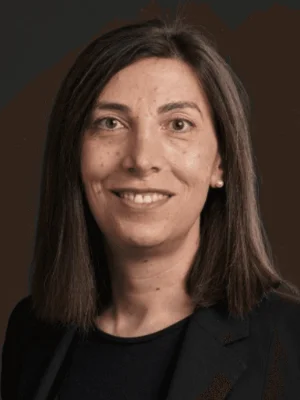
Emily Leproust
CEO
Leader in DNA Manufacturing, put DNA writing on silicon.
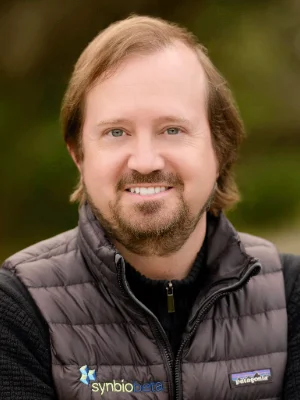
John Cumbers
Founder & CEO
Founder of SynBioBeta: synthetic biology’s global connector and storyteller
Tools & Tech
Diamonds, Lasers, and AI: Next-Gen Tools for Bioprocess Monitoring
Current bioprocess monitoring is limited to basic environmental proxies like pH and dissolved oxygen. Schmidt Sciences is changing this paradigm by adapting advanced physics for biology. This talk introduces three cutting-edge sensing platforms currently in development: fluorescent nanodiamonds, single-cell Raman spectroscopy, and non-invasive optical frequency combs. Join us to learn how these high-dimensional data streams are being integrated with machine learning to predict campaign outcomes and revolutionize how we monitor cell health at scale.
Purchase Pass
Featuring
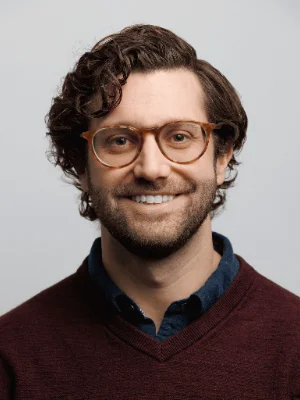
Michael Clear
Program Scientist
TBD
Lightning Talk Brought to you By Genoa Ventures
Purchase Pass
Featuring
Speaker Coming Soon
Tools & Tech
25 Years of the PURE System: Rebuilding Cell-Free Protein Synthesis for the Future
The PURE system, invented 25 years ago, established a fully reconstituted approach to cell-free protein synthesis. What began as a system to better understand translation has evolved into a versatile platform for engineering biology. This talk highlights how PURE-derived platforms such as PUREfrex® enable rapid prototyping, high-throughput screening, and AI/ML-driven optimization, accelerating synthetic biology and next-generation biologics development.
Purchase Pass
Featuring
Tools & Tech
Self-Driving Labs, AI, and Automation: A Practical Guide to Getting Started
AI-enabled, self-driving labs are still emerging, but their foundations are already transforming how teams design, run, and interpret experiments. This session offers a practical guide for scientists and R&D leaders who want to understand what can be done today — from tightening design–test–learn loops to reducing manual error and capturing early benefits of autonomous experimentation. Rather than presenting an unrealized future, speakers will focus on practical, real-world steps that give organizations a competitive edge as SDL capabilities evolve and mature. Speakers will explore what’s working, what’s not, and how autonomous lab systems are reshaping protein engineering, pathway optimization, and therapeutic design.
Purchase Pass
Featuring
Hector Garcia Martin
Staff Scientist
Modelling biology before the age of AI
Roya Amini-Naieni
CEO & Co-founder
Lab-automation founder building a “lab-in-a-box” for biologists.
Tools & Tech
Beyond Nature’s Alphabet: The Rise of Programmable Biomolecules
Biology has long relied on a limited molecular vocabulary shaped by natural evolution. Today, that alphabet is expanding. Advances in expanded genetic codes, non-canonical amino acids, macrocycles, de novo design, and AI-guided protein engineering are enabling scientists to create biomolecules with properties and functions that nature never evolved. This session explores the rise of programmable biomolecules at the intersection of biology, chemistry, and computation. Rather than simply optimizing existing proteins, researchers are building entirely new classes of functional molecules with novel architectures, chemistries, and therapeutic potential. From next-generation biologics to hybrid molecular scaffolds, the discussion will examine how the field is moving beyond nature’s defaults and toward a future where biomolecules can be designed with increasing precision, flexibility, and intent.
Purchase Pass
Featuring
Ola Wlodek
CEO
Leader in Non-Canonical Amino Acids and genome design
Peyton Greenside
CEO & Co-Founder
Bryan Walsh
Senior Editorial Dir.
Future Perfect editor covering climate, existential risk, tomorrow.
Tools & Tech
Your Cells Are Talking, Are You Listening? Measuring Physiology at Industrial Scale
Standard bioreactors often lack the instrumentation required to rapidly monitor cell physiology, leaving critical gaps in our understanding of scale-up dynamics. This session presents active projects from the Schmidt Sciences’ Sensors for Biomanufacturing Program designed to address this challenge through novel sensing modalities. Spanning from near real-time intracellular measurements to non-invasive off-gas fingerprinting, the panel brings together technology developers and industrial bioprocess experts to discuss the translation of these tools from the lab to the plant floor. Together, we will critically evaluate the utility of high-dimensional metabolic data and explore the engineering requirements for integrating physics-based sensors and machine learning into existing biomanufacturing workflows.
Purchase Pass
Featuring
Marieke Klijn
Associate Professor
Gregory Rieker
Professor
Jennifer Dionne
Professor
Deepti Tanjore
Director, ABPDU
Michael Clear
Program Scientist
Human Health
The Biology Data Flywheel: From DNA Synthesis to Pharma-Scale AI Discovery
Drug discovery is not limited by models. It is limited by data. While AI is accelerating molecular design and target discovery, the real bottleneck remains the generation, integration, and interpretation of biological datasets that are complex, heterogeneous, and often not yet predictive. Pharma-scale discovery requires more than algorithms. It requires new approaches to building and operationalizing data itself. This session explores how next-generation DNA synthesis, high-throughput experimentation, and integrated data infrastructures are enabling a new biology data flywheel. From experimental datasets that inform translational decisions to emerging standards for capturing real-world and preclinical signals, leaders will discuss how data generation strategies are reshaping discovery workflows. Speakers from pharma, AI-native biotech, and platform providers will examine how biology is becoming a programmable data layer, enabling faster biologics development, more informed portfolio decisions, and new collaborative models that connect experimental systems, computational tools, and pharma-scale discovery pipelines.
Purchase Pass
Featuring
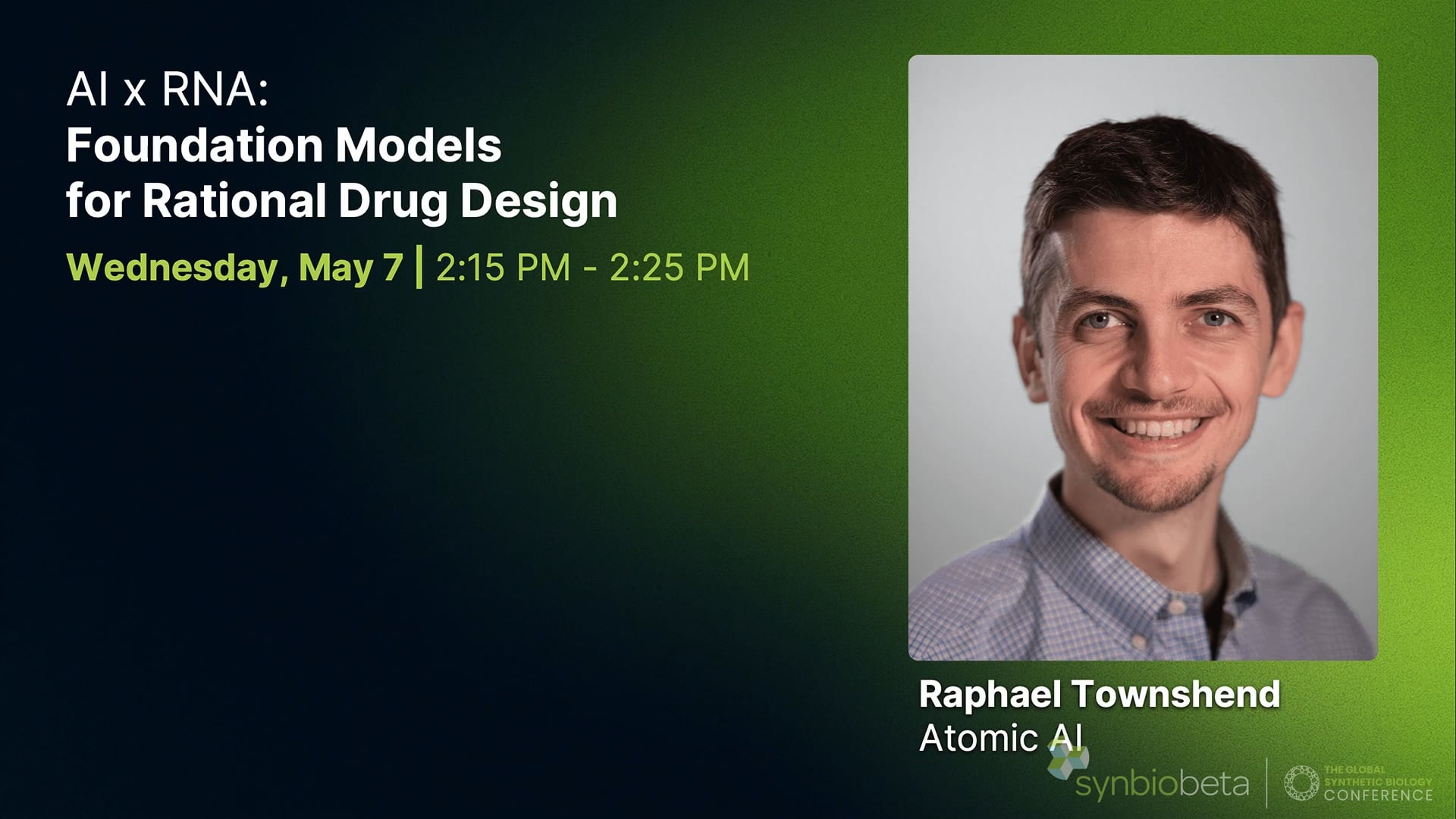
Raphael Townshend
Founder & CEO
Wyatt McDonnell
CEO
Tools & Tech
Closing the Loop at 10ⁿ Scale: The Autonomous DBTL Stack
The Design–Build–Test–Learn (DBTL) cycle remains the core engine of biological engineering, yet its iteration speed still lags far behind software development. As AI systems begin to design, plan, and execute experiments, a new paradigm is emerging: DBTL as an autonomous, continuously optimizing system. Next-generation platforms combine AI-assisted rational design, high-throughput construction and perturbation, real-time data acquisition, and active learning to close the loop at unprecedented scale. Agent-powered lab-in-a-loop workflows, lab-on-a-chip systems, and advances at the silicon-to-carbon interface are enabling tighter integration between computation and biology, from semiconductor-enabled sensing to real-time feedback and decision-making. This session explores how autonomous DBTL stacks could unlock software-like iteration velocity in biology, redefine experimentation, and reshape the future of programmable discovery.
Purchase Pass
Featuring
Michael Chen
CEO & Mng. Director
Sharroll Bachas
Co-founder & CSO
Bingyin (Brian) Wang
Dir. of Life Sciences BU
Human Health
Keynote
Purchase Pass
Featuring
Speaker Coming Soon
Human Health
From Therapeutics to Consumer Applications: How Brain Computer Interfaces are About to Become the Next Major Platform Technology
Brain Computer Interfaces (BCIs) hold immense promise to help restore critical functions now for individuals with neurological conditions, severe speech impairments, and paralysis. Over the last thirty-five years, major advancements in artificial intelligence, brain mapping, and material sciences are laying the foundation for a future where BCI-enabled augmented experience is as common as accessing the internet or using a mobile phone. Join Paradromics CEO Matt Angle, PhD to discuss the latest on neurotechnology today, as well as expansive future BCI applications.
Purchase Pass
Featuring
Matt Angle
Founder & CEO
High-bandwidth brain-implant founder building thought-to-text.
Tools & Tech
From AI protein design to real-world commercial impact: powering the next wave of everyday products
For more than a century, everyday products - from detergents and shampoos to textiles and packaging - have relied on petrochemicals and harsh industrial processes. Today, AI-driven protein design is opening a radically different path: creating custom enzymes and biomolecules that outperform traditional chemistry while reducing environmental impact. This session explores how advances in computational protein design and machine learning enable the rational creation of enzymes tailored for home care, personal care, and next-generation materials—moving beyond incremental discovery to purpose-built performance under real industrial conditions. Critically, this highlights how AI-driven design is being translated into commercially deployed products at scale with partners and customers.
Purchase Pass
Featuring
Neil Parry
R&D Dir. Biotech
Building biotech into global consumer brands
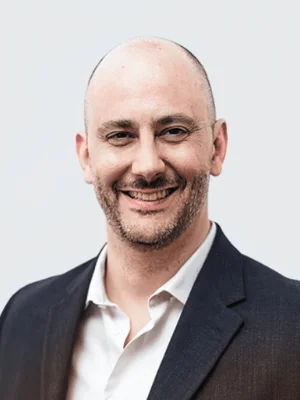
Alexandre Zanghellini
Co-founder & CEO
David Baker protégé redesigning industry with proteins
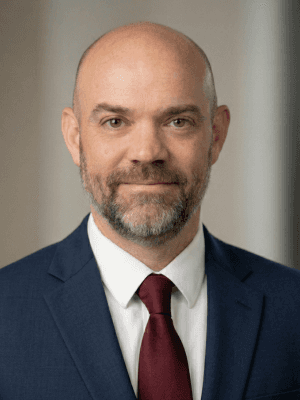
Paul Bielewicz
Dir. of Innov. & Venture Dev.
AIxBIO
The Programmable Protein Era: How AI Rewrites the Rules of Biomolecules
Biologics and engineered proteins have traditionally evolved through cycles of intuition, screening, and incremental optimization. Today, AI is transforming proteins into programmable systems; governed by learnable patterns across activity, stability, expression, specificity, manufacturability, and environmental performance. This shift is unlocking a new generation of biomolecules, from next-generation therapeutics to sustainable enzymes and functional biological systems, that would have been impossible to design by hand. In this session, leaders from biopharma, industrial biotech, machine learning, and protein engineering will explore how multiparameter optimization, generative modeling, and closed-loop experimental validation are reshaping biomolecular design across domains. From clinical biologics to planetary-scale applications, we examine the shift from trial-and-error to predictive, constraint-driven design, and what it means for R&D timelines, scalability, and real-world impact.
Purchase Pass
Featuring
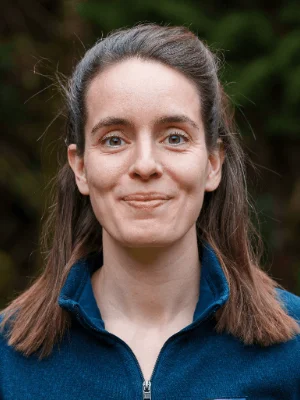
Elise de Reus
Co-founder
Making proteins an engineering discipline
Peter Clark
VP, CDD
Computational drug-design leader, shipped candidates from CAR-T to peptides.
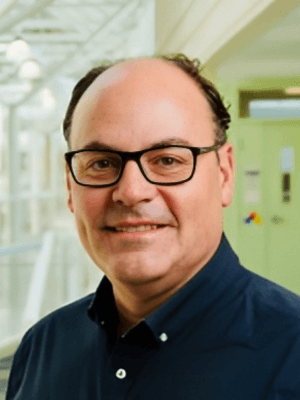
Luis Cascão Pereira
Head of R&D Ventures & Digital Biology
Fay Lin
Sr Editor, Technology
Biomanufacturing
Lunch & Learn Brought to you by Laurus Bio
Purchase Pass
Featuring
Speaker Coming Soon
Biomanufacturing
Berkeley Lab Provides the Foundation for Biomanufacturing-specific AI
Berkeley Lab develops new automation approaches to produce the large amounts of high-quality data that AI needs to solve significant problems in biology and enable new biomanufacturing capabilities. The Lab uses HTP approaches to generate AI-ready data and leverages that data in AI models to design microbial pathways, engineer host systems, optimize media formulations, generate functional plasmid origins, engineer plant transcriptional regulation, and predict solvent properties. The Lab's process development unit aims to generate complex biological data needed for virtual cell and other models by algorithm development companies.
Purchase Pass
Featuring
Christopher Petzold
Staff Scientist
Deepti Tanjore
Director, ABPDU
Chong Wing Yung
Program Manager
TBD
Lunch & Learn // OPEN
Purchase Pass
Featuring
Speaker Coming Soon
TBD
Lunch & Learn Brought to you By SLAC
Purchase Pass
Featuring
Speaker Coming Soon
TBD
Lunch & Learn // OPEN
Purchase Pass
Featuring
Speaker Coming Soon
Business of Biology
The New Biosecurity Frontier: AI, Automation, and the Rise of Biodefense in Programmable Biology
As AI, automation, and scalable biotechnologies accelerate the design and deployment of biology, the line between innovation and risk is increasingly blurred. This session explores how advances in programmable biology are reshaping biosecurity and biodefense, from dual-use risks and supply-chain vulnerabilities to new models for detection, governance, and defense. Leaders from industry, government, and research will discuss how to responsibly accelerate biology while protecting public health and national security.
Purchase Pass
Featuring
Michael Koeris
Director, BTO
Protecting National Security with Biology
Jacob Beal
Engineering Fellow
Scott Fay
VP Informatics
Kevin Flyangolts
CEO
Building the security layer for synthetic biology.
Business of Biology
Synthesis Screening in the Age of Powerful AI
As AI reshapes what's possible in biology, biosecurity needs to keep up. Nucleic acid synthesis screening, which checks what's being ordered and by whom, is one of the field's most important lines of defense. But as AI capabilities advance, the screening infrastructure needs to evolve with them. This panel brings together leaders from the Sequence Biosecurity Risk Consortium, Fourth Eon Bio, SecureDNA, and BioTrust to discuss how sequence and customer screening are adapting to a new threat landscape.
Purchase Pass
Featuring
Jacob Beal
Engineering Fellow
Kirsten Engel
Dir. Strat. Partnerships & Client Rel.
Jonas Sandbrink
Entrepreneur-in-Residence
Tessa Alexanian
Technical Lead
Tools & Tech
Genome as a Canvas: Composing Life at Scale
Reading, writing, and editing DNA were just the prelude. The next frontier is composition, designing complex genetic systems and large DNA architectures from first principles using AI-driven models and scalable synthesis technologies. As datasets grow and design tools mature, biology is shifting from incremental editing toward intentional genome-scale engineering. This new paradigm treats DNA not simply as a sequence to modify but as a programmable substrate where genes, regulatory elements, and entire genomic regions can be composed, tested, and iterated like engineered systems. Advances in generative design, large-scale DNA assembly, and precision integration technologies are enabling researchers to construct increasingly complex genetic structures with higher predictability and functional intent. From next-generation recombinases and genome restructuring platforms to AI-guided design workflows that bridge computation and physical DNA construction, the emerging toolkit is redefining how biological complexity is created. The session explores how compositional genome engineering could unlock new capabilities across therapeutics, industrial biology, and synthetic life design.
Purchase Pass
Featuring
Kaihang Wang
Assistant Professor
Building synthetic genomes to create new life forms.
Samuel King
BioEng Doctoral Candidate
Genome language models designing new bacteriophages
Andrew Hessel
Chairman
Genome-writing pioneer, Singularity University visionary
David Ewing Duncan
CEO
Human Health
Programmable T Cells: Engineering Living Immune Systems
T cells are evolving from targeted killers into fully programmable cellular systems. Advances in synthetic biology, AI-driven receptor design, and genome-scale datasets are enabling immune cells that not only recognize disease, but sense context, compute signals, adapt over time, and execute coordinated responses inside the body. This session brings together leaders across academia and industry to explore how next-generation CAR and TCR design, structural modeling, and large biological foundation models are reshaping immune engineering. Beyond receptor optimization, we will examine logic circuits, combinatorial sensing systems, control layers, and in vivo reprogramming strategies that transform T cells into dynamic therapeutic platforms. As immune cell engineering moves toward off-the-shelf products and in vivo editing approaches, we will address the deeper architectural questions: How do we design cells that avoid exhaustion, function within hostile tumor microenvironments, and maintain safety over time? What does it mean to treat T cells as living software systems? And how do we build programmable immune therapies that are scalable, durable, and globally accessible?
Purchase Pass
Featuring
Lilly Wollman
CEO & Co founder
From growth equity to gen-AI T-cell engineering.
Kyle Daniels
Assistant Professor
Engineering immune-cell “programmable receptors” with synbio + machine learning.
Justin Eyquem
Associate Professor
Engineering genome-edited CAR-T cells for tougher cancers.
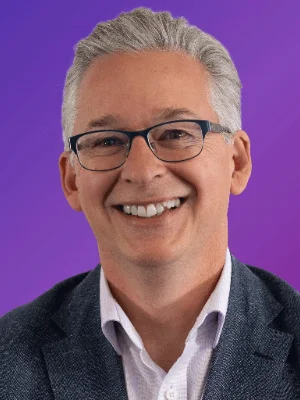
John Robson
Managing Director
Deep-tech investor turned CAR-T scale-up leader.
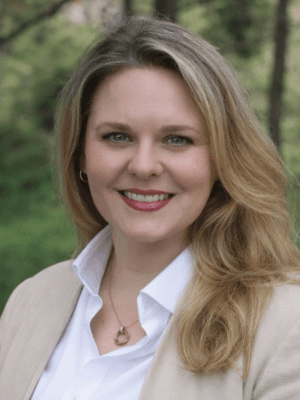
Victoria Mascetti
Assistant Professor
Stem-cell biologist translating regeneration into real therapies.
Longevity
Engineering Longevity: Reprogramming the Foundations of Aging
Aging is increasingly understood as a gradual loss of biological stability. DNA accumulates damage, protein homeostasis collapses, and cells drift away from youthful identities as regulatory networks lose their balance over time. These changes ripple across tissues and organs, driving many of the diseases associated with aging. Today, new tools in synthetic biology, artificial intelligence, and gene editing are revealing how these systems might be stabilized, repaired, or even reset. Researchers are engineering enhanced DNA repair mechanisms inspired by long-lived species, using AI to map the trajectories of cellular aging and uncover rejuvenating interventions, and developing therapies that restore protein metabolism to protect vulnerable tissues such as the brain. This session explores how scientists are moving beyond simply slowing aging to engineering the biological systems that maintain cellular integrity. By targeting the underlying mechanisms that govern genome stability, proteostasis, and cellular identity, researchers are laying the groundwork for a new generation of longevity therapeutics designed to restore function and resilience across the lifespan.
Purchase Pass
Featuring
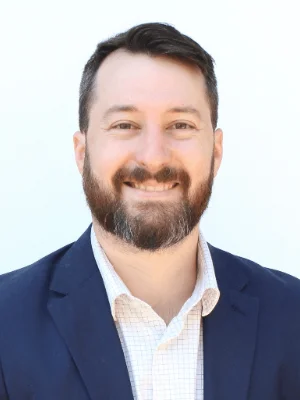
Christopher Bradley
CEO
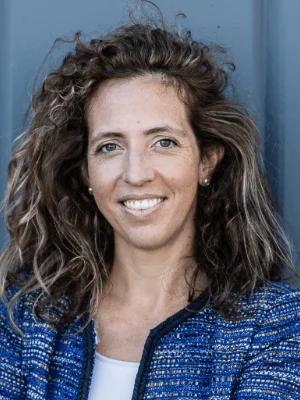
Benedetta Di Robilant
Co-founder & CEO
Simone Bianco
VP, Physics, Molecular & Hybrid Modeling
Antonio Regalado
Senior Editor Biomedicine
Tools & Tech
Bioreact Hold
Purchase Pass
Featuring
Speaker Coming Soon
Human Health
Synthetic Evolution: Reprogramming Genomes to Accelerate Biological Discovery
For billions of years, evolution has been biology’s most powerful search engine. Now researchers are beginning to redesign that engine itself. From orthogonal replication systems like OrthoRep to synthetic genomes, programmable mutation systems, and continuous evolution platforms, new tools are making it possible to evolve biological function with unprecedented speed, control, and scale. This session explores how synthetic evolution is becoming a core technology of programmable biology. Speakers will examine how engineered replication, genome-scale design, and AI-informed selection strategies are expanding the range of molecules, pathways, and phenotypes that can be discovered in the lab. By moving from passively observing evolution to actively directing it, scientists are opening a new frontier where genomes are not just edited, but built and evolved as programmable systems.
Purchase Pass
Featuring
Eric Nguyen
Co-founder & CEO
Daniel de la Torre
VP of R&D
Ali Madani
CEO
Julianna LeMieux
AIxBIO
Rewriting Enzyme Performance: Next-Gen Platforms for AI-Driven Protein Screening
AI is rapidly transforming how therapeutic enzymes and protein drug candidates are discovered, engineered, and validated. Generative models can now propose millions of novel variants optimized for specificity, stability, and target engagement. But the true bottleneck is no longer design, it is screening at scale. As model-generated libraries expand exponentially, the need for faster, more predictive experimental systems has become critical to translate computational insights into clinically relevant performance. This session explores the emerging generation of integrated platforms that combine AI-guided design, high-throughput functional screening, automation, and advanced analytics to accelerate therapeutic protein discovery. From self-driving labs and multiplexed cellular assays to adaptive screening strategies that prioritize pharmacologically meaningful readouts over simple activity metrics, speakers will examine how next-gen infrastructure is reshaping enzyme optimization for drug development.
Purchase Pass
Featuring
Weston Kightlinger
CEO
Cell-free synthesis pioneer building precision enzyme therapeutics.
Will Cao
CEO
Founder making enzyme development 80% cheaper
Stefan Lutz
CSO
Directed-evolution expert shaping next-generation enzyme engineering.
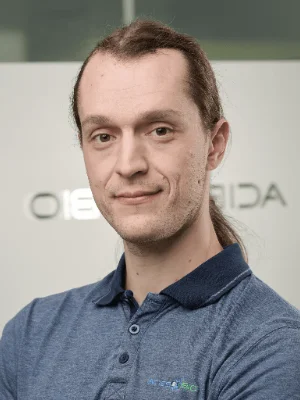
David Virant
Department Head
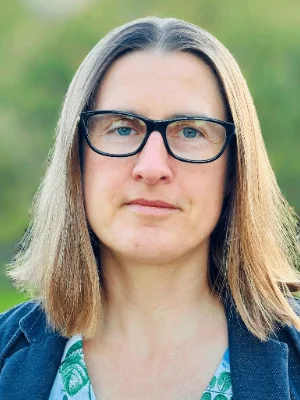
Ewa Lis
Founder & CEO
AI-driven peptide/protein drug-discovery builder (also microbiome engineering).
Fay Lin
Sr Editor, Technology
Human Health
Rewriting the Rules - Clinical Trial Reform in the Age of AI
AI-native drug discovery is accelerating molecule design, but clinical trials remain slow, expensive, and exclusionary. If we don’t modernize trial infrastructure, we create a bottleneck between computational breakthroughs and real-world patient impact. This breakout explores how to reform recruitment, eligibility, endpoints, biomarkers, and regulatory alignment to make U.S. trials more competitive and globally scalable.
Purchase Pass
Featuring
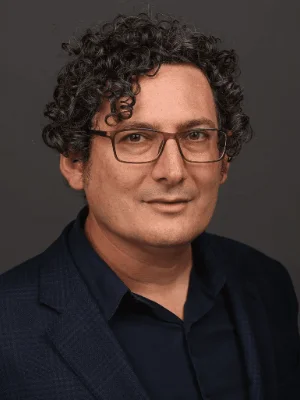
Jacob Glanville
CEO
Building a universal antivenom

Una Ryan
Founder and CEO
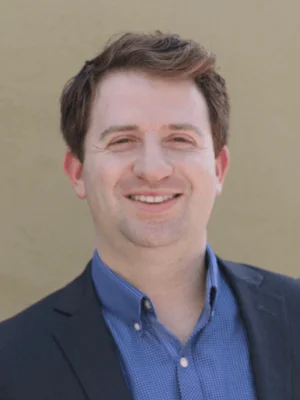
Zachary Gobst
CEO
Making clinical trials more equitable and accessible.
Human Health
Next Frontiers in Embryo Genetics: From Polygenic Prediction to the Return of Germline Engineering
Preimplantation genetic testing transformed IVF by enabling the screening of embryos for aneuploidy and severe monogenic diseases. Today, rapid advances in genomic datasets, AI-driven modeling, and large-scale validation are pushing reproductive genetics into a new phase defined by polygenic embryo testing. In this talk, Jonathan explores how polygenic prediction works, how risk models are validated, and why predictive power has improved dramatically in recent years. As tools evolve, clinicians and researchers are beginning to assess complex traits shaped by many genes, opening new possibilities for disease risk reduction and embryo selection based on multifactorial characteristics. At the same time, breakthroughs in genome editing and delivery technologies are bringing germline engineering back into scientific and policy conversations. As selection and editing begin to converge, reproductive genetics is moving beyond screening toward intentional genetic design. This forward-looking talk examines the science, implications, and emerging realities shaping the next frontier of human genetic intervention.
Purchase Pass
Featuring
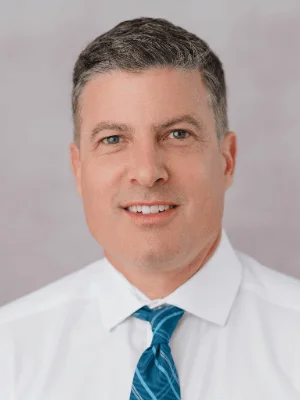
Jonathan Anomaly
Professor & Founder
Philosopher-communicator at the frontier of polygenic embryo screening.
Business of Biology
Spotlight Talk Brought to you by Genoa Ventures
Purchase Pass
Featuring
Speaker Coming Soon
Planetary Health
Rooted in Resilience: Speeding Up SynBio Plant Adaptation in a Rapidly Changing Climate
Climate volatility is reshaping the future of food, demanding plants that can withstand heat, drought, and disease. Synthetic biology offers powerful tools to accelerate adaptation—engineering plants with traits that once took decades to breed. This session explores how innovators are designing resilient plants, building platforms for rapid trait development, and forging collaborations across agtech, biotech, multinationals, and policy. Join us to hear how synbio is moving beyond the lab to the field, reshaping agriculture for resilience, and ensuring farmers worldwide can thrive in the face of climate uncertainty.
Purchase Pass
Featuring
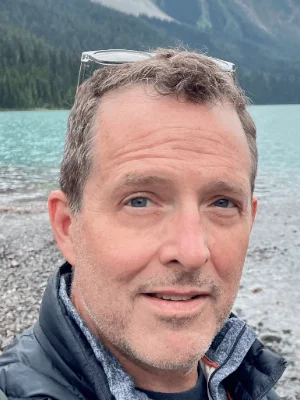
Lyle Ralston
CE Platform Lead
Engineering Crops for global food security
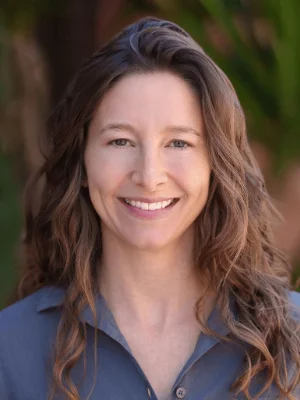
Emily Hatas
Vice President
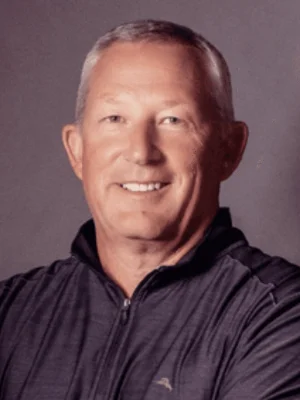
Bruce Schnicker
VP, Product Dev
Sowing the seeds for Biology's future
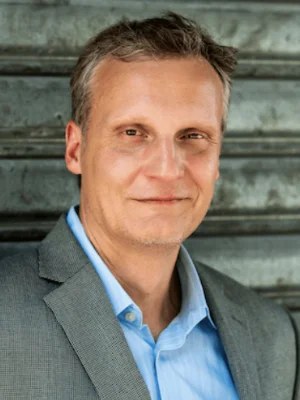
Michael Ferrari
VP, Head of Research
Data/AI “world-models” researcher bridging synbio to real markets.
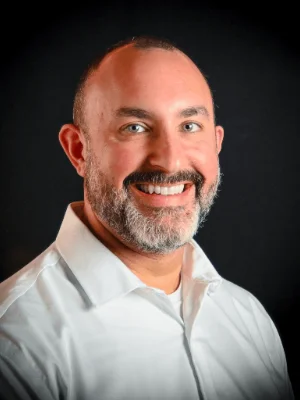
Joshua Geilhufe
Principal
First-market strategist for synbio agriculture and fermentation.
Human Health
Engineering Reproduction
From AI-powered drug discovery to genomic selection and ovarian longevity — one of the most technically complex and ethically charged frontiers in biotech.The biology of reproduction has always carried the weight of the human story. Now it carries the weight of the possible.Ovarian aging is being mapped at the molecular level. Genomic selection is moving from research settings into clinical practice. AI is accelerating drug discovery for conditions that have been chronically underfunded and chronically misunderstood. The tools exist. The data is accumulating. The ethical frameworks are being written in real time — by the scientists in this room.
Purchase Pass
Featuring
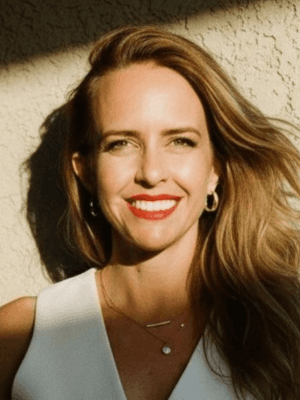
Lauren Avenius
CEO

Maria Lence
CEO & Founder
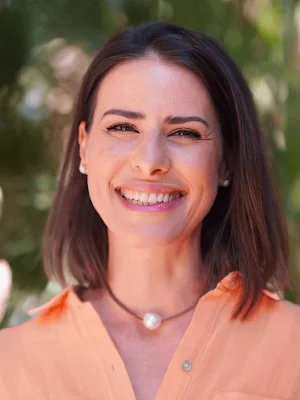
Deena Emera
Senior Scientist
Human Health
Open Breakout Session
Purchase Pass
Featuring
Speaker Coming Soon
Tools & Tech
The Physics of Life: Scaling Biology from Molecules to Cells
Cells are often described as bags of chemistry—but they are better understood as finely tuned physical systems. Within each one, DNA is packed into nanoscopic volumes, enzymes race at turnover rates rivaling jet engines, and molecular collisions happen billions of times per second. This session explores the cell as a physical object—its limits of size, speed, and efficiency. How fast can information move from genome to protein? How does diffusion constrain cell size and shape? How do energy flows through metabolism define what life can and cannot do? By examining the physics that underpins biology, this session challenges us to see cells not as mysterious black boxes, but as programmable systems operating under universal rules. This perspective may hold the key to engineering biology with the same rigor as physics and computer science.
Purchase Pass
Featuring
Andrew Hessel
Chairman
Genome-writing pioneer, Singularity University visionary
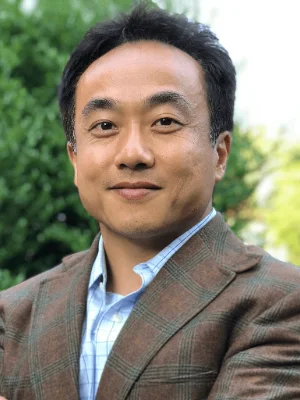
Huafeng Xu
Founder & CEO
Computational drug-design pioneer behind FEP+ and DESMOND software platforms.
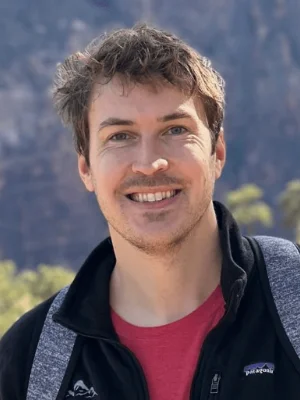
Niko McCarty
Founding Editor
Life Science Journalist and futurist