SynBioBeta Speaker

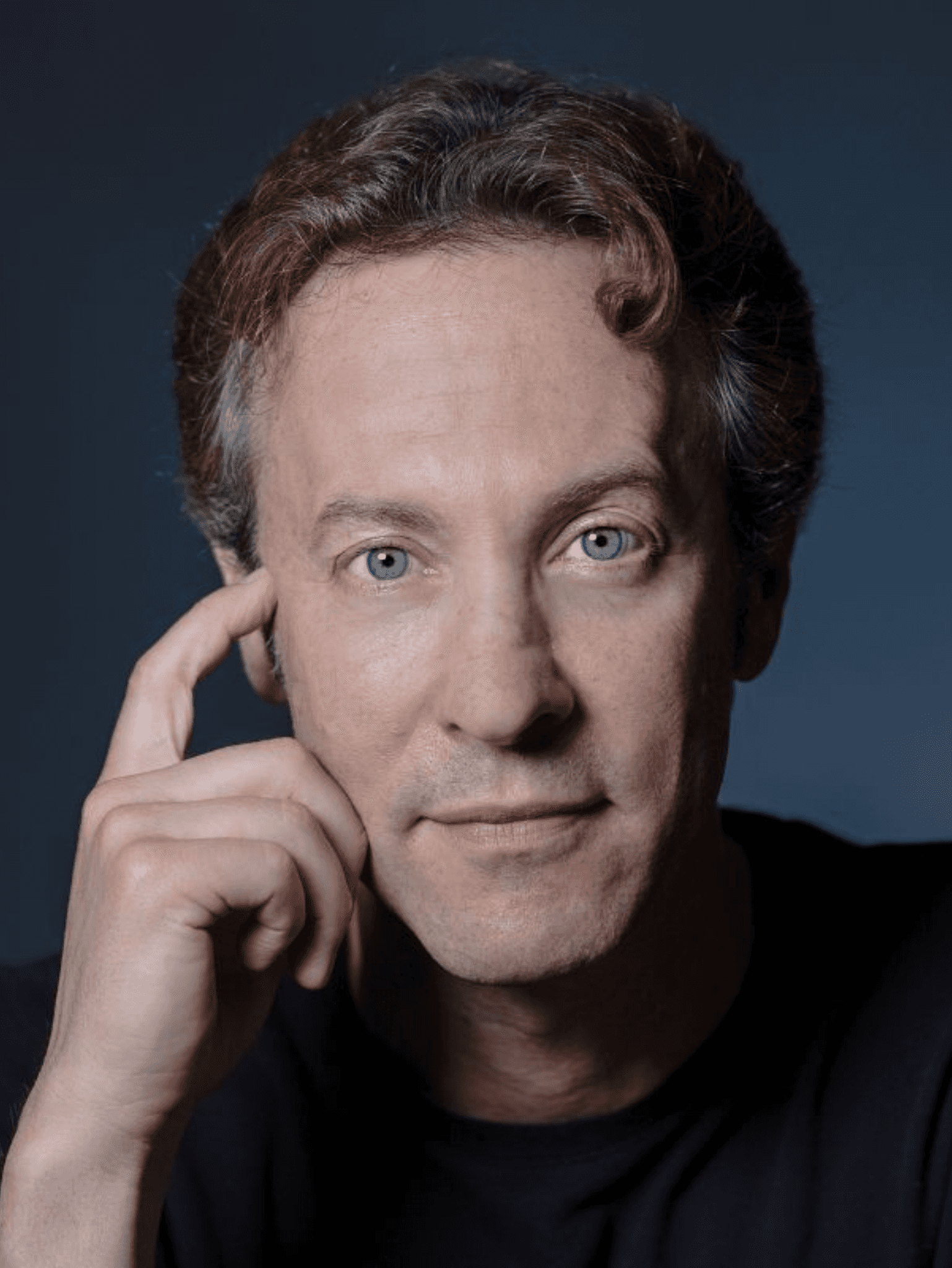
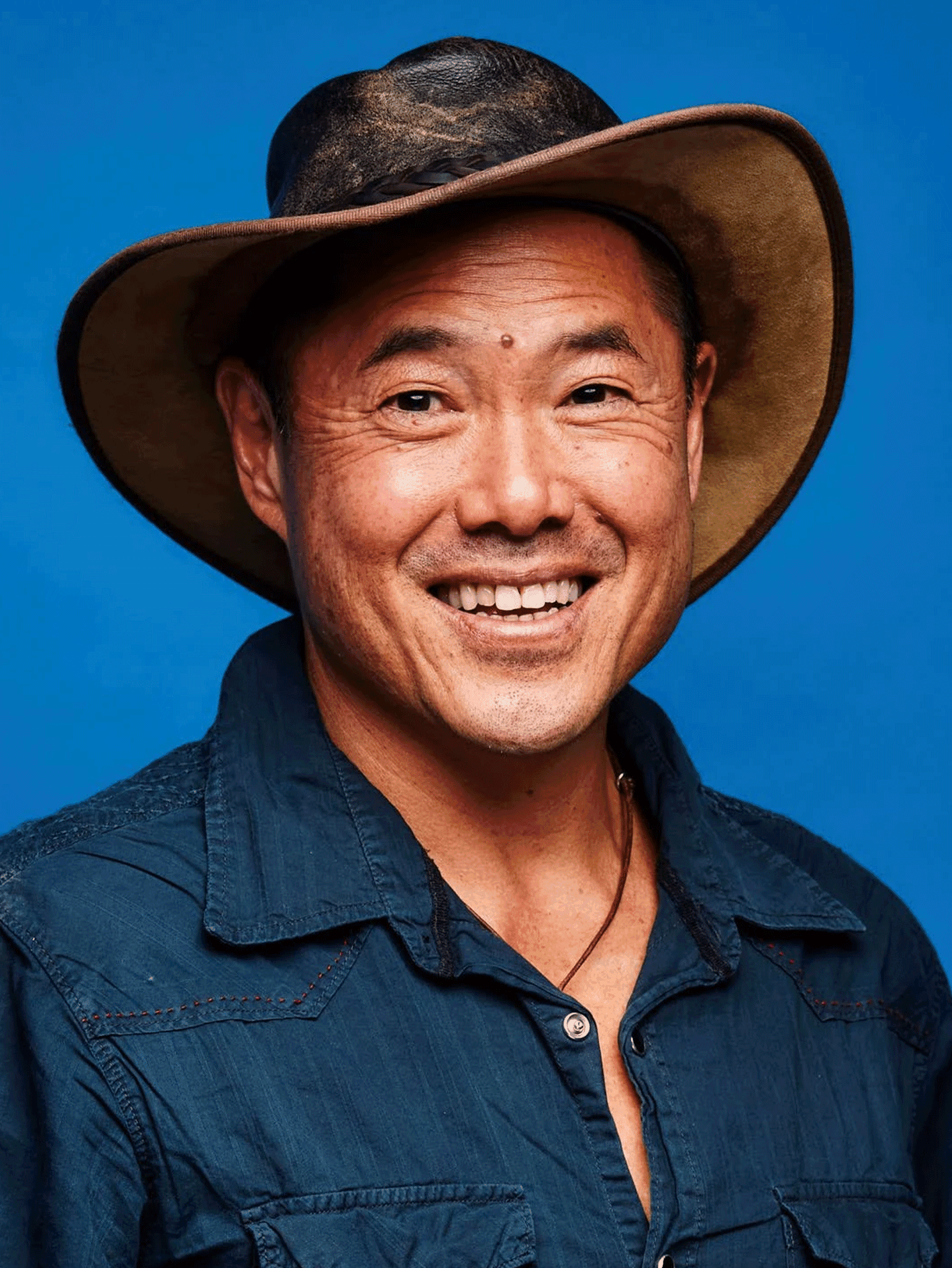
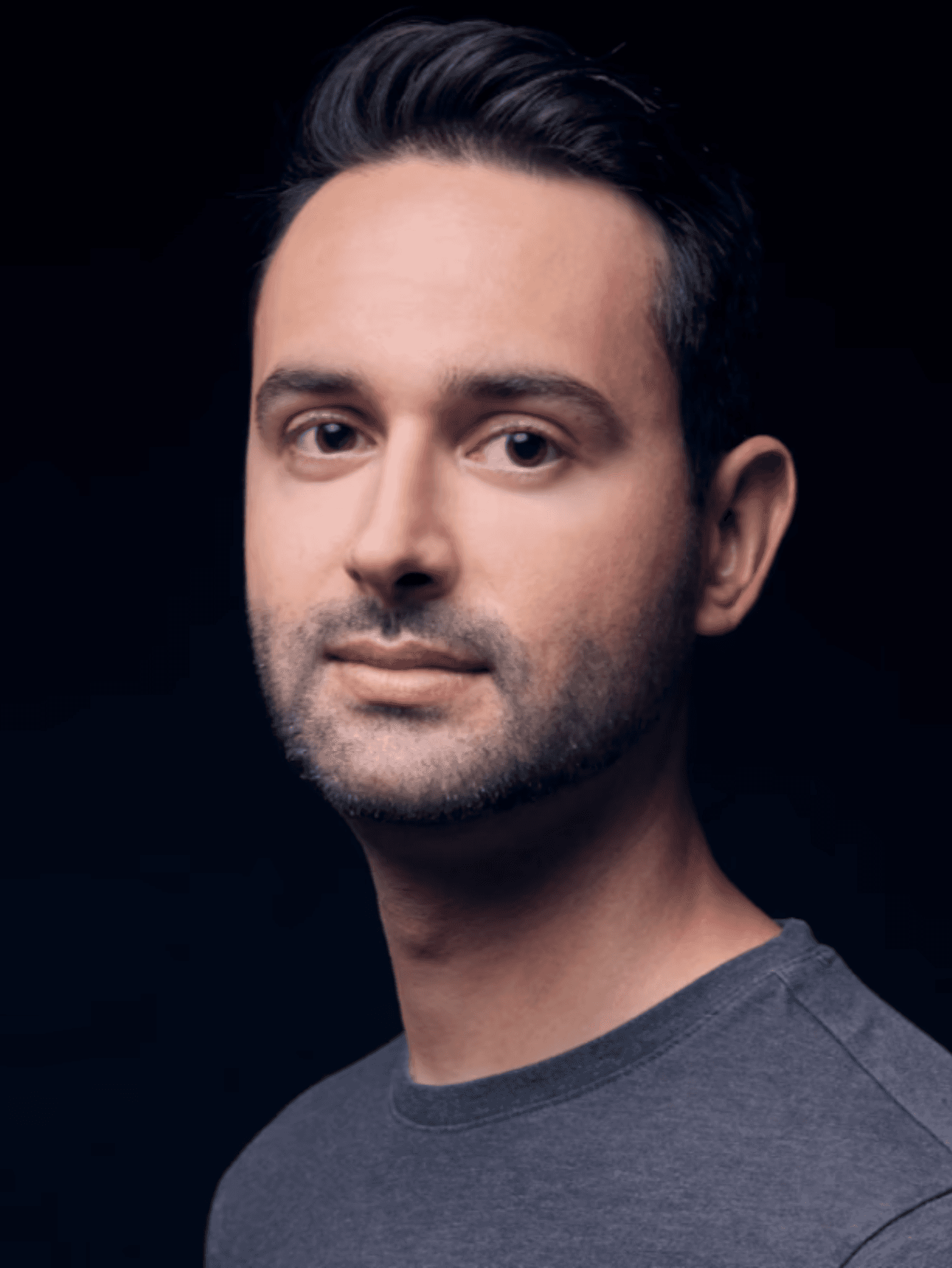
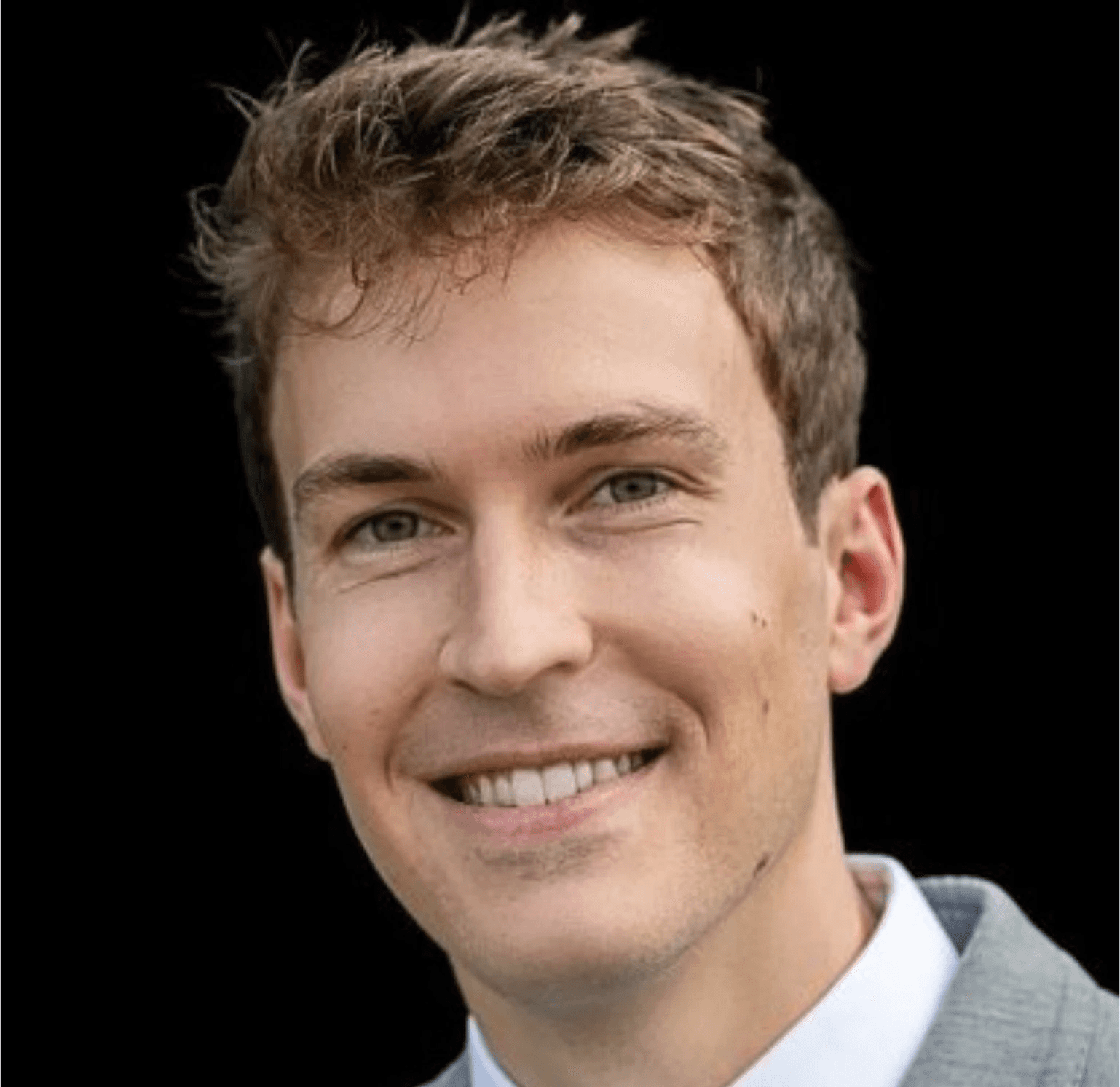
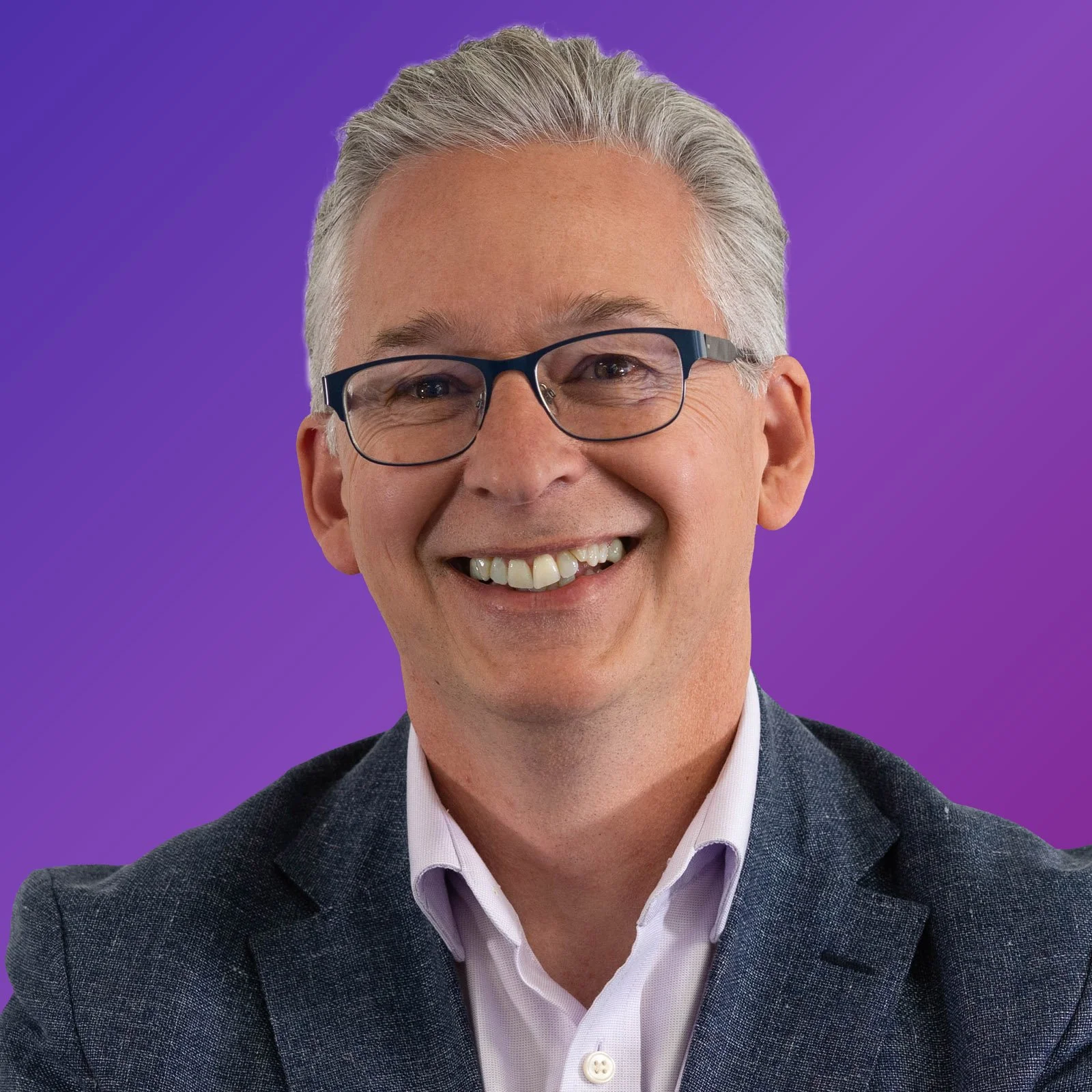
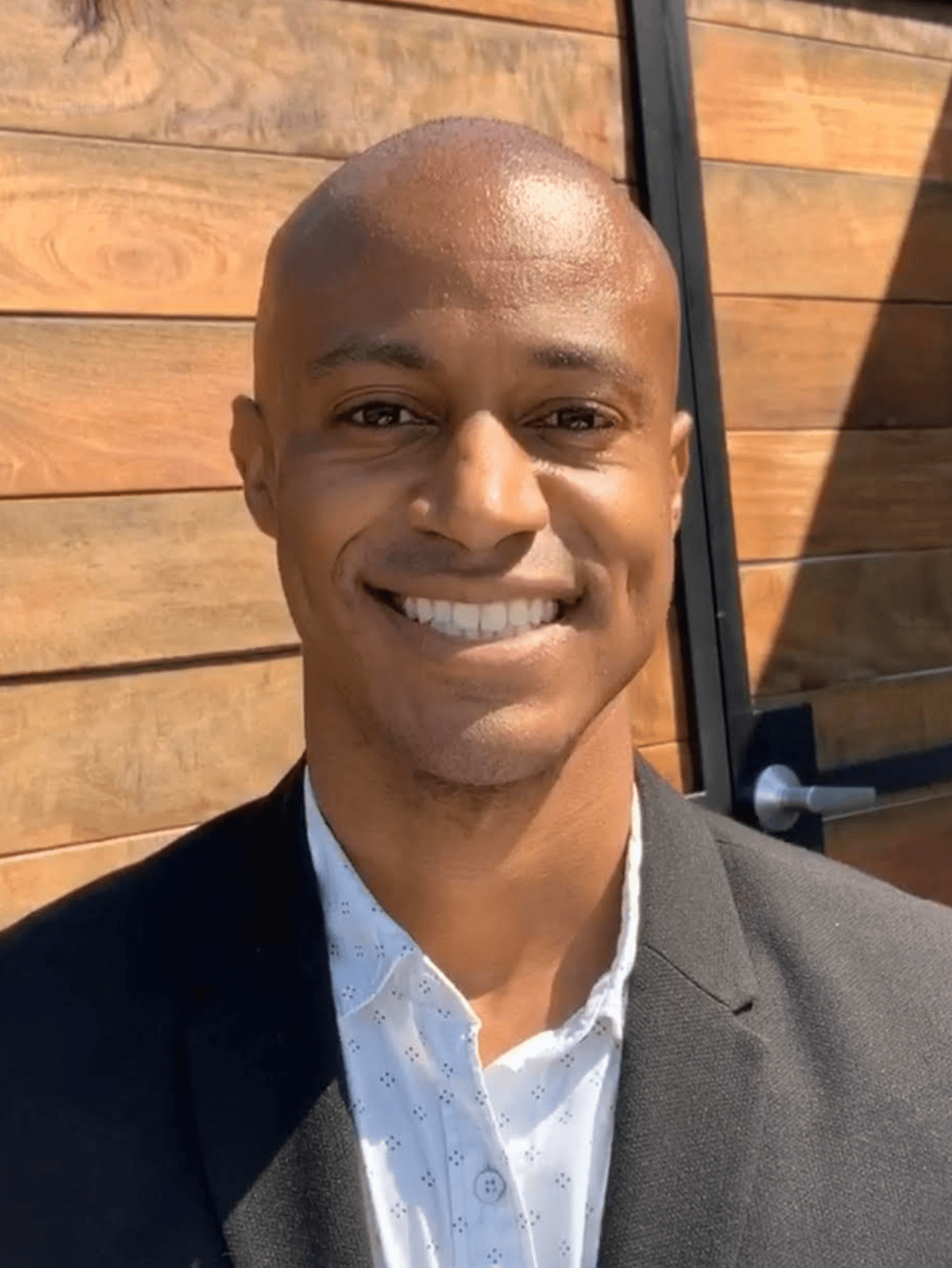
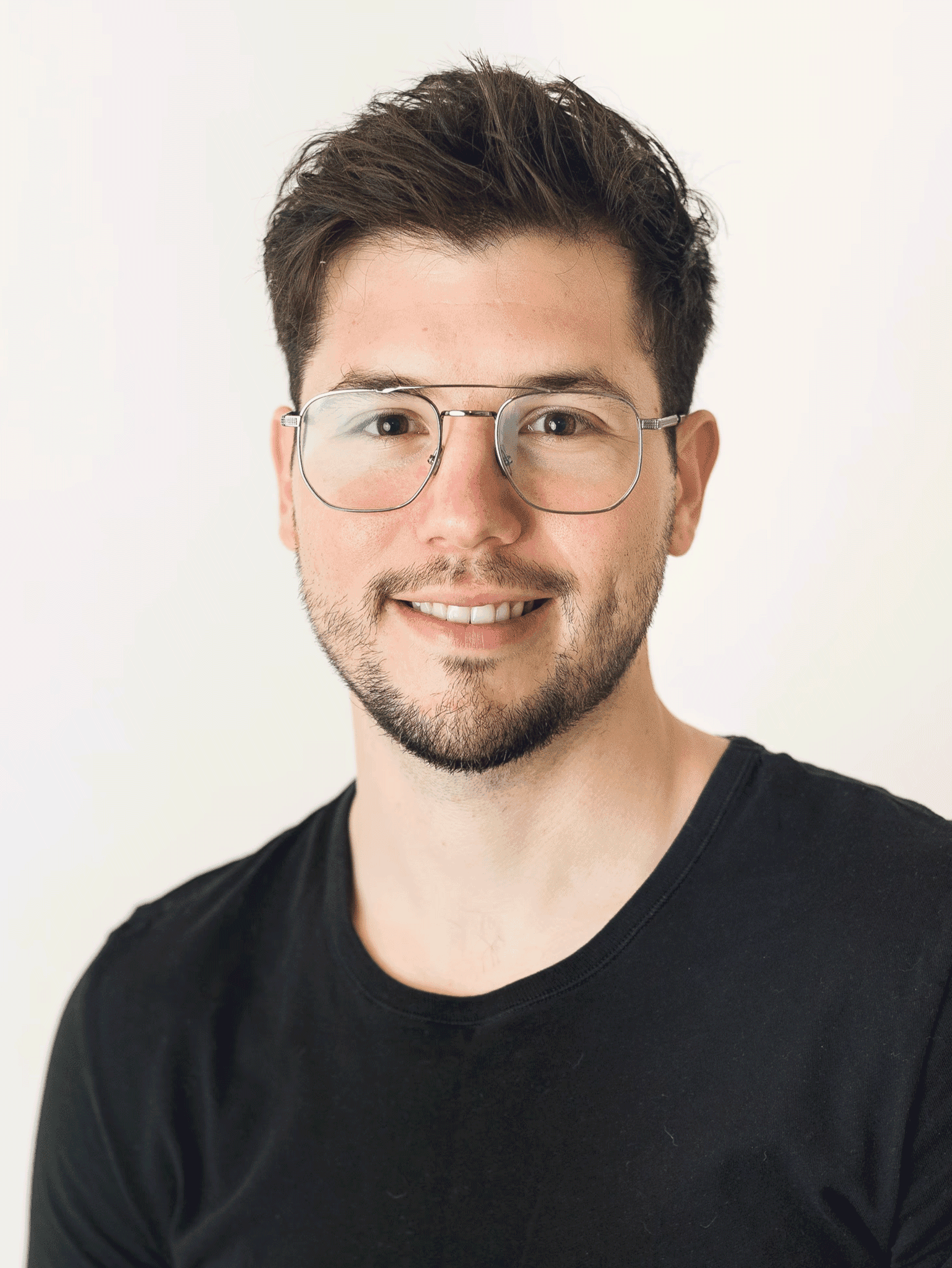
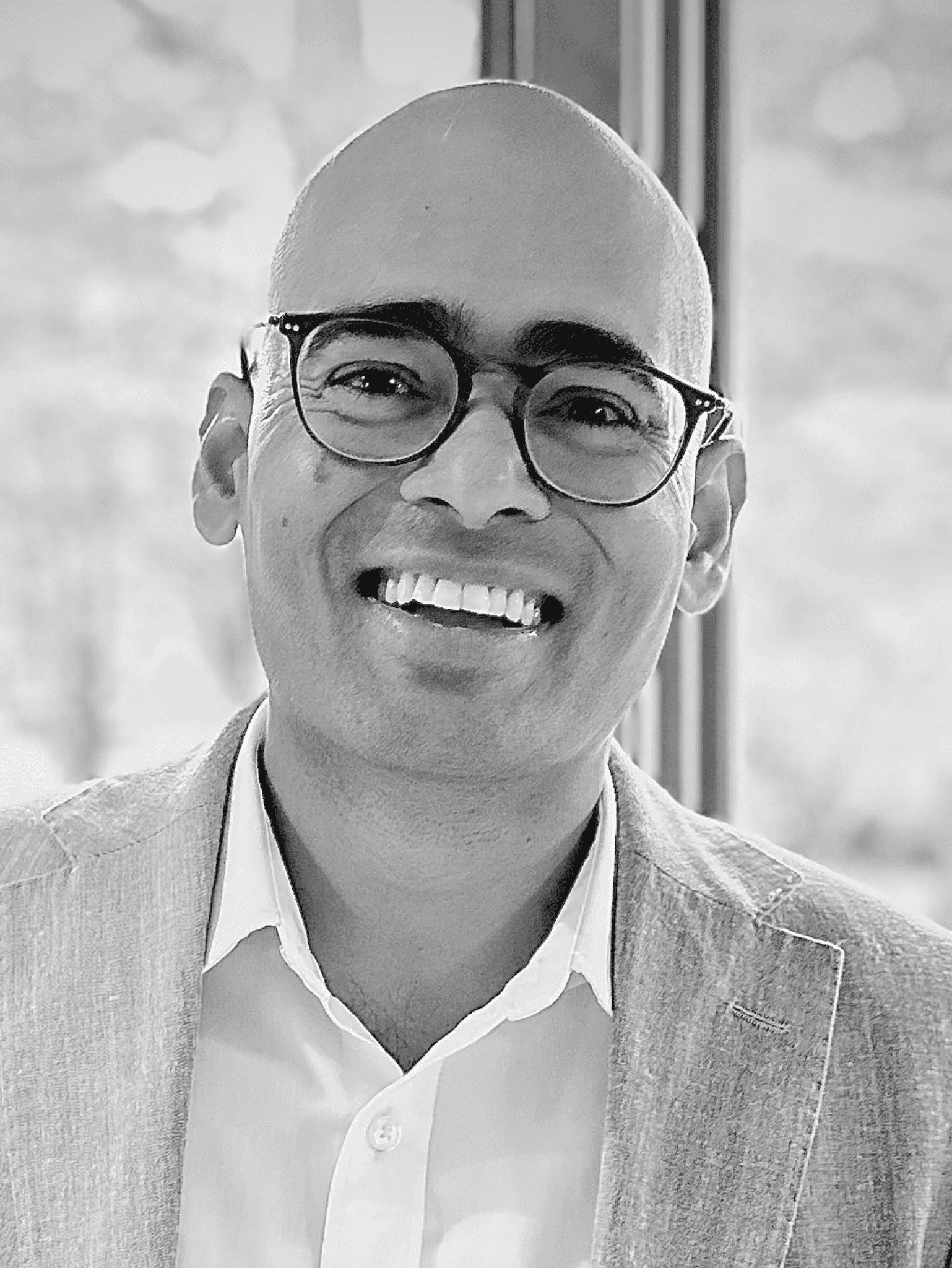
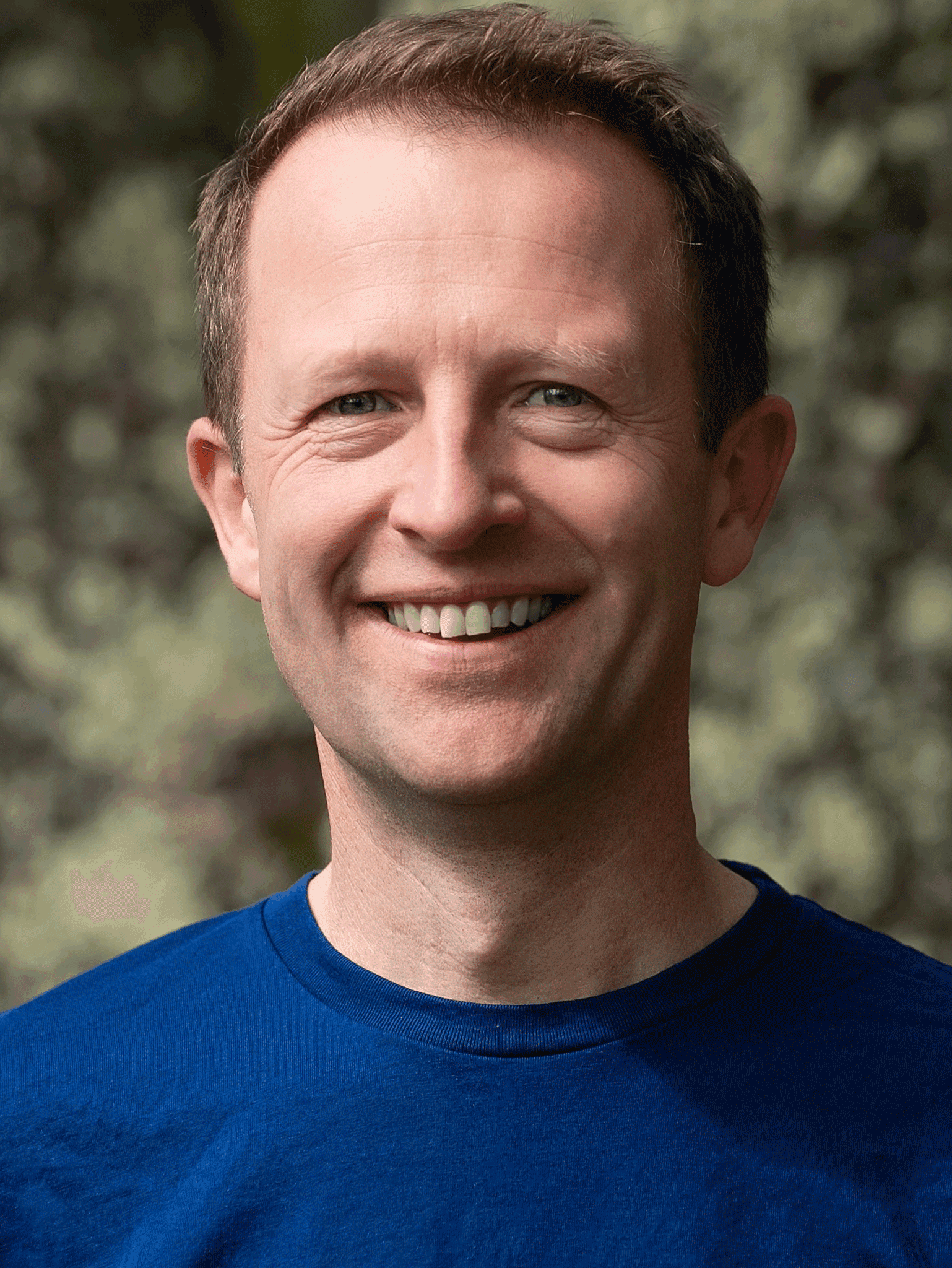
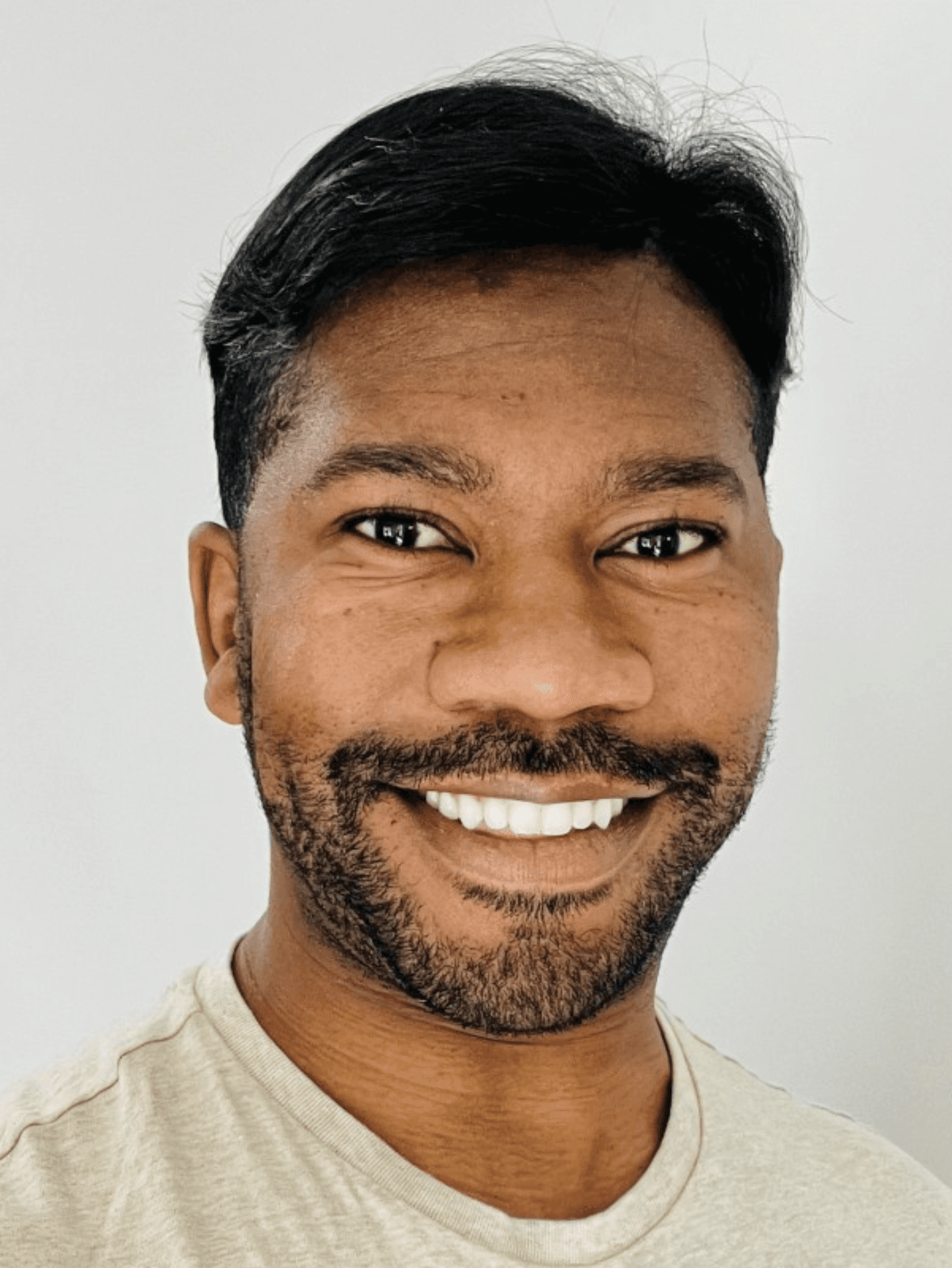
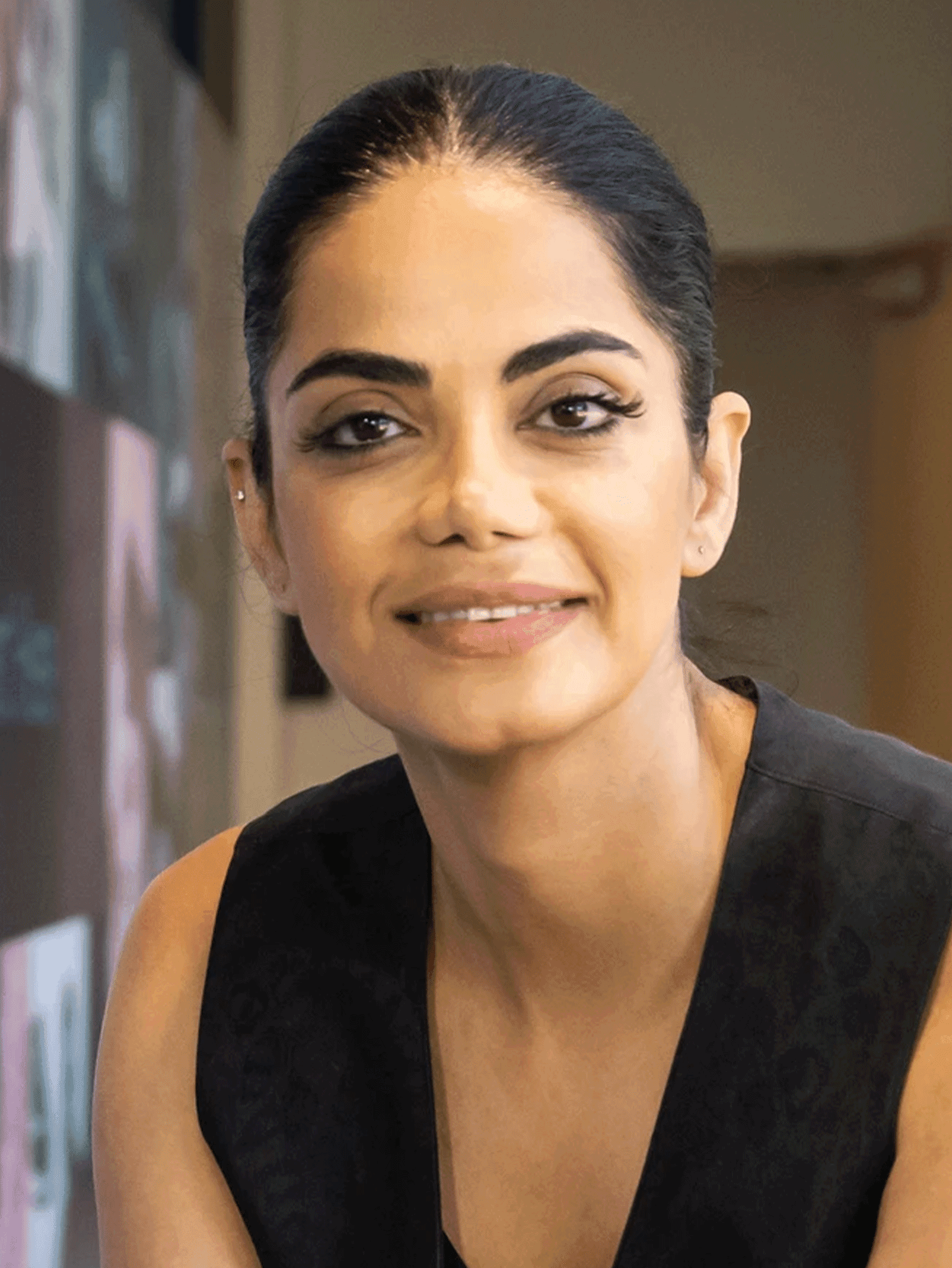
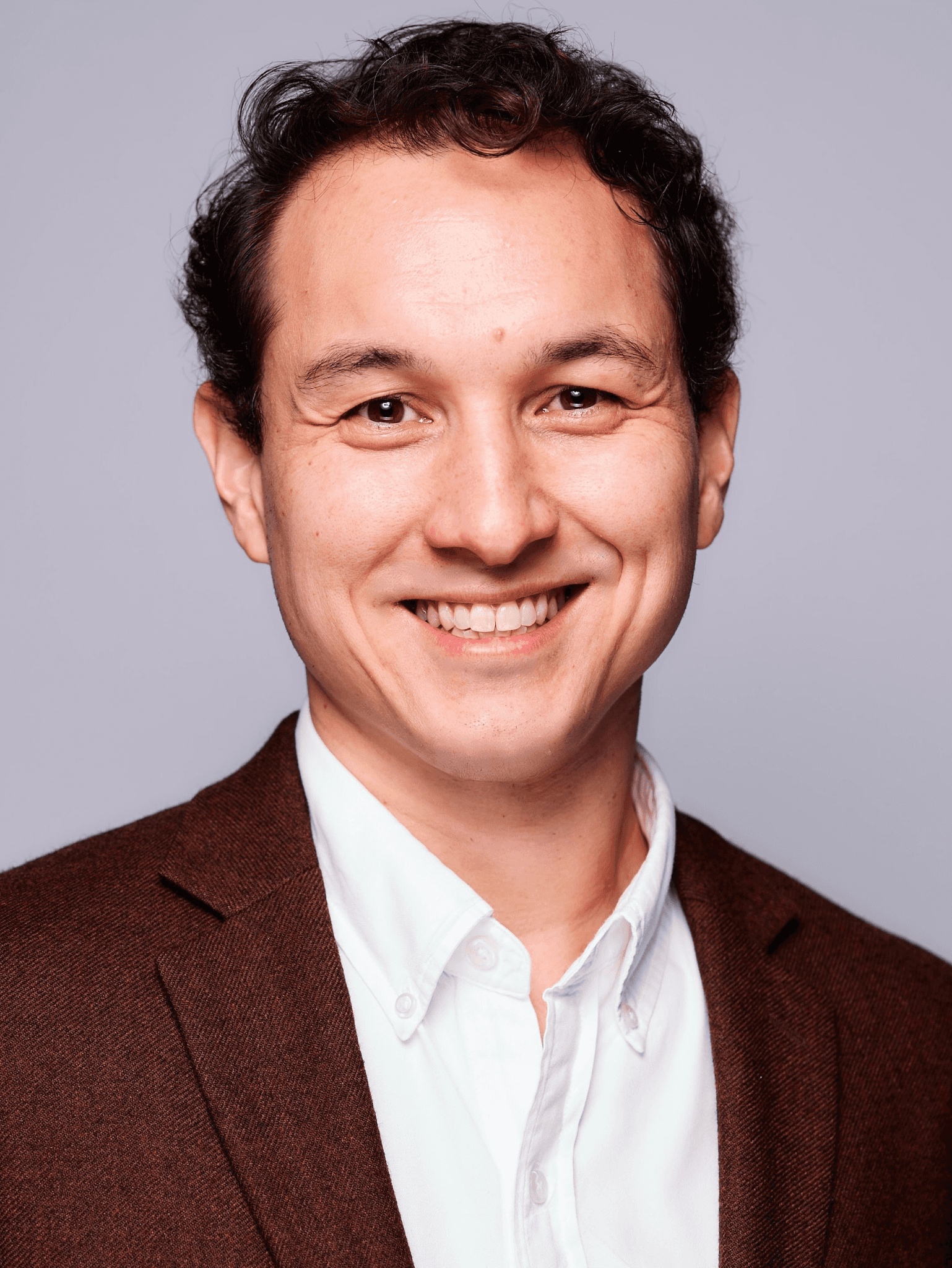
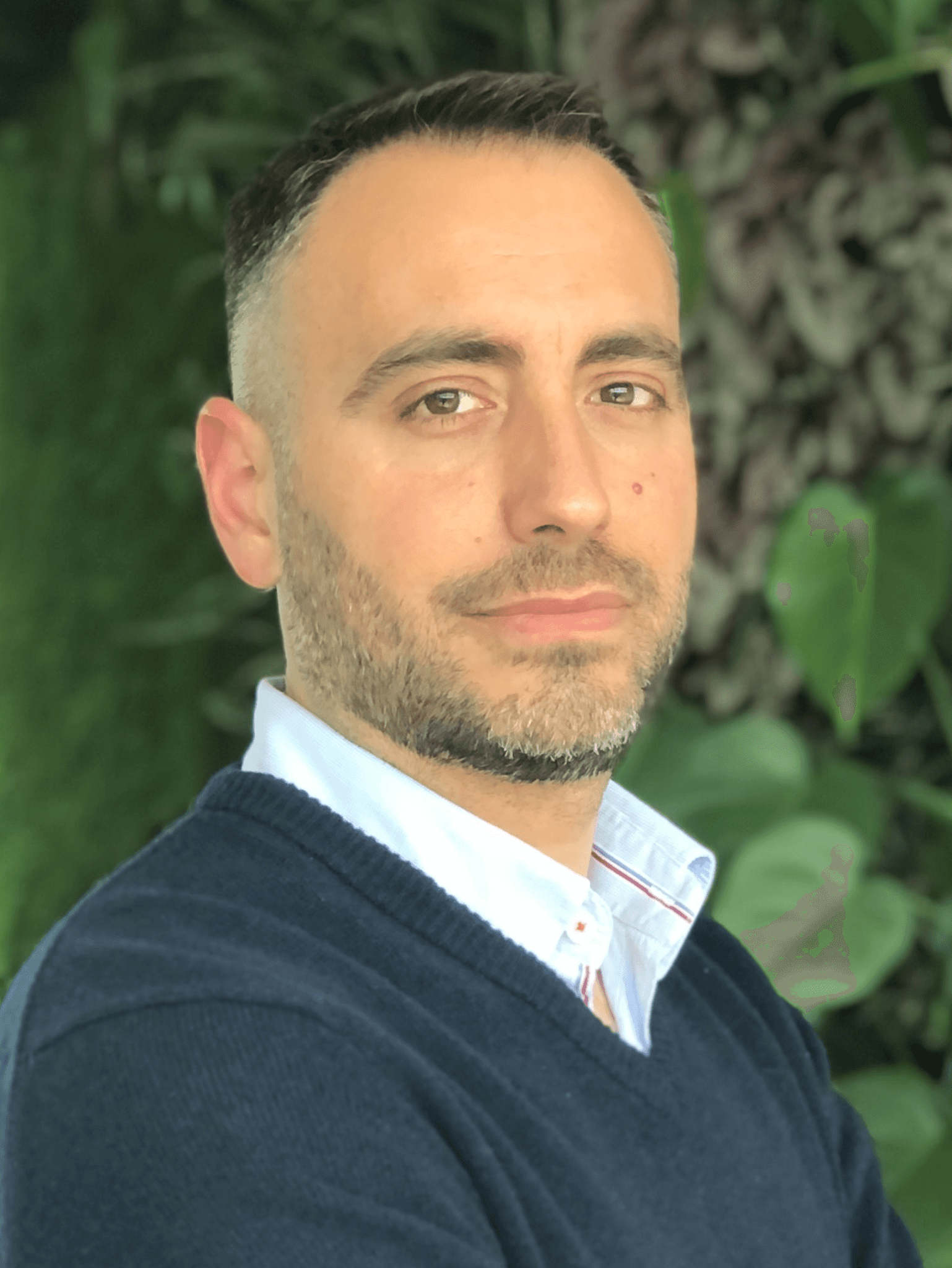
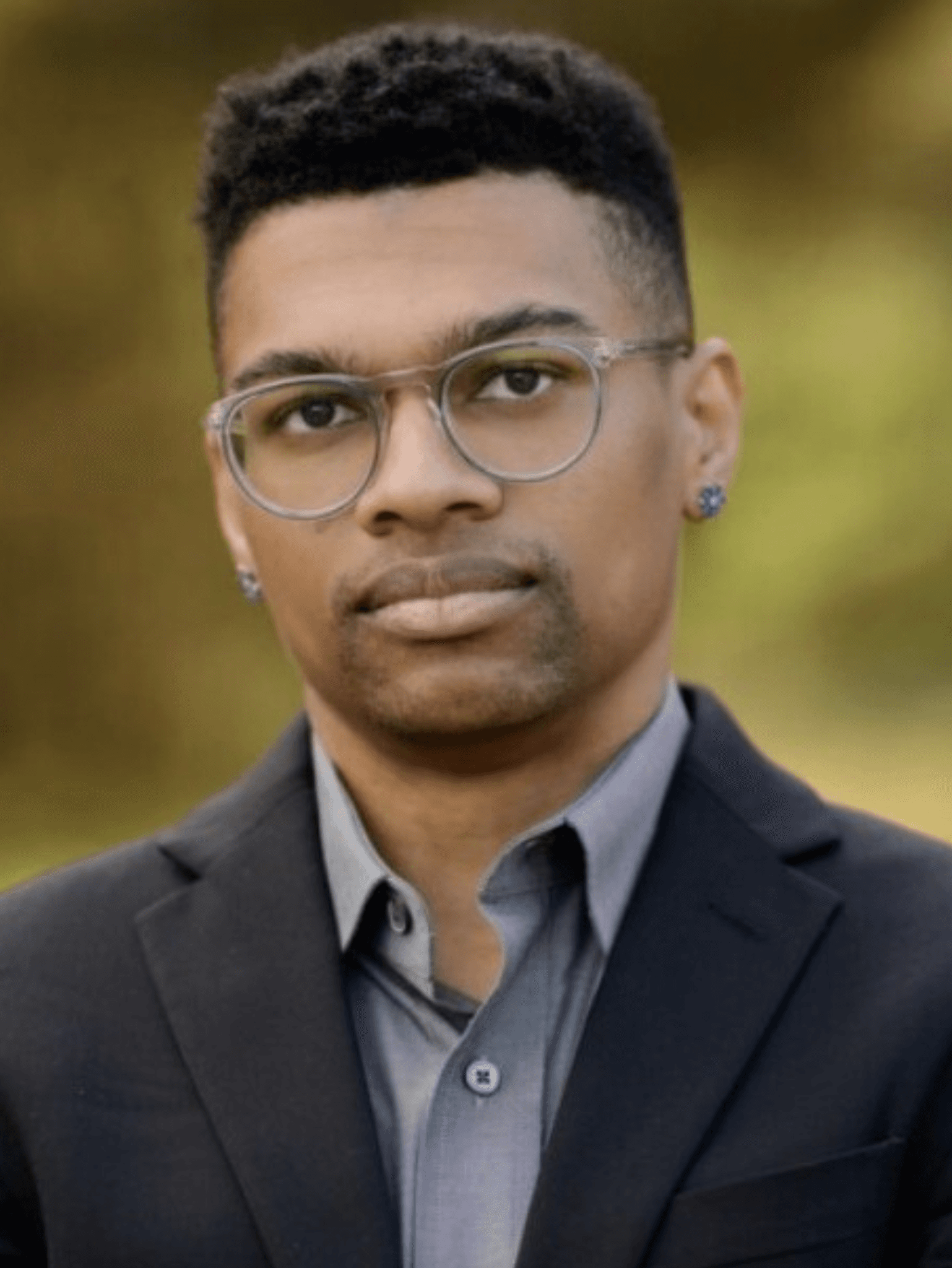
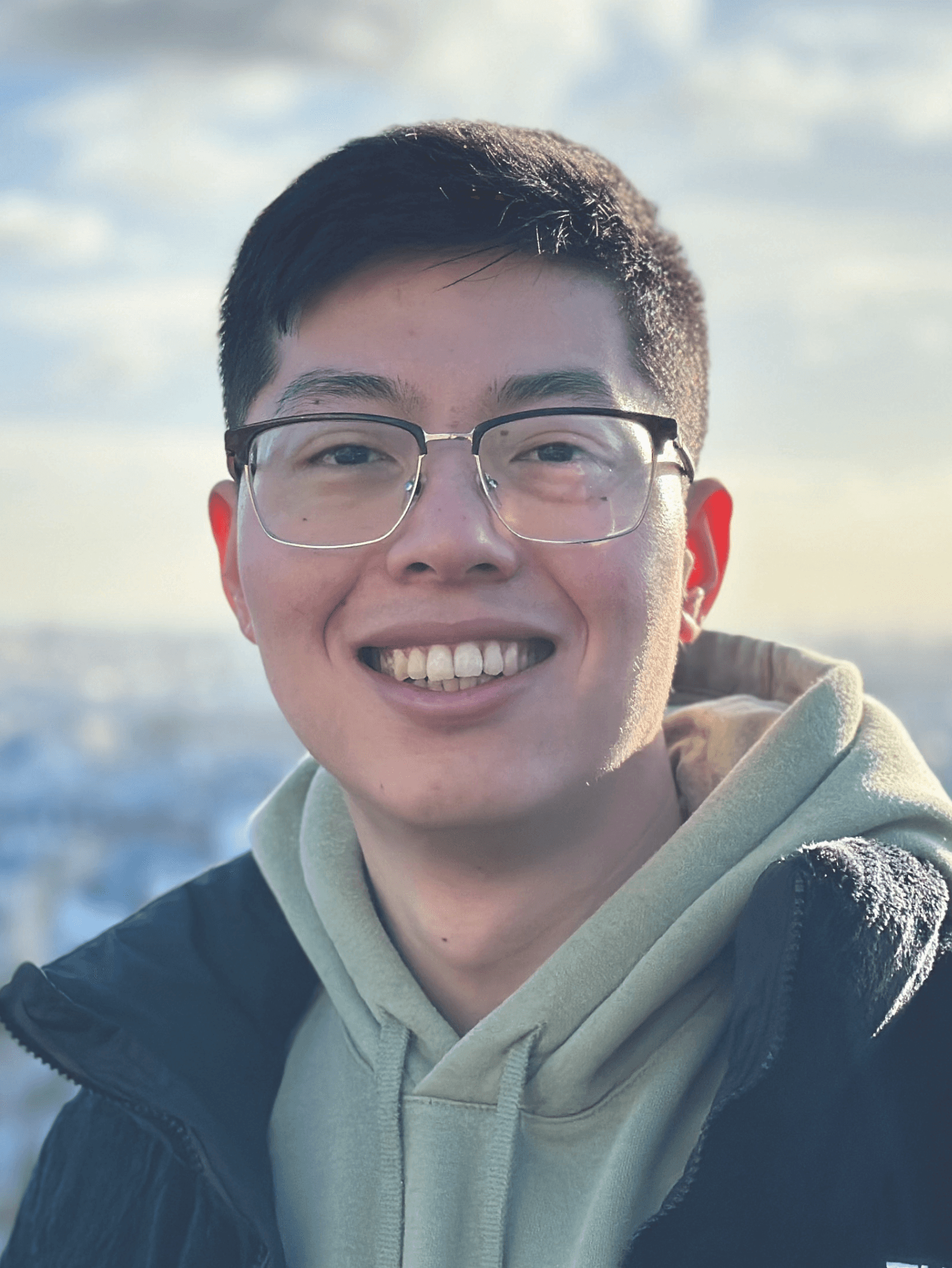
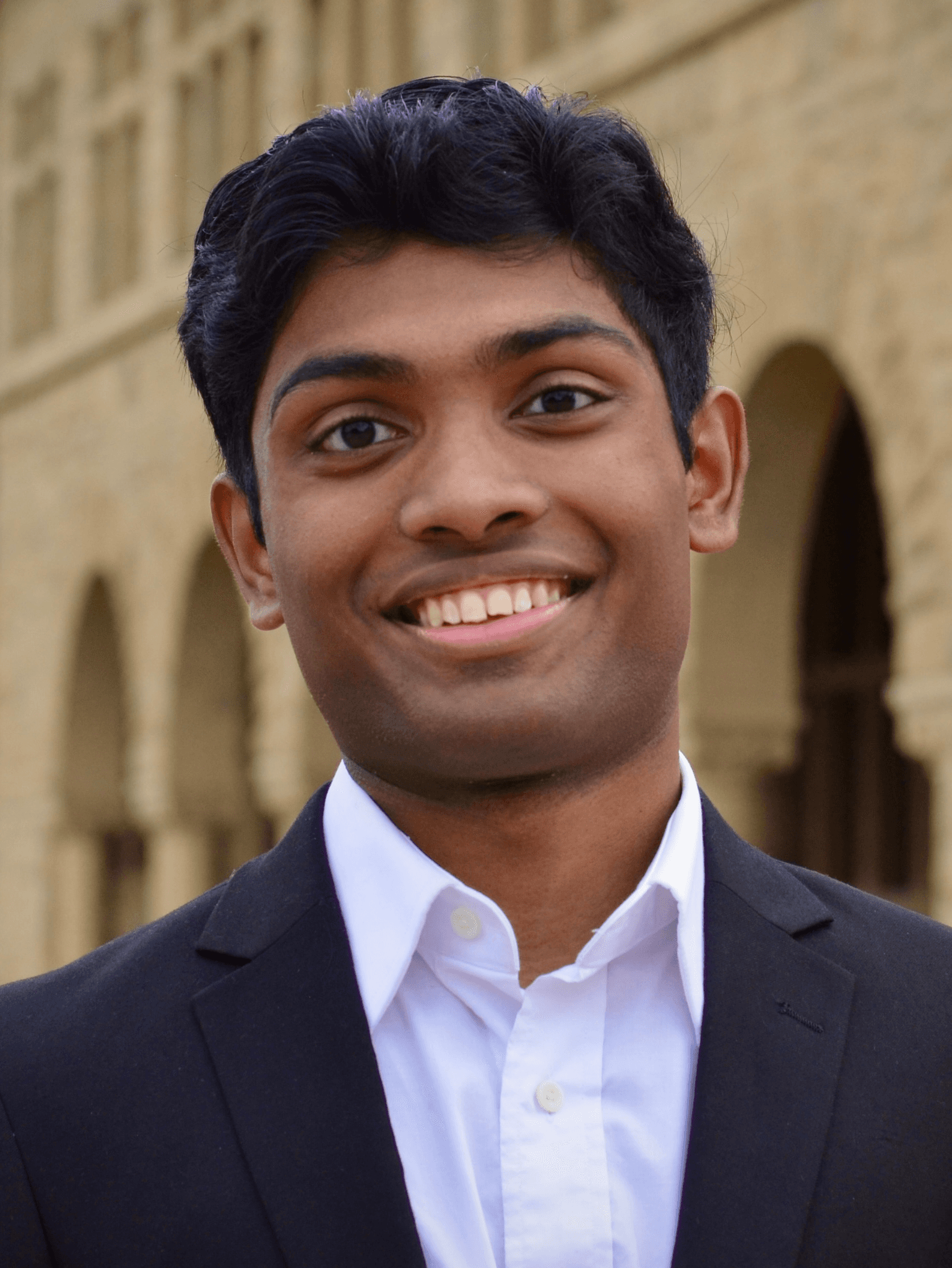
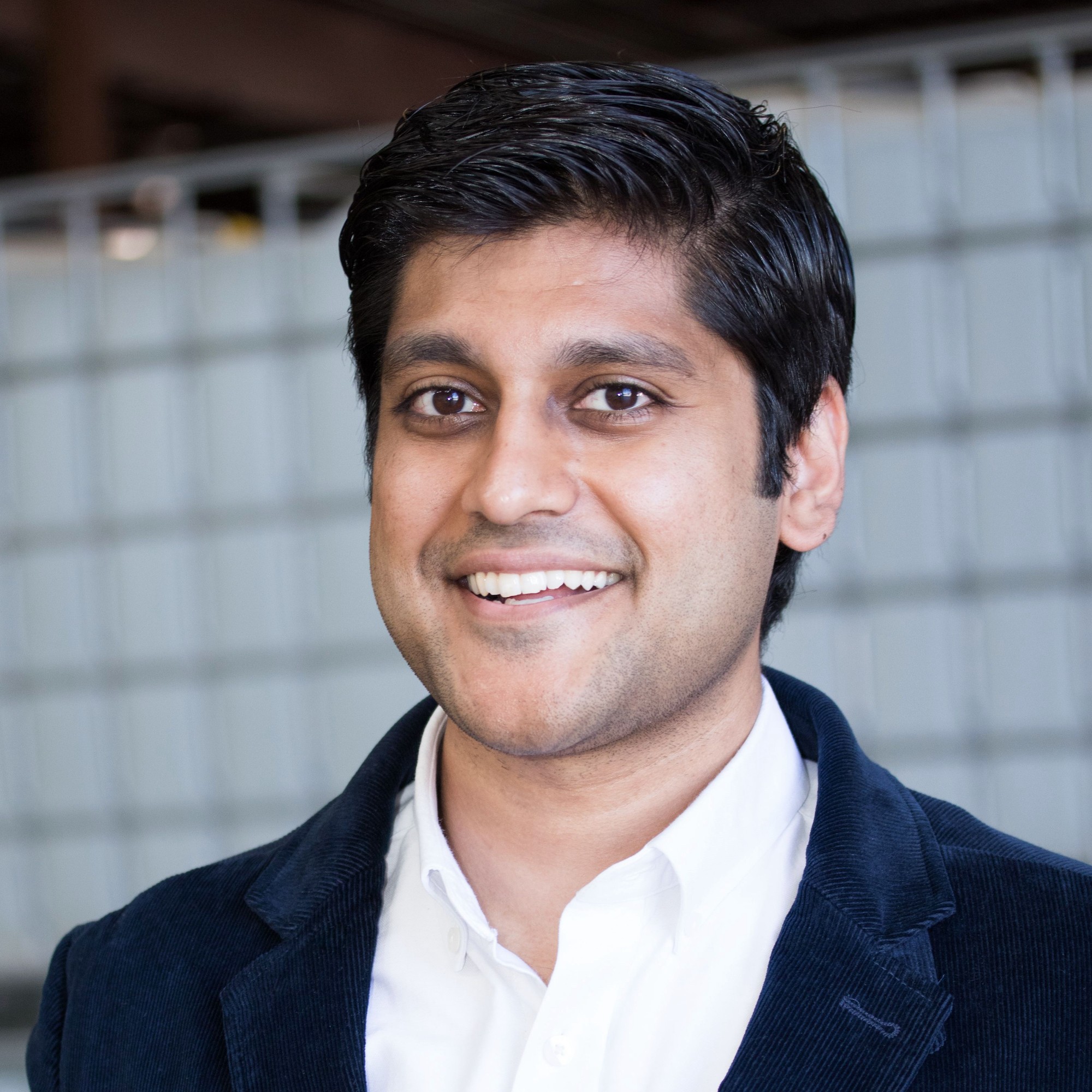
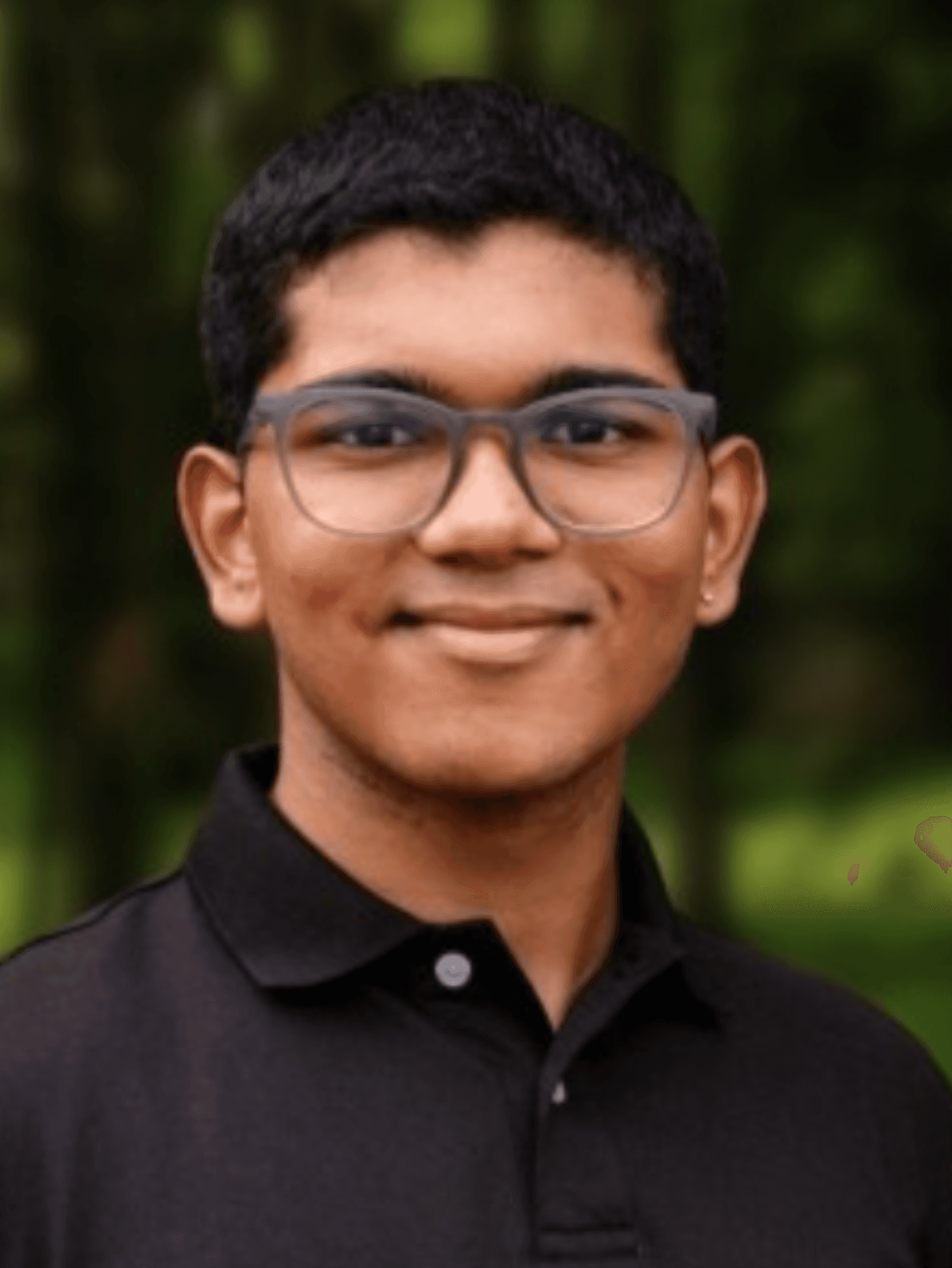
Armaan Dhanda

Anomaly Bio

Co-Founder

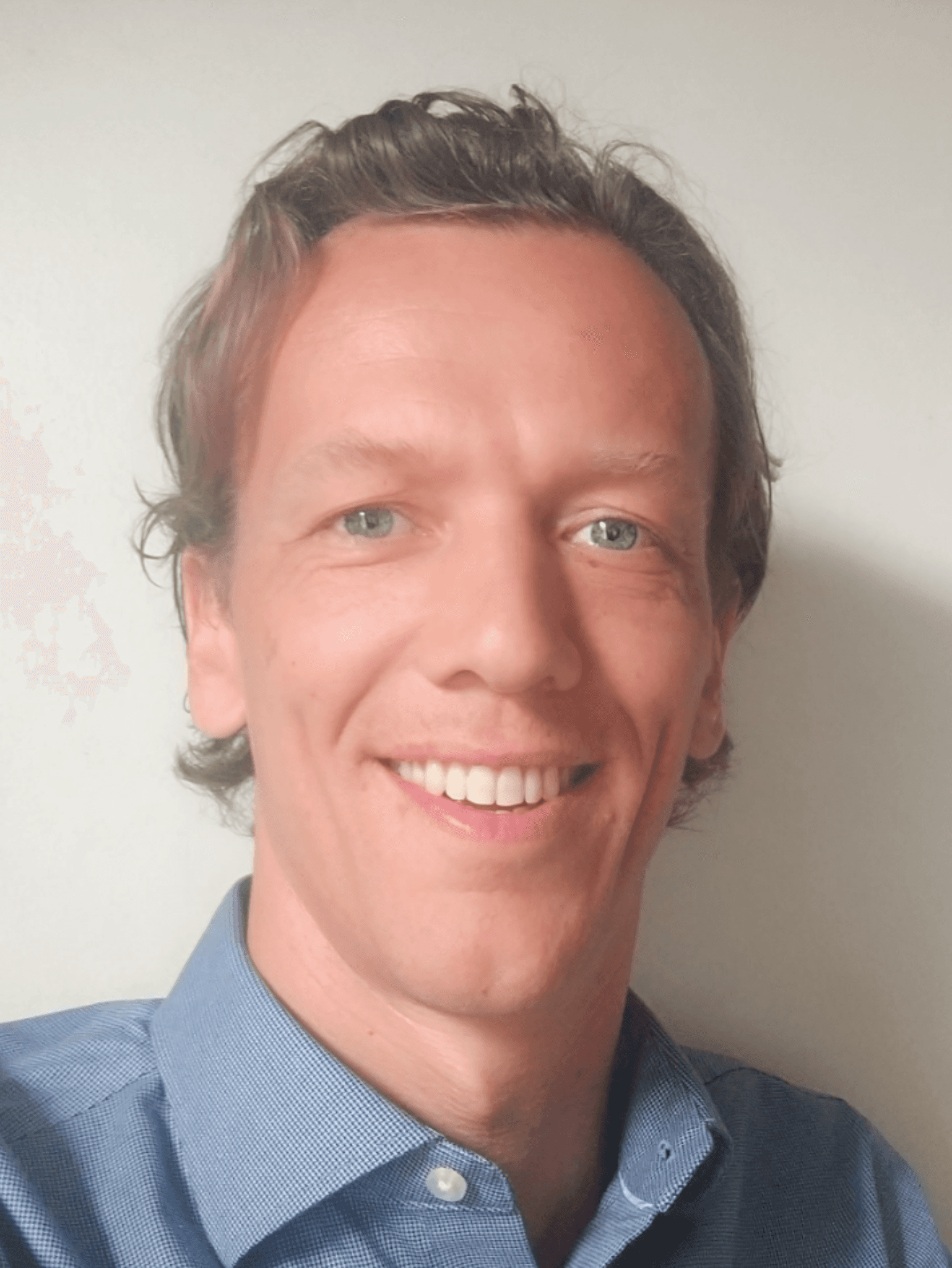
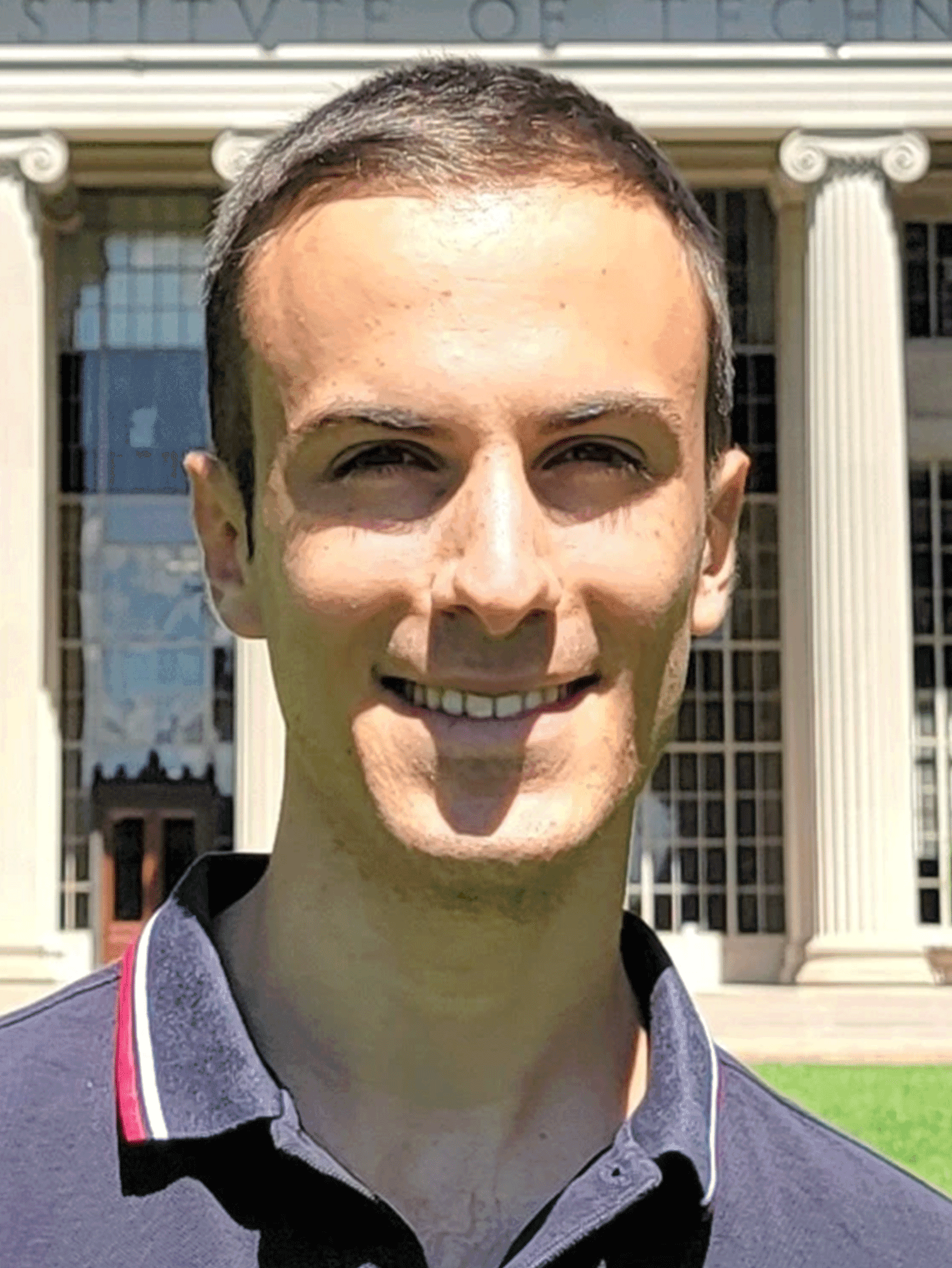
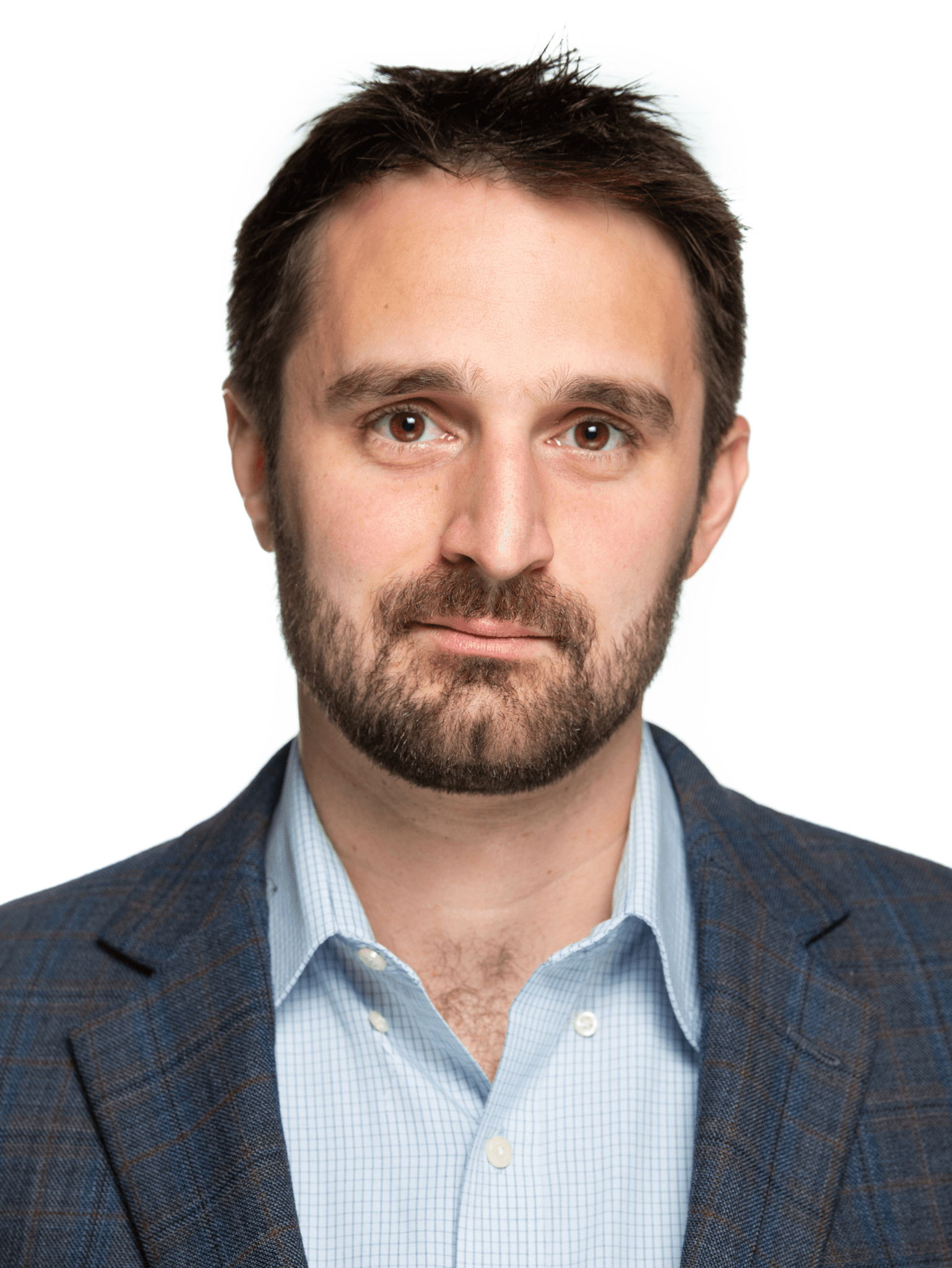
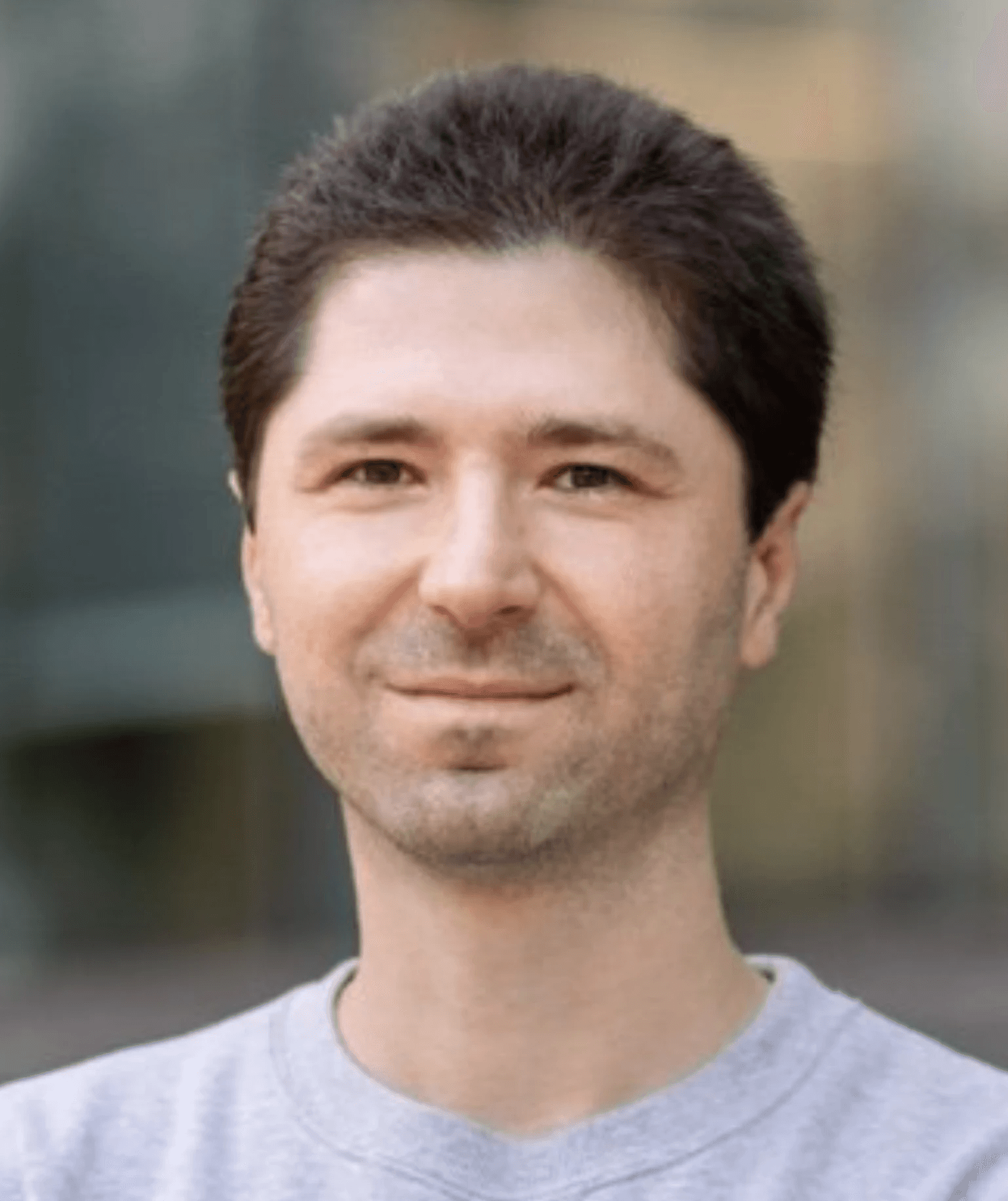
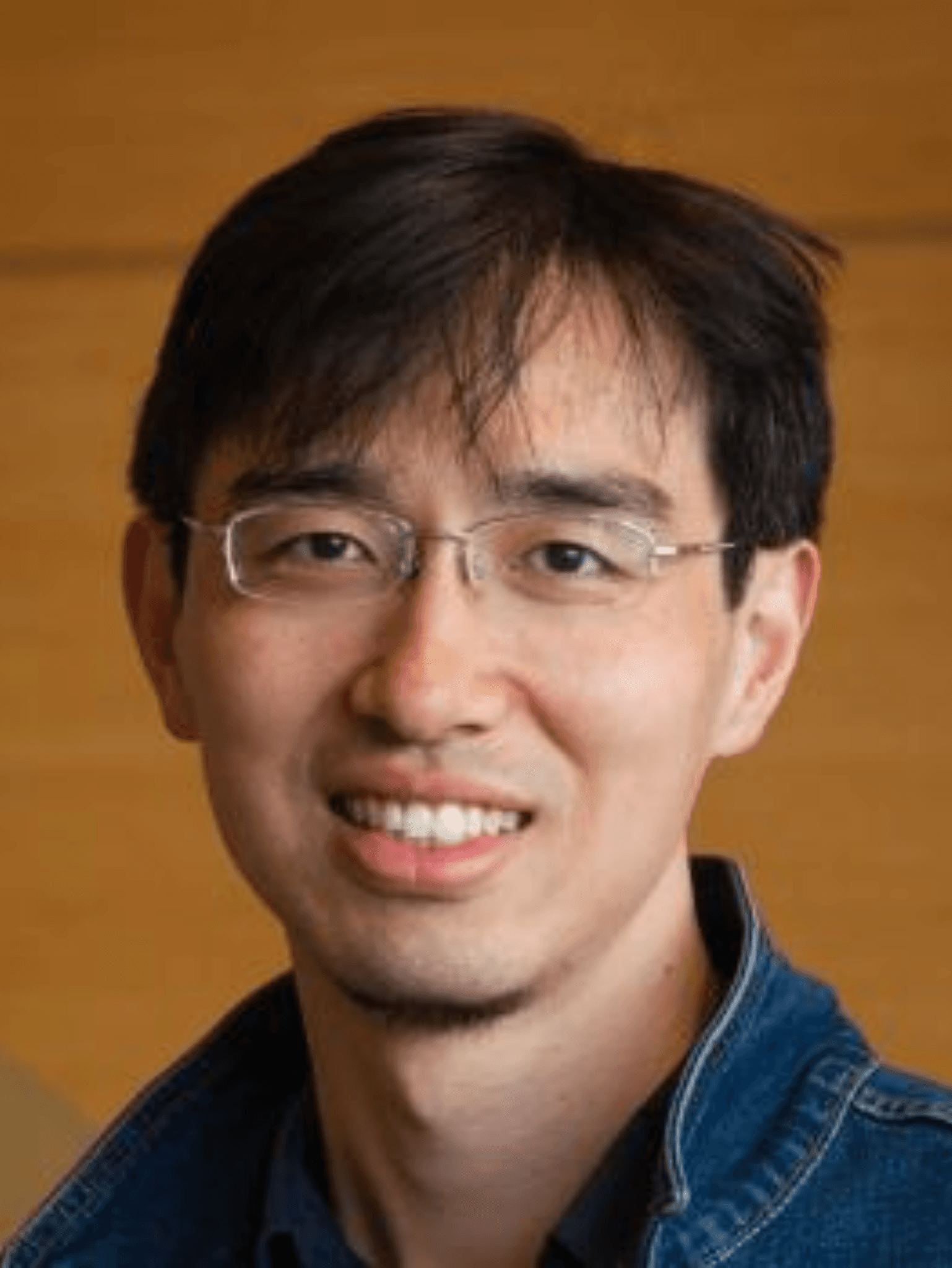
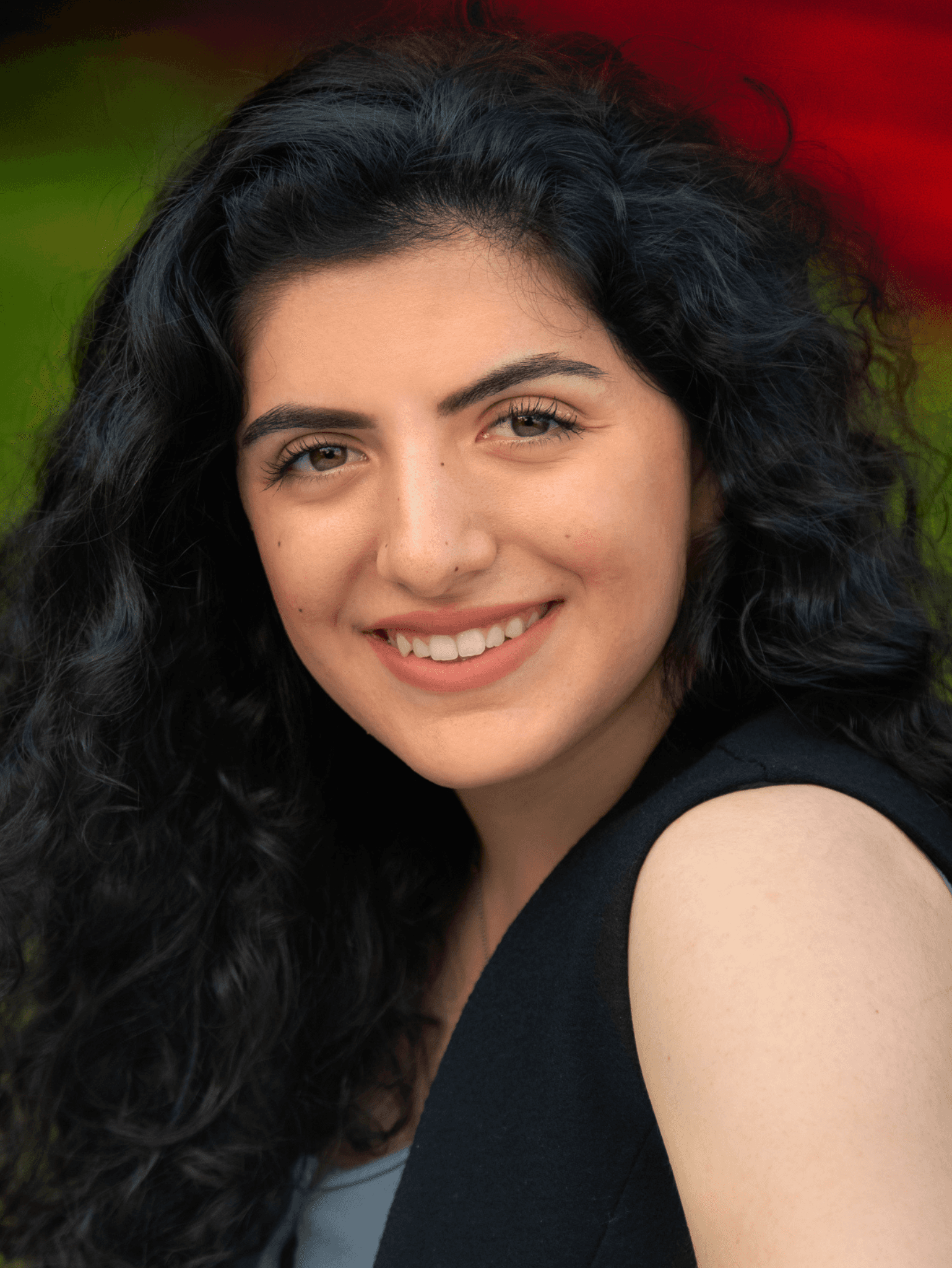
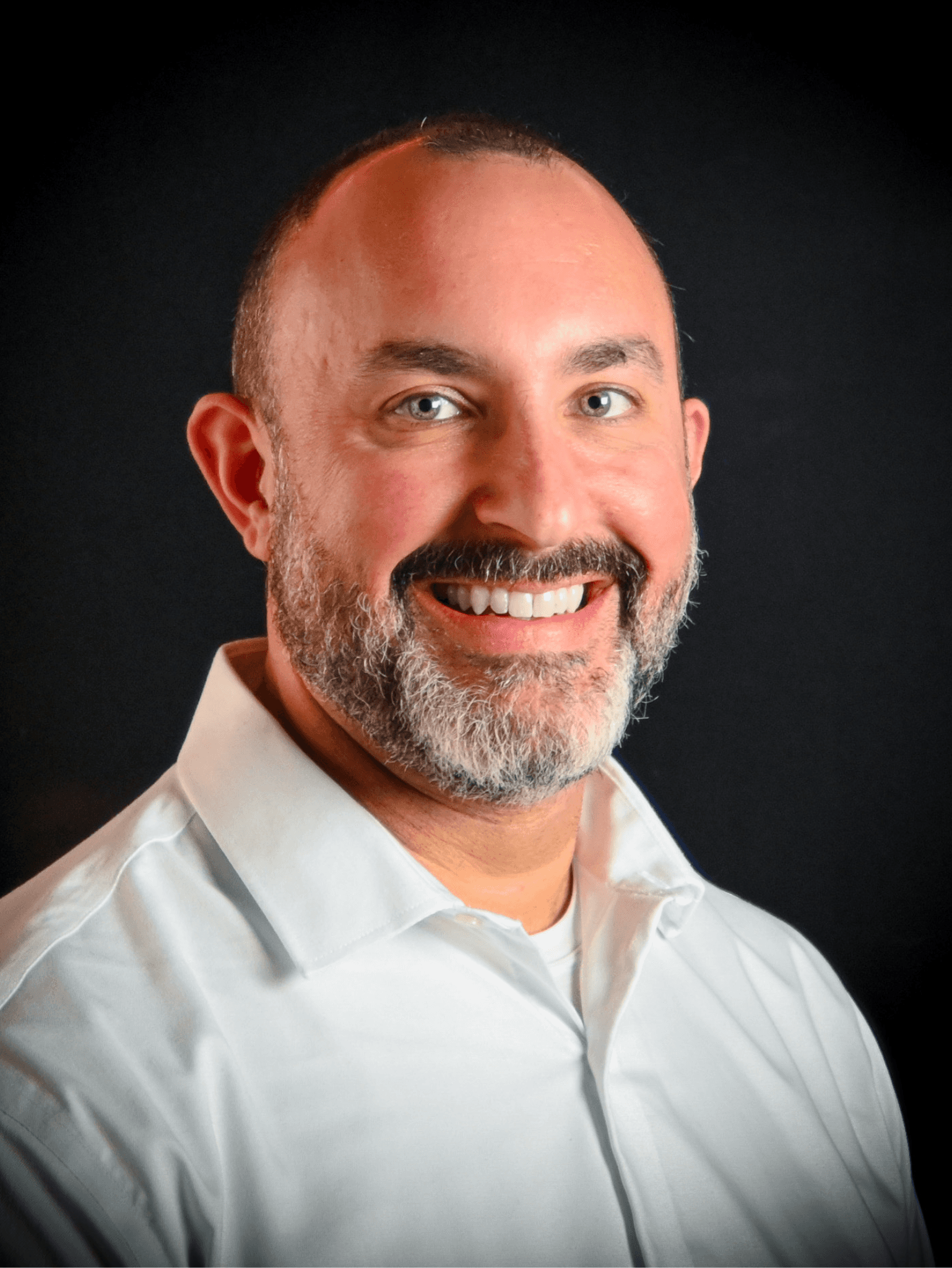
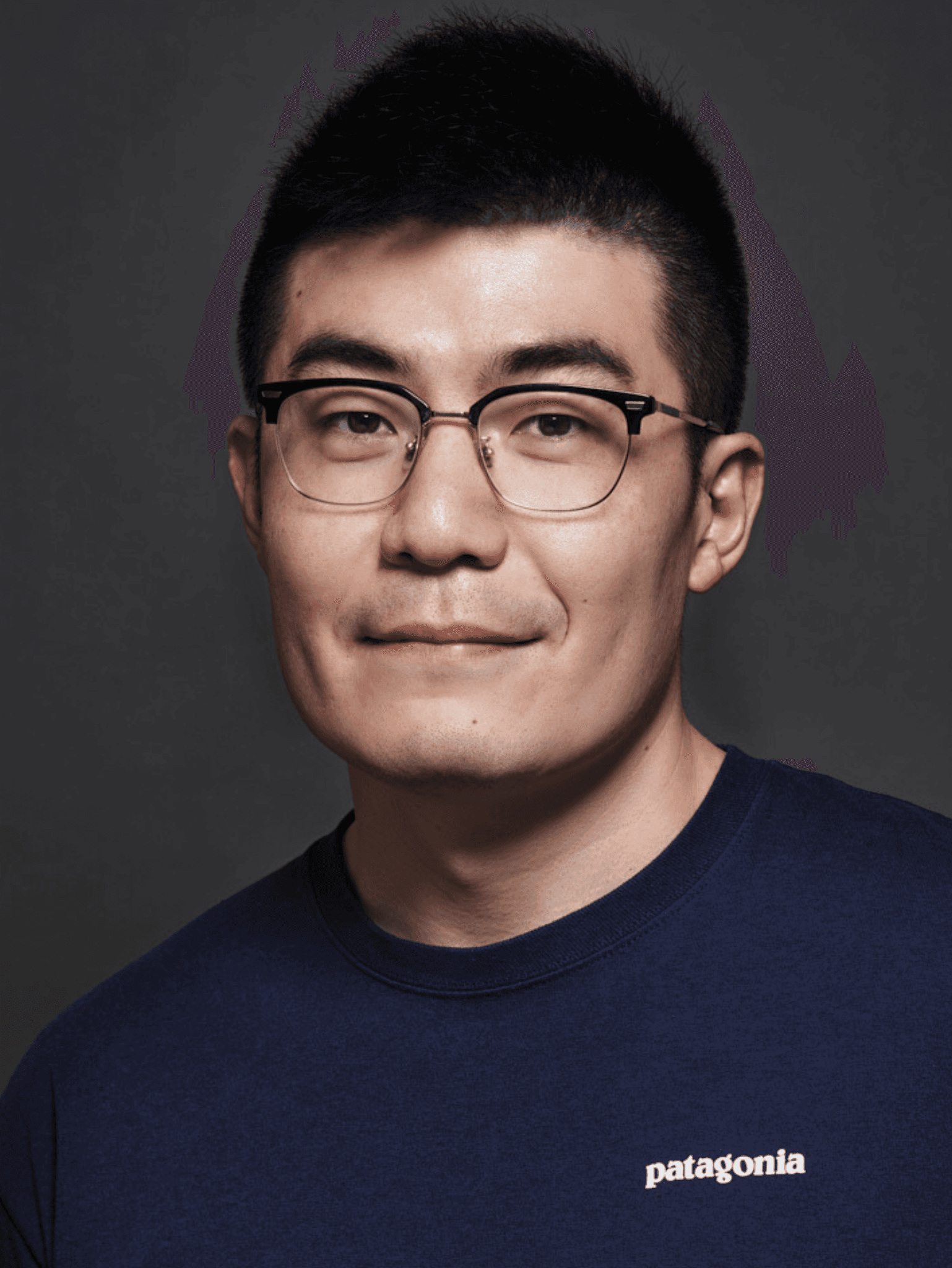
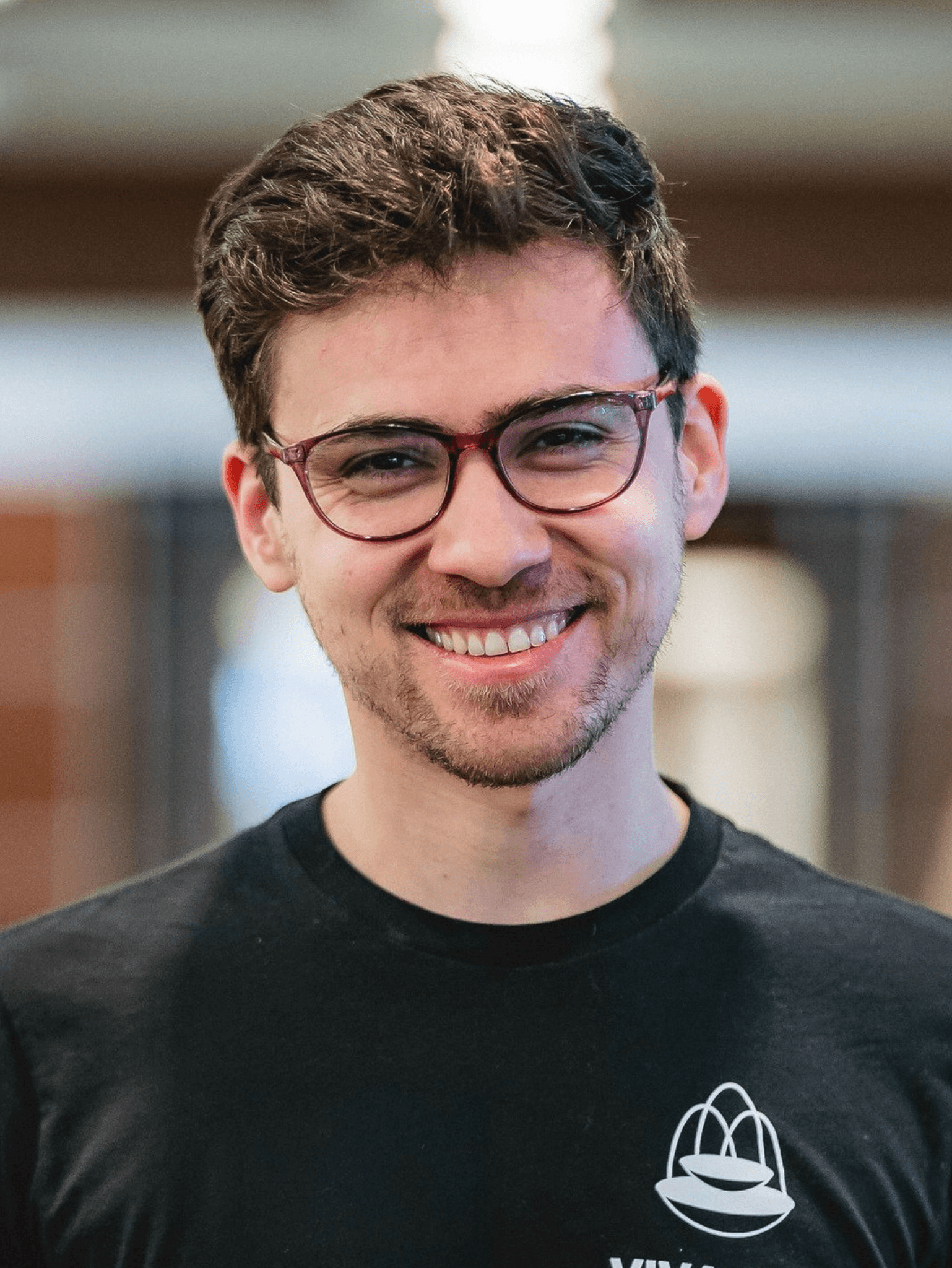
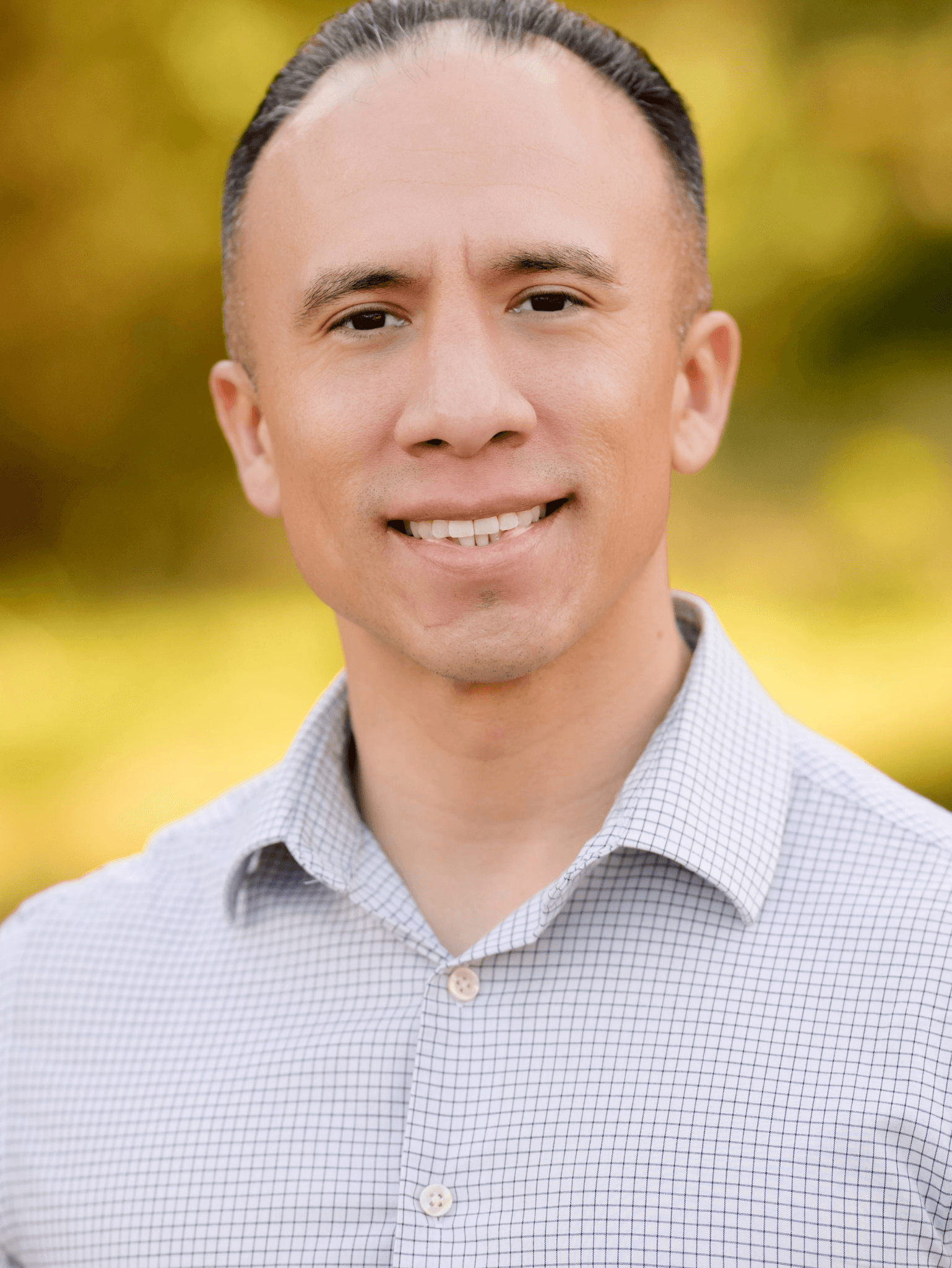
Armaan is the co-founder of Anomaly Bio, a Singapore-based biotech company turning microbes into micro-factories to rebuild ingredient supply chains. Anomaly raised a US$2.6M pre-seed round led by SF-based Pebblebed Ventures, with participation from Akshay Kothari (Notion), Sean Hunt (Solugen), Eben Bayer (Ecovative), and Mithun Sacheti (CaratLane), amongst others. At SynBioBeta, Armaan will present on third-generation industrial biology companies — demand-led, capital-disciplined ventures that start with urgent problems inside large enterprises and scale only with validated offtake, drawing lessons from both the durable first generation and the ambitious but often over-extended second wave.Armaan is 23 and currently on leave from the National University of Singapore, where he studied Chemical Engineering as an S&T Scholar. He previously founded the Delhi Smart Protein Project, GFI's first Indian alt-protein chapter.

SynBioBeta 2026 Tickets are Live

Confirmed Speakers
Sessions Featuring

Armaan

This Year

Breakout Session

4:30 PM

-

5:15 PM

3rd Generation Industrial Biology Companies: New Models from Old Lessons:

Industrial biology has moved through clear phases. First-generation leaders like Novozymes and ADM built durable businesses on fermentation expertise, process control, and long-term customer contracts. The second wave, including Amyris, Zymergen, and Twist Bioscience, emphasized platform modularity and scientific acceleration, but often scaled ahead of sustained product pull. As capital markets tightened, many of those models were stress-tested. This session explores what a third generation looks like: demand-led, capital disciplined, and grounded in real manufacturing capability. Rather than building brands or speculative platforms, Gen 3 companies start with urgent problems inside large enterprises such as Mars, Nestlé, and Unilever, develop minimum testable products with modest initial investment, and scale only with validated offtake and operational readiness. We will discuss portfolio-style R&D, customer co-development, global manufacturing realities, and the operator mindset required to build resilient industrial bio companies in today’s environment.

Purchase Pass

Breakout Session

4:30 PM

-

5:15 PM

3rd Generation Industrial Biology Companies: New Models from Old Lessons:

Industrial biology has moved through clear phases. First-generation leaders like Novozymes and ADM built durable businesses on fermentation expertise, process control, and long-term customer contracts. The second wave, including Amyris, Zymergen, and Twist Bioscience, emphasized platform modularity and scientific acceleration, but often scaled ahead of sustained product pull. As capital markets tightened, many of those models were stress-tested. This session explores what a third generation looks like: demand-led, capital disciplined, and grounded in real manufacturing capability. Rather than building brands or speculative platforms, Gen 3 companies start with urgent problems inside large enterprises such as Mars, Nestlé, and Unilever, develop minimum testable products with modest initial investment, and scale only with validated offtake and operational readiness. We will discuss portfolio-style R&D, customer co-development, global manufacturing realities, and the operator mindset required to build resilient industrial bio companies in today’s environment.

Purchase Pass

TBD

Session lineup still growing

Purchase Pass

Featuring

Speaker Coming Soon

Fireside Chat

12:00 AM

-

8:30 AM

Human Health

From Cells to Patients: Solving the Scale Mismatch in Virtual Biology

Drug discovery often measures biology at the cell level while interventions work at the tissue, organ, or whole-patient scale. This mismatch can make accurate cell-level predictions irrelevant in the clinic. This session dives into strategies to bridge that gap: multiscale modeling that nests single-cell dynamics within organ-level simulations, spatial transcriptomics that preserve context, and surrogate models that translate cell-level outputs into clinical biomarkers. Speakers will ask: how do we ensure virtual biology reflects not just what cells do in isolation, but how biology behaves in the real complexity of patients?
Purchase Pass

Featuring

Speaker Coming Soon

Previous Speakers Include