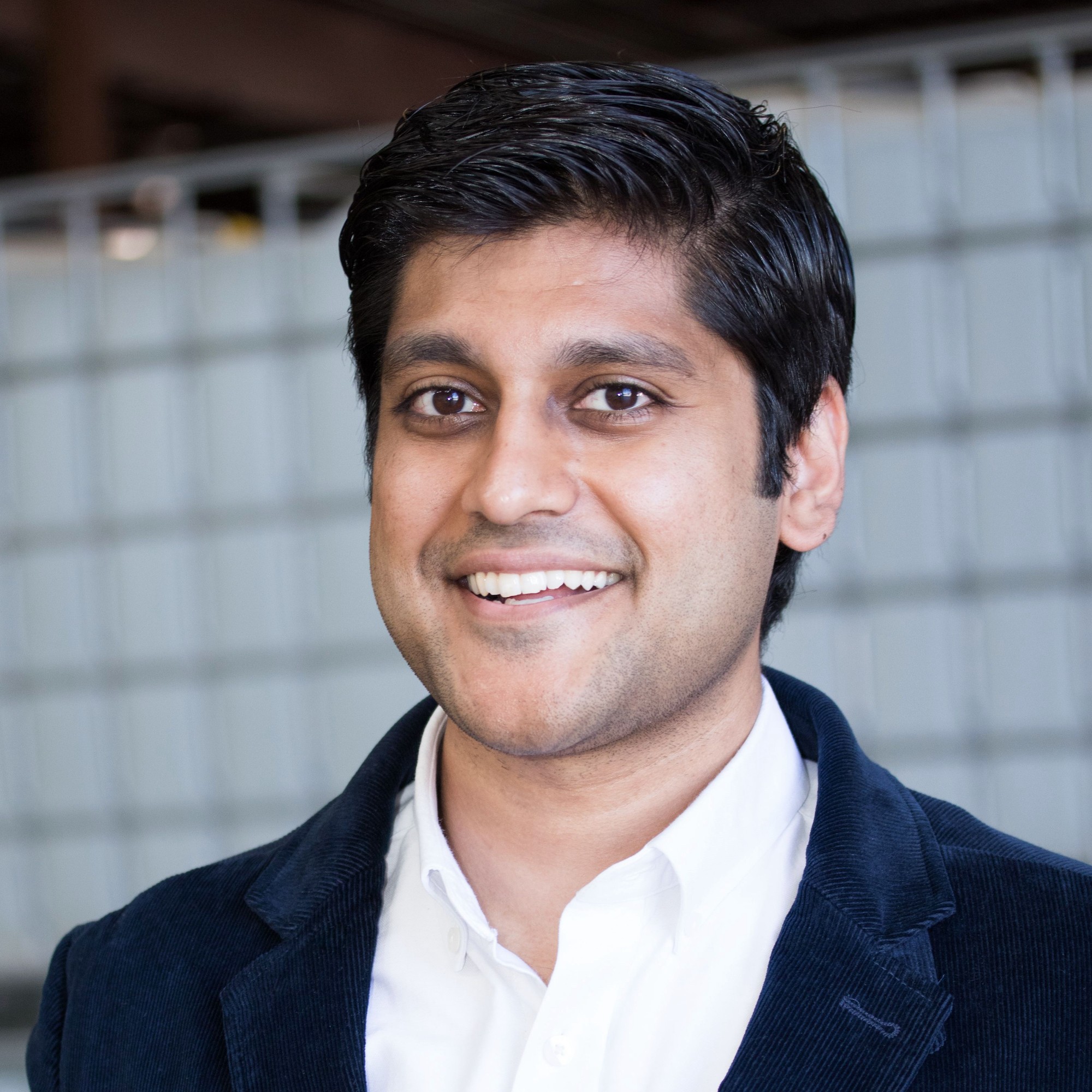
SynBioBeta Speaker
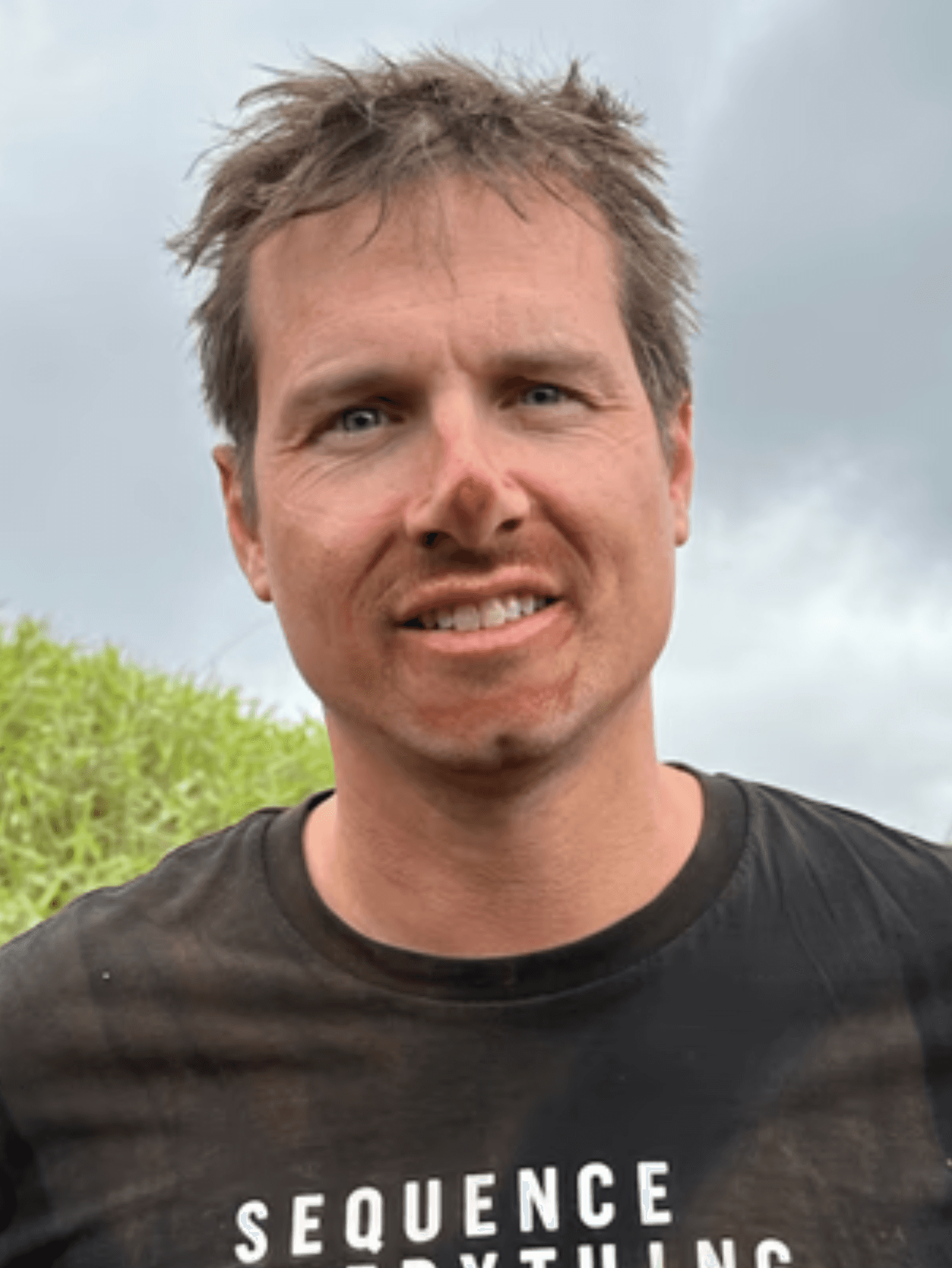
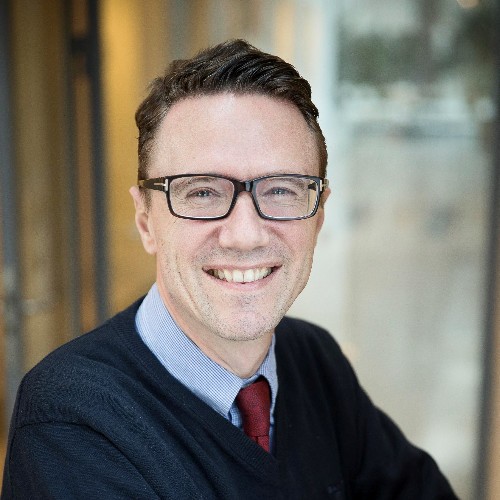
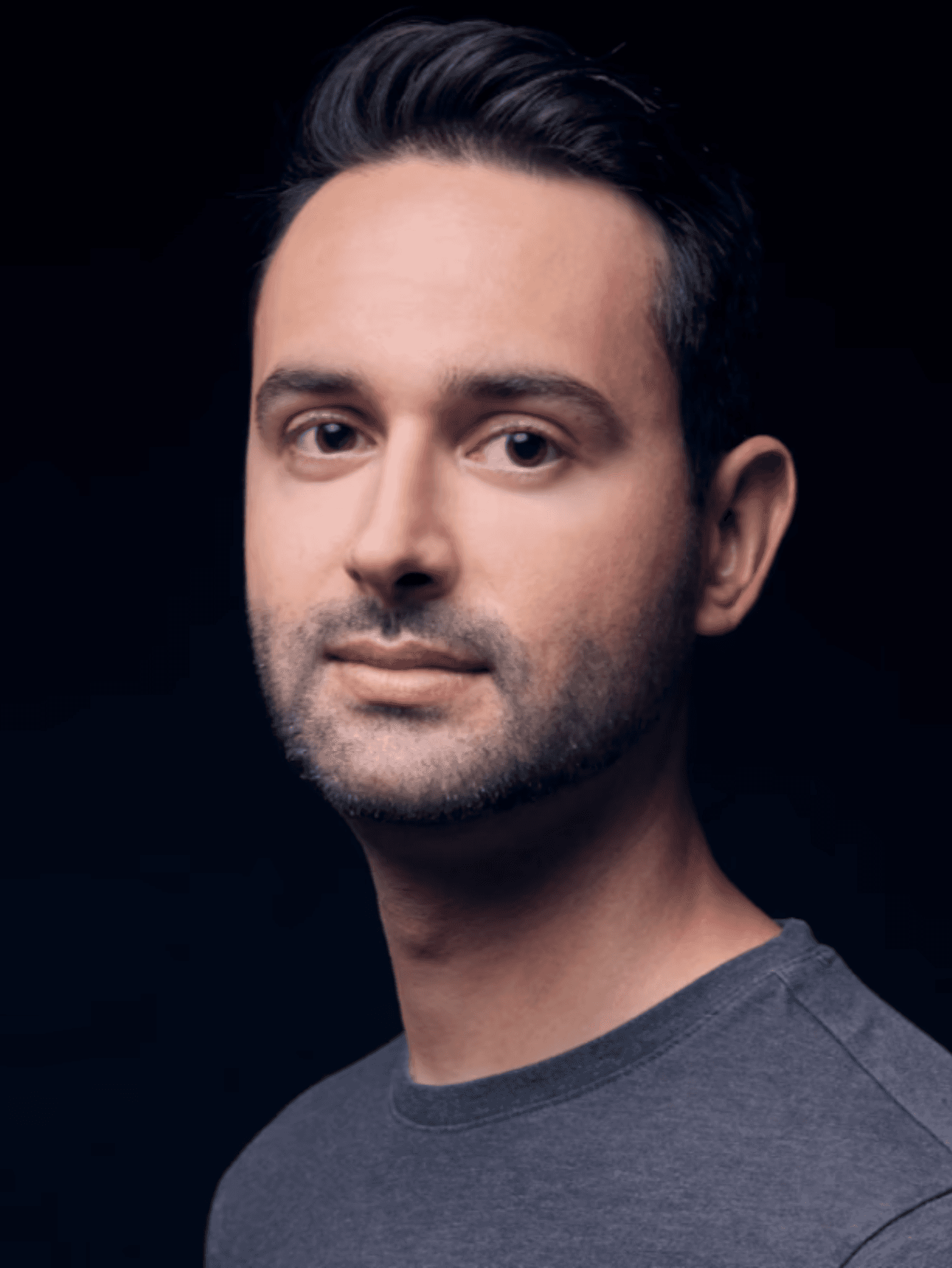
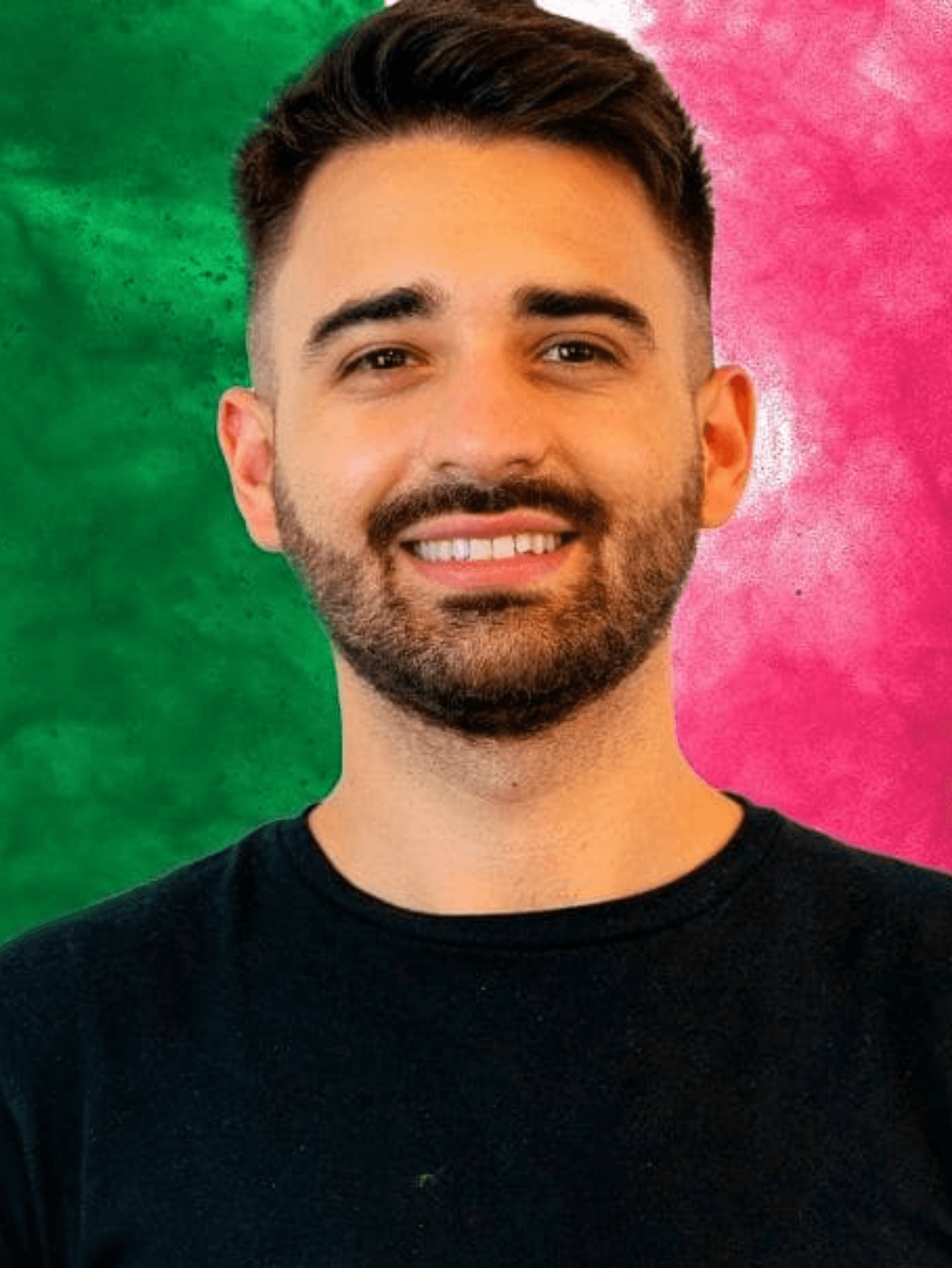
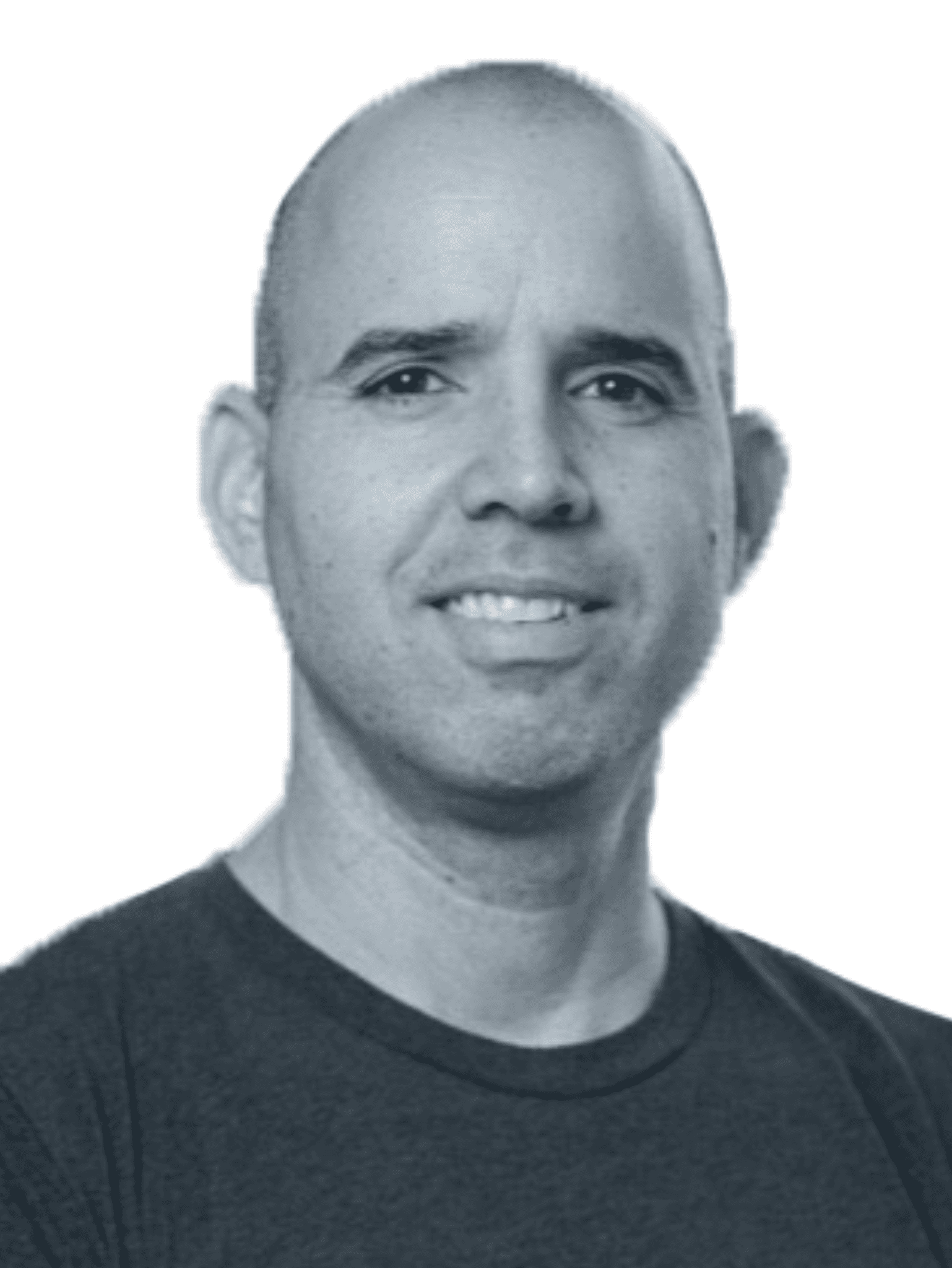
Max Unfried
Thalion
Scientific Director
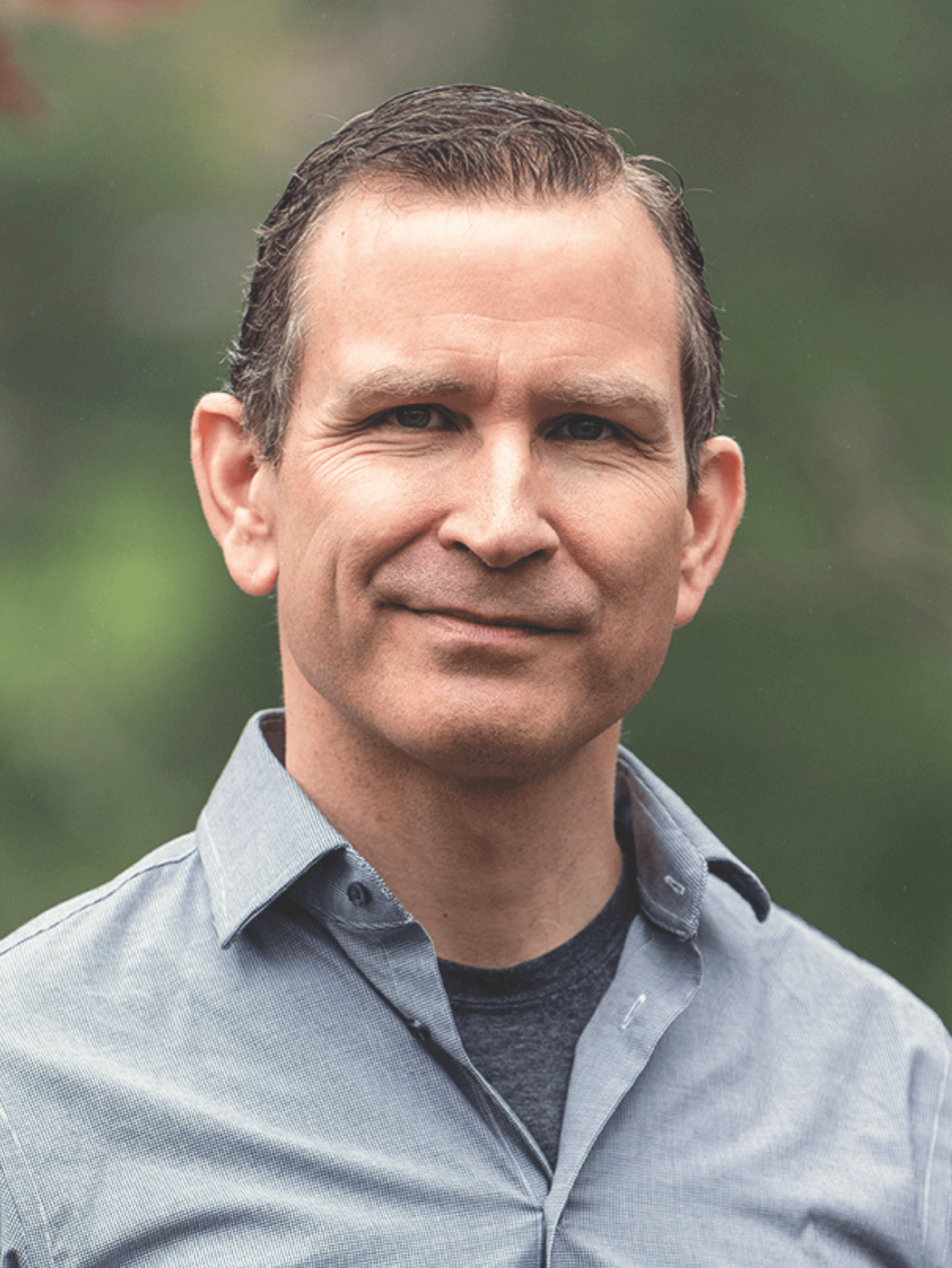
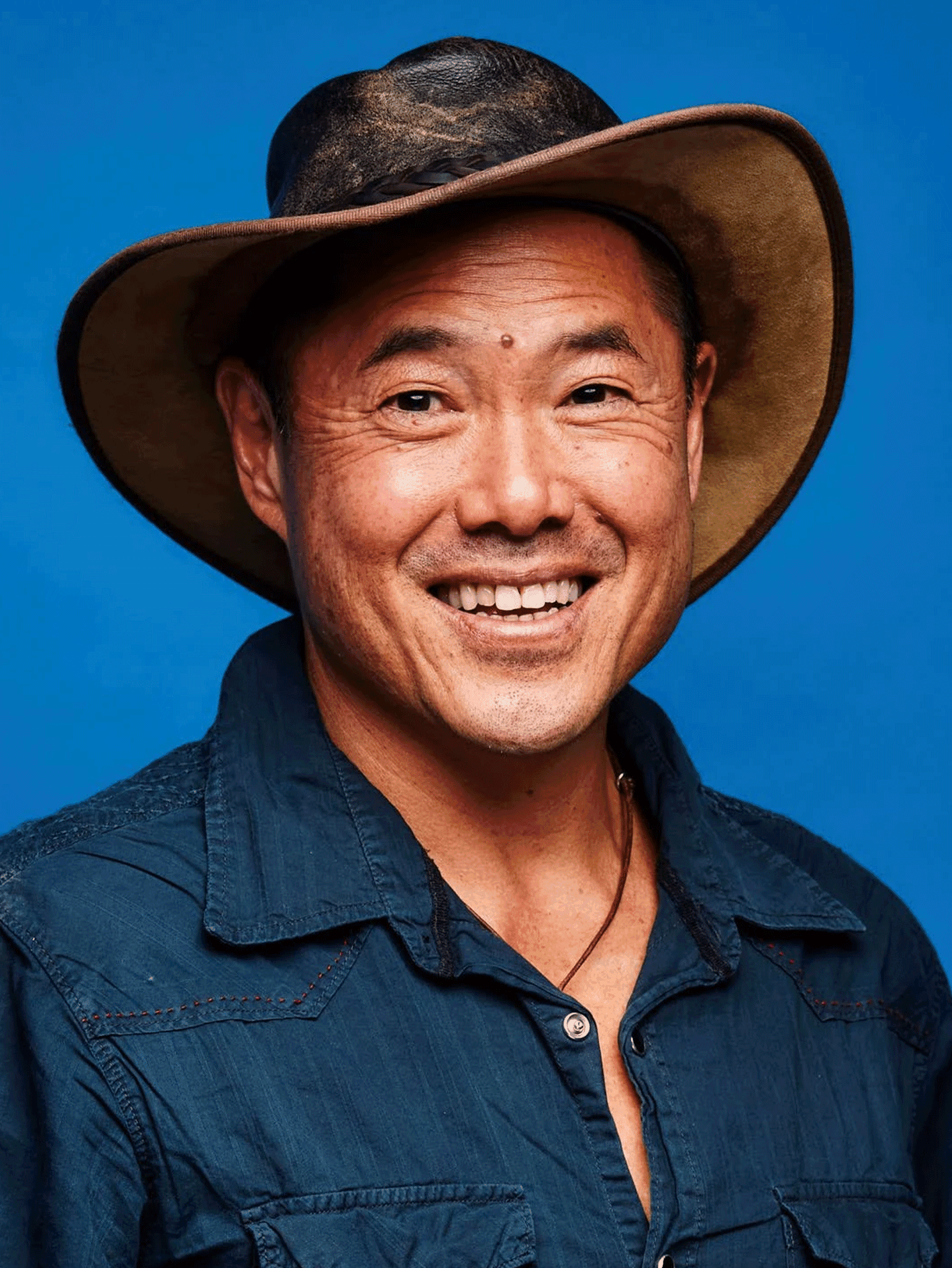
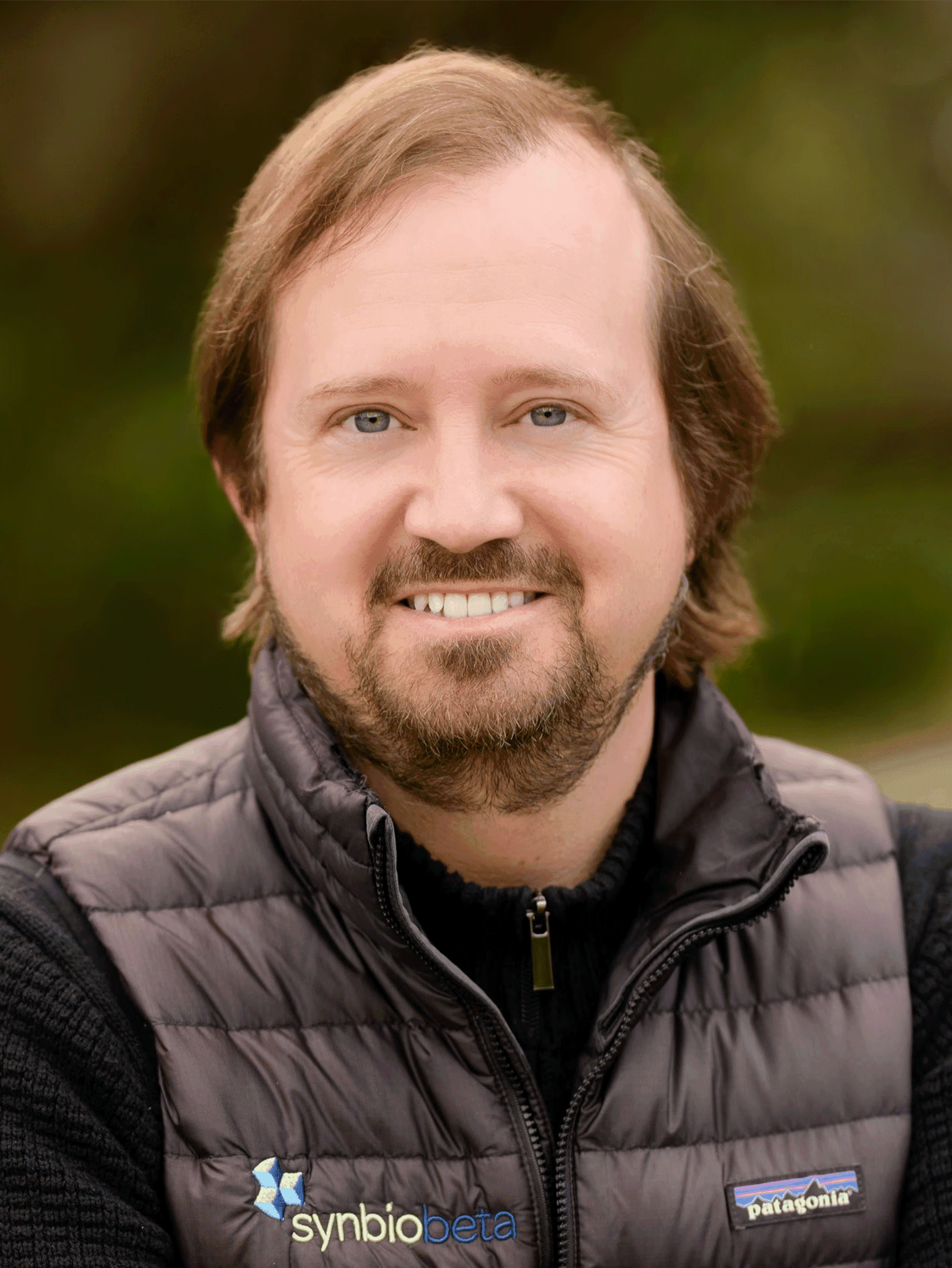
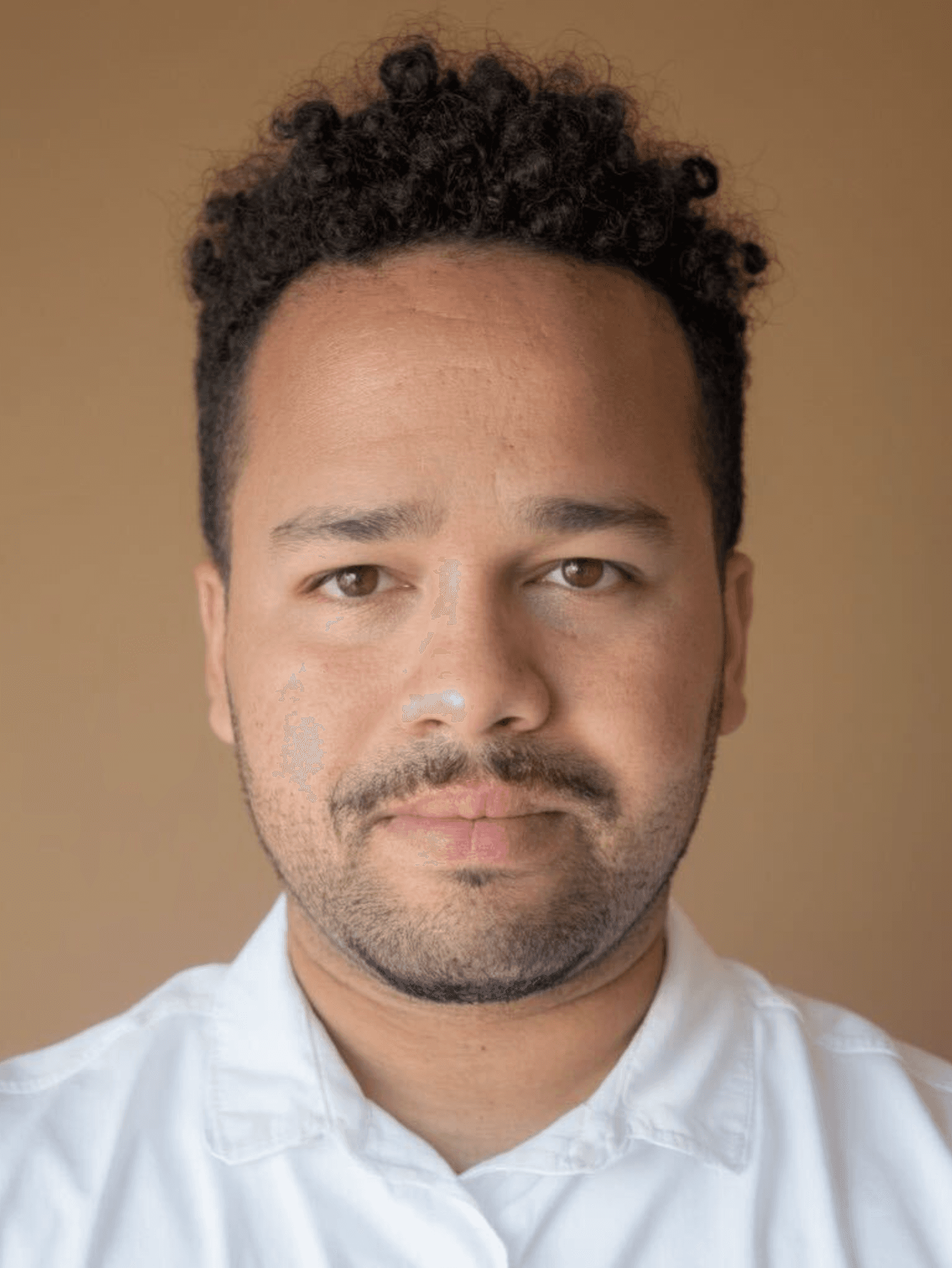
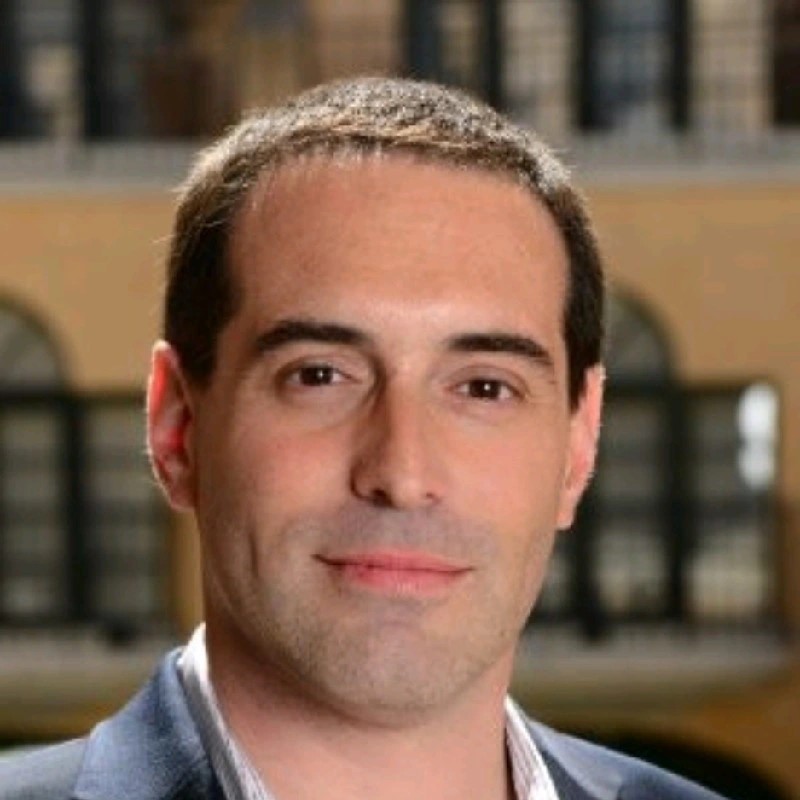
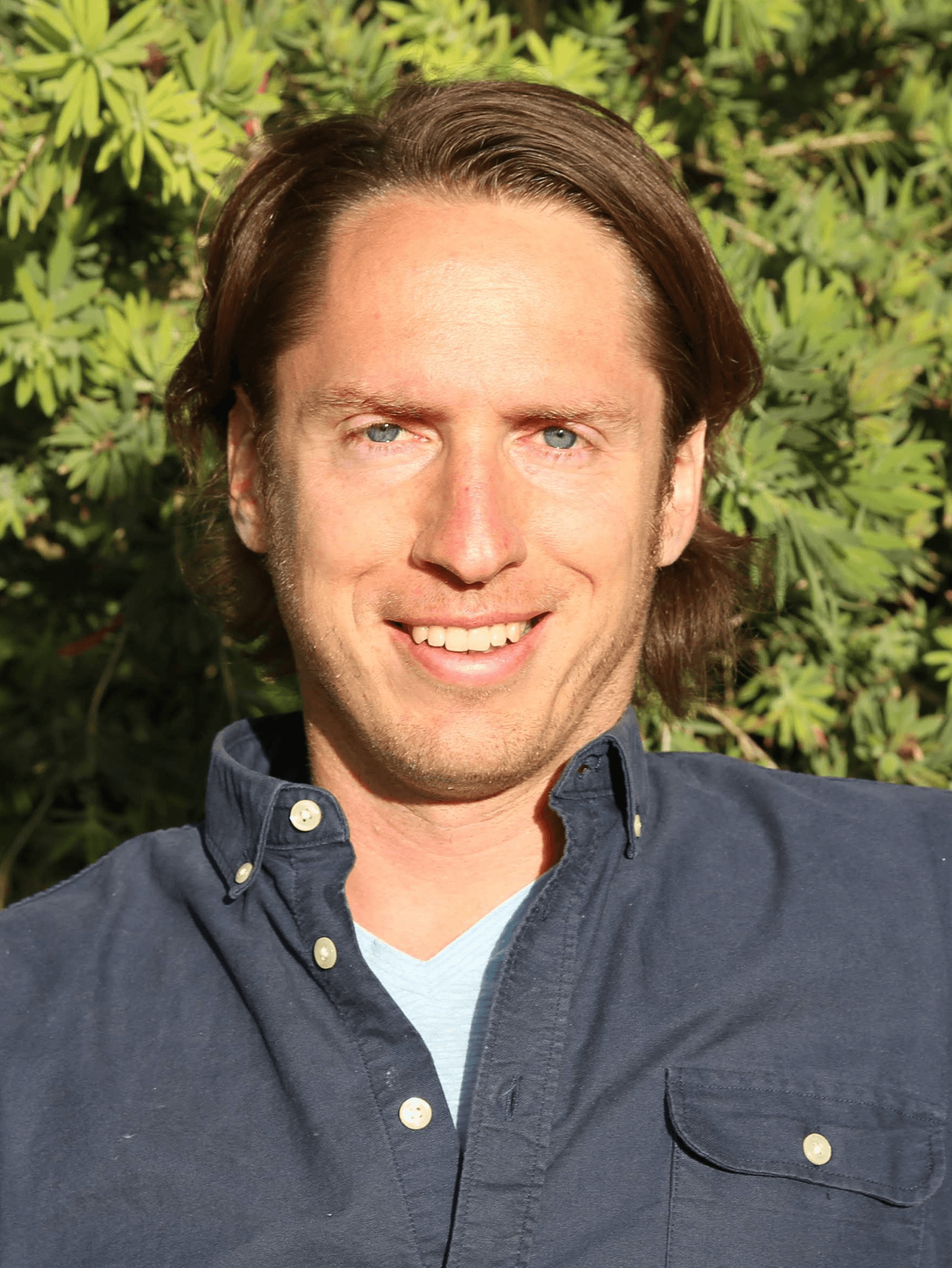
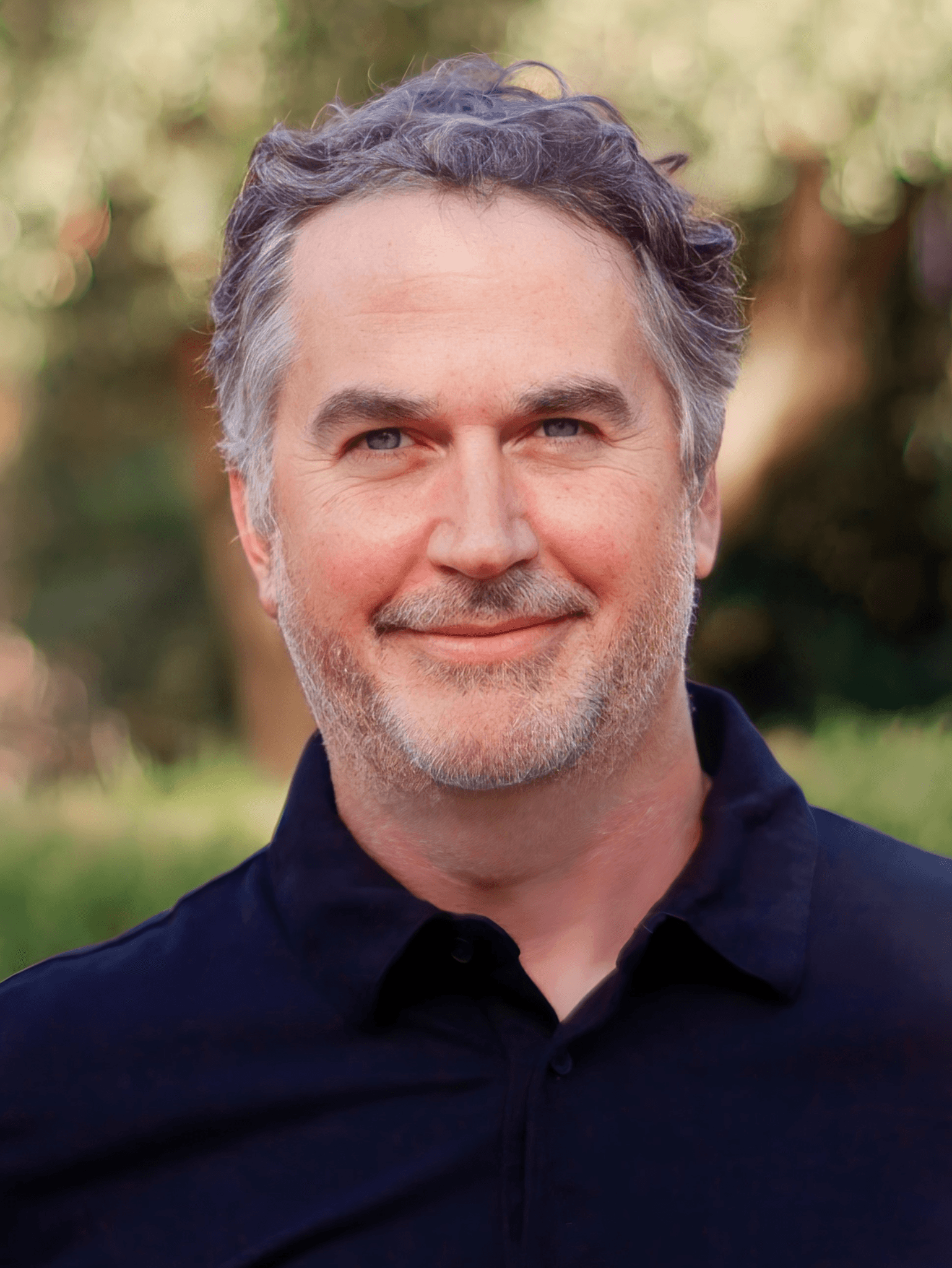
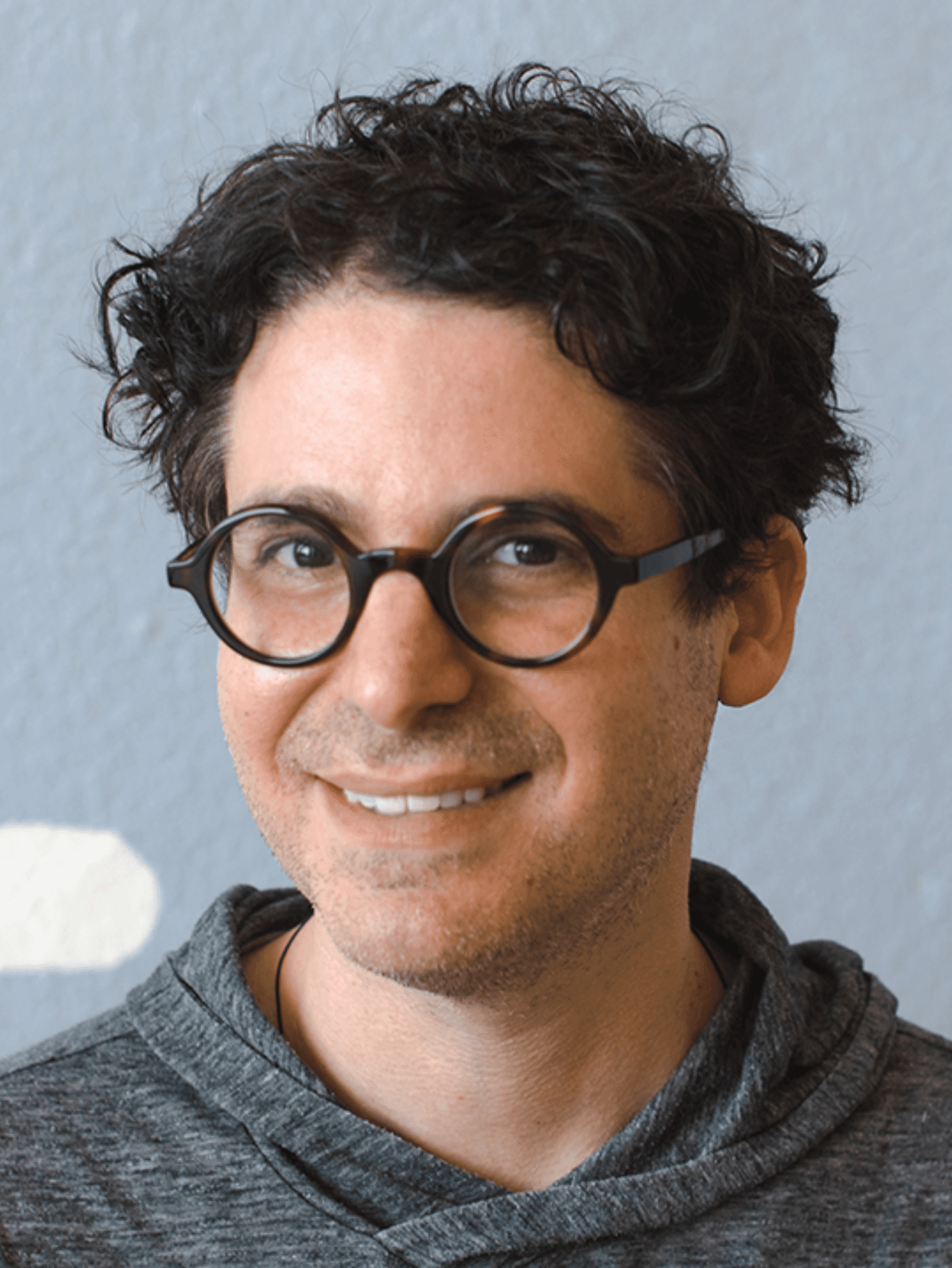
Dr. Max Unfried is the Scientific Director of The Thalion Initiative, where he leads large-scale interdisciplinary projects tackling fundamental questions in aging biology and lifespan extension. He is also a Research Fellow at the Centre for Healthy Longevity at the National University of Singapore, where his work focuses on the systems biology of aging, exploring biomarkers of cellular health and the evolutionary mechanisms governing lifespan. Max’s research integrates Artificial Intelligence, Complex Systems, and Molecular Biology to decode the complexity of aging. Bridging academic science with the business of science, he advises startups, venture capital firms, and family offices on longevity-focused innovation. A respected voice in the field, he is a frequent speaker and panelist at major longevity conferences and has received multiple awards for his contributions to aging research.


SynBioBeta 2026 Tickets are Live
Confirmed Speakers





































Sessions Featuring
Max
This Year
•
-
Longevity
Engineering Longevity: Reprogramming the Foundations of Aging
Aging is increasingly understood as a gradual loss of biological stability. DNA accumulates damage, protein homeostasis collapses, and cells drift away from youthful identities as regulatory networks lose their balance over time. These changes ripple across tissues and organs, driving many of the diseases associated with aging. Today, new tools in synthetic biology, artificial intelligence, and gene editing are revealing how these systems might be stabilized, repaired, or even reset. Researchers are engineering enhanced DNA repair mechanisms inspired by long-lived species, using AI to map the trajectories of cellular aging and uncover rejuvenating interventions, and developing therapies that restore protein metabolism to protect vulnerable tissues such as the brain. This session explores how scientists are moving beyond simply slowing aging to engineering the biological systems that maintain cellular integrity. By targeting the underlying mechanisms that govern genome stability, proteostasis, and cellular identity, researchers are laying the groundwork for a new generation of longevity therapeutics designed to restore function and resilience across the lifespan.
Purchase Pass
•
-
Longevity
Engineering Longevity: Reprogramming the Foundations of Aging
Aging is increasingly understood as a gradual loss of biological stability. DNA accumulates damage, protein homeostasis collapses, and cells drift away from youthful identities as regulatory networks lose their balance over time. These changes ripple across tissues and organs, driving many of the diseases associated with aging. Today, new tools in synthetic biology, artificial intelligence, and gene editing are revealing how these systems might be stabilized, repaired, or even reset. Researchers are engineering enhanced DNA repair mechanisms inspired by long-lived species, using AI to map the trajectories of cellular aging and uncover rejuvenating interventions, and developing therapies that restore protein metabolism to protect vulnerable tissues such as the brain. This session explores how scientists are moving beyond simply slowing aging to engineering the biological systems that maintain cellular integrity. By targeting the underlying mechanisms that govern genome stability, proteostasis, and cellular identity, researchers are laying the groundwork for a new generation of longevity therapeutics designed to restore function and resilience across the lifespan.
Purchase Pass
Session lineup still growing
Purchase Pass
Featuring
Speaker Coming Soon
•
-
Human Health
From Cells to Patients: Solving the Scale Mismatch in Virtual Biology
Drug discovery often measures biology at the cell level while interventions work at the tissue, organ, or whole-patient scale. This mismatch can make accurate cell-level predictions irrelevant in the clinic. This session dives into strategies to bridge that gap: multiscale modeling that nests single-cell dynamics within organ-level simulations, spatial transcriptomics that preserve context, and surrogate models that translate cell-level outputs into clinical biomarkers. Speakers will ask: how do we ensure virtual biology reflects not just what cells do in isolation, but how biology behaves in the real complexity of patients?
Purchase Pass
Featuring
Speaker Coming Soon