
May 4
Monday
7:00 AM - 7:00 PM
Registration
8:00 AM - 6:00 PM
Exhibit Hall Load In
5:30 PM - 7:00 PM
New Attendee Reception
May 5
Tuesday
7:00 AM - 7:00 PM
Registration
8:30 AM - 10:00 AM
Main Stage
10:00 AM - 10:30 AM
Morning Break
10:00 AM - 6:00 PM
Exhibit Hall Open
10:30 AM - 12:00 PM
Main Stage
12:00 PM - 1:30 PM
Lunch
12:15 PM - 1:15 PM
Investors Luncheon
12:15 PM - 1:15 PM
CEO's Luncheon
12:15 PM - 1:00 PM
Lunch & Learn (x3)
12:30 PM - 1:15 PM
Press Conference
1:30 PM - 3:00 PM
Main Stage
3:00 PM - 3:30 PM
Afternoon Break
3:30 PM - 4:15 PM
Breakout Sessions
4:30 PM - 5:15 PM
Breakout Sessions
5:15 PM - 6:00 PM
Exhibit Hall Cocktail Reception
6:00 PM - 7:30 PM
Welcome Reception
8:00 PM : 9:30 PM
Stand-Up Biotech Comedy Show with Austin Nasso
May 6
Wednesday
7:00 AM - 6:00 PM
Registration
8:30 AM - 10:00 AM
Main Stage
10:00 AM - 10:30 AM
Morning Break
10:00 AM - 6:00 PM
Exhibit Hall Open
10:30 AM - 12:00 PM
Main Stage
12:00 PM - 1:30 PM
Lunch
12:15 AM - 1:15 PM
Women's Luncheon
12:15 PM - 1:15 PM
Al & Bio Luncheon
12:15 PM - 1:00 PM
Lunch & Learn (x3)
1:30 PM - 3:00 PM
Main Stage
3:00 PM - 3:30 PM
Afternoon Break
3:30 PM - 4:15 PM
Breakout Sessions
4:30 PM - 5:15 PM
Breakout Sessions
5:15 PM - 6:00 PM
Exhibit Hall Cocktail Reception
6:00 PM - 7:30 PM
Sponsored Activities & Mixers
May 7
Thursday
7:00 AM - 5:00 PM
Registration
8:30 AM - 10:00 AM
Main Stage
10:00 AM - 10:30 AM
Morning Break
10:00 AM - 5:00 PM
Exhibit Hall Open
10:30 AM - 12:00 PM
Main Stage
12:00 PM - 1:30 PM
Lunch
12:15 AM - 1:15 PM
Startup & Early Stage Founder Luncheon
12:15 PM - 1:15 PM
Senior Tech Leadership Luncheon
12:15 PM - 1:00 PM
Lunch & Learn (x3)
1:30 PM - 3:00 PM
Main Stage
3:00 PM - 3:30 PM
Afternoon Break
3:30 PM - 4:15 PM
Breakout Sessions
4:30 PM - 5:00 PM
Expo Hall - Closing Remark with John Cumbers
8:00 PM - 12:00 AM
SynBioBeta Bio Beats: DJ After Party
ALL
Tue May 5
Wed May 6
Thu May 7
Tuesday
May 5
•
-
Human Health
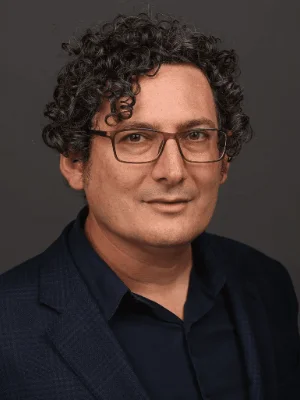
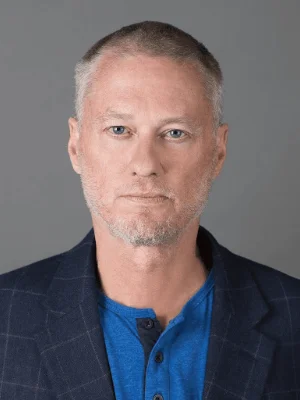
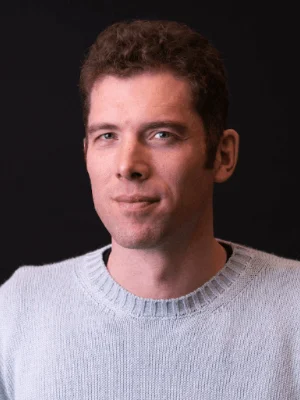
Programmable Immunity: Engineering the Universal Antivenom
For over a century, antivenoms have relied on serum extraction from animals — a process that’s costly, inconsistent, and limited to specific snake species. Today, advances in synthetic biology and antibody engineering are pointing toward a different future: a universal antivenom capable of neutralizing toxins across the world’s deadliest snakes. This session dives into the science and story behind this breakthrough — from the man who endured more than 200 bites to generate a unique immune response, to the researchers using those antibodies to design broad-spectrum, recombinant therapies. Together, they’re charting the path from survival experiment to programmable immunity.
•
-
AIxBIO
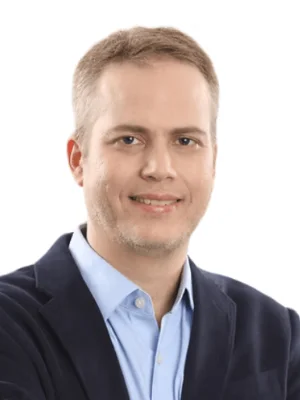
Engineering Cell Fate: A Foundation Model to Transform Biology into an Engineering Discipline
AlphaFold cracked the code of protein structure. The next major frontier is decoding the dynamic behavior of the living cell itself. A fundamental challenge in modern biology is that of precise, engineered cellular control. Cells possess their own language for communicating with each other -- cell signaling -- which directs core biological processes like development and is frequently dysregulated in disease. Remarkably, biology achieves this complexity using a surprisingly concise vocabulary: only around 20 fundamental molecular signaling pathways have been identified to date. It is the combinations and orders in which they are used that underlies how such a small number of pathways can give rise to the staggering diversity of human cell types and states. In principle, because these pathways are readily manipulated by small molecules, they provide a potent mechanism through which we could control cellular decision-making. However, despite decades of effort, we have not yet deciphered the grammar of this language. Today, the effects of a given signal are largely determined through an empirical, trial-and-error process -- due to two compounding challenges: combinatorial complexity and context dependence. This talk outlines Cellular Intelligence's solution: the construction of the first Universal Virtual Cell-Signaling Model, a platform intended to compute how any cell state will change in response to external signals. By combining the paradigm of developmental biology -- nature's own proving ground -- with our proprietary multiplexing platform, we transform cell signaling from an empirical art into an engineering discipline built for therapeutic design. We aim to unlock high-impact applications: from guided cell therapies that replace lost tissues, to context-specific drug response prediction, to new ways of modeling disease as signaling network failures. Our goal is to understand, predict, and ultimately control cellular behavior.
•
-
Human Health
Built without Bacteria: Rethinking DNA for the Next Wave of Biotechnology
Synthetic biology has changed, but the way DNA is made largely hasn’t. From mRNA therapeutics and gene editing to protein engineering and advanced vaccines, today’s most important applications demand DNA that is more accurate, more complex, and easier to use, without bacterial constraints. Yet much of the industry still depends on cloning workflows that introduce delays, contamination risk, and unnecessary limits on what can be built and how quickly teams can move. In this talk, we’ll explore why DNA remains one of the field’s most persistent bottlenecks, and why the future of DNA manufacturing will need to move beyond cloning. We’ll look at how cell-free approaches are removing bacterial constraints, and how the field is opening up through both cell-free DNA as a service and more accessible, kit-based assembly models that bring DNA manufacturing closer to the user. Together, these models have the potential to make advanced DNA easier to access, easier to integrate, and better aligned with the pace of modern biological development
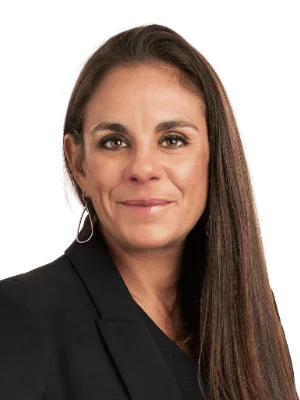
Featuring
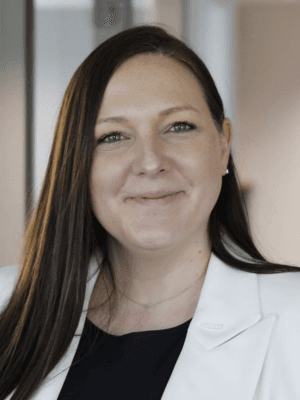
Jodi Barrientos
Ribbon Bio
CEO
•
-
AIxBIO
Designing Enzymes Without Compromise. Powered by Intelligent Architecture™
Biology will be the center of the next industrial revolution, representing a $4 trillion economic opportunity. Yet, this value remains overwhelmingly unrealised for one fundamental reason: nature never intended to power industrial manufacturing. Biology was optimized for survival, not for the high-efficiency processes required to transform the global economy. For too long, the industry has relied on incremental improvements, essentially duct-taping enzymes and calling them industrial. At Biomatter, we believe that complete freedom to design any enzyme is the only way to realize the full potential of biomanufacturing. By combining Generative AI with rigorous physics engines, our Intelligent Architecture™ platform allows us to step outside the bounds of natural selection and build enzymes from the bottom up. We are turning the "previously impossible" into routine. From liberating enzymes of their cofactor dependencies for mRNA raw materials to designing lactases that reject the trade-off between lactose removal and high GOS fiber formation, we are proving that biology’s limits are negotiable. Join us to see how we are building the enzymes nature couldn't.
•
-
Human Health
A 200 Million-Year-Old Bioreactor
As artificial intelligence dramatically accelerates the design of proteins, manufacturing has become a critical bottleneck for medical breakthroughs reaching patients. The infrastructure for producing biologics has remained largely unchanged for over fifty years, and is capital-intensive, slow to scale, and dependent on fragile supply chains. Neion Bio is replacing nearly every component of this infrastructure, from bioreactors to cell culture media, with nature’s most prolific protein factory: the chicken egg. Enabled by breakthroughs in genome engineering and stem cell technology, Neion creates genetically engineered chickens that lay eggs filled with medicines. As a result, they produce life-saving therapeutics at the cost of egg production, eliminate scale-up risk with simple breeding programs, and solve the problem of resiliency by running on grain and water. A small Neion farm can produce the global supply of essential medicines, and can be set up nearly anywhere in the world.
•
-
Planetary Health
Got to Have It: Bio-Derived Ingredients that Drive Meaningful Performance, Delight, and Craveability in Consumer Products
Biotechnology is enabling a new generation of ingredients that elevate both product performance and sustainability. In this fireside chat, leaders from Procter & Gamble will discuss how biotech is being applied across key material classes to enhance consumer products, highlighting innovations behind their latest Native launch and emerging bio-derived ingredients for hair and beauty. The conversation will also explore how biotech platforms are helping shape the future of high-performing, sustainable consumer goods.
Featuring
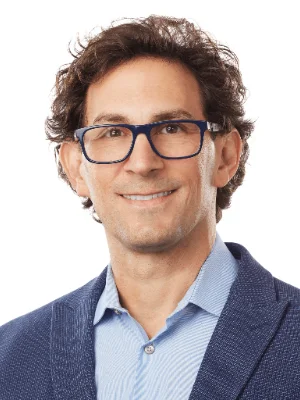
Jose Carlos Garcia-Garcia
Procter & Gamble
Sr. Dir., Research Fellow
Builds biotech “from microbes to marketplace” at consumer scale.
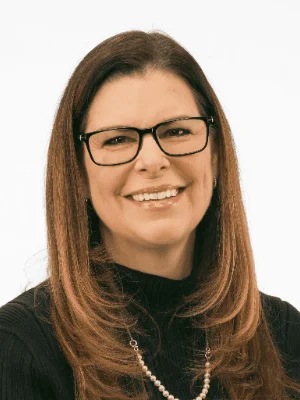
Amy Trejo
Procter & Gamble Company
Dir. Hair Care Sustain.
Bridges biology and big brands
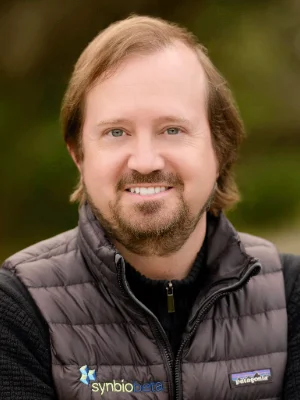
Mikah Coffindaffer
Procter & Gamble
R&D Director
John Cumbers
SynBioBeta
Founder & CEO
Founder of SynBioBeta: synthetic biology’s global connector and storyteller
•
-
Tools & Tech
A 10-Year Overnight Success: Building Twist Bioscience One Base at a Time
While Twist Bioscience may look like an overnight success, its rise reflects a decade of persistence, innovation, and platform building. In this main stage keynote, CEO and co-founder Emily Leproust shares the journey from startup vision to global leader in DNA synthesis and programmable biology, highlighting lessons learned scaling deep technology, navigating industry cycles, and building trusted infrastructure for biotech and pharma. Looking ahead, Twist is positioning itself at the forefront of the convergence between AI and biology, using DNA as an information layer to accelerate drug discovery and advance human health. This keynote explores how long-term thinking and bold ambition are shaping the next era of AI-driven therapeutics.
•
-
AIxBIO
Decoding the Grammar of Protein-Protein Interactions: A Function-First Paradigm Shift
While the industry has seen massive AI breakthroughs lately, predicting actual biologics affinity and immunogenicity remains the industry's greatest challenge. DeepSeq.AI is driving a paradigm shift from "Structure-First" to "Function-First" by training protein language models on billions to trillions of experimental protein interactions in a single experiment. This enables high-fidelity mapping of biologics against a broad spectrum of critical antigens, including viruses, human immune receptors, and the entire human proteome. Such scale is critical for designing broad-spectrum biologics that remain safe and effective against evolving variants. Validated by Genentech and funded by DARPA and the NSF, our platform further scales to human proteome profiling for pharmacokinetics optimization. In this presentation, we will share this novel platform that decodes the "protein-protein interaction grammar" to advance candidates into the clinic with unprecedented accuracy.
Featuring
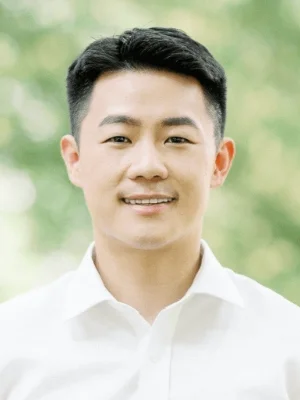
Andrew Chang
DeepSeq.AI
CEO
•
-
Human Health
From Cells to Patients: Solving the Scale Mismatch in Virtual Biology
Drug discovery often measures biology at the cell level, while therapies must ultimately work across tissues, organs, and whole patients. This scale mismatch means that even highly accurate cellular predictions can fail to translate in the clinic. This session explores strategies to bridge that gap. How do we connect single-cell dynamics to organ-level physiology and patient outcomes? How do we preserve biological context while scaling models? And how do we ensure that virtual biology does not stop at simulation, but informs real therapeutic decisions? Speakers will discuss multiscale modeling that links molecular and cellular systems to higher-order biology; spatial and high-dimensional phenotypic data that retain context; and integrated computational–experimental loops that translate cellular signals into clinically meaningful biomarkers. Together, we ask: how do we ensure virtual biology reflects not just what cells do in isolation, but how biology behaves in the full complexity of patients?
Featuring
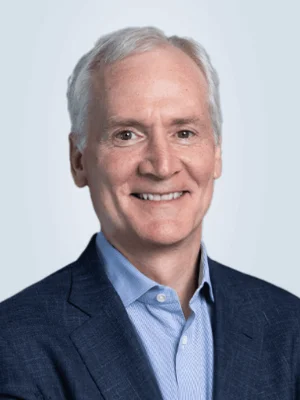
Marc Tessier-Lavigne
Xaira
Chairman & CEO
Neuroscience pioneer and former Stanford president building AI biotech.
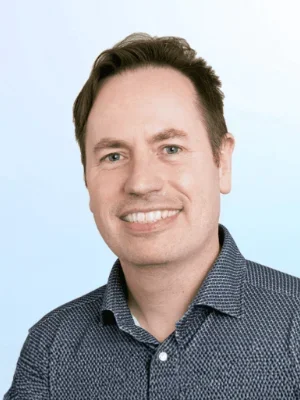
Kim Branson
GlaxoSmithKline
SVP, Global Head
Drug-discovery AI architect turning data into medicines.
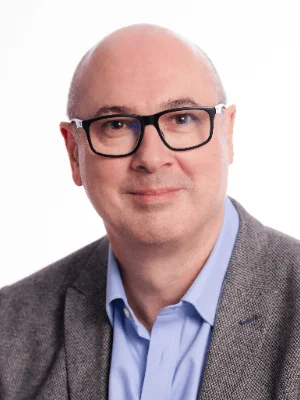
David Hallett
Recursion
CSO
Veteran “drug hunter” leading Recursion’s industrialized, AI-driven discovery.
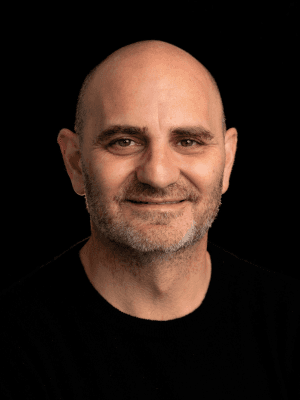
Ron Alfa
NOETIK Inc.
Co-Founder & CEO
Physician-scientist and Recursion veteran building AI cancer therapeutics.
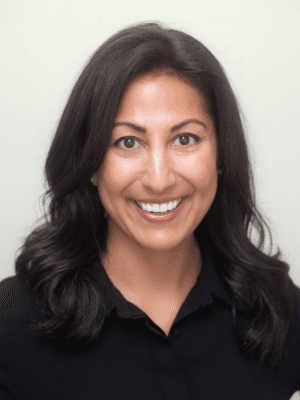
Stacie Calad-Thomson
NVIDIA
BD, Life Sciences
•
-
Biomanufacturing
inGenius®: Engineering Biology Beyond the Hype
For 20+ years, the synthetic biology community has generated breakthrough targets, but too many continue to stall at the same choke points: freedom-to-operate, productivity, process robustness, CMC readiness, and the leap from “works in the lab” to “works at scale.” In this lightning talk, Ingenza will share how we’ve repeatedly helped teams cross that valley of death, turning innovative discoveries into manufacturable realities across industrial biotech and therapeutics. We’ll spotlight our inGenius® platform: a proven panel of high-performing microbial and mammalian production hosts paired with AI/ML-driven enzyme discovery and gene design optimisation (codABLE®), scalable upstream and downstream platform process workflows, and a comprehensive suite of high-end analytical tools that accelerate and de-risk the path from early discovery to market readiness. Powered by 20+ years of successful delivery, expect rapid, real, case study driven lessons from the front lines: what fails most often, what fixes it fastest, and how to design with manufacturability from day one without slowing innovation. If you’re engineering biology to improve human health or the planet, this talk is your shortcut to faster timelines and better outcomes that help SynBio move at the speed it promises.
•
-
Biomanufacturing
When Bioreactors Learn to Think for Themselves
Any device designed for human operators is ultimately limited by human cognitive bandwidth. Modern biological manufacturing still relies heavily on human operators to monitor and adjust living fermentation processes in real time, a bottleneck that limits scale and consistency at both R&D and commercial scale. Pow.Bio co-founder and CTO Ouwei Wang will reveal how building an AI-driven control platform - one that layers predictive simulation, self-optimization, and autonomous decision-making in a system managing these processes without human intervention - is turning biomanufacturing from an art into an autonomous science.
Featuring
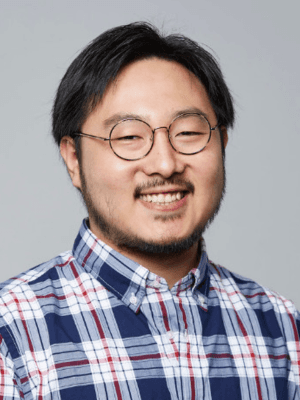
Ouwei Wang
Pow.Bio
CTO & Co-founder
•
-
Planetary Health
Fertilizer Feeds the World. It’s Time to Reinvent it with Biology
Modern agriculture runs on synthetic nitrogen fertilizer—a system that feeds the world, but depends on energy-intensive production and fragile global supply chains. Every few years, a crisis reminds us how vulnerable it is. Biology has long promised an alternative, but making nitrogen-fixing microbes work reliably in the field has remained one of the hardest challenges in synthetic biology. At Switch Bioworks, we’re taking a new approach: engineering microbial systems that dynamically control nitrogen release directly on plant roots. This talk will cover what has held the field back, what’s changing now, and how biology could fundamentally reshape one of the largest industries on Earth. It's time to reinvent fertilizer. Its time to Switch.
•
-
Tools & Tech
Diamonds, Lasers, and AI: Next-Gen Tools for Bioprocess Monitoring
Current bioprocess monitoring is limited to basic environmental proxies like pH and dissolved oxygen. Schmidt Sciences is changing this paradigm by adapting advanced physics for biology. This talk introduces three cutting-edge sensing platforms currently in development: fluorescent nanodiamonds, single-cell Raman spectroscopy, and non-invasive optical frequency combs. Join us to learn how these high-dimensional data streams are being integrated with machine learning to predict campaign outcomes and revolutionize how we monitor cell health at scale.
•
-
Business of Biology
Investor Roundtable Luncheon
Once a year we put the investors in a room by themselves. No startups. No pitches. No slides. Just the people actually moving capital across biotech and synthetic biology, talking honestly about what they're seeing: what's working, what might be overhyped, and where the real opportunities are right now. It's the conversation you can't have when founders are listening. It's invitation-only and space is limited
Featuring
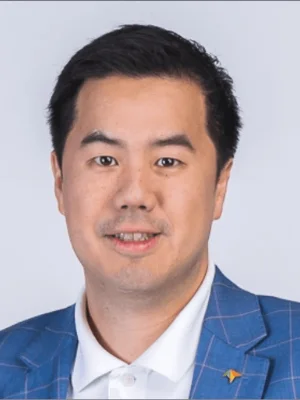
Kid Parchariyanon
SeaX Ventures
Managing Partner
Physician-turned VC backing exponential deeptech and synbio.
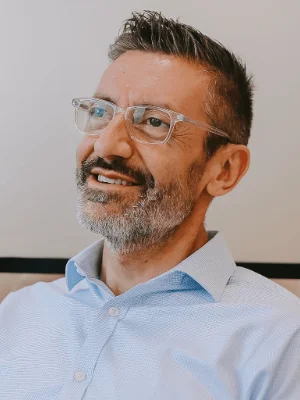
David Welch
Synthesis Capital
CSO & Co-founder
Alt-protein scientist-investor, ex-Good Food Institute tech strategist.
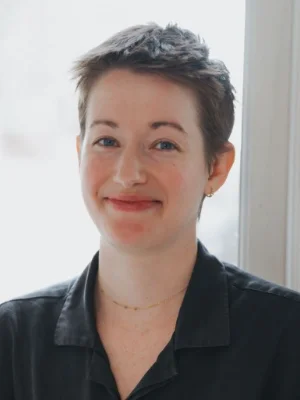
Shelby Newsad
Compound
Partner
Scientist-turned-investor funding bold biotech bets.
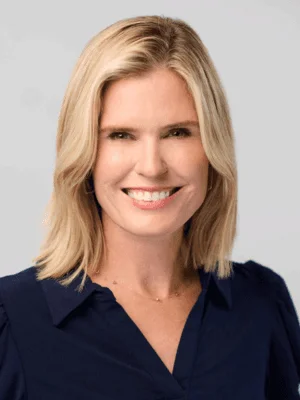
Jessica Owens
Initiate Ventures
Managing Partner
Venture-studio builder, backing tech-bio moonshots.
•
-
General
Next Gen Bio Leaders Luncheon
This special luncheon brings together the rising stars of synthetic biology and biotechnology. Each participant has been hand selected as part of this year’s Next Gen Bio Leaders program, recognizing a group of exceptional individuals who represent the next wave of innovators, founders, and industry leaders shaping the future of the bioeconomy. In this invitation-only gathering, attendees will have the opportunity to connect with fellow honorees, share ideas, and build relationships with peers who are pushing the boundaries of science, technology, and entrepreneurship. Join us for a celebratory and inspiring conversation with the best of the next generation of bio leaders.
Featuring
Speaker Coming Soon
•
-
Tools & Tech
Berkeley Lab: Leading the way in DOE-funded AI for Biosciences
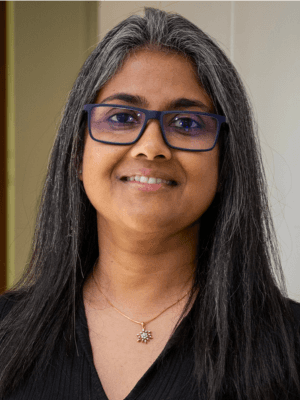
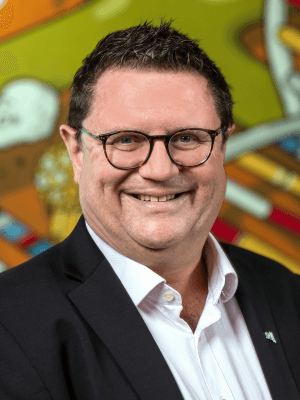
Berkeley Lab is transforming and creating large-scale, multi-modal data to train AI models for usable predictions. The Lab is creating data lakehouses that allow programmatic access for querying across data types. This effort includes generating integrated, multi-omics and high-quality datasets that allow modeling of dynamic biological systems; this requires accurate annotation, curation, and accompanying metadata.
•
-
AIxBIO
Agentic AI: A Biomodeling Revolution in the Making
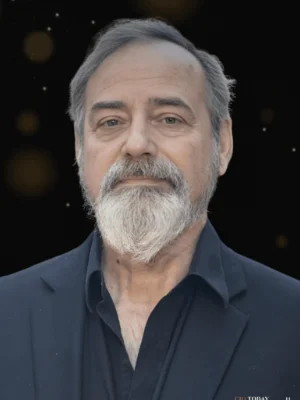
This talk will introduce the development of artificial Agents to model biological phenomena in molecular biology, biotechnology, and synthetic biology incorporating reinforcement learning, differential equation modeling of molecular dynamics, and agentic bio-causal reasoning. Agent to agent interaction with the A2A and PoR protocols, and MCP and API interfaces to Machine Learning (Neural Network) Models including causal reasoning models and bio-specific models will be discussed. Synthetic biology deals with huge possibility spaces in terms of the combinatorics of nuceotide and proteomic sequences in proposed novel genes and proteins and how to constrain possibility spaces into computable functional novel genes, genetic circuits, gene regulatory networks and novel functional proteins will be discussed. Hence the sheer complexity of biological phenomena requires advanced Agentic AI and machine learning models to efficiently process, find patterns in, and reason about these complex systems with hundreds of thousands of variables, millions of connections, and potentially trillions of parameters. The current state of Agentic Bio research will be covered and where the research needs to go will be elucidated. Finally an application of Agentic Inter and Intra-cellular Signaling will be presented in detail to see the nuts and bolts of how Agentic AI can model a biological phenomenon with molecular biological, medical, and synthetic biological applications. The presenter’s background includes advanced degrees in computer science and computational molecular biology with experience in bio-computational modeling including a computational neuroscience project at Stanford where the neurogenetic and synaptic development of the C.elegans’ brain was modeled. Synthetic Biology: the possibility spaces are endless!
•
-
General
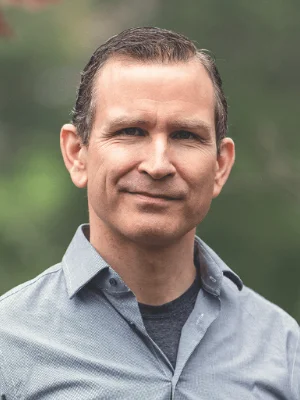
"Book Signing" Meat: How the Next Agricultural Revolution Will Transform Humanity's Favorite Food―and Our Future
•
-
General
Press Conference
This press conference at SynBioBeta 2026 brings together members of the media with key voices from across the synthetic biology and biotechnology ecosystem. The session will highlight major announcements, emerging innovations, and important themes shaping the future of the industry, while offering press the opportunity to hear directly from leaders and innovators participating in the conference.
Featuring
Speaker Coming Soon
•
-
AIxBIO
Designed, Not Discovered: From Prompt to Drug-Like Antibody
Drug discovery has long meant screening vast libraries and optimizing whatever survives. Semiconductors and aircraft broke from this pattern, designed computationally before fabrication. Biologics may now be crossing the same threshold. Generative AI enables antibodies to be designed from first principles, rather than found. Latent-X2 generates drug-like candidates with developability and low ex vivo immunogenicity from the first generation, properties that previously required years of optimization, matching or exceeding approved therapeutics in head-to-head comparisons. Latent-Y extends this into fully autonomous campaigns: from text prompt through target analysis, candidate design, and computational validation, to lab-ready sequences. Across nine targets, it produced confirmed binders against six, a 67% success rate at single-digit nanomolar affinities, completed 56 times faster than expert estimates. In this keynote, Simon Kohl (CEO, Latent Labs) will share what this shift looks like in practice: what works, what remains hard, and what it means when the starting point is no longer a library, but a prompt.
Featuring
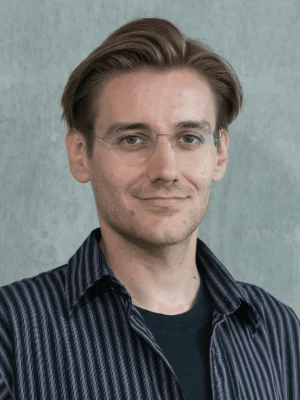
Simon Kohl
Latent Labs
Founder & CEO
•
-
Tools & Tech
25 Years of the PURE System: Rebuilding Cell-Free Protein Synthesis for the Future
The PURE system, invented 25 years ago, established a fully reconstituted approach to cell-free protein synthesis. What began as a system to better understand translation has evolved into a versatile platform for engineering biology. This talk highlights how PURE-derived platforms such as PUREfrex® enable rapid prototyping, high-throughput screening, and AI/ML-driven optimization, accelerating synthetic biology and next-generation biologics development.
Featuring
Speaker Coming Soon
•
-
Planetary Health
Using Science to Remake Meat: The Next Agricultural Revolution
Meat is one of the world’s most complex biomanufacturing systems—and also one of its least optimized. For 12,000 years, we’ve cycled crops through animals to make meat. Drawing from his new book Meat, Bruce Friedrich contends that advances across science and engineering now make it possible to produce meat far more efficiently, which will reduce meat’s contribution to hunger, climate change, deforestation, antibiotic resistance, and pandemic risk. Most importantly for the success of alternative meats, these new technologies will also improve food security and add to GDP for the nations that lean in. It’s been exactly ten years since the first plant-based burgers were introduced and also exactly ten years since the first cultivated meat companies were incorporated. Bruce will reflect on how far we’ve come, how far we have to go, and what it's going to take to get there. Welcome to the next agricultural revolution—courtesy of science.
•
-
AIxBIO
From Cells to Simulation: Building the Data Engine for Predictive Human Biology
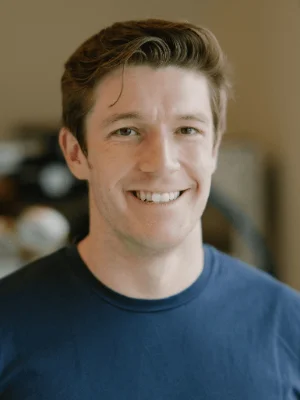
The primary barrier to a general-purpose biological simulator, (a model that can actually predict the phenotypic level response of the human body to any intervention), is not a lack of compute, but the absence of causal, human-relevant datasets. In this talk, Matt Osman outlines emerging approaches to address this gap through iPSC-derived tissues that function as both therapeutic platforms and scalable engines for data generation. Polyphron explores why high-fidelity human tissue is uniquely capable of capturing emergence, where molecular interactions translate into functional outcomes, and why generating this data across diverse genotypes is essential to building true ground-truth datasets. By closing the loop between lab-grown tissue and clinical outcomes, this approach points toward a shift from sparse, mechanism-limited data to a more predictive and programmable framework for human health.
•
-
Tools & Tech
Engineering Resilient Pharma Supply Chains with Biology
For decades, pharmaceutical supply chains were optimized for cost and scale, stretching across continents to source critical active ingredients. But fragility has made resilience a strategic imperative. Synthetic biology offers a new model: onshoring the production of essential APIs by programming cells to manufacture small molecules, peptides, and novel amino acids with precision and scalability. Instead of relying on distant chemical supply networks, biology becomes the factory—flexible, distributed, and programmable. This session explores how engineered microbes and directed evolution platforms are rebuilding pharma supply chains from the molecular level up, enabling secure, responsive, and locally anchored production of the medicines the world depends on.
Featuring
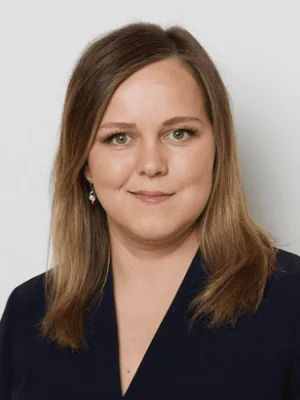
Ola Wlodek
Constructive Bio
CEO
Leader in Non-Canonical Amino Acids and genome design
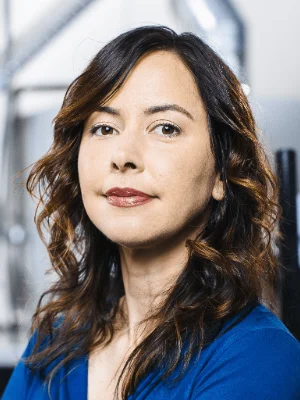
Christina Smolke
Antheia
CEO & Co-Founder
Synthetic-biology pioneer decoupling medicines from fragile supply chains.
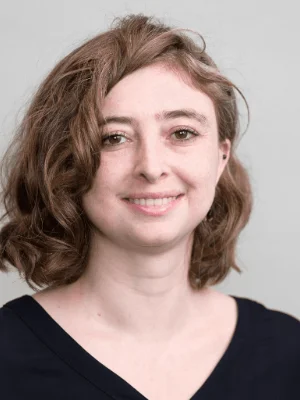
Tina Boville
Aralez Bio
Co-founder & CEO
Enzyme engineer expanding peptide chemistry’s noncanonical frontier.
•
-
Planetary Health
Everyday Bio: Understand the Bio-Products Consumers Love—and Why
Biotech is no longer behind the scenes—it’s on our shelves, in our homes, and part of our daily routines. From sustainable haircare to household cleaning, and high-performance materials, bio-based innovations are redefining everyday consumer experiences. This session explores what drives adoption, how brands communicate the value of biology, and why trust, transparency, and performance are key to building loyalty. Join us to hear from the companies making biology irresistible, accessible, and seamlessly integrated into daily life—and learn what it takes to create bio-products consumers truly love.
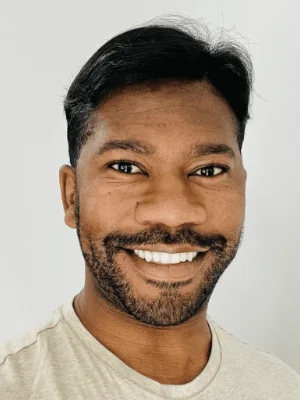
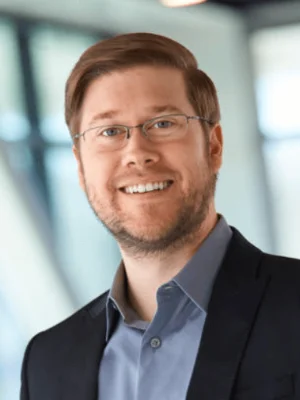
•
-
AIxBIO
Beyond Static Predictions — AI for Protein Dynamics and Multi-Cell Models
The next frontier of biology isn’t in predicting a single static protein structure, but in capturing how proteins move, fold, and interact across time and environments. This session explores how AI can illuminate protein conformations and dynamics, and extend those insights into virtual multi-cellular or tissue models. Experts will discuss the challenge of integrating heterogeneous datasets and instruments, and how breakthroughs in dynamic modeling could reshape drug design, disease understanding, and biomanufacturing. Can we build models that reflect the living, breathing complexity of biology—not just snapshots, but motion?
Featuring
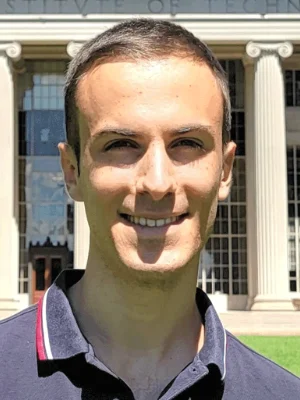
Gabriele Corso
Boltz
CEO
Built DiffDock and the Boltz open-source models reshaping drug discovery.
Peter Clark
Novo Nordisk
VP, CDD
Computational drug-design leader, shipped candidates from CAR-T to peptides.
Theofanis Karaletsos
Achira
Co-founder
Tanja Kortemme
UCSF
Vice Dean of Research
De novo protein-design pioneer; NIH Pioneer Award winner.
Elliot Hershberg
Amplify Partners
Partner, Author
Driving the Century of Biology
•
-
Biomanufacturing
Full Stack Bio: How Can Biotech Collaborate to Achieve Scale with Competitive COGS
Scaling bio-based products requires integrated technical collaboration across strain engineering, fermentation, downstream processing, and analytics. Full-stack approaches—where startups, CDMOs, and platform technology providers align early on—can optimize yield, reduce variability, and lower cost of goods (COGS) at commercial scale. This session explores case studies of cross-company collaboration, from co-development of microbial strains and bioreactor designs to shared process analytics and predictive modeling. Hear how teams are breaking down technical silos to accelerate scale-up, improve reproducibility, and create competitive, sustainable manufacturing solutions that bring synthetic biology products from the lab to the market efficiently.
Featuring
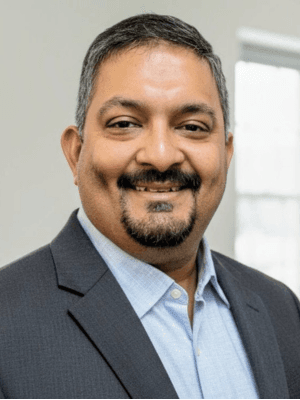
Babu Raman
Corteva Agriscience
External Collab. Portfolio Leader
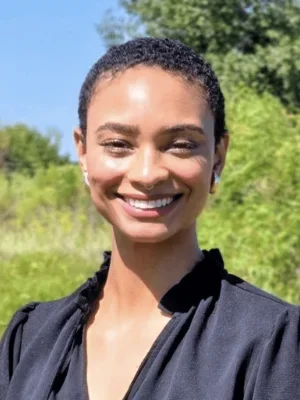
Colby Adolph
Evonik
Sales Director
Fermentation scale-up connector: turning prototypes into manufacturable reality
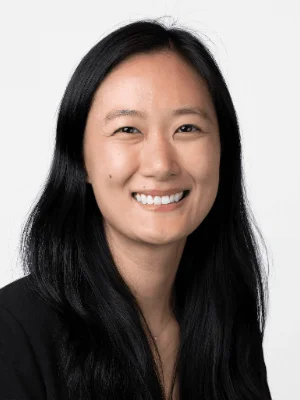
Ling Li
ADM
Dir. Market Dev., Prec. Ferm.
Precision fermentation dealmaker bridging startups, scale, and brands
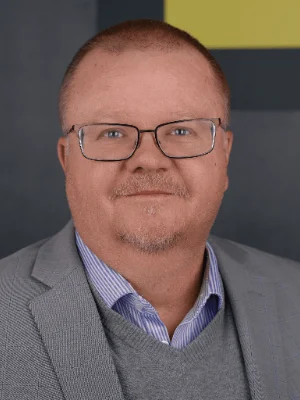
Eric Lee
Primient
Director, B&D - Fermentation
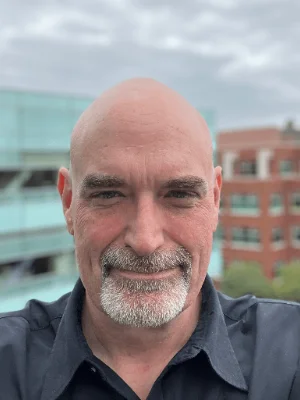
Blake Simmons
LBNL
Dir. Bio. Sys & Engg
Ionic-liquid biomass deconstruction pioneer; National Academy of Inventors fellow.
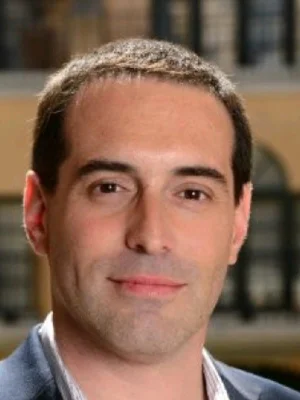
Jamie Bacher
Huxley Project
Principal
Ag-biotech veteran guiding tech to market.
•
-
Tools & Tech
Breaking the Barriers of DNA Synthesis: Shattering the Ceiling?
For decades, DNA synthesis has been the limiting reagent in synthetic biology — reliable for short sequences, but increasingly error-prone and costly as designs scale. That ceiling is now cracking. New enzymatic synthesis platforms, error-correction chemistries, and assembly pipelines are extending what’s possible, opening the door to rapid construction of full pathways, microbial genomes, and even mammalian chromosomes. This session will explore how innovators are breaking past barriers, what technical and economic breakthroughs are needed next, and how longer, cheaper, and faster synthesis could fundamentally change how we design biology at scale.
Featuring
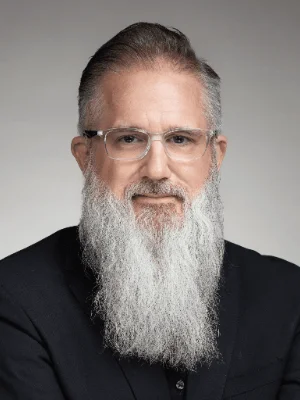
Jason Gammack
Ansa Biotechnologies
CEO
Turning DNA synthesis into a predictable, on-time “reagent.”
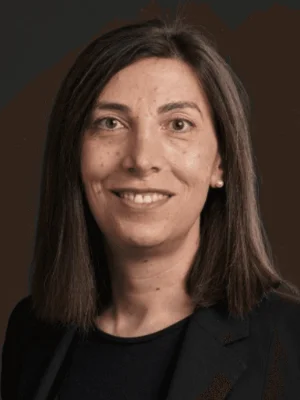
Emily Leproust
Twist Bioscience
CEO
Leader in DNA Manufacturing, put DNA writing on silicon.
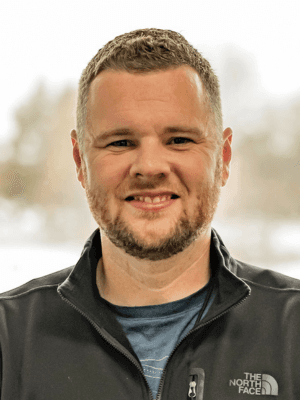
Christopher Vakulskas
Integrated DNA Technologies
Sr. Dir. of Enzyme Dev.
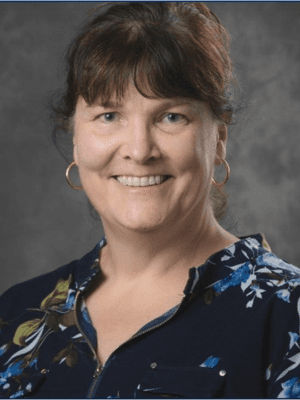
Monique Coy
Corteva Agriscience
Program Leader
Jodi Barrientos
Ribbon Bio
CEO
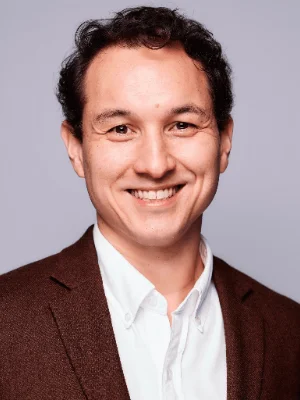
Andrew Han
Ion Genomics
Editor
GenomeWeb editor covering sequencing and diagnostics markets.
•
-
Tools & Tech
Beyond Nature’s Alphabet: The Rise of Programmable Biomolecules
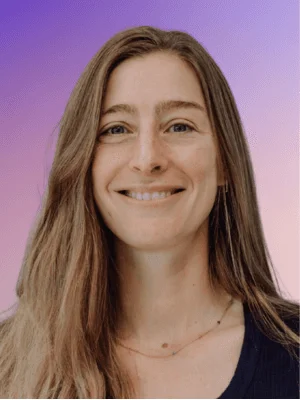
Biology has long relied on a limited molecular vocabulary shaped by natural evolution. Today, that alphabet is expanding. Advances in expanded genetic codes, non-canonical amino acids, macrocycles, de novo design, and AI-guided protein engineering are enabling scientists to create biomolecules with properties and functions that nature never evolved. This session explores the rise of programmable biomolecules at the intersection of biology, chemistry, and computation. Rather than simply optimizing existing proteins, researchers are building entirely new classes of functional molecules with novel architectures, chemistries, and therapeutic potential. From next-generation biologics to hybrid molecular scaffolds, the discussion will examine how the field is moving beyond nature’s defaults and toward a future where biomolecules can be designed with increasing precision, flexibility, and intent.
•
-
Tools & Tech
AI Co-Scientists: From Pipettes to Protocols
Biology is entering an era where AI agents don’t just analyze data — they co-design, plan, and execute experiments. Multi-agent systems like CRISPR-GPT demonstrate how AI can act as a true lab co-pilot: decomposing complex genome editing projects into stepwise workflows, selecting tools, troubleshooting, and even drafting protocols that allow junior researchers to perform sophisticated edits on their first attempt . Beyond CRISPR, new systems like BioMARS integrate reasoning agents with robotics, while biotech companies are testing “AI lab assistants” that monitor and adjust experiments in real time. This session explores how multi-agent copilots are making biology more reproducible, democratizing complex workflows, and pushing the boundaries of lab autonomy. The central question: when AI can plan, troubleshoot, and validate experiments end-to-end, how should scientists and institutions govern this new power?
Featuring
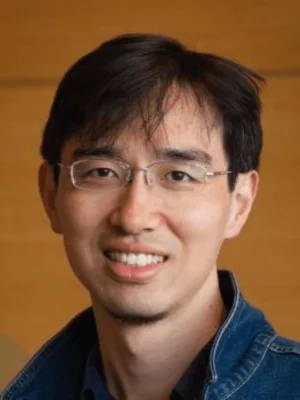
Le Cong
Stanford University
Associate Professor
CRISPR-GPT creator: AI co-pilot for gene editing.
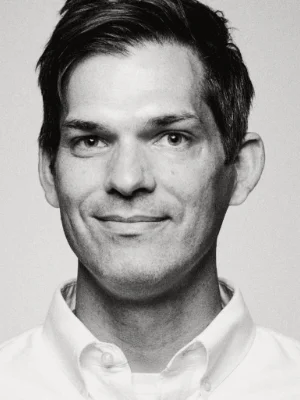
Nick Edwards
Potato
Founder & CEO
Building "AI scientists" that automate closed-loop discovery.
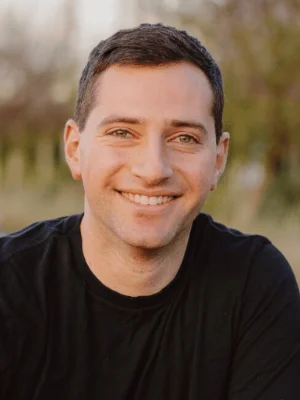
Nicholas Larus-Stone
Benchling
Head of AI Agents
Bits in Bio founder building AI agents for science.
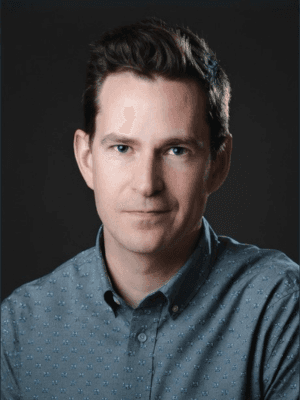
Will Serber
Ginkgo Bioworks
GM, Automation
•
-
Planetary Health
DNA Over Dynamite: How Biomining is Transforming Resource Recovery
Mining has long relied on brute force and chemistry, but biology is opening a new frontier. Biomining uses engineered microbes to extract metals and minerals with precision, efficiency, and far less environmental impact than traditional methods. From rare earth elements essential to clean energy to critical metals powering electronics, synthetic biology is reshaping how we source the building blocks of modern life. This session spotlights innovators designing bio-based recovery systems, scaling sustainable solutions, and reimagining resource extraction.
Featuring
Speaker Coming Soon
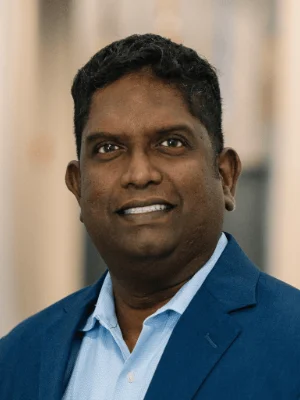
Samuel Jayakanthan
Vandstrom
Research Director
Protein nanochannel engineer chasing cheaper desalination at scale.
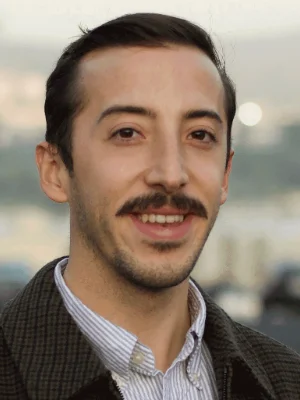
Luis Valencia
AlkaLi Labs
Co-Founder & CEO
Collaborating with microbes to recycle waste
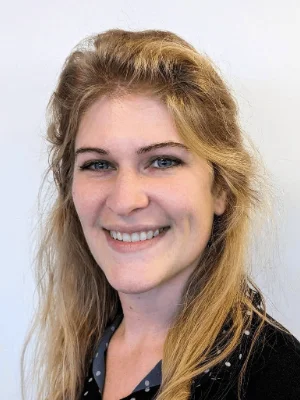
Jayme Feyhl-Buska
Homeworld Collective
Critical Minerals Lead
Geomicrobiology builder turning microbes into cleaner mining tech
•
-
AIxBIO
The Data Reality Check: Human-First Biology for AI Models
Why do so many in silico models fail when moved to the lab or clinic? Too often, they’re trained on incomplete, non-human, or non-representative datasets. This session tackles the “data gap” head-on: from interoperability bottlenecks and the black box problem to the limits of current virtual cell simulations (~50 million perturbations vs. the billions biology demands). Panelists will explore how to create “human-first” datasets that reflect real biology, unlock mechanistic interoperability, and close the discovery–development divide. The goal: build AI tools that can directly identify viable drug candidates instead of stalling in silico.
Featuring
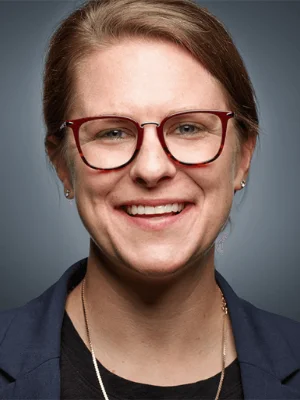
Julie O'Shaughnessy
Vivodyne
COO
Operational scale-up leader building a predictive human-tissue platform.
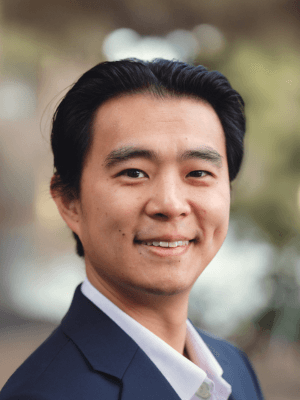
Johnny Yu
Tahoe Therapeutics
CSO & Co-founder
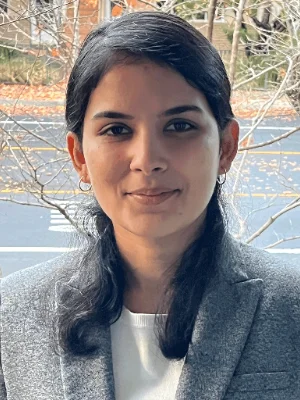
Avantika Lal
Genentech
Principal ML Scientist II
Building DNA foundation models that design regulatory sequences.
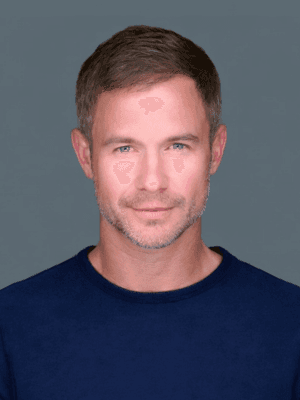
Daniel Georgiev
Sampling Human
CEO & Co-founder
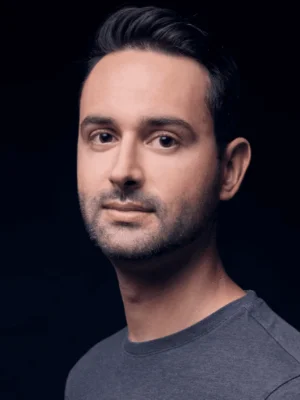
Krish Ramadurai
AIX Ventures
Partner
TechBio investor backing AI-designed drugs and breakthroughs.
•
-
Biomanufacturing
The Road to Commercial Scale: Capital and Market Demands Beyond the Pilot Plant
Scaling bio-based products to commercial production requires balancing technical readiness with market and financial realities. This session examines the capital investments, regulatory planning, and supply chain strategies necessary to move beyond the pilot stage. Experts will share lessons on aligning production capacity with demand forecasts, managing operational risk, and structuring partnerships that unlock funding and market access. Attendees will gain practical insights into navigating investor expectations, scaling efficiently without compromising quality, and making strategic decisions that ensure products can succeed commercially while meeting evolving market needs and sustainability goals.
Featuring
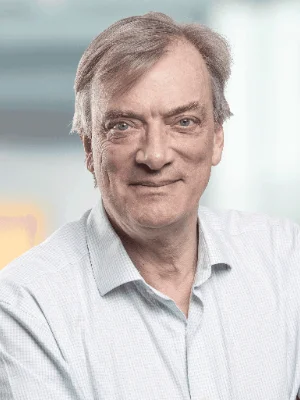
Per Falholt
21st.BIO
CSO, Co-founder
Launched ~200 enzyme products, industrial biotech scale-up expert
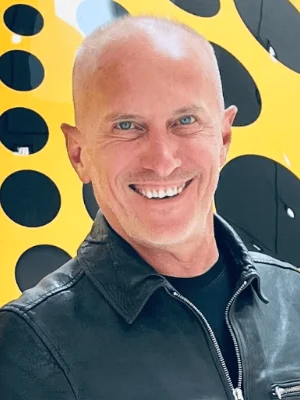
Vanderlei Bellettini
ADM
VP Precision Ferm. Ops
Bioprocess scale-up veteran turning fermentation into real-world products
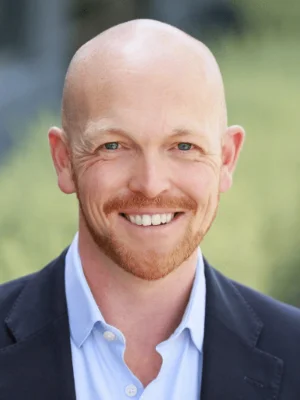
Richard Kenny
Hawkwood Bio
Founder & Mng. Partner
Techno-economic analysis for the bioeconomy
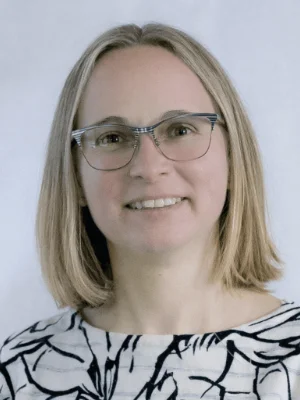
Verena Kallhoff
GHP
Sr. Dir, Global Life Sciences
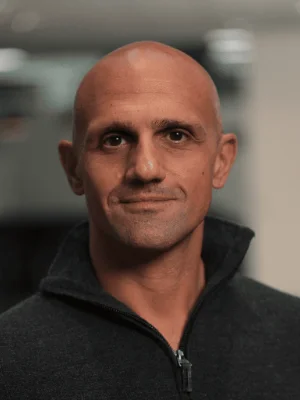
Riccardo LoCascio
Novonesis
Partnering - Precision Proteins
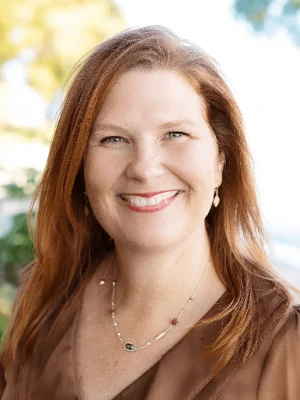
Cindy Groff-Vindman
CINBIO
Founder
•
-
Tools & Tech
Your Cells Are Talking, Are You Listening? Measuring Physiology at Industrial Scale
Standard bioreactors often lack the instrumentation required to rapidly monitor cell physiology, leaving critical gaps in our understanding of scale-up dynamics. This session presents active projects from the Schmidt Sciences’ Sensors for Biomanufacturing Program designed to address this challenge through novel sensing modalities. Spanning from near real-time intracellular measurements to non-invasive off-gas fingerprinting, the panel brings together technology developers and industrial bioprocess experts to discuss the translation of these tools from the lab to the plant floor. Together, we will critically evaluate the utility of high-dimensional metabolic data and explore the engineering requirements for integrating physics-based sensors and machine learning into existing biomanufacturing workflows.
•
-
Human Health
Bridging Discovery and Delivery: Startup–Pharma Alliances for the AI Era
As biology becomes programmable and AI accelerates discovery, startups are generating breakthrough innovations at unprecedented speed. Yet translating these advances into real-world therapies still depends on effective collaboration with global pharmaceutical organizations. This session explores how the innovation ecosystem connects early-stage breakthroughs to scalable development, bringing together leaders from startup incubation, external innovation, and pharma strategy. Speakers will examine how AI-native biotech companies engage with pharma today: how startups become “pharma-ready,” how external innovation teams evaluate and structure partnerships, and what collaboration models are emerging as biology and computation converge. From early ecosystem support and venture building to strategic alliances and co-development pathways, the discussion will provide a practical look at how ideas move from discovery to patient impact in the AI era.
•
-
Biomanufacturing
Mind the Gap: Survival Guides for the Valleys of Death in Biomanufacturing
Industrial biotech faces repeated “valleys of death” between laboratory success and commercial manufacturing, driven by a combination of technological uncertainty, scale-dependent constraints, and (mis)alignment between engineering reality and investment expectations. Promising technologies often fail not because the science is wrong, but because scale-up trajectories are built on insufficient data, optimistic assumptions, and decision-making based on the 1st product specifications from the lab that do not translate to industrial conditions. This panel returns to fundamentals, drawing on real-world experience from piloting, process engineering, and early industrialization to examine where and why scale-up breaks down. Experts will discuss how important the scale-up journey is to align technology performance with investor expectations, support sound business cases, and turn the industrial biotech toolbox into a more robust, scalable, and profitable manufacturing platform.
•
-
Human Health
The Biology Data Flywheel: From DNA Synthesis to Pharma-Scale AI Discovery
Drug discovery is not limited by models. It is limited by data. While AI is accelerating molecular design and target discovery, the real bottleneck remains the generation, integration, and interpretation of biological datasets that are complex, heterogeneous, and often not yet predictive. Pharma-scale discovery requires more than algorithms. It requires new approaches to building and operationalizing data itself. This session explores how next-generation DNA synthesis, high-throughput experimentation, and integrated data infrastructures are enabling a new biology data flywheel. From experimental datasets that inform translational decisions to emerging standards for capturing real-world and preclinical signals, leaders will discuss how data generation strategies are reshaping discovery workflows. Speakers from pharma, AI-native biotech, and platform providers will examine how biology is becoming a programmable data layer, enabling faster biologics development, more informed portfolio decisions, and new collaborative models that connect experimental systems, computational tools, and pharma-scale discovery pipelines.
•
-
Tools & Tech
Closing the Loop at 10ⁿ Scale: The Autonomous DBTL Stack
The Design–Build–Test–Learn (DBTL) cycle remains the core engine of biological engineering, yet its iteration speed still lags far behind software development. As AI systems begin to design, plan, and execute experiments, a new paradigm is emerging: DBTL as an autonomous, continuously optimizing system. Next-generation platforms combine AI-assisted rational design, high-throughput construction and perturbation, real-time data acquisition, and active learning to close the loop at unprecedented scale. Agent-powered lab-in-a-loop workflows, lab-on-a-chip systems, and advances at the silicon-to-carbon interface are enabling tighter integration between computation and biology, from semiconductor-enabled sensing to real-time feedback and decision-making. This session explores how autonomous DBTL stacks could unlock software-like iteration velocity in biology, redefine experimentation, and reshape the future of programmable discovery.
•
-
General
The BioLOL Stand-Up Biotech Comedy Show with Austin Nasso
After a full day of cutting-edge biology, it’s time to laugh about it! Join viral comedian Austin Nasso for a special stand-up set crafted for the SynBioBeta crowd. Known for his sharp impressions and tech-adjacent humor, Austin brings a fast-paced show that pokes fun at startup culture, venture capital, AI hype, and, for the first time, the quirks of the biotech world. Expect an evening of high-energy comedy, insider bio-nerd jokes, and a chance to unwind with fellow founders, scientists, and investors. A perfect late-night break from programmable biology, because even the future of life sciences deserves a good laugh.
Featuring

Austin Nasso
TechRoast
Comedian
Wednesday
May 6
•
-
Human Health
ScalaOS: Designing proteins to their peak with minimal lab effort
Designing high-performance proteins has traditionally required extensive and time-consuming lab work. In this talk, we present ScalaOS, our multi-layered protein design platform that combines atomistic calculations, AI and evolutionary data to generate more stable and active proteins from the very first design round, dramatically reducing experimental effort while achieving peak performance. This combination of targeted design strategies with minimal testing cycles, enables scientists to independently design in their own lab faster, more efficient optimization and open the door today to a new era of protein engineering
•
-
AIxBIO
The Dark Proteome: Why Protein Sequencing Is Science's Next Frontier
Billions of proteins remain uncharacterized - invisible to current tools, unknown in function, and untapped in potential. This fireside chat explores why protein sequencing is poised to become the defining technology of the next decade in biology, what "protein dark matter" really means for drug discovery and synthetic biology, and how the field is building the infrastructure to illuminate what genomics left in the shadows.
Featuring
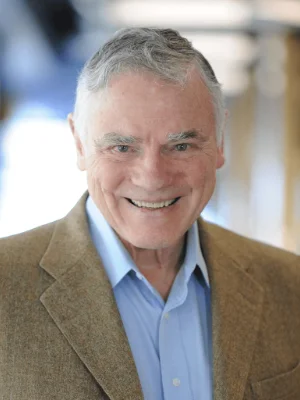
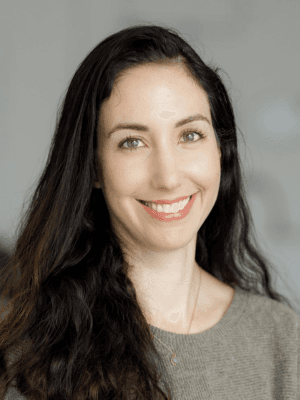
Leroy Hood
ISB
Co-founder & Prof.
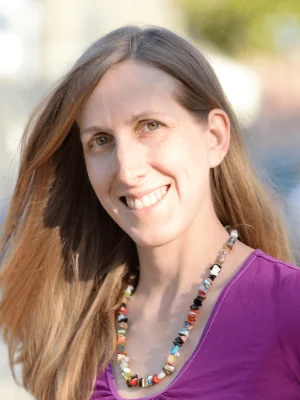
Jennifer Dionne
Stanford University
Professor
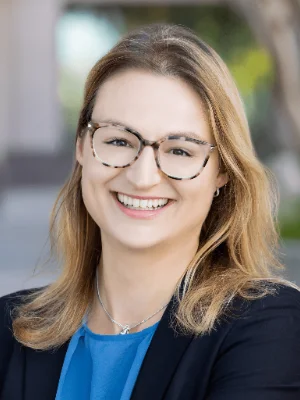
Susan Klaeger
Genentech
Principal Scientist
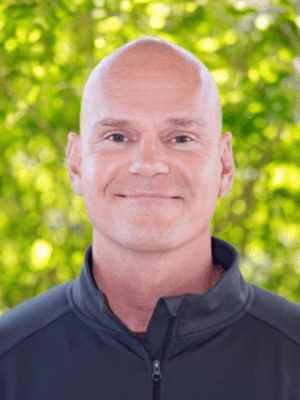
Michael Koeris
DARPA
Director, BTO
Protecting National Security with Biology
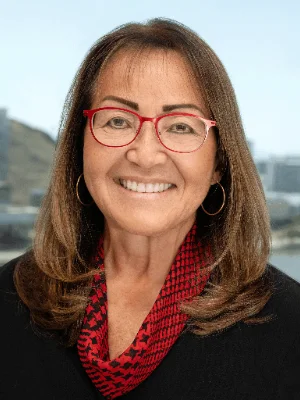
Sue Siegel
Align & Illumina
Board Director
Top 100 Most Influential Women in Silicon Valley. Health-tech rainmaker who built GE’s venture engine.
•
-
Tools & Tech
BESST: A Private Public Partnership to Grow and Secure the BioEconomy
Last year, we presented initial efforts to develop the BioEconomy Safety, Security, and Technology (BESST) Partnership—a public private partnership focused on growing and securing the bioeconomy based on lessons learned from other industries. This year, we will present progress on taking this from concept to living entity based on industry engagements over the past year. We will discuss progress on defining an overall concept of operations, potential governance structure, activities it might undertake with a focus on cross vendor DNA order screening, and how it aligns to current US priorities.
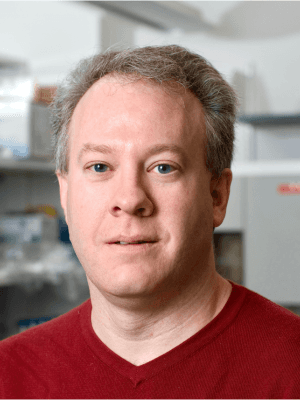
•
-
Human Health
From Therapeutics to Consumer Applications: How Brain Computer Interfaces are About to Become the Next Major Platform Technology
Brain Computer Interfaces (BCIs) hold immense promise to help restore critical functions now for individuals with neurological conditions, severe speech impairments, and paralysis. Over the last thirty-five years, major advancements in artificial intelligence, brain mapping, and material sciences are laying the foundation for a future where BCI-enabled augmented experience is as common as accessing the internet or using a mobile phone. Join Paradromics CEO Matt Angle, PhD to discuss the latest on neurotechnology today, as well as expansive future BCI applications.
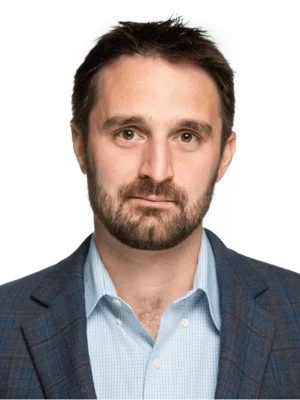
•
-
AIxBIO
Programmable Molecules: AI and the Rise of Context-Aware Therapeutics
For the first time, AI is enabling us to imagine medicines that “think” - turning on only inside diseased cells or under specific physiological conditions. Neural networks trained on RNA, protein, and cellular data are unlocking a new generation of programmable therapies with unprecedented precision, from cancer drugs that remain inert until encountering tumor signals to RNA medicines capable of adapting to dynamic biological environments. But designing intelligent molecules is only part of the challenge. As AI expands the space of possible therapeutics, the field must also confront a critical question: how do we reliably build, test, and manufacture increasingly complex biological designs? This session explores the emerging continuum from AI-designed molecules to manufacturable programmable therapeutics, examining how advances in sequence design, synthesis, delivery, and validation are translating computational insight into real-world medicines. The future of medicine isn’t static molecules - it’s intelligent, adaptive therapeutics engineered across the full stack, from algorithm to clinic.

•
-
Tools & Tech
From AI protein design to real-world commercial impact: powering the next wave of everyday products
For more than a century, everyday products - from detergents and shampoos to textiles and packaging - have relied on petrochemicals and harsh industrial processes. Today, AI-driven protein design is opening a radically different path: creating custom enzymes and biomolecules that outperform traditional chemistry while reducing environmental impact. This session explores how advances in computational protein design and machine learning enable the rational creation of enzymes tailored for home care, personal care, and next-generation materials—moving beyond incremental discovery to purpose-built performance under real industrial conditions. Critically, this highlights how AI-driven design is being translated into commercially deployed products at scale with partners and customers.
•
-
AIxBIO
The Programmable Protein Era: How AI Rewrites the Rules of Biomolecules
Biologics and engineered proteins have traditionally evolved through cycles of intuition, screening, and incremental optimization. Today, AI is transforming proteins into programmable systems; governed by learnable patterns across activity, stability, expression, specificity, manufacturability, and environmental performance. This shift is unlocking a new generation of biomolecules, from next-generation therapeutics to sustainable enzymes and functional biological systems, that would have been impossible to design by hand. In this session, leaders from biopharma, industrial biotech, machine learning, and protein engineering will explore how multiparameter optimization, generative modeling, and closed-loop experimental validation are reshaping biomolecular design across domains. From clinical biologics to planetary-scale applications, we examine the shift from trial-and-error to predictive, constraint-driven design, and what it means for R&D timelines, scalability, and real-world impact.
•
-
Biomanufacturing
Berkeley Lab Provides the Foundation for Biomanufacturing-specific AI
Berkeley Lab develops new automation approaches to produce the large amounts of high-quality data that AI needs to solve significant problems in biology and enable new biomanufacturing capabilities. The Lab uses HTP approaches to generate AI-ready data and leverages that data in AI models to design microbial pathways, engineer host systems, optimize media formulations, generate functional plasmid origins, engineer plant transcriptional regulation, and predict solvent properties. The Lab's process development unit aims to generate complex biological data needed for virtual cell and other models by algorithm development companies.
•
-
General
Annual SynBioBeta Awards
•
-
Tools & Tech
Turning Biology into a Predictive and Programmable Engineering Material
The convergence of AI-driven biological design with the ability to write DNA of arbitrary complexity—rapidly, accurately, and at low cost—is redefining DNA as a programmable engineering material and positioning biology as a new layer of infrastructure. By tightly coupling design and actuation, a new paradigm is emerging: closed-loop systems where AI models generate sequences, DNA synthesis brings them into reality, and functional outcomes continuously refine future designs. Early applications are already taking shape, from personalized RNA neoantigen cancer vaccines to models capable of predicting function directly from synthetic sequences. But the implications extend far beyond medicine. As these capabilities scale, they open the door to reprogramming crop genomes, engineering resilient biological systems, and even storing digital information in DNA. Biology is shifting from a discipline of discovery to one of design—where the fundamental unit of life becomes an engineerable, predictable substrate for innovation.
•
-
Biomanufacturing
Bioconvergence for Biomanufacturing: Closing the Scale Gap in Synthetic Biology
Synthetic biology has entered a new era of capability. AI-driven protein design, advanced cell engineering, and increasingly automated labs are rapidly expanding what is scientifically possible. Yet commercial scale and sustainable economics remain out of reach. The core challenge is no longer whether biology can be engineered, but whether it can be consistently deployed in real-world environments. Moving from lab success to industrial production introduces a new set of constraints, from process robustness and yield to infrastructure, supply chains, and cost. This session focuses on what it actually takes to translate innovation into manufacturing reality. Rather than diagnosing failure points, it highlights the systems, platforms, and partnerships that enable biology to scale. What is working today, where are the key integration bottlenecks, and how do we build a more cohesive path from design to deployment?
•
-
Human Health
Editing Inheritance: Is Human Germline Engineering Back?
Once viewed as reckless experimentation, germline gene editing is re-emerging as a serious scientific frontier. With base and prime editing now able to correct single-letter mutations with remarkable precision, researchers are beginning to demonstrate embryo edits that could one day eliminate devastating inherited diseases. The stakes, however, are profound: these are permanent, heritable changes passed to every future generation. This session examines the cutting edge of germline engineering—how far the science has advanced since CRISPR’s clumsy early days, what challenges remain around mosaicism and long-term safety, and where the ethical boundaries must be drawn. Should we consider germline editing only for rare, fatal conditions when no other reproductive options exist? Or is there a pathway to broader medical use under strict safeguards? Join leading scientists, ethicists, and policymakers as we debate whether rewriting inheritance is an act of compassion—or a step too far.
Featuring
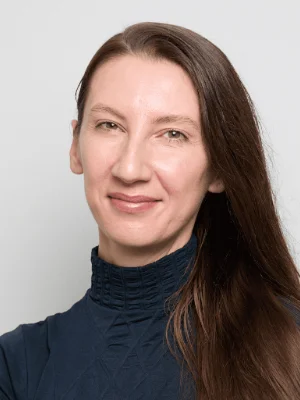
Eriona Hysolli
Manhattan Genomics
Co-founder
Embryo gene-correction CSO, Time100 Next honoree.
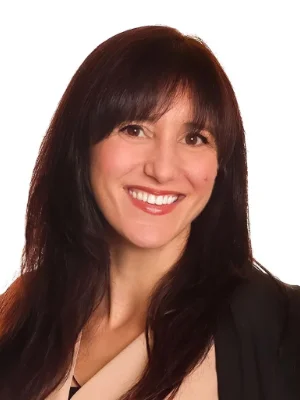
Jamie Justice
XPRIZE
EVP, Health
21.9
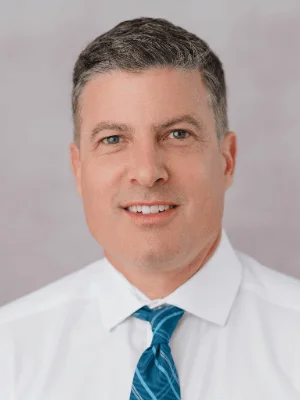
Jonathan Anomaly
Herasight
Professor & Founder
Philosopher-communicator at the frontier of polygenic embryo screening.
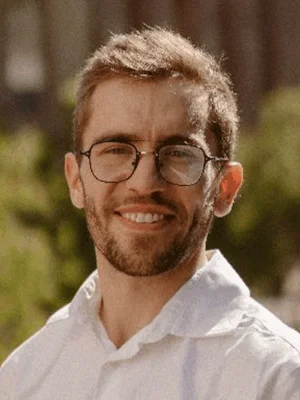
Chase Denecke
Bootstrap Bio
CEO
Embryo gene-editing startup CEO pushing ethical boundaries.
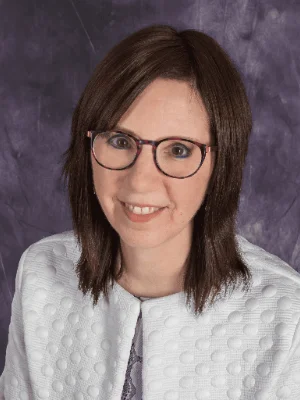
Amy Dockser Marcus
The Information
Reporter
•
-
Tools & Tech
The Democratization of Scale: From Billion-Dollar Facilities to Desktop Biology
For decades, meaningful progress in biotechnology depended on access to million to billion-dollar facilities, specialized infrastructure, and industrial-scale equipment. Today, that paradigm is rapidly shifting. A new generation of tools, from smart shake flasks and modular bioreactors to microfluidic platforms, desktop DNA printers, and compact sequencing devices; is compressing the scale of biological experimentation while expanding who can participate. These technologies are transforming the economics of innovation, enabling startups, academic labs, and distributed research teams to design, build, and test biological systems without massive capital investment. As instrumentation becomes smaller, smarter, and increasingly automated, biology is moving from centralized mega-facilities toward a more distributed model of experimentation. This session explores how advances in lab automation, miniaturized bioreactors, and accessible bioinstrumentation are lowering the barriers to experimentation — and what this shift means for the speed, diversity, and geography of the next wave of bioinnovation.
•
-
AIxBIO
Where Does Biology Compute? From Molecular Signals to Clinical Reality
As we move toward the “virtual cell” and ultimately the “virtual organism,” the AIxBIO ecosystem faces a fundamental challenge: where does biology actually compute? While our ability to measure molecular events has advanced dramatically, predicting how those signals translate into emergent, system-level outcomes remains a core bottleneck in programmable biology. This session brings together leaders across AI, synthetic biology, and medicine to explore the computational bottleneck, mapping where predictive power breaks down from molecules to cells to organisms. It will examine how to measure emergence at scale by generating causal, time-resolved, perturbation-rich datasets across diverse biological contexts, and how to close the reality gap with in vivo feedback, using next-generation sensors and real-world data to continuously calibrate and validate models in living systems.
•
-
AIxBIO
Biology in Silico: Multi-Agent Simulations of Life
From tissues morphing in development to microbes competing in a bioreactor, biology is inherently emergent. Multi-agent simulations — from platforms like BioDynaMo, CompuCell3D, and BIO-LGCA — are now powerful enough to model billions of interacting agents, capturing diffusion, metabolism, migration, and signaling with physical fidelity. Synthetic biologists are using these frameworks to probe design limits before moving to the lab, asking questions like: How far can diffusion alone carry a signaling molecule? What metabolic bottlenecks emerge in crowded cells? And how do engineered traits play out at population scale? This session will spotlight how agent-based models are becoming essential design environments for synthetic biology, helping teams test hypotheses virtually, anticipate failure modes, and translate biology into an engineering discipline rooted in predictive, quantitative simulation.
•
-
Tools & Tech
Genome as a Canvas: Composing Life at Scale
Reading, writing, and editing DNA were just the prelude. The next frontier is composition, designing complex genetic systems and large DNA architectures from first principles using AI-driven models and scalable synthesis technologies. As datasets grow and design tools mature, biology is shifting from incremental editing toward intentional genome-scale engineering. This new paradigm treats DNA not simply as a sequence to modify but as a programmable substrate where genes, regulatory elements, and entire genomic regions can be composed, tested, and iterated like engineered systems. Advances in generative design, large-scale DNA assembly, and precision integration technologies are enabling researchers to construct increasingly complex genetic structures with higher predictability and functional intent. From next-generation recombinases and genome restructuring platforms to AI-guided design workflows that bridge computation and physical DNA construction, the emerging toolkit is redefining how biological complexity is created. The session explores how compositional genome engineering could unlock new capabilities across therapeutics, industrial biology, and synthetic life design.
Featuring
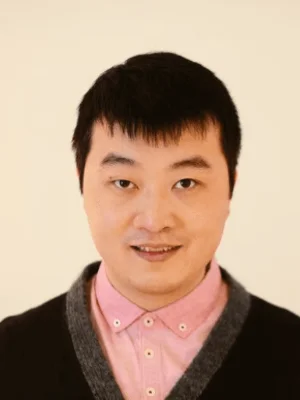
Kaihang Wang
Caltech
Assistant Professor
Building synthetic genomes to create new life forms.
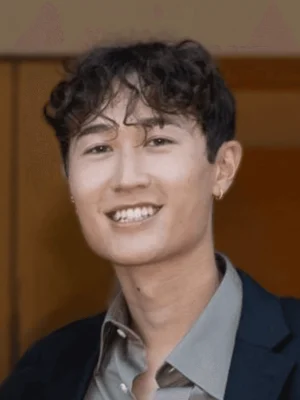
Samuel King
Stanford University
BioEng Doctoral Candidate
Genome language models designing new bacteriophages
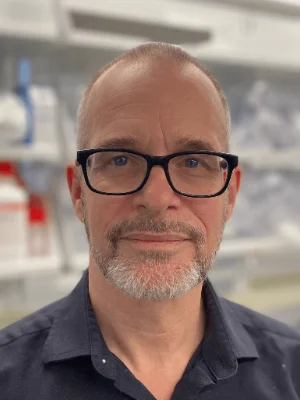
Andrew Hessel
Human Genome Project
Chairman
Genome-writing pioneer, Singularity University visionary
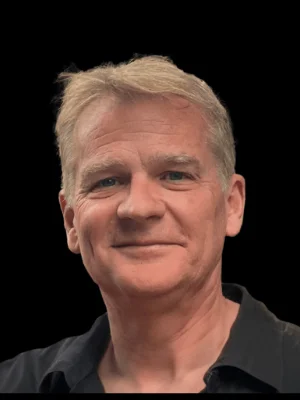
David Ewing Duncan
Arc Fusion
CEO
•
-
Human Health
Programmable T Cells: Engineering Living Immune Systems
T cells are evolving from targeted killers into fully programmable cellular systems. Advances in synthetic biology, AI-driven receptor design, and genome-scale datasets are enabling immune cells that not only recognize disease, but sense context, compute signals, adapt over time, and execute coordinated responses inside the body. This session brings together leaders across academia and industry to explore how next-generation CAR and TCR design, structural modeling, and large biological foundation models are reshaping immune engineering. Beyond receptor optimization, we will examine logic circuits, combinatorial sensing systems, control layers, and in vivo reprogramming strategies that transform T cells into dynamic therapeutic platforms. As immune cell engineering moves toward off-the-shelf products and in vivo editing approaches, we will address the deeper architectural questions: How do we design cells that avoid exhaustion, function within hostile tumor microenvironments, and maintain safety over time? What does it mean to treat T cells as living software systems? And how do we build programmable immune therapies that are scalable, durable, and globally accessible?
Featuring
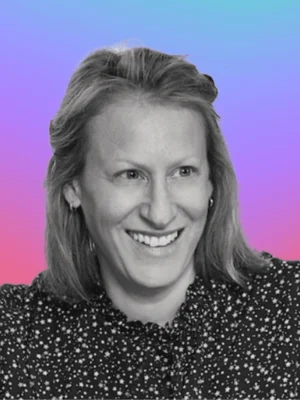
Lilly Wollman
Synteny
CEO & Co founder
From growth equity to gen-AI T-cell engineering.
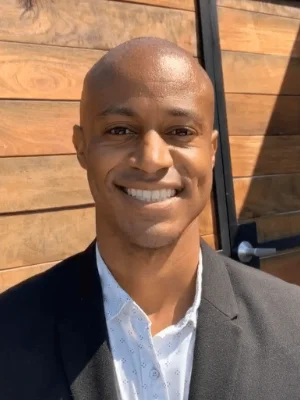
Kyle Daniels
Stanford University
Assistant Professor
Engineering immune-cell “programmable receptors” with synbio + machine learning.
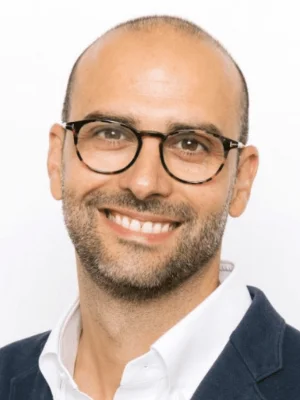
Justin Eyquem
UCSF
Associate Professor
Engineering genome-edited CAR-T cells for tougher cancers.
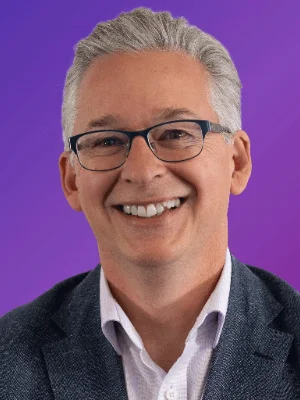
John Robson
BioOra
Managing Director
Deep-tech investor turned CAR-T scale-up leader.
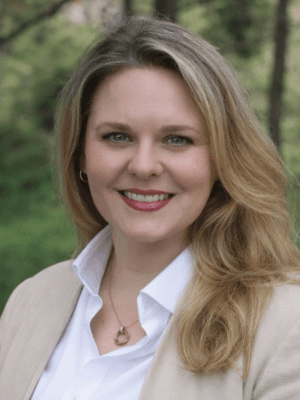
Victoria Mascetti
University of Bristol
Assistant Professor
Stem-cell biologist translating regeneration into real therapies.
•
-
Longevity
Engineering Longevity: Reprogramming the Foundations of Aging
Aging is increasingly understood as a gradual loss of biological stability. DNA accumulates damage, protein homeostasis collapses, and cells drift away from youthful identities as regulatory networks lose their balance over time. These changes ripple across tissues and organs, driving many of the diseases associated with aging. Today, new tools in synthetic biology, artificial intelligence, and gene editing are revealing how these systems might be stabilized, repaired, or even reset. Researchers are engineering enhanced DNA repair mechanisms inspired by long-lived species, using AI to map the trajectories of cellular aging and uncover rejuvenating interventions, and developing therapies that restore protein metabolism to protect vulnerable tissues such as the brain. This session explores how scientists are moving beyond simply slowing aging to engineering the biological systems that maintain cellular integrity. By targeting the underlying mechanisms that govern genome stability, proteostasis, and cellular identity, researchers are laying the groundwork for a new generation of longevity therapeutics designed to restore function and resilience across the lifespan.
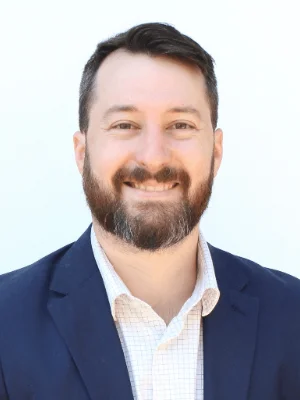
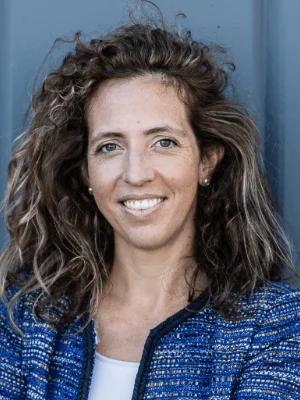
•
-
AIxBIO
Data Factories: Building the Infrastructure for AI-Ready Biology
Biology is entering an AI-driven era, but most experimental infrastructure still produces data designed for individual experiments, not for learning at scale. As a result, much of today’s data is useful in the moment but poorly suited for training robust, long-lived models. This session will explore what biological data matters most today, what data needs to be generated now to support future models, and how leading teams are closing that gap. Panelists will discuss how automation, metadata discipline, and standardized testing pipelines can turn artisanal lab workflows into continuous experiment-to-learning systems. The focus will be on infrastructure and experimental design, highlighting practical bottlenecks, emerging best practices, and what becomes possible when biology produces abundant, high-quality, model-ready data by default.
Featuring
Ori Zakin
BioRaptor
CEO
Building bioprocess R&D operating systems from noisy data.
Michael Koeris
DARPA
Director, BTO
Protecting National Security with Biology
Chase Olle
Robot on Rails
Founder & CEO
MIT-trained lab-robotics founder automating bench experiments at scale.
Michelle Chen
Form Bio
Pres, CEO & Board Mem.
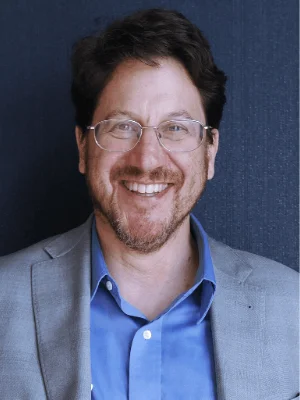
Barry Bunin
CDD
Founder & CEO
Invented CDD Vault, data-sharing platform for drug discovery.
•
-
Human Health
Skip the Assembly, Go Straight to Your Next Breakthrough: How Innovative DNA Synthesis Is Changing What's Possible in Biopharma
The synthetic DNA field has entered an era of rapid innovation that is giving biopharma scientists new options when deciding whether to build or buy long and complex DNA. Previously hard-to-source DNA constructs are now readily available with an unprecedented guarantee for on-time shipping, eliminating procurement delays and empowering researchers to push the boundaries of synthetic biology. In this session, leading scientists will discuss how these advances are expanding design possibilities, accelerating design–build–test–learn cycles, and paving the way for the next wave of precision biotherapeutics.
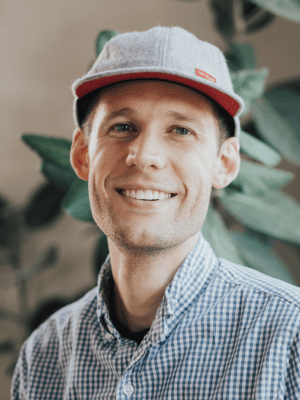
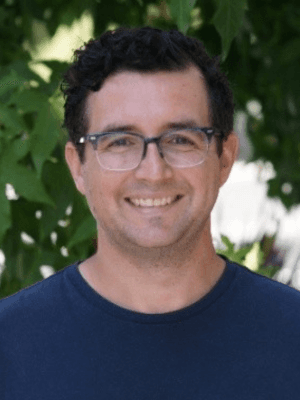
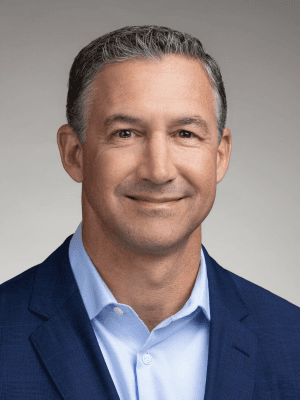
•
-
Planetary Health
The New Main Course: Cultured Meat + Precision Fermentation
Plant-based food sales may be slowing, but that doesn’t mean innovation on the plate is stalling. Instead, momentum is shifting toward breakthrough technologies and smarter ingredient combinations. Cultured meat and precision fermentation are driving the next wave of sustainable ingredients, from proteins to cultured fats that bring authentic flavor and texture. This session highlights advances in cell culture, fermentation platforms, and scale-up strategies, along with the partnerships moving products from R&D to dining tables. Hear how food innovators are combining biology and culinary creativity to build a resilient, delicious, and sustainable future for global diets.
Featuring
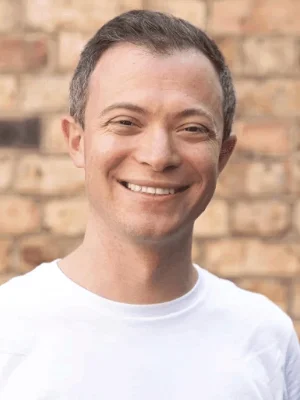
Max Jamilly
Hoxton Farms
CEO & Co-founder
Cultivated-fat pioneer making alt-meat taste real.

Laura Kliman
Impossible Foods
Senior R&D Director
Making plant-based meat possible
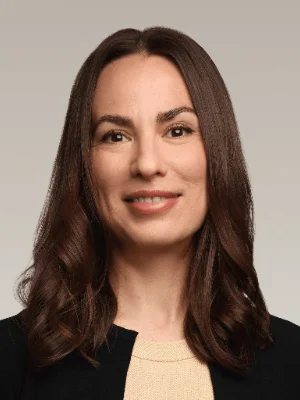
Isabelle Decitre
ID Capital
Founder
Future Food Asia founder. Synbio food-systems investor.
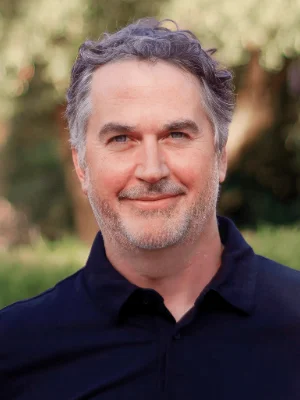
Jason Ryder
Oobli
Founder & CTO
Turns exotic sweet proteins into craveable sweetness without sugar.
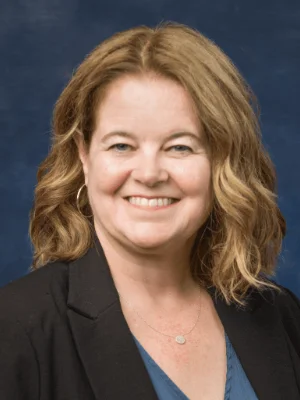
Megan Thomas
Ladder 17
Founder & CEO
Launched the first CRISPR food in the US, award-winning storytelling podcast host.
•
-
Human Health
Programmable Nutrition: Engineering the Next Wave of Bioactive Food Molecules
Food is no longer just sustenance—it’s becoming a programmable interface with human biology. Advances in synthetic biology and foodtech are enabling the design of bioactive molecules that target specific health outcomes: regulating glucose and lipid metabolism, strengthening cardiovascular resilience, and even enhancing cognitive performance. From engineered microbes that secrete beneficial metabolites to programmable synbiotics tuned to the gut, this session will explore how programmable biology is transforming food into a therapeutic platform. Panelists will ask: what if the next breakthroughs in managing obesity, dementia, and heart disease don’t come from pharmaceuticals, but from intelligently designed foods and functional ingredients?
Featuring
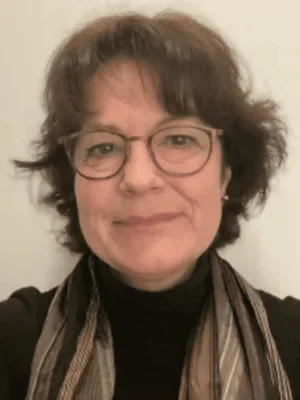
Alexandra Boelrijk
Kerry Group
Sr. R&D Dir. ProActive
25-year R&D veteran translating clinical evidence into nutrition breakthroughs.
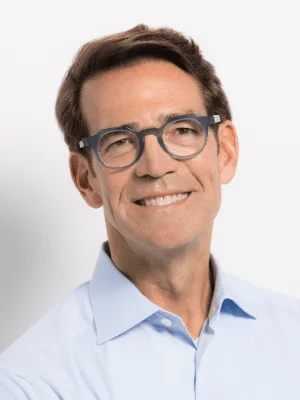
Gregory Hocking
Mars Snacking
VP Global R&D New Innov. Territories
Reinventing snacking through sustainability and startup bets.
Riccardo LoCascio
Novonesis
Partnering - Precision Proteins
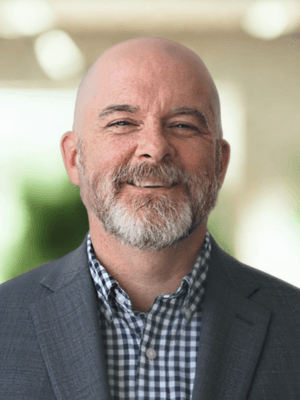
Casey Lippmeier
Checkerspot
CTO
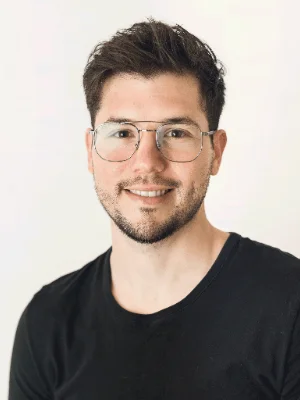
Ivan Jaubert
SynBioBeta
Director of Entrepreneurship
Startup-ecosystem builder connecting founders, investors, and corporates.
•
-
Human Health
Reconstructing the Body: Can Biological Replacement Reverse Aging and Extend Lifespan?
Despite major advances in the biology of aging, there are still no interventions that clearly slow or reverse aging in humans. In contrast, modern medicine already depends on replacement to restore lost function, from artificial joints and cardiac devices to organ transplants and stem cell therapies. This session examines how a similar framework could be applied to aging: rather than repairing deteriorated cells and tissues, scientists and companies are exploring ways to replace them with newly generated, biologically young equivalents. The discussion will highlight emerging capabilities in engineered cell sources, scalable tissue fabrication, and programmable biology (instead of "integration") strategies that are redefining what can be rebuilt and replaced. New approaches are beginning to address long-standing challenges such as age-related signaling environments, vascularization, and even circuit compatibility in parts of the brain. Together, these advances point toward a future where rejuvenation is achieved through deliberate biological reconstruction. The session asks: How far can replacement take us, and could rebuilding youthful parts become a central path to extending healthy lifespan?
Featuring
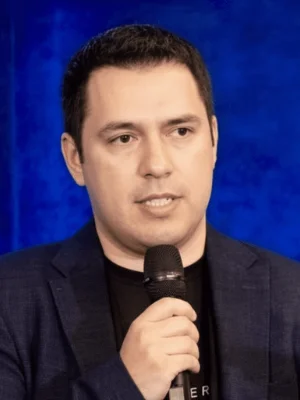
Eric Bennett
Frontier Bio
CEO
Bioprinting pioneer building lab-grown human tissues and organs.
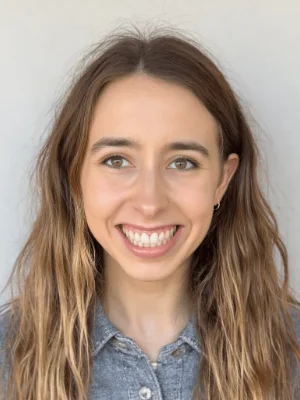
Sierra Lore
Buck Institute
Doctoral Student
Researcher of somatic mutation in aging (immune genome instability)
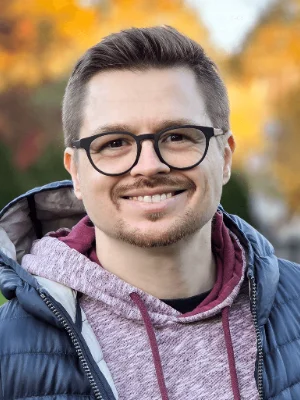
Sergiy Velychko
Soxogen
Founder & CEO
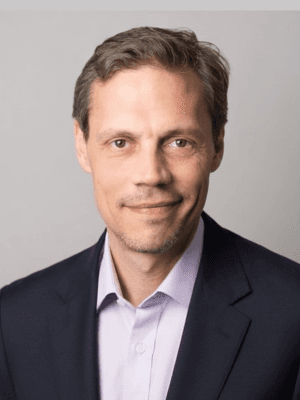
Antonio Regalado
MIT Technology Review
Senior Editor Biomedicine
•
-
Business of Biology
Synthesis Screening in the Age of Powerful AI
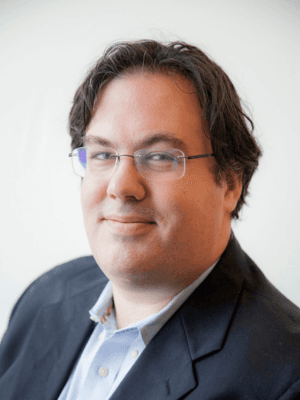
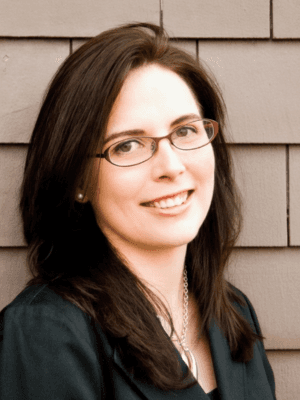
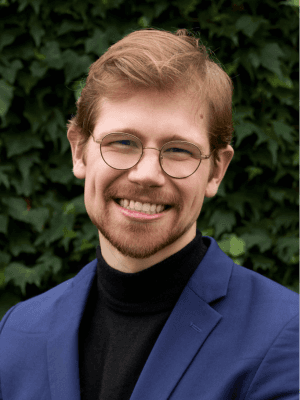
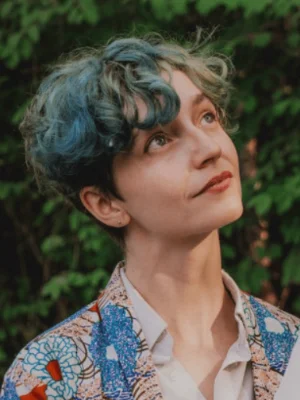
As AI reshapes what's possible in biology, biosecurity needs to keep up. Nucleic acid synthesis screening, which checks what's being ordered and by whom, is one of the field's most important lines of defense. But as AI capabilities advance, the screening infrastructure needs to evolve with them. This panel brings together leaders from the Sequence Biosecurity Risk Consortium, Fourth Eon Bio, SecureDNA, and BioTrust to discuss how sequence and customer screening are adapting to a new threat landscape.
•
-
Human Health
Build, Buy, or Partner: The New AI Operating Model from Biologics Discovery to Clinical Assets
AI is reshaping how biopharma discovers, develops, and advances therapeutic agents across the full lifecycle, from early design to translational strategy and clinical asset development. But with dozens of platforms and models emerging, R&D leaders face a strategic crossroads: should they build internal AI capabilities, buy turnkey software, or partner with integrated platforms that connect computational design, experimental validation, and clinical decision-making? This session brings together Biotech R&D executives and AI platform leaders to explore how software-first, closed-loop AI workflows are transforming not only discovery speed, but also translational success and clinical outcomes. Speakers will share real-world perspectives on integrating AI into portfolio strategy, advancing assets toward the clinic, repositioning clinically validated assets, and redefining the operating model for biologics development.
Featuring
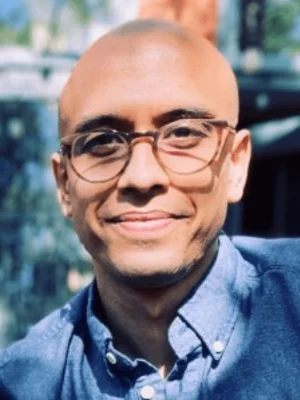
Surge Biswas
Nabla Bio
Co-founder & CEO
Protein language-model pioneer building AI-plus-wet-lab antibody design.
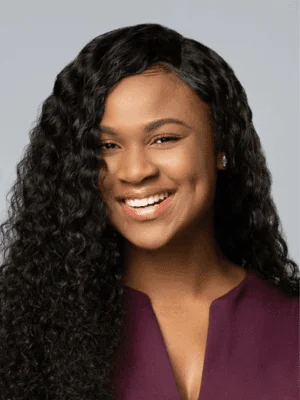
Jen Asher
1910
Founder & CEO
AI-native drug discovery founder blending wet-lab automation and models.
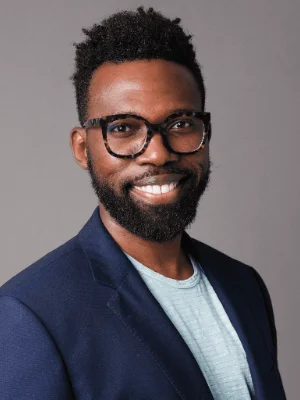
Yves Falanga
NOETIK
Corporate Strategy & BD
Business-development lead helping broker NOETIK’s big-pharma deals.
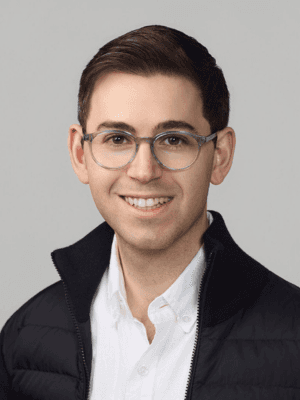
Joshua Meier
Chai Discovery
CEO & Co-founder
Inhwan Kim
Enveda
CSO
Amy Dockser Marcus
The Information
Reporter
•
-
Human Health
Synthetic Evolution: Reprogramming Genomes to Accelerate Biological Discovery
For billions of years, evolution has been biology’s most powerful search engine. Now researchers are beginning to redesign that engine itself. From orthogonal replication systems like OrthoRep to synthetic genomes, programmable mutation systems, and continuous evolution platforms, new tools are making it possible to evolve biological function with unprecedented speed, control, and scale. This session explores how synthetic evolution is becoming a core technology of programmable biology. Speakers will examine how engineered replication, genome-scale design, and AI-informed selection strategies are expanding the range of molecules, pathways, and phenotypes that can be discovered in the lab. By moving from passively observing evolution to actively directing it, scientists are opening a new frontier where genomes are not just edited, but built and evolved as programmable systems.
•
-
Business of Biology
Fueling the Bioeconomy: How Founders Can Unlock Government Capital to Build the Next Generation of Biotech
Venture capital alone is no longer enough to power the next wave of biotechnology innovation. Across health, biosecurity, climate, and advanced biomanufacturing, government agencies are emerging as catalytic partners, deploying billions in non-dilutive funding to accelerate high-risk, high-impact breakthroughs. But accessing this capital requires more than strong science. Founders must understand how agencies like ARPA-H, DARPA, BARDA, and others evaluate risk, define mission impact, and structure partnerships that bridge research and real-world deployment. This session brings together agency leaders, founders, and experienced operators to demystify how government funding actually works in today’s market. The panelists will explore how startups can position themselves for success, avoid common pitfalls in proposal development and contracting, and strategically leverage non-dilutive funding to extend runway, de-risk technology, and unlock new commercial pathways.
Featuring
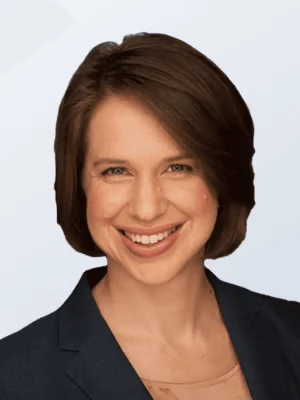
Alicia Jackson
ARPA-H
Director
DARPA veteran driving ARPA-H’s next-generation health moonshots.
Michael Koeris
DARPA
Director, BTO
Protecting National Security with Biology
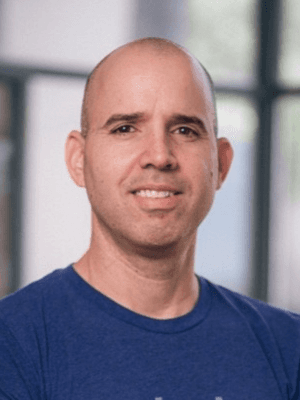
Omri Amirav-Drory
NFX
General Partner
Scientist-founder VC: built Genome Compiler, now backs techbio.
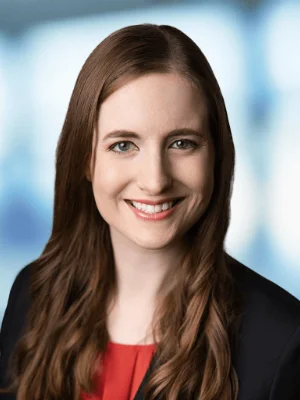
Laura Powell
EverGlade
Director
•
-
AIxBIO
Rewriting Enzyme Performance: Next-Gen Platforms for AI-Driven Protein Screening
AI is rapidly transforming how therapeutic enzymes and protein drug candidates are discovered, engineered, and validated. Generative models can now propose millions of novel variants optimized for specificity, stability, and target engagement. But the true bottleneck is no longer design, it is screening at scale. As model-generated libraries expand exponentially, the need for faster, more predictive experimental systems has become critical to translate computational insights into clinically relevant performance. This session explores the emerging generation of integrated platforms that combine AI-guided design, high-throughput functional screening, automation, and advanced analytics to accelerate therapeutic protein discovery. From self-driving labs and multiplexed cellular assays to adaptive screening strategies that prioritize pharmacologically meaningful readouts over simple activity metrics, speakers will examine how next-gen infrastructure is reshaping enzyme optimization for drug development.
Featuring
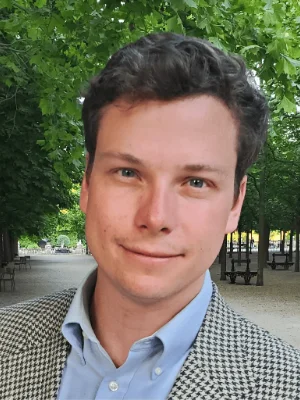
Weston Kightlinger
Ridge Bio
CEO
Cell-free synthesis pioneer building precision enzyme therapeutics.
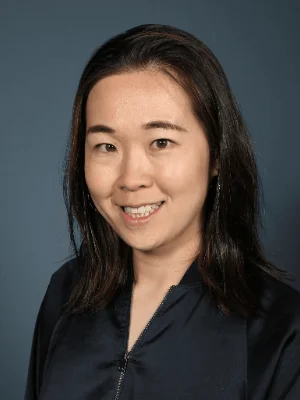
Will Cao
Pando
CEO
Founder making enzyme development 80% cheaper
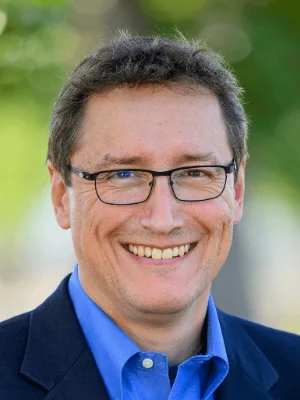
Stefan Lutz
Codexis Inc.
CSO
Directed-evolution expert shaping next-generation enzyme engineering.
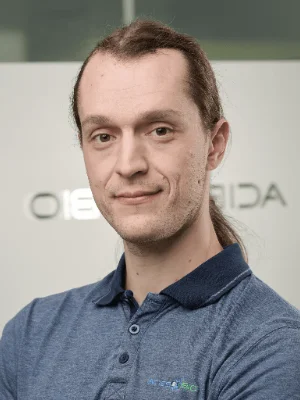
David Virant
Acies Bio
Department Head
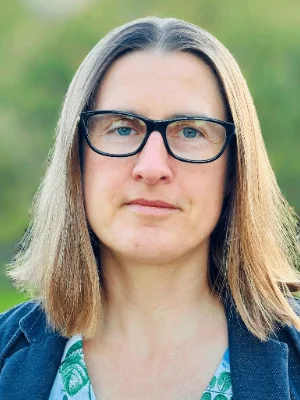
Ewa Lis
Koliber Bio
Founder & CEO
AI-driven peptide/protein drug-discovery builder (also microbiome engineering).
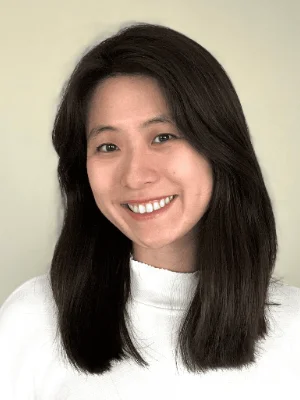
Fay Lin
GEN
Sr Editor, Technology
•
-
Human Health
Rewriting the Rules - Clinical Trial Reform in the Age of AI
AI-native drug discovery is accelerating molecule design, but clinical trials remain slow, expensive, and exclusionary. If we don’t modernize trial infrastructure, we create a bottleneck between computational breakthroughs and real-world patient impact. This breakout explores how to reform recruitment, eligibility, endpoints, biomarkers, and regulatory alignment to make U.S. trials more competitive and globally scalable.

•
-
Tools & Tech
Decoding the Dark Proteome: From Discovery Gap to Drug Pipeline
The proteome holds the answers to some of biology's most persistent questions — yet the vast majority of proteins remain functionally uncharacterized. This working session brings together leaders from pharma, biotech, and the emerging protein sequencing field to explore what it would actually take to close the gap. What are the real bottlenecks in moving from dark proteome discovery to actionable drug targets? What sequencing and annotation infrastructure needs to exist? And where are the first credible opportunities for pharma to engage? A candid, technical conversation for those already building toward this frontier.
•
-
General
"Book Signing" Lifespan: Why We Age – and Why We Don't Have To
Join us during the Exhibit Hall Cocktail Reception on Wednesday for a special book signing with David Sinclair, professor of genetics at Harvard Medical School and a leading voice in longevity science. David will be signing copies of his bestselling book Lifespan: Why We Age – and Why We Don’t Have To, which explores the science behind aging and the breakthroughs that could dramatically extend human healthspan. Stop by to meet David, discuss the future of longevity and biotechnology, and pick up a signed copy while connecting with fellow members of the SynBioBeta community.
•
-
General
"Book Signing" Inside CDD Vault, A Different Kind of Silicon Valley Success Story: Behind the Code: The Human Side of Collaborative Drug Discovery
Join us during the Exhibit Hall Cocktail Reception for a special book signing with Barry Bunin, founder and CEO of Collaborative Drug Discovery. Barry will be signing copies of his book Inside CDD Vault — A Different Kind of Silicon Valley Success Story: Behind the Code: The Human Side of Collaborative Drug Discovery, which explores the story behind building one of the most widely used data platforms in drug discovery. Stop by to meet Barry, hear about the journey behind CDD Vault, and pick up a signed copy while connecting with others across the SynBioBeta community.
•
-
General
"Book Signing" On the Future of Species: Authoring Life by Means of Artificial Biological Intelligence
Join us during the Wednesday Exhibit Hall Cocktail Reception for a special book signing with Adrian Woolfson.. Adrian will be signing copies of his book On the Future of Species, which explores how advances in synthetic biology and genome engineering could reshape the diversity of life on Earth. Stop by to meet Adrian, discuss the profound possibilities and responsibilities of engineering biology, and pick up a signed copy while connecting with fellow members of the SynBioBeta community.
Thursday
May 7
•
-
Longevity
Reprogramming Life: A Conversation on Longevity, Epigenetics, and the Future of Medicine
In this fireside chat, the panelists will explore the bold vision behind Life Biosciences and the rapidly advancing science of epigenetic reprogramming. From redefining aging as a reversible process to translating breakthrough research into the clinic, including the recently FDA-approved ER-100 trial. This conversation will unpack what it takes to turn longevity science into real-world therapies and discuss ways to slow biological aging. Join us for a forward-looking discussion at the intersection of biology, technology, and human healthspan.
•
-
Tools & Tech
From Experience to Intelligence - Building Practical Vertical AI for Industrial Enzyme Engineering
While foundation models have demonstrated broad potential in protein engineering, their generic nature often falls short at the industrial "last mile"—where narrow tolerance windows, non-natural substrates, and harsh process conditions prevail. To adapt to these challenges, we integrate decades of enzyme engineering experience with proprietary high-fidelity domain-specific datasets, powered by our CFPS‑driven high‑throughput screening platform (>100× throughput over traditional directed evolution, enabling precise domain-specific annotation). This approach enables us to build practical vertical AI models that have been validated in real‑world production settings, demonstrating improved accuracy over general‑purpose models and paving the way toward an integrated Enzyme Co‑Pilot for reliable, data‑driven biocatalysis.
•
-
Human Health
Next Frontiers in Embryo Genetics: From Polygenic Prediction to the Return of Germline Engineering
Preimplantation genetic testing transformed IVF by enabling the screening of embryos for aneuploidy and severe monogenic diseases. Today, rapid advances in genomic datasets, AI-driven modeling, and large-scale validation are pushing reproductive genetics into a new phase defined by polygenic embryo testing. In this talk, Jonathan explores how polygenic prediction works, how risk models are validated, and why predictive power has improved dramatically in recent years. As tools evolve, clinicians and researchers are beginning to assess complex traits shaped by many genes, opening new possibilities for disease risk reduction and embryo selection based on multifactorial characteristics. At the same time, breakthroughs in genome editing and delivery technologies are bringing germline engineering back into scientific and policy conversations. As selection and editing begin to converge, reproductive genetics is moving beyond screening toward intentional genetic design. This forward-looking talk examines the science, implications, and emerging realities shaping the next frontier of human genetic intervention.
•
-
AIxBIO
Programmable Metabolism: From Predictive Models to Agentic AI in Metabolic Engineering
Metabolic engineering is entering a new phase of programmability, evolving from mechanistic models toward AI-driven systems that can design, test, and refine biology with increasing autonomy. Early efforts to combine genome-scale modeling with machine learning began to improve genotype to phenotype prediction, hinting at a more predictive and designable biology. Today, that paradigm is advancing into a new layer. Agentic AI systems are beginning to orchestrate the full design, build, test, learn cycle. These platforms integrate experimental data, automation, and decision-making into continuous closed loop workflows, enabling faster iteration and more intelligent exploration of biological space. This session explores the next frontier of metabolic engineering, examining long standing bottlenecks such as limited data, combinatorial design complexity, and slow iteration cycles, and how AI native, end to end platforms are transforming pathway design, strain optimization, and scalable biomanufacturing.
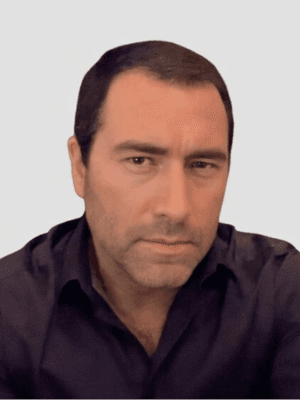
•
-
Human Health
How an Entrepreneur Built His Own R&D loop - and Reached No Evidence of Disease
When Sid Sijbrandij, co-founder of Gitlab, was told he’d exhausted every standard option to fight his osteosarcoma, he didn’t accept it. He assembled a global team of physicians and scientists, worked with labs and clinics across multiple countries, did maximum diagnostics, and made personalized therapeutics - building a personal R&D loop that let him stay ahead of his disease. Today, he has no evidence of disease.
Featuring
Speaker Coming Soon
•
-
Human Health
Fireside chat with GitLab Founder Sid Sijbrandij and Dyno Therapeutics CEO Eric Kelsic
Following Sid Sijbrandij's keynote, he will sit down for a fireside chat with Eric Kelsic, founder and CEO of Dyno Therapeutics, on the topic of genetic agency and personalized medicine.
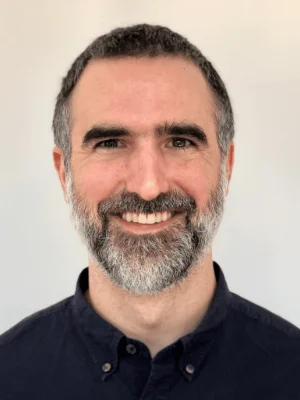
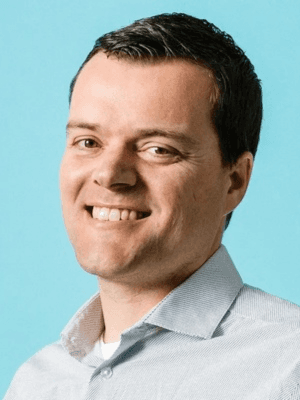
•
-
Tools & Tech
Design vs. Deployment: Cutting the Bullsh*t in Computational Enzyme Engineering
Designing functional enzymes in silico has never been easier. Deploying them? Not so much. In this talk, Zymvol CEO Maria Fátima Lucas will address an overlooked reality: that the true bottleneck isn't the enzyme design itself, but the path to scale-up, manufacturing and commercialization. We will explore why current AI-only methods are not (yet) a standalone solution and how a physics-based hybrid approach can provide the missing link for R&D teams looking to move into large-scale production.
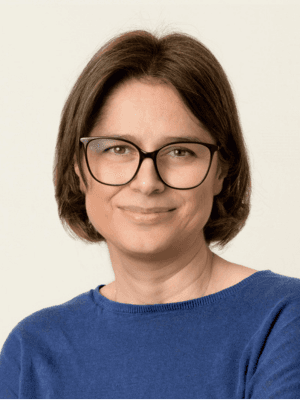
•
-
Tools & Tech
Programming Smell: Turning Insect Biology into a Digital Nose
What if scent could be decoded like DNA? Scentian Bio is harnessing insect odorant receptors — nature’s most sensitive chemical detectors — and integrating them with nanotechnology and AI to unlock real-time chemical information with the first ever digital nose. From identifying off-notes in food and beverages to recognising environmental and security risks to tracking health and detecting the first signs of disease, this technology transforms smell from a subjective experience into programmable biological intelligence. The future of sensing isn’t electronic — it’s biological.
•
-
Biomanufacturing
Thinking Outside the Tank: Biomanufacturing with Transgenic Drosophila
We have entered a golden age of biology, where AI tools can design novel molecules in minutes, functional tissues can be grown from stem cells, and human life can be extended. However, all of these innovations require scaling biomanufacturing and a massive gap remains. Traditional biomanufacturing platforms like CHO and E. coli are hindered by immense CAPEX requirements, slow infrastructure scaling, and biological bottlenecks - where creating a stable cell line alone can take upwards of 24 months. In this lightning talk, Future Fields introduces the EntoEngine™, a revolutionary biomanufacturing platform that replaces stainless steel tanks with the world’s most sophisticated multicellular bioreactor: Drosophila melanogaster. By moving beyond the tank, we eliminate the traditional trade-offs between speed, cost, quality, and protein complexity. We will showcase how the EntoEngine enables the predictable manufacturing of challenging proteins at a fraction of the time and cost of legacy systems. Discover how a decentralized, biology-first approach to manufacturing is essential to empowering the next generation of synthetic biology and reaching our goal of impacting one billion lives.
•
-
Biomanufacturing
Building the Next Production System for Molecules
The world does not have a feedstock problem. It has a transformation problem. Many of the molecules modern industry depends on are still too difficult, too inconsistent, or too expensive to manufacture at scale. Enzymit is building a new production system based on AI-designed enzymes and cell-free manufacturing, combining the selectivity of biology with the control of industrial processing. We have proven this first in hyaluronic acid, where molecular precision directly affects product performance and manufacturing value. Hyaluronic acid is the wedge. The broader opportunity is to establish cell-free manufacturing as a foundational production layer for the carbon economy.
•
-
TBD
The Need for Speed: Accelerating the Design-Build-Test-Learn Cycle in Biology
Scientific discovery is only as fast as your slowest bottleneck. For too long, that bottleneck has been the “test” and “learn” phase, limited by slow sequencing technology and inefficient analysis workflows. Learn how ultrafast and affordable sequencing-as-a-service is speeding up experimental biology and accelerating discovery through fast feedback loops.
•
-
Biomanufacturing
Can edible microbes slash the cost of oral GLP-1s?
•
-
Human Health
Repairing Minds, Restoring Species: Biology’s Next Frontier
We are entering an era where intelligence (either biological or artificial) can be repaired, expanded, and reimagined. From autologous stem cell therapies for neurodegeneration to the neuroscience of creativity and the de-extinction of keystone species, this panel explores how programmable biology is transforming both minds and ecosystems. What happens when we can repair the brain, extend cognition, reverse extinction, and engineer resilience across species? And how do we responsibly navigate a world where biology is no longer fate, but design?
•
-
Planetary Health
Rooted in Resilience: Speeding Up SynBio Plant Adaptation in a Rapidly Changing Climate
Climate volatility is reshaping the future of food, demanding plants that can withstand heat, drought, and disease. Synthetic biology offers powerful tools to accelerate adaptation—engineering plants with traits that once took decades to breed. This session explores how innovators are designing resilient plants, building platforms for rapid trait development, and forging collaborations across agtech, biotech, multinationals, and policy. Join us to hear how synbio is moving beyond the lab to the field, reshaping agriculture for resilience, and ensuring farmers worldwide can thrive in the face of climate uncertainty.
Featuring
Lyle Ralston
Bayer Crop Science
CE Platform Lead
Engineering Crops for global food security
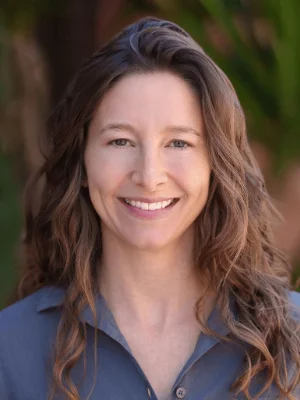
Emily Hatas
Revive & Restore
Vice President
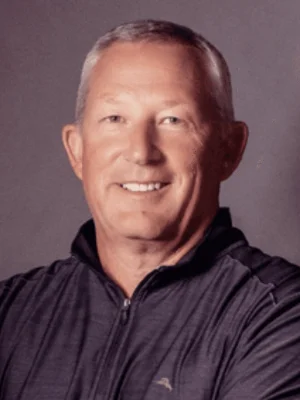
Bruce Schnicker
Pivot Bio
VP, Product Dev
Sowing the seeds for Biology's future
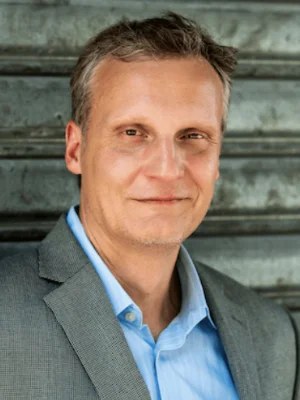
Michael Ferrari
Moby
VP, Head of Research
Data/AI “world-models” researcher bridging synbio to real markets.
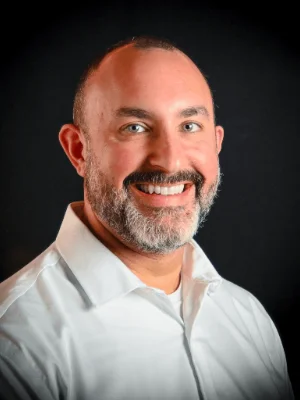
Joshua Geilhufe
Rhiza Bio Cons.
Principal
First-market strategist for synbio agriculture and fermentation.
•
-
Biomanufacturing
Bio-Sharpened: Enzymes Transforming Cleaning, Processing, and the Industrial Food System
Enzymes are becoming the precision tools behind cleaner, more efficient, and more sustainable production across both home-care and food manufacturing. In cleaning products, next-generation enzymes replace harsh chemicals with biodegradable, high-performance biocatalysts that work at lower temperatures and deliver superior stain, odor, and grease removal. In food processing, engineered proteases, lipases, amylases, and fiber-modifying enzymes are unlocking new textures, cleaner labels, better stability, and reduced energy use—reshaping how everything from dairy and bakery to beverages and plant proteins are made.
Featuring
Michael Hershkowitz
IFF
Dir., Sustainable Innovation
Alex Rosay
Cascade Bio
Co-founder & CEO
Made enzymes last months with “Body Armor.”
Trevor Nicks
Caravel Bio
Founder & CEO
Matthew Thompson
Biomatter
VP - Industrial Biotech
Reimagining enzymes for industrial biomanufacturing with AI

Karl Schmieder
Messaging Lab
CEO
•
-
Planetary Health
Artificial Colours are Out, Bio is In: SynBio’s Opportunity–and Risk–in a Changing Food Landscape
Synthetic biology has long offererd vibrant pigments and functional ingredients with consistency, scalability, and improved sustainability. While many US policy shifts are creating headwinds for biotech innovation, the regulatory momentum around food colors and ingredients could open a significant opportunity for synbio adoption. This session examines the opportunities and risks ahead, highlighting how innovators can align with shifting rules, build trust, and bring bio-based ingredients from lab to label in a rapidly evolving food landscape.
Featuring
Birgit Cameron
Prism Bio, Inc.
CEO, Co-founder
Patagonia Provisions cofounder now fermenting sustainable, vivid natural colors.
Ricky Cassini
Michroma
CEO
Gregory Hocking
Mars Snacking
VP Global R&D New Innov. Territories
Reinventing snacking through sustainability and startup bets.
Erum Azeez Khan
Messaginglab
Partner
•
-
Planetary Health
Biology Without Cells: The Rise of Cell-Free Biomanufacturing
Cell-free systems are redefining what’s possible in bioproduction. By bypassing the complexity of living cells, innovators can run enzyme cascades, prototype metabolic pathways, and produce high-value molecules with unmatched speed, precision, and purity. This new class of systems—from freeze-dried reactions to continuous cell-free reactors—enables rapid iteration, on-demand production, and scalable biochemistry without the need for fermentation tanks or long development cycles.
Featuring
Amy Locks
Anzen Industries
CEO
Enzyme-stabilization expert building cell-free modular “enzyme reactors.”
Jonathan Weinstein
Scala Biodesign
Prin. Scientist, Protein Design Alg. & AI
Christopher Pirie
Decycle Bio
CEO
De-novo, cell-free enzyme cascades converting waste into chemicals
Neeka Mashouf
Rubi Laboratories
CEO and Co-founder
Cynthia Collins
Ginkgo Bioworks
GM, Ginkgo Reagents
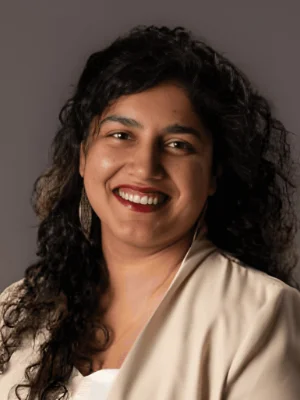
Kavya Sharman
Phase Capital
Managing Partner
•
-
Business of Biology
Decentralized Biology: Designing Community-Scale Bioeconomies
How can local communities benefit from biotechnology? This session explores strategies for building decentralized biotech ecosystems that support local innovation, shared ownership, and resilient bioeconomies. By aligning biotechnology with planetary stewardship and place-based knowledge, we highlight a new era of bio-based products and initiatives led by founders bringing their culture and community into biotechnology.
Featuring
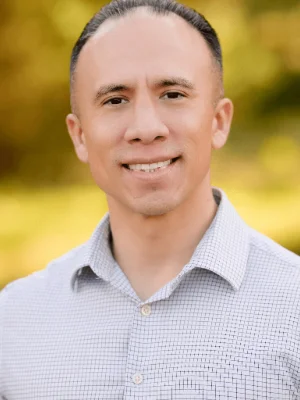
Rolando Perez
Stanford University
Senior Scientist
Transdisciplinary practitioner bridging AIxBio, fungi, space, equity.
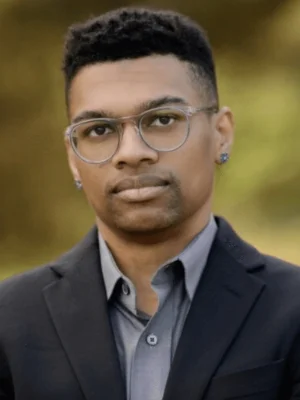
Leon Elcock
Independent
Researcher
Synbio community-builder championing “cyan-collar” biomanufacturing workforces.
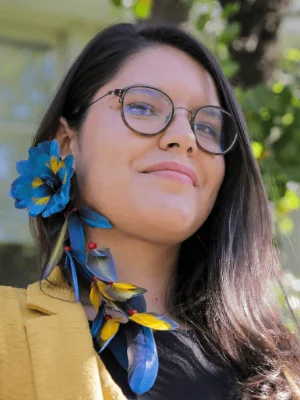
Maria Astolfi
Keasling Lab, UCB
Doctoral Candidate
Indigenous Amazonian benefit-sharing advocate, AI genome-miner.
Onye Ahanotu
Ikenga Wines
Founder
Brewing science, culture, and sustainability
Sakti Subramanian
Stanford University
Undergraduate
Building the Midwest synbio community.
Callie Chappell
Stanford University
NSF Postdoc Fellow
Building “LABraries”—public-library biotech labs bringing biology to everyone.
•
-
Planetary Health
From Discovery to Field: How Bayer Crop Science R&D Turns Innovation into Solutions for Farmers
Join Bayer Crop Science researchers and innovators for a hybrid presentation and panel discussion exploring how cutting-edge R&D is transforming agricultural innovation. Speakers will cover AI foundation models and multimodal approaches for trait discovery, AI-enabled protein design for herbicide tolerance and insect control, next-generation crop protection strategies for new modes of action, and leveraging open innovation to advance Bayer's biologicals portfolio. The session concludes with a moderated panel discussion on the future of agricultural science and its impact on farmers worldwide.
Featuring
Lyle Ralston
Bayer Crop Science
CE Platform Lead
Engineering Crops for global food security
Leah Briscoe
Bayer Crop Science
Data Scientist
Tommi White
Bayer Crop Science
Structure & Mech. Team Lead
Paramita Deria
Bayer Crop Science
Discovery Chem. & Chem. Biology
Alberto Iandolino
Bayer Crop Science
Ext. Innov. & Partnership - Biologics
Joshua Geilhufe
Rhiza Bio Cons.
Principal
First-market strategist for synbio agriculture and fermentation.
•
-
Planetary Health
A Proposal for Building a Standards and Stewardship Clearinghouse for the Governance of Biology Beyond Conventional Containment
As biotechnologies increasingly move beyond conventional containment into open environments, existing governance systems are struggling to keep pace. This session introduces a proposal for a Standards and Stewardship Clearinghouse designed to support the responsible development, testing, and deployment of these technologies. This proposal emerged from a working group formed at a Biotechnology Beyond Conventional Containment (BBCC) workshop on policy and governance at the Caltech Linde Center for Science, Society, and Policy. We will explore key gaps in current regulatory and stewardship models, draw lessons from analogous efforts, and outline a potential path forward. The session is designed to be discussion-driven, inviting participants to critically evaluate the clearinghouse concept, identify priorities, and help shape its role in advancing safe, transparent, and trusted innovation.
Featuring
Zack Abbott
ZBiotics
CEO
•
-
Planetary Health
When Patients Become Pioneers: Parents Driving the Search for Rare Disease Cures
When a child has a rare disease with no treatment or cure, some parents do far more than advocate: they learn the science, build networks, fund research, and help create entirely new paths to therapy. This panel brings together parents who have become active participants in the search for answers, not because they planned to, but because time left them no alternative. For a SynBioBeta audience of researchers, founders, and builders, this is a chance to hear directly from the people living on the receiving end of scientific progress — and scientific delay. It is also an invitation: if you are working on a tool, platform, or idea that could help, these families are ready to collaborate.
Featuring
Speaker Coming Soon
•
-
Longevity
Mitochondrial transplantation and genome editing: engineering the metabolic engine of complex life
Mitochondria are often pigeon-holed as the "powerhouse of the cell", giving the false impression that their primary role is as an ATP generator passively responding to the energetic demands of their environment. This is far from the truth. The mitochondria exist as a dynamic network that senses, integrates, and transduces biochemical, energetic, and physical signals, and these signals shape cell fate, lifespan, cancer risk, and more. This session explores emerging tools and methods to edit the small, maternally-inherited, circular mitochondrial genome present in dozens-to-hundreds of copies per cell as a means to prevent mitochondrial disease and optimize metabolic fitness. Additionally, we will discuss the promise of mitochondrial transplantation methodologies as a therapeutic intervention and to discuss the possible routes for mitochondrial metabolic engineering and a range of synthetic developments.
Featuring
Mariëlle van Kooten
Powerhouse Bio
CEO
Mitochondrial bioengineer
Colwyn Headley
Stanford University
Instructor
Mitochondrial-transplantation researcher targetting aging-immune heart disease
Ryan Olf
ARIA
Programme Director
Physicist chasing moonshots from quantum gases to biotech.
Gordon Freedman
MitoWorld
Publisher
Mitochondrial-medicine ecosystem builder
•
-
Business of Biology
Bio-Ready America: Advancing Bioliteracy to Power the U.S. Bioeconomy
As the U.S. accelerates into the age of biotechnology, the future of our national competitiveness, economic growth, and security depend on a workforce and citizenry fluent in biotechnology. This panel brings together leaders to explore how bioliteracy and a biotech-ready workforce can become strategic assets to power the U.S. bioeconomy.
Featuring
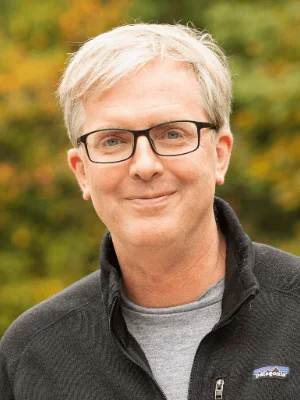
Drew Endy
Stanford University
Hoover Inst Fellow
Synthetic biology pioneer, co-founded iGEM and BioBricks.
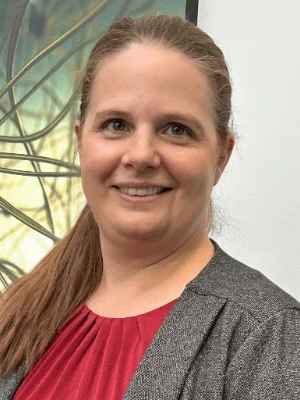
Amy Jenkins
AstraZeneca
Sr Dir, Strat & Ops
Pandemic-response biotech leader; built rapid antibody platforms.
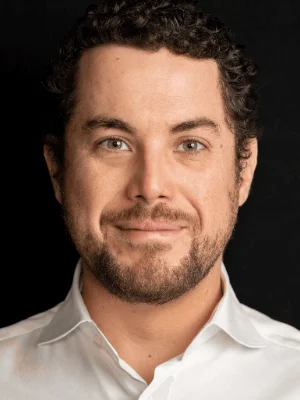
Stuart Sevier
IMI
President
Physicist turned science-media trust builder amplifying research stories.
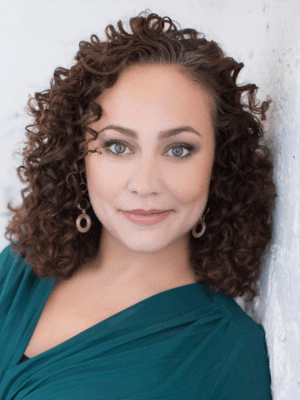
Maria Thacker-Goethe
Georgia Life Sciences
President & CEO
Kerri Dugan
Applied Research Institute
SVP Biotech
ALL
Tue May 5
Wed May 6
Thu May 7
Tuesday
May 5
•
-
Human Health
Programmable Immunity: Engineering the Universal Antivenom
For over a century, antivenoms have relied on serum extraction from animals — a process that’s costly, inconsistent, and limited to specific snake species. Today, advances in synthetic biology and antibody engineering are pointing toward a different future: a universal antivenom capable of neutralizing toxins across the world’s deadliest snakes. This session dives into the science and story behind this breakthrough — from the man who endured more than 200 bites to generate a unique immune response, to the researchers using those antibodies to design broad-spectrum, recombinant therapies. Together, they’re charting the path from survival experiment to programmable immunity.
•
-
AIxBIO
Engineering Cell Fate: A Foundation Model to Transform Biology into an Engineering Discipline
AlphaFold cracked the code of protein structure. The next major frontier is decoding the dynamic behavior of the living cell itself. A fundamental challenge in modern biology is that of precise, engineered cellular control. Cells possess their own language for communicating with each other -- cell signaling -- which directs core biological processes like development and is frequently dysregulated in disease. Remarkably, biology achieves this complexity using a surprisingly concise vocabulary: only around 20 fundamental molecular signaling pathways have been identified to date. It is the combinations and orders in which they are used that underlies how such a small number of pathways can give rise to the staggering diversity of human cell types and states. In principle, because these pathways are readily manipulated by small molecules, they provide a potent mechanism through which we could control cellular decision-making. However, despite decades of effort, we have not yet deciphered the grammar of this language. Today, the effects of a given signal are largely determined through an empirical, trial-and-error process -- due to two compounding challenges: combinatorial complexity and context dependence. This talk outlines Cellular Intelligence's solution: the construction of the first Universal Virtual Cell-Signaling Model, a platform intended to compute how any cell state will change in response to external signals. By combining the paradigm of developmental biology -- nature's own proving ground -- with our proprietary multiplexing platform, we transform cell signaling from an empirical art into an engineering discipline built for therapeutic design. We aim to unlock high-impact applications: from guided cell therapies that replace lost tissues, to context-specific drug response prediction, to new ways of modeling disease as signaling network failures. Our goal is to understand, predict, and ultimately control cellular behavior.
•
-
Human Health
Built without Bacteria: Rethinking DNA for the Next Wave of Biotechnology
Synthetic biology has changed, but the way DNA is made largely hasn’t. From mRNA therapeutics and gene editing to protein engineering and advanced vaccines, today’s most important applications demand DNA that is more accurate, more complex, and easier to use, without bacterial constraints. Yet much of the industry still depends on cloning workflows that introduce delays, contamination risk, and unnecessary limits on what can be built and how quickly teams can move. In this talk, we’ll explore why DNA remains one of the field’s most persistent bottlenecks, and why the future of DNA manufacturing will need to move beyond cloning. We’ll look at how cell-free approaches are removing bacterial constraints, and how the field is opening up through both cell-free DNA as a service and more accessible, kit-based assembly models that bring DNA manufacturing closer to the user. Together, these models have the potential to make advanced DNA easier to access, easier to integrate, and better aligned with the pace of modern biological development
Featuring
Jodi Barrientos
Ribbon Bio
CEO
•
-
AIxBIO
Designing Enzymes Without Compromise. Powered by Intelligent Architecture™
Biology will be the center of the next industrial revolution, representing a $4 trillion economic opportunity. Yet, this value remains overwhelmingly unrealised for one fundamental reason: nature never intended to power industrial manufacturing. Biology was optimized for survival, not for the high-efficiency processes required to transform the global economy. For too long, the industry has relied on incremental improvements, essentially duct-taping enzymes and calling them industrial. At Biomatter, we believe that complete freedom to design any enzyme is the only way to realize the full potential of biomanufacturing. By combining Generative AI with rigorous physics engines, our Intelligent Architecture™ platform allows us to step outside the bounds of natural selection and build enzymes from the bottom up. We are turning the "previously impossible" into routine. From liberating enzymes of their cofactor dependencies for mRNA raw materials to designing lactases that reject the trade-off between lactose removal and high GOS fiber formation, we are proving that biology’s limits are negotiable. Join us to see how we are building the enzymes nature couldn't.
•
-
Human Health
A 200 Million-Year-Old Bioreactor
As artificial intelligence dramatically accelerates the design of proteins, manufacturing has become a critical bottleneck for medical breakthroughs reaching patients. The infrastructure for producing biologics has remained largely unchanged for over fifty years, and is capital-intensive, slow to scale, and dependent on fragile supply chains. Neion Bio is replacing nearly every component of this infrastructure, from bioreactors to cell culture media, with nature’s most prolific protein factory: the chicken egg. Enabled by breakthroughs in genome engineering and stem cell technology, Neion creates genetically engineered chickens that lay eggs filled with medicines. As a result, they produce life-saving therapeutics at the cost of egg production, eliminate scale-up risk with simple breeding programs, and solve the problem of resiliency by running on grain and water. A small Neion farm can produce the global supply of essential medicines, and can be set up nearly anywhere in the world.
•
-
Planetary Health
Got to Have It: Bio-Derived Ingredients that Drive Meaningful Performance, Delight, and Craveability in Consumer Products
Biotechnology is enabling a new generation of ingredients that elevate both product performance and sustainability. In this fireside chat, leaders from Procter & Gamble will discuss how biotech is being applied across key material classes to enhance consumer products, highlighting innovations behind their latest Native launch and emerging bio-derived ingredients for hair and beauty. The conversation will also explore how biotech platforms are helping shape the future of high-performing, sustainable consumer goods.
Featuring
Jose Carlos Garcia-Garcia
Procter & Gamble
Sr. Dir., Research Fellow
Builds biotech “from microbes to marketplace” at consumer scale.
Amy Trejo
Procter & Gamble Company
Dir. Hair Care Sustain.
Bridges biology and big brands
Mikah Coffindaffer
Procter & Gamble
R&D Director
John Cumbers
SynBioBeta
Founder & CEO
Founder of SynBioBeta: synthetic biology’s global connector and storyteller
•
-
Tools & Tech
A 10-Year Overnight Success: Building Twist Bioscience One Base at a Time
While Twist Bioscience may look like an overnight success, its rise reflects a decade of persistence, innovation, and platform building. In this main stage keynote, CEO and co-founder Emily Leproust shares the journey from startup vision to global leader in DNA synthesis and programmable biology, highlighting lessons learned scaling deep technology, navigating industry cycles, and building trusted infrastructure for biotech and pharma. Looking ahead, Twist is positioning itself at the forefront of the convergence between AI and biology, using DNA as an information layer to accelerate drug discovery and advance human health. This keynote explores how long-term thinking and bold ambition are shaping the next era of AI-driven therapeutics.
•
-
AIxBIO
Decoding the Grammar of Protein-Protein Interactions: A Function-First Paradigm Shift
While the industry has seen massive AI breakthroughs lately, predicting actual biologics affinity and immunogenicity remains the industry's greatest challenge. DeepSeq.AI is driving a paradigm shift from "Structure-First" to "Function-First" by training protein language models on billions to trillions of experimental protein interactions in a single experiment. This enables high-fidelity mapping of biologics against a broad spectrum of critical antigens, including viruses, human immune receptors, and the entire human proteome. Such scale is critical for designing broad-spectrum biologics that remain safe and effective against evolving variants. Validated by Genentech and funded by DARPA and the NSF, our platform further scales to human proteome profiling for pharmacokinetics optimization. In this presentation, we will share this novel platform that decodes the "protein-protein interaction grammar" to advance candidates into the clinic with unprecedented accuracy.
Featuring
Andrew Chang
DeepSeq.AI
CEO
•
-
Human Health
From Cells to Patients: Solving the Scale Mismatch in Virtual Biology
Drug discovery often measures biology at the cell level, while therapies must ultimately work across tissues, organs, and whole patients. This scale mismatch means that even highly accurate cellular predictions can fail to translate in the clinic. This session explores strategies to bridge that gap. How do we connect single-cell dynamics to organ-level physiology and patient outcomes? How do we preserve biological context while scaling models? And how do we ensure that virtual biology does not stop at simulation, but informs real therapeutic decisions? Speakers will discuss multiscale modeling that links molecular and cellular systems to higher-order biology; spatial and high-dimensional phenotypic data that retain context; and integrated computational–experimental loops that translate cellular signals into clinically meaningful biomarkers. Together, we ask: how do we ensure virtual biology reflects not just what cells do in isolation, but how biology behaves in the full complexity of patients?
Featuring
Marc Tessier-Lavigne
Xaira
Chairman & CEO
Neuroscience pioneer and former Stanford president building AI biotech.
Kim Branson
GlaxoSmithKline
SVP, Global Head
Drug-discovery AI architect turning data into medicines.
David Hallett
Recursion
CSO
Veteran “drug hunter” leading Recursion’s industrialized, AI-driven discovery.
Ron Alfa
NOETIK Inc.
Co-Founder & CEO
Physician-scientist and Recursion veteran building AI cancer therapeutics.
Stacie Calad-Thomson
NVIDIA
BD, Life Sciences
•
-
Biomanufacturing
inGenius®: Engineering Biology Beyond the Hype
For 20+ years, the synthetic biology community has generated breakthrough targets, but too many continue to stall at the same choke points: freedom-to-operate, productivity, process robustness, CMC readiness, and the leap from “works in the lab” to “works at scale.” In this lightning talk, Ingenza will share how we’ve repeatedly helped teams cross that valley of death, turning innovative discoveries into manufacturable realities across industrial biotech and therapeutics. We’ll spotlight our inGenius® platform: a proven panel of high-performing microbial and mammalian production hosts paired with AI/ML-driven enzyme discovery and gene design optimisation (codABLE®), scalable upstream and downstream platform process workflows, and a comprehensive suite of high-end analytical tools that accelerate and de-risk the path from early discovery to market readiness. Powered by 20+ years of successful delivery, expect rapid, real, case study driven lessons from the front lines: what fails most often, what fixes it fastest, and how to design with manufacturability from day one without slowing innovation. If you’re engineering biology to improve human health or the planet, this talk is your shortcut to faster timelines and better outcomes that help SynBio move at the speed it promises.
•
-
Biomanufacturing
When Bioreactors Learn to Think for Themselves
Any device designed for human operators is ultimately limited by human cognitive bandwidth. Modern biological manufacturing still relies heavily on human operators to monitor and adjust living fermentation processes in real time, a bottleneck that limits scale and consistency at both R&D and commercial scale. Pow.Bio co-founder and CTO Ouwei Wang will reveal how building an AI-driven control platform - one that layers predictive simulation, self-optimization, and autonomous decision-making in a system managing these processes without human intervention - is turning biomanufacturing from an art into an autonomous science.
Featuring
Ouwei Wang
Pow.Bio
CTO & Co-founder
•
-
Planetary Health
Fertilizer Feeds the World. It’s Time to Reinvent it with Biology
Modern agriculture runs on synthetic nitrogen fertilizer—a system that feeds the world, but depends on energy-intensive production and fragile global supply chains. Every few years, a crisis reminds us how vulnerable it is. Biology has long promised an alternative, but making nitrogen-fixing microbes work reliably in the field has remained one of the hardest challenges in synthetic biology. At Switch Bioworks, we’re taking a new approach: engineering microbial systems that dynamically control nitrogen release directly on plant roots. This talk will cover what has held the field back, what’s changing now, and how biology could fundamentally reshape one of the largest industries on Earth. It's time to reinvent fertilizer. Its time to Switch.
•
-
Tools & Tech
Diamonds, Lasers, and AI: Next-Gen Tools for Bioprocess Monitoring
Current bioprocess monitoring is limited to basic environmental proxies like pH and dissolved oxygen. Schmidt Sciences is changing this paradigm by adapting advanced physics for biology. This talk introduces three cutting-edge sensing platforms currently in development: fluorescent nanodiamonds, single-cell Raman spectroscopy, and non-invasive optical frequency combs. Join us to learn how these high-dimensional data streams are being integrated with machine learning to predict campaign outcomes and revolutionize how we monitor cell health at scale.
•
-
Business of Biology
Investor Roundtable Luncheon
Once a year we put the investors in a room by themselves. No startups. No pitches. No slides. Just the people actually moving capital across biotech and synthetic biology, talking honestly about what they're seeing: what's working, what might be overhyped, and where the real opportunities are right now. It's the conversation you can't have when founders are listening. It's invitation-only and space is limited
Featuring
Kid Parchariyanon
SeaX Ventures
Managing Partner
Physician-turned VC backing exponential deeptech and synbio.
David Welch
Synthesis Capital
CSO & Co-founder
Alt-protein scientist-investor, ex-Good Food Institute tech strategist.
Shelby Newsad
Compound
Partner
Scientist-turned-investor funding bold biotech bets.
Jessica Owens
Initiate Ventures
Managing Partner
Venture-studio builder, backing tech-bio moonshots.
•
-
General
Next Gen Bio Leaders Luncheon
This special luncheon brings together the rising stars of synthetic biology and biotechnology. Each participant has been hand selected as part of this year’s Next Gen Bio Leaders program, recognizing a group of exceptional individuals who represent the next wave of innovators, founders, and industry leaders shaping the future of the bioeconomy. In this invitation-only gathering, attendees will have the opportunity to connect with fellow honorees, share ideas, and build relationships with peers who are pushing the boundaries of science, technology, and entrepreneurship. Join us for a celebratory and inspiring conversation with the best of the next generation of bio leaders.
Featuring
Speaker Coming Soon
•
-
Tools & Tech
Berkeley Lab: Leading the way in DOE-funded AI for Biosciences
Berkeley Lab is transforming and creating large-scale, multi-modal data to train AI models for usable predictions. The Lab is creating data lakehouses that allow programmatic access for querying across data types. This effort includes generating integrated, multi-omics and high-quality datasets that allow modeling of dynamic biological systems; this requires accurate annotation, curation, and accompanying metadata.
•
-
AIxBIO
Agentic AI: A Biomodeling Revolution in the Making
This talk will introduce the development of artificial Agents to model biological phenomena in molecular biology, biotechnology, and synthetic biology incorporating reinforcement learning, differential equation modeling of molecular dynamics, and agentic bio-causal reasoning. Agent to agent interaction with the A2A and PoR protocols, and MCP and API interfaces to Machine Learning (Neural Network) Models including causal reasoning models and bio-specific models will be discussed. Synthetic biology deals with huge possibility spaces in terms of the combinatorics of nuceotide and proteomic sequences in proposed novel genes and proteins and how to constrain possibility spaces into computable functional novel genes, genetic circuits, gene regulatory networks and novel functional proteins will be discussed. Hence the sheer complexity of biological phenomena requires advanced Agentic AI and machine learning models to efficiently process, find patterns in, and reason about these complex systems with hundreds of thousands of variables, millions of connections, and potentially trillions of parameters. The current state of Agentic Bio research will be covered and where the research needs to go will be elucidated. Finally an application of Agentic Inter and Intra-cellular Signaling will be presented in detail to see the nuts and bolts of how Agentic AI can model a biological phenomenon with molecular biological, medical, and synthetic biological applications. The presenter’s background includes advanced degrees in computer science and computational molecular biology with experience in bio-computational modeling including a computational neuroscience project at Stanford where the neurogenetic and synaptic development of the C.elegans’ brain was modeled. Synthetic Biology: the possibility spaces are endless!
•
-
General
"Book Signing" Meat: How the Next Agricultural Revolution Will Transform Humanity's Favorite Food―and Our Future
•
-
General
Press Conference
This press conference at SynBioBeta 2026 brings together members of the media with key voices from across the synthetic biology and biotechnology ecosystem. The session will highlight major announcements, emerging innovations, and important themes shaping the future of the industry, while offering press the opportunity to hear directly from leaders and innovators participating in the conference.
Featuring
Speaker Coming Soon
•
-
AIxBIO
Designed, Not Discovered: From Prompt to Drug-Like Antibody
Drug discovery has long meant screening vast libraries and optimizing whatever survives. Semiconductors and aircraft broke from this pattern, designed computationally before fabrication. Biologics may now be crossing the same threshold. Generative AI enables antibodies to be designed from first principles, rather than found. Latent-X2 generates drug-like candidates with developability and low ex vivo immunogenicity from the first generation, properties that previously required years of optimization, matching or exceeding approved therapeutics in head-to-head comparisons. Latent-Y extends this into fully autonomous campaigns: from text prompt through target analysis, candidate design, and computational validation, to lab-ready sequences. Across nine targets, it produced confirmed binders against six, a 67% success rate at single-digit nanomolar affinities, completed 56 times faster than expert estimates. In this keynote, Simon Kohl (CEO, Latent Labs) will share what this shift looks like in practice: what works, what remains hard, and what it means when the starting point is no longer a library, but a prompt.
Featuring
Simon Kohl
Latent Labs
Founder & CEO
•
-
Tools & Tech
25 Years of the PURE System: Rebuilding Cell-Free Protein Synthesis for the Future
The PURE system, invented 25 years ago, established a fully reconstituted approach to cell-free protein synthesis. What began as a system to better understand translation has evolved into a versatile platform for engineering biology. This talk highlights how PURE-derived platforms such as PUREfrex® enable rapid prototyping, high-throughput screening, and AI/ML-driven optimization, accelerating synthetic biology and next-generation biologics development.
Featuring
Speaker Coming Soon
•
-
Planetary Health
Using Science to Remake Meat: The Next Agricultural Revolution
Meat is one of the world’s most complex biomanufacturing systems—and also one of its least optimized. For 12,000 years, we’ve cycled crops through animals to make meat. Drawing from his new book Meat, Bruce Friedrich contends that advances across science and engineering now make it possible to produce meat far more efficiently, which will reduce meat’s contribution to hunger, climate change, deforestation, antibiotic resistance, and pandemic risk. Most importantly for the success of alternative meats, these new technologies will also improve food security and add to GDP for the nations that lean in. It’s been exactly ten years since the first plant-based burgers were introduced and also exactly ten years since the first cultivated meat companies were incorporated. Bruce will reflect on how far we’ve come, how far we have to go, and what it's going to take to get there. Welcome to the next agricultural revolution—courtesy of science.
•
-
AIxBIO
From Cells to Simulation: Building the Data Engine for Predictive Human Biology
The primary barrier to a general-purpose biological simulator, (a model that can actually predict the phenotypic level response of the human body to any intervention), is not a lack of compute, but the absence of causal, human-relevant datasets. In this talk, Matt Osman outlines emerging approaches to address this gap through iPSC-derived tissues that function as both therapeutic platforms and scalable engines for data generation. Polyphron explores why high-fidelity human tissue is uniquely capable of capturing emergence, where molecular interactions translate into functional outcomes, and why generating this data across diverse genotypes is essential to building true ground-truth datasets. By closing the loop between lab-grown tissue and clinical outcomes, this approach points toward a shift from sparse, mechanism-limited data to a more predictive and programmable framework for human health.
•
-
Tools & Tech
Engineering Resilient Pharma Supply Chains with Biology
For decades, pharmaceutical supply chains were optimized for cost and scale, stretching across continents to source critical active ingredients. But fragility has made resilience a strategic imperative. Synthetic biology offers a new model: onshoring the production of essential APIs by programming cells to manufacture small molecules, peptides, and novel amino acids with precision and scalability. Instead of relying on distant chemical supply networks, biology becomes the factory—flexible, distributed, and programmable. This session explores how engineered microbes and directed evolution platforms are rebuilding pharma supply chains from the molecular level up, enabling secure, responsive, and locally anchored production of the medicines the world depends on.
Featuring
Ola Wlodek
Constructive Bio
CEO
Leader in Non-Canonical Amino Acids and genome design
Christina Smolke
Antheia
CEO & Co-Founder
Synthetic-biology pioneer decoupling medicines from fragile supply chains.
Tina Boville
Aralez Bio
Co-founder & CEO
Enzyme engineer expanding peptide chemistry’s noncanonical frontier.
•
-
Planetary Health
Everyday Bio: Understand the Bio-Products Consumers Love—and Why
Biotech is no longer behind the scenes—it’s on our shelves, in our homes, and part of our daily routines. From sustainable haircare to household cleaning, and high-performance materials, bio-based innovations are redefining everyday consumer experiences. This session explores what drives adoption, how brands communicate the value of biology, and why trust, transparency, and performance are key to building loyalty. Join us to hear from the companies making biology irresistible, accessible, and seamlessly integrated into daily life—and learn what it takes to create bio-products consumers truly love.
•
-
AIxBIO
Beyond Static Predictions — AI for Protein Dynamics and Multi-Cell Models
The next frontier of biology isn’t in predicting a single static protein structure, but in capturing how proteins move, fold, and interact across time and environments. This session explores how AI can illuminate protein conformations and dynamics, and extend those insights into virtual multi-cellular or tissue models. Experts will discuss the challenge of integrating heterogeneous datasets and instruments, and how breakthroughs in dynamic modeling could reshape drug design, disease understanding, and biomanufacturing. Can we build models that reflect the living, breathing complexity of biology—not just snapshots, but motion?
Featuring
Gabriele Corso
Boltz
CEO
Built DiffDock and the Boltz open-source models reshaping drug discovery.
Peter Clark
Novo Nordisk
VP, CDD
Computational drug-design leader, shipped candidates from CAR-T to peptides.
Theofanis Karaletsos
Achira
Co-founder
Tanja Kortemme
UCSF
Vice Dean of Research
De novo protein-design pioneer; NIH Pioneer Award winner.
Elliot Hershberg
Amplify Partners
Partner, Author
Driving the Century of Biology
•
-
Biomanufacturing
Full Stack Bio: How Can Biotech Collaborate to Achieve Scale with Competitive COGS
Scaling bio-based products requires integrated technical collaboration across strain engineering, fermentation, downstream processing, and analytics. Full-stack approaches—where startups, CDMOs, and platform technology providers align early on—can optimize yield, reduce variability, and lower cost of goods (COGS) at commercial scale. This session explores case studies of cross-company collaboration, from co-development of microbial strains and bioreactor designs to shared process analytics and predictive modeling. Hear how teams are breaking down technical silos to accelerate scale-up, improve reproducibility, and create competitive, sustainable manufacturing solutions that bring synthetic biology products from the lab to the market efficiently.
Featuring
Babu Raman
Corteva Agriscience
External Collab. Portfolio Leader
Colby Adolph
Evonik
Sales Director
Fermentation scale-up connector: turning prototypes into manufacturable reality
Ling Li
ADM
Dir. Market Dev., Prec. Ferm.
Precision fermentation dealmaker bridging startups, scale, and brands
Eric Lee
Primient
Director, B&D - Fermentation
Blake Simmons
LBNL
Dir. Bio. Sys & Engg
Ionic-liquid biomass deconstruction pioneer; National Academy of Inventors fellow.
Jamie Bacher
Huxley Project
Principal
Ag-biotech veteran guiding tech to market.
•
-
Tools & Tech
Breaking the Barriers of DNA Synthesis: Shattering the Ceiling?
For decades, DNA synthesis has been the limiting reagent in synthetic biology — reliable for short sequences, but increasingly error-prone and costly as designs scale. That ceiling is now cracking. New enzymatic synthesis platforms, error-correction chemistries, and assembly pipelines are extending what’s possible, opening the door to rapid construction of full pathways, microbial genomes, and even mammalian chromosomes. This session will explore how innovators are breaking past barriers, what technical and economic breakthroughs are needed next, and how longer, cheaper, and faster synthesis could fundamentally change how we design biology at scale.
Featuring
Jason Gammack
Ansa Biotechnologies
CEO
Turning DNA synthesis into a predictable, on-time “reagent.”
Emily Leproust
Twist Bioscience
CEO
Leader in DNA Manufacturing, put DNA writing on silicon.
Christopher Vakulskas
Integrated DNA Technologies
Sr. Dir. of Enzyme Dev.
Monique Coy
Corteva Agriscience
Program Leader
Jodi Barrientos
Ribbon Bio
CEO
Andrew Han
Ion Genomics
Editor
GenomeWeb editor covering sequencing and diagnostics markets.
•
-
Tools & Tech
Beyond Nature’s Alphabet: The Rise of Programmable Biomolecules
Biology has long relied on a limited molecular vocabulary shaped by natural evolution. Today, that alphabet is expanding. Advances in expanded genetic codes, non-canonical amino acids, macrocycles, de novo design, and AI-guided protein engineering are enabling scientists to create biomolecules with properties and functions that nature never evolved. This session explores the rise of programmable biomolecules at the intersection of biology, chemistry, and computation. Rather than simply optimizing existing proteins, researchers are building entirely new classes of functional molecules with novel architectures, chemistries, and therapeutic potential. From next-generation biologics to hybrid molecular scaffolds, the discussion will examine how the field is moving beyond nature’s defaults and toward a future where biomolecules can be designed with increasing precision, flexibility, and intent.
•
-
Tools & Tech
AI Co-Scientists: From Pipettes to Protocols
Biology is entering an era where AI agents don’t just analyze data — they co-design, plan, and execute experiments. Multi-agent systems like CRISPR-GPT demonstrate how AI can act as a true lab co-pilot: decomposing complex genome editing projects into stepwise workflows, selecting tools, troubleshooting, and even drafting protocols that allow junior researchers to perform sophisticated edits on their first attempt . Beyond CRISPR, new systems like BioMARS integrate reasoning agents with robotics, while biotech companies are testing “AI lab assistants” that monitor and adjust experiments in real time. This session explores how multi-agent copilots are making biology more reproducible, democratizing complex workflows, and pushing the boundaries of lab autonomy. The central question: when AI can plan, troubleshoot, and validate experiments end-to-end, how should scientists and institutions govern this new power?
Featuring
Le Cong
Stanford University
Associate Professor
CRISPR-GPT creator: AI co-pilot for gene editing.
Nick Edwards
Potato
Founder & CEO
Building "AI scientists" that automate closed-loop discovery.
Nicholas Larus-Stone
Benchling
Head of AI Agents
Bits in Bio founder building AI agents for science.
Will Serber
Ginkgo Bioworks
GM, Automation
•
-
Planetary Health
DNA Over Dynamite: How Biomining is Transforming Resource Recovery
Mining has long relied on brute force and chemistry, but biology is opening a new frontier. Biomining uses engineered microbes to extract metals and minerals with precision, efficiency, and far less environmental impact than traditional methods. From rare earth elements essential to clean energy to critical metals powering electronics, synthetic biology is reshaping how we source the building blocks of modern life. This session spotlights innovators designing bio-based recovery systems, scaling sustainable solutions, and reimagining resource extraction.
Featuring
Speaker Coming Soon
Samuel Jayakanthan
Vandstrom
Research Director
Protein nanochannel engineer chasing cheaper desalination at scale.
Luis Valencia
AlkaLi Labs
Co-Founder & CEO
Collaborating with microbes to recycle waste
Jayme Feyhl-Buska
Homeworld Collective
Critical Minerals Lead
Geomicrobiology builder turning microbes into cleaner mining tech
•
-
AIxBIO
The Data Reality Check: Human-First Biology for AI Models
Why do so many in silico models fail when moved to the lab or clinic? Too often, they’re trained on incomplete, non-human, or non-representative datasets. This session tackles the “data gap” head-on: from interoperability bottlenecks and the black box problem to the limits of current virtual cell simulations (~50 million perturbations vs. the billions biology demands). Panelists will explore how to create “human-first” datasets that reflect real biology, unlock mechanistic interoperability, and close the discovery–development divide. The goal: build AI tools that can directly identify viable drug candidates instead of stalling in silico.
Featuring
Julie O'Shaughnessy
Vivodyne
COO
Operational scale-up leader building a predictive human-tissue platform.
Johnny Yu
Tahoe Therapeutics
CSO & Co-founder
Avantika Lal
Genentech
Principal ML Scientist II
Building DNA foundation models that design regulatory sequences.
Daniel Georgiev
Sampling Human
CEO & Co-founder
Krish Ramadurai
AIX Ventures
Partner
TechBio investor backing AI-designed drugs and breakthroughs.
•
-
Biomanufacturing
The Road to Commercial Scale: Capital and Market Demands Beyond the Pilot Plant
Scaling bio-based products to commercial production requires balancing technical readiness with market and financial realities. This session examines the capital investments, regulatory planning, and supply chain strategies necessary to move beyond the pilot stage. Experts will share lessons on aligning production capacity with demand forecasts, managing operational risk, and structuring partnerships that unlock funding and market access. Attendees will gain practical insights into navigating investor expectations, scaling efficiently without compromising quality, and making strategic decisions that ensure products can succeed commercially while meeting evolving market needs and sustainability goals.
Featuring
Per Falholt
21st.BIO
CSO, Co-founder
Launched ~200 enzyme products, industrial biotech scale-up expert
Vanderlei Bellettini
ADM
VP Precision Ferm. Ops
Bioprocess scale-up veteran turning fermentation into real-world products
Richard Kenny
Hawkwood Bio
Founder & Mng. Partner
Techno-economic analysis for the bioeconomy
Verena Kallhoff
GHP
Sr. Dir, Global Life Sciences
Riccardo LoCascio
Novonesis
Partnering - Precision Proteins
Cindy Groff-Vindman
CINBIO
Founder
•
-
Tools & Tech
Your Cells Are Talking, Are You Listening? Measuring Physiology at Industrial Scale
Standard bioreactors often lack the instrumentation required to rapidly monitor cell physiology, leaving critical gaps in our understanding of scale-up dynamics. This session presents active projects from the Schmidt Sciences’ Sensors for Biomanufacturing Program designed to address this challenge through novel sensing modalities. Spanning from near real-time intracellular measurements to non-invasive off-gas fingerprinting, the panel brings together technology developers and industrial bioprocess experts to discuss the translation of these tools from the lab to the plant floor. Together, we will critically evaluate the utility of high-dimensional metabolic data and explore the engineering requirements for integrating physics-based sensors and machine learning into existing biomanufacturing workflows.
•
-
Human Health
Bridging Discovery and Delivery: Startup–Pharma Alliances for the AI Era
As biology becomes programmable and AI accelerates discovery, startups are generating breakthrough innovations at unprecedented speed. Yet translating these advances into real-world therapies still depends on effective collaboration with global pharmaceutical organizations. This session explores how the innovation ecosystem connects early-stage breakthroughs to scalable development, bringing together leaders from startup incubation, external innovation, and pharma strategy. Speakers will examine how AI-native biotech companies engage with pharma today: how startups become “pharma-ready,” how external innovation teams evaluate and structure partnerships, and what collaboration models are emerging as biology and computation converge. From early ecosystem support and venture building to strategic alliances and co-development pathways, the discussion will provide a practical look at how ideas move from discovery to patient impact in the AI era.
•
-
Biomanufacturing
Mind the Gap: Survival Guides for the Valleys of Death in Biomanufacturing
Industrial biotech faces repeated “valleys of death” between laboratory success and commercial manufacturing, driven by a combination of technological uncertainty, scale-dependent constraints, and (mis)alignment between engineering reality and investment expectations. Promising technologies often fail not because the science is wrong, but because scale-up trajectories are built on insufficient data, optimistic assumptions, and decision-making based on the 1st product specifications from the lab that do not translate to industrial conditions. This panel returns to fundamentals, drawing on real-world experience from piloting, process engineering, and early industrialization to examine where and why scale-up breaks down. Experts will discuss how important the scale-up journey is to align technology performance with investor expectations, support sound business cases, and turn the industrial biotech toolbox into a more robust, scalable, and profitable manufacturing platform.
•
-
Human Health
The Biology Data Flywheel: From DNA Synthesis to Pharma-Scale AI Discovery
Drug discovery is not limited by models. It is limited by data. While AI is accelerating molecular design and target discovery, the real bottleneck remains the generation, integration, and interpretation of biological datasets that are complex, heterogeneous, and often not yet predictive. Pharma-scale discovery requires more than algorithms. It requires new approaches to building and operationalizing data itself. This session explores how next-generation DNA synthesis, high-throughput experimentation, and integrated data infrastructures are enabling a new biology data flywheel. From experimental datasets that inform translational decisions to emerging standards for capturing real-world and preclinical signals, leaders will discuss how data generation strategies are reshaping discovery workflows. Speakers from pharma, AI-native biotech, and platform providers will examine how biology is becoming a programmable data layer, enabling faster biologics development, more informed portfolio decisions, and new collaborative models that connect experimental systems, computational tools, and pharma-scale discovery pipelines.
•
-
Tools & Tech
Closing the Loop at 10ⁿ Scale: The Autonomous DBTL Stack
The Design–Build–Test–Learn (DBTL) cycle remains the core engine of biological engineering, yet its iteration speed still lags far behind software development. As AI systems begin to design, plan, and execute experiments, a new paradigm is emerging: DBTL as an autonomous, continuously optimizing system. Next-generation platforms combine AI-assisted rational design, high-throughput construction and perturbation, real-time data acquisition, and active learning to close the loop at unprecedented scale. Agent-powered lab-in-a-loop workflows, lab-on-a-chip systems, and advances at the silicon-to-carbon interface are enabling tighter integration between computation and biology, from semiconductor-enabled sensing to real-time feedback and decision-making. This session explores how autonomous DBTL stacks could unlock software-like iteration velocity in biology, redefine experimentation, and reshape the future of programmable discovery.
•
-
General
The BioLOL Stand-Up Biotech Comedy Show with Austin Nasso
After a full day of cutting-edge biology, it’s time to laugh about it! Join viral comedian Austin Nasso for a special stand-up set crafted for the SynBioBeta crowd. Known for his sharp impressions and tech-adjacent humor, Austin brings a fast-paced show that pokes fun at startup culture, venture capital, AI hype, and, for the first time, the quirks of the biotech world. Expect an evening of high-energy comedy, insider bio-nerd jokes, and a chance to unwind with fellow founders, scientists, and investors. A perfect late-night break from programmable biology, because even the future of life sciences deserves a good laugh.
Featuring
Austin Nasso
TechRoast
Comedian
Wednesday
May 6
•
-
Human Health
ScalaOS: Designing proteins to their peak with minimal lab effort
Designing high-performance proteins has traditionally required extensive and time-consuming lab work. In this talk, we present ScalaOS, our multi-layered protein design platform that combines atomistic calculations, AI and evolutionary data to generate more stable and active proteins from the very first design round, dramatically reducing experimental effort while achieving peak performance. This combination of targeted design strategies with minimal testing cycles, enables scientists to independently design in their own lab faster, more efficient optimization and open the door today to a new era of protein engineering
•
-
AIxBIO
The Dark Proteome: Why Protein Sequencing Is Science's Next Frontier
Billions of proteins remain uncharacterized - invisible to current tools, unknown in function, and untapped in potential. This fireside chat explores why protein sequencing is poised to become the defining technology of the next decade in biology, what "protein dark matter" really means for drug discovery and synthetic biology, and how the field is building the infrastructure to illuminate what genomics left in the shadows.
Featuring
Leroy Hood
ISB
Co-founder & Prof.
Jennifer Dionne
Stanford University
Professor
Susan Klaeger
Genentech
Principal Scientist
Michael Koeris
DARPA
Director, BTO
Protecting National Security with Biology
Sue Siegel
Align & Illumina
Board Director
Top 100 Most Influential Women in Silicon Valley. Health-tech rainmaker who built GE’s venture engine.
•
-
Tools & Tech
BESST: A Private Public Partnership to Grow and Secure the BioEconomy
Last year, we presented initial efforts to develop the BioEconomy Safety, Security, and Technology (BESST) Partnership—a public private partnership focused on growing and securing the bioeconomy based on lessons learned from other industries. This year, we will present progress on taking this from concept to living entity based on industry engagements over the past year. We will discuss progress on defining an overall concept of operations, potential governance structure, activities it might undertake with a focus on cross vendor DNA order screening, and how it aligns to current US priorities.
•
-
Human Health
From Therapeutics to Consumer Applications: How Brain Computer Interfaces are About to Become the Next Major Platform Technology
Brain Computer Interfaces (BCIs) hold immense promise to help restore critical functions now for individuals with neurological conditions, severe speech impairments, and paralysis. Over the last thirty-five years, major advancements in artificial intelligence, brain mapping, and material sciences are laying the foundation for a future where BCI-enabled augmented experience is as common as accessing the internet or using a mobile phone. Join Paradromics CEO Matt Angle, PhD to discuss the latest on neurotechnology today, as well as expansive future BCI applications.
•
-
AIxBIO
Programmable Molecules: AI and the Rise of Context-Aware Therapeutics
For the first time, AI is enabling us to imagine medicines that “think” - turning on only inside diseased cells or under specific physiological conditions. Neural networks trained on RNA, protein, and cellular data are unlocking a new generation of programmable therapies with unprecedented precision, from cancer drugs that remain inert until encountering tumor signals to RNA medicines capable of adapting to dynamic biological environments. But designing intelligent molecules is only part of the challenge. As AI expands the space of possible therapeutics, the field must also confront a critical question: how do we reliably build, test, and manufacture increasingly complex biological designs? This session explores the emerging continuum from AI-designed molecules to manufacturable programmable therapeutics, examining how advances in sequence design, synthesis, delivery, and validation are translating computational insight into real-world medicines. The future of medicine isn’t static molecules - it’s intelligent, adaptive therapeutics engineered across the full stack, from algorithm to clinic.
•
-
Tools & Tech
From AI protein design to real-world commercial impact: powering the next wave of everyday products
For more than a century, everyday products - from detergents and shampoos to textiles and packaging - have relied on petrochemicals and harsh industrial processes. Today, AI-driven protein design is opening a radically different path: creating custom enzymes and biomolecules that outperform traditional chemistry while reducing environmental impact. This session explores how advances in computational protein design and machine learning enable the rational creation of enzymes tailored for home care, personal care, and next-generation materials—moving beyond incremental discovery to purpose-built performance under real industrial conditions. Critically, this highlights how AI-driven design is being translated into commercially deployed products at scale with partners and customers.
•
-
AIxBIO
The Programmable Protein Era: How AI Rewrites the Rules of Biomolecules
Biologics and engineered proteins have traditionally evolved through cycles of intuition, screening, and incremental optimization. Today, AI is transforming proteins into programmable systems; governed by learnable patterns across activity, stability, expression, specificity, manufacturability, and environmental performance. This shift is unlocking a new generation of biomolecules, from next-generation therapeutics to sustainable enzymes and functional biological systems, that would have been impossible to design by hand. In this session, leaders from biopharma, industrial biotech, machine learning, and protein engineering will explore how multiparameter optimization, generative modeling, and closed-loop experimental validation are reshaping biomolecular design across domains. From clinical biologics to planetary-scale applications, we examine the shift from trial-and-error to predictive, constraint-driven design, and what it means for R&D timelines, scalability, and real-world impact.
•
-
Biomanufacturing
Berkeley Lab Provides the Foundation for Biomanufacturing-specific AI
Berkeley Lab develops new automation approaches to produce the large amounts of high-quality data that AI needs to solve significant problems in biology and enable new biomanufacturing capabilities. The Lab uses HTP approaches to generate AI-ready data and leverages that data in AI models to design microbial pathways, engineer host systems, optimize media formulations, generate functional plasmid origins, engineer plant transcriptional regulation, and predict solvent properties. The Lab's process development unit aims to generate complex biological data needed for virtual cell and other models by algorithm development companies.
•
-
General
Annual SynBioBeta Awards
•
-
Tools & Tech
Turning Biology into a Predictive and Programmable Engineering Material
The convergence of AI-driven biological design with the ability to write DNA of arbitrary complexity—rapidly, accurately, and at low cost—is redefining DNA as a programmable engineering material and positioning biology as a new layer of infrastructure. By tightly coupling design and actuation, a new paradigm is emerging: closed-loop systems where AI models generate sequences, DNA synthesis brings them into reality, and functional outcomes continuously refine future designs. Early applications are already taking shape, from personalized RNA neoantigen cancer vaccines to models capable of predicting function directly from synthetic sequences. But the implications extend far beyond medicine. As these capabilities scale, they open the door to reprogramming crop genomes, engineering resilient biological systems, and even storing digital information in DNA. Biology is shifting from a discipline of discovery to one of design—where the fundamental unit of life becomes an engineerable, predictable substrate for innovation.
•
-
Biomanufacturing
Bioconvergence for Biomanufacturing: Closing the Scale Gap in Synthetic Biology
Synthetic biology has entered a new era of capability. AI-driven protein design, advanced cell engineering, and increasingly automated labs are rapidly expanding what is scientifically possible. Yet commercial scale and sustainable economics remain out of reach. The core challenge is no longer whether biology can be engineered, but whether it can be consistently deployed in real-world environments. Moving from lab success to industrial production introduces a new set of constraints, from process robustness and yield to infrastructure, supply chains, and cost. This session focuses on what it actually takes to translate innovation into manufacturing reality. Rather than diagnosing failure points, it highlights the systems, platforms, and partnerships that enable biology to scale. What is working today, where are the key integration bottlenecks, and how do we build a more cohesive path from design to deployment?
•
-
Human Health
Editing Inheritance: Is Human Germline Engineering Back?
Once viewed as reckless experimentation, germline gene editing is re-emerging as a serious scientific frontier. With base and prime editing now able to correct single-letter mutations with remarkable precision, researchers are beginning to demonstrate embryo edits that could one day eliminate devastating inherited diseases. The stakes, however, are profound: these are permanent, heritable changes passed to every future generation. This session examines the cutting edge of germline engineering—how far the science has advanced since CRISPR’s clumsy early days, what challenges remain around mosaicism and long-term safety, and where the ethical boundaries must be drawn. Should we consider germline editing only for rare, fatal conditions when no other reproductive options exist? Or is there a pathway to broader medical use under strict safeguards? Join leading scientists, ethicists, and policymakers as we debate whether rewriting inheritance is an act of compassion—or a step too far.
Featuring
Eriona Hysolli
Manhattan Genomics
Co-founder
Embryo gene-correction CSO, Time100 Next honoree.
Jamie Justice
XPRIZE
EVP, Health
21.9
Jonathan Anomaly
Herasight
Professor & Founder
Philosopher-communicator at the frontier of polygenic embryo screening.
Chase Denecke
Bootstrap Bio
CEO
Embryo gene-editing startup CEO pushing ethical boundaries.
Amy Dockser Marcus
The Information
Reporter
•
-
Tools & Tech
The Democratization of Scale: From Billion-Dollar Facilities to Desktop Biology
For decades, meaningful progress in biotechnology depended on access to million to billion-dollar facilities, specialized infrastructure, and industrial-scale equipment. Today, that paradigm is rapidly shifting. A new generation of tools, from smart shake flasks and modular bioreactors to microfluidic platforms, desktop DNA printers, and compact sequencing devices; is compressing the scale of biological experimentation while expanding who can participate. These technologies are transforming the economics of innovation, enabling startups, academic labs, and distributed research teams to design, build, and test biological systems without massive capital investment. As instrumentation becomes smaller, smarter, and increasingly automated, biology is moving from centralized mega-facilities toward a more distributed model of experimentation. This session explores how advances in lab automation, miniaturized bioreactors, and accessible bioinstrumentation are lowering the barriers to experimentation — and what this shift means for the speed, diversity, and geography of the next wave of bioinnovation.
•
-
AIxBIO
Where Does Biology Compute? From Molecular Signals to Clinical Reality
As we move toward the “virtual cell” and ultimately the “virtual organism,” the AIxBIO ecosystem faces a fundamental challenge: where does biology actually compute? While our ability to measure molecular events has advanced dramatically, predicting how those signals translate into emergent, system-level outcomes remains a core bottleneck in programmable biology. This session brings together leaders across AI, synthetic biology, and medicine to explore the computational bottleneck, mapping where predictive power breaks down from molecules to cells to organisms. It will examine how to measure emergence at scale by generating causal, time-resolved, perturbation-rich datasets across diverse biological contexts, and how to close the reality gap with in vivo feedback, using next-generation sensors and real-world data to continuously calibrate and validate models in living systems.
•
-
AIxBIO
Biology in Silico: Multi-Agent Simulations of Life
From tissues morphing in development to microbes competing in a bioreactor, biology is inherently emergent. Multi-agent simulations — from platforms like BioDynaMo, CompuCell3D, and BIO-LGCA — are now powerful enough to model billions of interacting agents, capturing diffusion, metabolism, migration, and signaling with physical fidelity. Synthetic biologists are using these frameworks to probe design limits before moving to the lab, asking questions like: How far can diffusion alone carry a signaling molecule? What metabolic bottlenecks emerge in crowded cells? And how do engineered traits play out at population scale? This session will spotlight how agent-based models are becoming essential design environments for synthetic biology, helping teams test hypotheses virtually, anticipate failure modes, and translate biology into an engineering discipline rooted in predictive, quantitative simulation.
•
-
Tools & Tech
Genome as a Canvas: Composing Life at Scale
Reading, writing, and editing DNA were just the prelude. The next frontier is composition, designing complex genetic systems and large DNA architectures from first principles using AI-driven models and scalable synthesis technologies. As datasets grow and design tools mature, biology is shifting from incremental editing toward intentional genome-scale engineering. This new paradigm treats DNA not simply as a sequence to modify but as a programmable substrate where genes, regulatory elements, and entire genomic regions can be composed, tested, and iterated like engineered systems. Advances in generative design, large-scale DNA assembly, and precision integration technologies are enabling researchers to construct increasingly complex genetic structures with higher predictability and functional intent. From next-generation recombinases and genome restructuring platforms to AI-guided design workflows that bridge computation and physical DNA construction, the emerging toolkit is redefining how biological complexity is created. The session explores how compositional genome engineering could unlock new capabilities across therapeutics, industrial biology, and synthetic life design.
Featuring
Kaihang Wang
Caltech
Assistant Professor
Building synthetic genomes to create new life forms.
Samuel King
Stanford University
BioEng Doctoral Candidate
Genome language models designing new bacteriophages
Andrew Hessel
Human Genome Project
Chairman
Genome-writing pioneer, Singularity University visionary
David Ewing Duncan
Arc Fusion
CEO
•
-
Human Health
Programmable T Cells: Engineering Living Immune Systems
T cells are evolving from targeted killers into fully programmable cellular systems. Advances in synthetic biology, AI-driven receptor design, and genome-scale datasets are enabling immune cells that not only recognize disease, but sense context, compute signals, adapt over time, and execute coordinated responses inside the body. This session brings together leaders across academia and industry to explore how next-generation CAR and TCR design, structural modeling, and large biological foundation models are reshaping immune engineering. Beyond receptor optimization, we will examine logic circuits, combinatorial sensing systems, control layers, and in vivo reprogramming strategies that transform T cells into dynamic therapeutic platforms. As immune cell engineering moves toward off-the-shelf products and in vivo editing approaches, we will address the deeper architectural questions: How do we design cells that avoid exhaustion, function within hostile tumor microenvironments, and maintain safety over time? What does it mean to treat T cells as living software systems? And how do we build programmable immune therapies that are scalable, durable, and globally accessible?
Featuring
Lilly Wollman
Synteny
CEO & Co founder
From growth equity to gen-AI T-cell engineering.
Kyle Daniels
Stanford University
Assistant Professor
Engineering immune-cell “programmable receptors” with synbio + machine learning.
Justin Eyquem
UCSF
Associate Professor
Engineering genome-edited CAR-T cells for tougher cancers.
John Robson
BioOra
Managing Director
Deep-tech investor turned CAR-T scale-up leader.
Victoria Mascetti
University of Bristol
Assistant Professor
Stem-cell biologist translating regeneration into real therapies.
•
-
Longevity
Engineering Longevity: Reprogramming the Foundations of Aging
Aging is increasingly understood as a gradual loss of biological stability. DNA accumulates damage, protein homeostasis collapses, and cells drift away from youthful identities as regulatory networks lose their balance over time. These changes ripple across tissues and organs, driving many of the diseases associated with aging. Today, new tools in synthetic biology, artificial intelligence, and gene editing are revealing how these systems might be stabilized, repaired, or even reset. Researchers are engineering enhanced DNA repair mechanisms inspired by long-lived species, using AI to map the trajectories of cellular aging and uncover rejuvenating interventions, and developing therapies that restore protein metabolism to protect vulnerable tissues such as the brain. This session explores how scientists are moving beyond simply slowing aging to engineering the biological systems that maintain cellular integrity. By targeting the underlying mechanisms that govern genome stability, proteostasis, and cellular identity, researchers are laying the groundwork for a new generation of longevity therapeutics designed to restore function and resilience across the lifespan.
•
-
AIxBIO
Data Factories: Building the Infrastructure for AI-Ready Biology
Biology is entering an AI-driven era, but most experimental infrastructure still produces data designed for individual experiments, not for learning at scale. As a result, much of today’s data is useful in the moment but poorly suited for training robust, long-lived models. This session will explore what biological data matters most today, what data needs to be generated now to support future models, and how leading teams are closing that gap. Panelists will discuss how automation, metadata discipline, and standardized testing pipelines can turn artisanal lab workflows into continuous experiment-to-learning systems. The focus will be on infrastructure and experimental design, highlighting practical bottlenecks, emerging best practices, and what becomes possible when biology produces abundant, high-quality, model-ready data by default.
Featuring
Ori Zakin
BioRaptor
CEO
Building bioprocess R&D operating systems from noisy data.
Michael Koeris
DARPA
Director, BTO
Protecting National Security with Biology
Chase Olle
Robot on Rails
Founder & CEO
MIT-trained lab-robotics founder automating bench experiments at scale.
Michelle Chen
Form Bio
Pres, CEO & Board Mem.
Barry Bunin
CDD
Founder & CEO
Invented CDD Vault, data-sharing platform for drug discovery.
•
-
Human Health
Skip the Assembly, Go Straight to Your Next Breakthrough: How Innovative DNA Synthesis Is Changing What's Possible in Biopharma
The synthetic DNA field has entered an era of rapid innovation that is giving biopharma scientists new options when deciding whether to build or buy long and complex DNA. Previously hard-to-source DNA constructs are now readily available with an unprecedented guarantee for on-time shipping, eliminating procurement delays and empowering researchers to push the boundaries of synthetic biology. In this session, leading scientists will discuss how these advances are expanding design possibilities, accelerating design–build–test–learn cycles, and paving the way for the next wave of precision biotherapeutics.
•
-
Planetary Health
The New Main Course: Cultured Meat + Precision Fermentation
Plant-based food sales may be slowing, but that doesn’t mean innovation on the plate is stalling. Instead, momentum is shifting toward breakthrough technologies and smarter ingredient combinations. Cultured meat and precision fermentation are driving the next wave of sustainable ingredients, from proteins to cultured fats that bring authentic flavor and texture. This session highlights advances in cell culture, fermentation platforms, and scale-up strategies, along with the partnerships moving products from R&D to dining tables. Hear how food innovators are combining biology and culinary creativity to build a resilient, delicious, and sustainable future for global diets.
Featuring
Max Jamilly
Hoxton Farms
CEO & Co-founder
Cultivated-fat pioneer making alt-meat taste real.
Laura Kliman
Impossible Foods
Senior R&D Director
Making plant-based meat possible
Isabelle Decitre
ID Capital
Founder
Future Food Asia founder. Synbio food-systems investor.
Jason Ryder
Oobli
Founder & CTO
Turns exotic sweet proteins into craveable sweetness without sugar.
Megan Thomas
Ladder 17
Founder & CEO
Launched the first CRISPR food in the US, award-winning storytelling podcast host.
•
-
Human Health
Programmable Nutrition: Engineering the Next Wave of Bioactive Food Molecules
Food is no longer just sustenance—it’s becoming a programmable interface with human biology. Advances in synthetic biology and foodtech are enabling the design of bioactive molecules that target specific health outcomes: regulating glucose and lipid metabolism, strengthening cardiovascular resilience, and even enhancing cognitive performance. From engineered microbes that secrete beneficial metabolites to programmable synbiotics tuned to the gut, this session will explore how programmable biology is transforming food into a therapeutic platform. Panelists will ask: what if the next breakthroughs in managing obesity, dementia, and heart disease don’t come from pharmaceuticals, but from intelligently designed foods and functional ingredients?
Featuring
Alexandra Boelrijk
Kerry Group
Sr. R&D Dir. ProActive
25-year R&D veteran translating clinical evidence into nutrition breakthroughs.
Gregory Hocking
Mars Snacking
VP Global R&D New Innov. Territories
Reinventing snacking through sustainability and startup bets.
Riccardo LoCascio
Novonesis
Partnering - Precision Proteins
Casey Lippmeier
Checkerspot
CTO
Ivan Jaubert
SynBioBeta
Director of Entrepreneurship
Startup-ecosystem builder connecting founders, investors, and corporates.
•
-
Human Health
Reconstructing the Body: Can Biological Replacement Reverse Aging and Extend Lifespan?
Despite major advances in the biology of aging, there are still no interventions that clearly slow or reverse aging in humans. In contrast, modern medicine already depends on replacement to restore lost function, from artificial joints and cardiac devices to organ transplants and stem cell therapies. This session examines how a similar framework could be applied to aging: rather than repairing deteriorated cells and tissues, scientists and companies are exploring ways to replace them with newly generated, biologically young equivalents. The discussion will highlight emerging capabilities in engineered cell sources, scalable tissue fabrication, and programmable biology (instead of "integration") strategies that are redefining what can be rebuilt and replaced. New approaches are beginning to address long-standing challenges such as age-related signaling environments, vascularization, and even circuit compatibility in parts of the brain. Together, these advances point toward a future where rejuvenation is achieved through deliberate biological reconstruction. The session asks: How far can replacement take us, and could rebuilding youthful parts become a central path to extending healthy lifespan?
Featuring
Eric Bennett
Frontier Bio
CEO
Bioprinting pioneer building lab-grown human tissues and organs.
Sierra Lore
Buck Institute
Doctoral Student
Researcher of somatic mutation in aging (immune genome instability)
Sergiy Velychko
Soxogen
Founder & CEO
Antonio Regalado
MIT Technology Review
Senior Editor Biomedicine
•
-
Business of Biology
Synthesis Screening in the Age of Powerful AI
As AI reshapes what's possible in biology, biosecurity needs to keep up. Nucleic acid synthesis screening, which checks what's being ordered and by whom, is one of the field's most important lines of defense. But as AI capabilities advance, the screening infrastructure needs to evolve with them. This panel brings together leaders from the Sequence Biosecurity Risk Consortium, Fourth Eon Bio, SecureDNA, and BioTrust to discuss how sequence and customer screening are adapting to a new threat landscape.
•
-
Human Health
Build, Buy, or Partner: The New AI Operating Model from Biologics Discovery to Clinical Assets
AI is reshaping how biopharma discovers, develops, and advances therapeutic agents across the full lifecycle, from early design to translational strategy and clinical asset development. But with dozens of platforms and models emerging, R&D leaders face a strategic crossroads: should they build internal AI capabilities, buy turnkey software, or partner with integrated platforms that connect computational design, experimental validation, and clinical decision-making? This session brings together Biotech R&D executives and AI platform leaders to explore how software-first, closed-loop AI workflows are transforming not only discovery speed, but also translational success and clinical outcomes. Speakers will share real-world perspectives on integrating AI into portfolio strategy, advancing assets toward the clinic, repositioning clinically validated assets, and redefining the operating model for biologics development.
Featuring
Surge Biswas
Nabla Bio
Co-founder & CEO
Protein language-model pioneer building AI-plus-wet-lab antibody design.
Jen Asher
1910
Founder & CEO
AI-native drug discovery founder blending wet-lab automation and models.
Yves Falanga
NOETIK
Corporate Strategy & BD
Business-development lead helping broker NOETIK’s big-pharma deals.
Joshua Meier
Chai Discovery
CEO & Co-founder
Inhwan Kim
Enveda
CSO
Amy Dockser Marcus
The Information
Reporter
•
-
Human Health
Synthetic Evolution: Reprogramming Genomes to Accelerate Biological Discovery
For billions of years, evolution has been biology’s most powerful search engine. Now researchers are beginning to redesign that engine itself. From orthogonal replication systems like OrthoRep to synthetic genomes, programmable mutation systems, and continuous evolution platforms, new tools are making it possible to evolve biological function with unprecedented speed, control, and scale. This session explores how synthetic evolution is becoming a core technology of programmable biology. Speakers will examine how engineered replication, genome-scale design, and AI-informed selection strategies are expanding the range of molecules, pathways, and phenotypes that can be discovered in the lab. By moving from passively observing evolution to actively directing it, scientists are opening a new frontier where genomes are not just edited, but built and evolved as programmable systems.
•
-
Business of Biology
Fueling the Bioeconomy: How Founders Can Unlock Government Capital to Build the Next Generation of Biotech
Venture capital alone is no longer enough to power the next wave of biotechnology innovation. Across health, biosecurity, climate, and advanced biomanufacturing, government agencies are emerging as catalytic partners, deploying billions in non-dilutive funding to accelerate high-risk, high-impact breakthroughs. But accessing this capital requires more than strong science. Founders must understand how agencies like ARPA-H, DARPA, BARDA, and others evaluate risk, define mission impact, and structure partnerships that bridge research and real-world deployment. This session brings together agency leaders, founders, and experienced operators to demystify how government funding actually works in today’s market. The panelists will explore how startups can position themselves for success, avoid common pitfalls in proposal development and contracting, and strategically leverage non-dilutive funding to extend runway, de-risk technology, and unlock new commercial pathways.
Featuring
Alicia Jackson
ARPA-H
Director
DARPA veteran driving ARPA-H’s next-generation health moonshots.
Michael Koeris
DARPA
Director, BTO
Protecting National Security with Biology
Omri Amirav-Drory
NFX
General Partner
Scientist-founder VC: built Genome Compiler, now backs techbio.
Laura Powell
EverGlade
Director
•
-
AIxBIO
Rewriting Enzyme Performance: Next-Gen Platforms for AI-Driven Protein Screening
AI is rapidly transforming how therapeutic enzymes and protein drug candidates are discovered, engineered, and validated. Generative models can now propose millions of novel variants optimized for specificity, stability, and target engagement. But the true bottleneck is no longer design, it is screening at scale. As model-generated libraries expand exponentially, the need for faster, more predictive experimental systems has become critical to translate computational insights into clinically relevant performance. This session explores the emerging generation of integrated platforms that combine AI-guided design, high-throughput functional screening, automation, and advanced analytics to accelerate therapeutic protein discovery. From self-driving labs and multiplexed cellular assays to adaptive screening strategies that prioritize pharmacologically meaningful readouts over simple activity metrics, speakers will examine how next-gen infrastructure is reshaping enzyme optimization for drug development.
Featuring
Weston Kightlinger
Ridge Bio
CEO
Cell-free synthesis pioneer building precision enzyme therapeutics.
Will Cao
Pando
CEO
Founder making enzyme development 80% cheaper
Stefan Lutz
Codexis Inc.
CSO
Directed-evolution expert shaping next-generation enzyme engineering.
David Virant
Acies Bio
Department Head
Ewa Lis
Koliber Bio
Founder & CEO
AI-driven peptide/protein drug-discovery builder (also microbiome engineering).
Fay Lin
GEN
Sr Editor, Technology
•
-
Human Health
Rewriting the Rules - Clinical Trial Reform in the Age of AI
AI-native drug discovery is accelerating molecule design, but clinical trials remain slow, expensive, and exclusionary. If we don’t modernize trial infrastructure, we create a bottleneck between computational breakthroughs and real-world patient impact. This breakout explores how to reform recruitment, eligibility, endpoints, biomarkers, and regulatory alignment to make U.S. trials more competitive and globally scalable.
•
-
Tools & Tech
Decoding the Dark Proteome: From Discovery Gap to Drug Pipeline
The proteome holds the answers to some of biology's most persistent questions — yet the vast majority of proteins remain functionally uncharacterized. This working session brings together leaders from pharma, biotech, and the emerging protein sequencing field to explore what it would actually take to close the gap. What are the real bottlenecks in moving from dark proteome discovery to actionable drug targets? What sequencing and annotation infrastructure needs to exist? And where are the first credible opportunities for pharma to engage? A candid, technical conversation for those already building toward this frontier.
•
-
General
"Book Signing" Lifespan: Why We Age – and Why We Don't Have To
Join us during the Exhibit Hall Cocktail Reception on Wednesday for a special book signing with David Sinclair, professor of genetics at Harvard Medical School and a leading voice in longevity science. David will be signing copies of his bestselling book Lifespan: Why We Age – and Why We Don’t Have To, which explores the science behind aging and the breakthroughs that could dramatically extend human healthspan. Stop by to meet David, discuss the future of longevity and biotechnology, and pick up a signed copy while connecting with fellow members of the SynBioBeta community.
•
-
General
"Book Signing" Inside CDD Vault, A Different Kind of Silicon Valley Success Story: Behind the Code: The Human Side of Collaborative Drug Discovery
Join us during the Exhibit Hall Cocktail Reception for a special book signing with Barry Bunin, founder and CEO of Collaborative Drug Discovery. Barry will be signing copies of his book Inside CDD Vault — A Different Kind of Silicon Valley Success Story: Behind the Code: The Human Side of Collaborative Drug Discovery, which explores the story behind building one of the most widely used data platforms in drug discovery. Stop by to meet Barry, hear about the journey behind CDD Vault, and pick up a signed copy while connecting with others across the SynBioBeta community.
•
-
General
"Book Signing" On the Future of Species: Authoring Life by Means of Artificial Biological Intelligence
Join us during the Wednesday Exhibit Hall Cocktail Reception for a special book signing with Adrian Woolfson.. Adrian will be signing copies of his book On the Future of Species, which explores how advances in synthetic biology and genome engineering could reshape the diversity of life on Earth. Stop by to meet Adrian, discuss the profound possibilities and responsibilities of engineering biology, and pick up a signed copy while connecting with fellow members of the SynBioBeta community.
Thursday
May 7
•
-
Longevity
Reprogramming Life: A Conversation on Longevity, Epigenetics, and the Future of Medicine
In this fireside chat, the panelists will explore the bold vision behind Life Biosciences and the rapidly advancing science of epigenetic reprogramming. From redefining aging as a reversible process to translating breakthrough research into the clinic, including the recently FDA-approved ER-100 trial. This conversation will unpack what it takes to turn longevity science into real-world therapies and discuss ways to slow biological aging. Join us for a forward-looking discussion at the intersection of biology, technology, and human healthspan.
•
-
Tools & Tech
From Experience to Intelligence - Building Practical Vertical AI for Industrial Enzyme Engineering
While foundation models have demonstrated broad potential in protein engineering, their generic nature often falls short at the industrial "last mile"—where narrow tolerance windows, non-natural substrates, and harsh process conditions prevail. To adapt to these challenges, we integrate decades of enzyme engineering experience with proprietary high-fidelity domain-specific datasets, powered by our CFPS‑driven high‑throughput screening platform (>100× throughput over traditional directed evolution, enabling precise domain-specific annotation). This approach enables us to build practical vertical AI models that have been validated in real‑world production settings, demonstrating improved accuracy over general‑purpose models and paving the way toward an integrated Enzyme Co‑Pilot for reliable, data‑driven biocatalysis.
•
-
Human Health
Next Frontiers in Embryo Genetics: From Polygenic Prediction to the Return of Germline Engineering
Preimplantation genetic testing transformed IVF by enabling the screening of embryos for aneuploidy and severe monogenic diseases. Today, rapid advances in genomic datasets, AI-driven modeling, and large-scale validation are pushing reproductive genetics into a new phase defined by polygenic embryo testing. In this talk, Jonathan explores how polygenic prediction works, how risk models are validated, and why predictive power has improved dramatically in recent years. As tools evolve, clinicians and researchers are beginning to assess complex traits shaped by many genes, opening new possibilities for disease risk reduction and embryo selection based on multifactorial characteristics. At the same time, breakthroughs in genome editing and delivery technologies are bringing germline engineering back into scientific and policy conversations. As selection and editing begin to converge, reproductive genetics is moving beyond screening toward intentional genetic design. This forward-looking talk examines the science, implications, and emerging realities shaping the next frontier of human genetic intervention.
•
-
AIxBIO
Programmable Metabolism: From Predictive Models to Agentic AI in Metabolic Engineering
Metabolic engineering is entering a new phase of programmability, evolving from mechanistic models toward AI-driven systems that can design, test, and refine biology with increasing autonomy. Early efforts to combine genome-scale modeling with machine learning began to improve genotype to phenotype prediction, hinting at a more predictive and designable biology. Today, that paradigm is advancing into a new layer. Agentic AI systems are beginning to orchestrate the full design, build, test, learn cycle. These platforms integrate experimental data, automation, and decision-making into continuous closed loop workflows, enabling faster iteration and more intelligent exploration of biological space. This session explores the next frontier of metabolic engineering, examining long standing bottlenecks such as limited data, combinatorial design complexity, and slow iteration cycles, and how AI native, end to end platforms are transforming pathway design, strain optimization, and scalable biomanufacturing.
•
-
Human Health
How an Entrepreneur Built His Own R&D loop - and Reached No Evidence of Disease
When Sid Sijbrandij, co-founder of Gitlab, was told he’d exhausted every standard option to fight his osteosarcoma, he didn’t accept it. He assembled a global team of physicians and scientists, worked with labs and clinics across multiple countries, did maximum diagnostics, and made personalized therapeutics - building a personal R&D loop that let him stay ahead of his disease. Today, he has no evidence of disease.
Featuring
Speaker Coming Soon
•
-
Human Health
Fireside chat with GitLab Founder Sid Sijbrandij and Dyno Therapeutics CEO Eric Kelsic
Following Sid Sijbrandij's keynote, he will sit down for a fireside chat with Eric Kelsic, founder and CEO of Dyno Therapeutics, on the topic of genetic agency and personalized medicine.
•
-
Tools & Tech
Design vs. Deployment: Cutting the Bullsh*t in Computational Enzyme Engineering
Designing functional enzymes in silico has never been easier. Deploying them? Not so much. In this talk, Zymvol CEO Maria Fátima Lucas will address an overlooked reality: that the true bottleneck isn't the enzyme design itself, but the path to scale-up, manufacturing and commercialization. We will explore why current AI-only methods are not (yet) a standalone solution and how a physics-based hybrid approach can provide the missing link for R&D teams looking to move into large-scale production.
•
-
Tools & Tech
Programming Smell: Turning Insect Biology into a Digital Nose
What if scent could be decoded like DNA? Scentian Bio is harnessing insect odorant receptors — nature’s most sensitive chemical detectors — and integrating them with nanotechnology and AI to unlock real-time chemical information with the first ever digital nose. From identifying off-notes in food and beverages to recognising environmental and security risks to tracking health and detecting the first signs of disease, this technology transforms smell from a subjective experience into programmable biological intelligence. The future of sensing isn’t electronic — it’s biological.
•
-
Biomanufacturing
Thinking Outside the Tank: Biomanufacturing with Transgenic Drosophila
We have entered a golden age of biology, where AI tools can design novel molecules in minutes, functional tissues can be grown from stem cells, and human life can be extended. However, all of these innovations require scaling biomanufacturing and a massive gap remains. Traditional biomanufacturing platforms like CHO and E. coli are hindered by immense CAPEX requirements, slow infrastructure scaling, and biological bottlenecks - where creating a stable cell line alone can take upwards of 24 months. In this lightning talk, Future Fields introduces the EntoEngine™, a revolutionary biomanufacturing platform that replaces stainless steel tanks with the world’s most sophisticated multicellular bioreactor: Drosophila melanogaster. By moving beyond the tank, we eliminate the traditional trade-offs between speed, cost, quality, and protein complexity. We will showcase how the EntoEngine enables the predictable manufacturing of challenging proteins at a fraction of the time and cost of legacy systems. Discover how a decentralized, biology-first approach to manufacturing is essential to empowering the next generation of synthetic biology and reaching our goal of impacting one billion lives.
•
-
Biomanufacturing
Building the Next Production System for Molecules
The world does not have a feedstock problem. It has a transformation problem. Many of the molecules modern industry depends on are still too difficult, too inconsistent, or too expensive to manufacture at scale. Enzymit is building a new production system based on AI-designed enzymes and cell-free manufacturing, combining the selectivity of biology with the control of industrial processing. We have proven this first in hyaluronic acid, where molecular precision directly affects product performance and manufacturing value. Hyaluronic acid is the wedge. The broader opportunity is to establish cell-free manufacturing as a foundational production layer for the carbon economy.
•
-
TBD
The Need for Speed: Accelerating the Design-Build-Test-Learn Cycle in Biology
Scientific discovery is only as fast as your slowest bottleneck. For too long, that bottleneck has been the “test” and “learn” phase, limited by slow sequencing technology and inefficient analysis workflows. Learn how ultrafast and affordable sequencing-as-a-service is speeding up experimental biology and accelerating discovery through fast feedback loops.
•
-
Biomanufacturing
Can edible microbes slash the cost of oral GLP-1s?
•
-
Human Health
Repairing Minds, Restoring Species: Biology’s Next Frontier
We are entering an era where intelligence (either biological or artificial) can be repaired, expanded, and reimagined. From autologous stem cell therapies for neurodegeneration to the neuroscience of creativity and the de-extinction of keystone species, this panel explores how programmable biology is transforming both minds and ecosystems. What happens when we can repair the brain, extend cognition, reverse extinction, and engineer resilience across species? And how do we responsibly navigate a world where biology is no longer fate, but design?
•
-
Planetary Health
Rooted in Resilience: Speeding Up SynBio Plant Adaptation in a Rapidly Changing Climate
Climate volatility is reshaping the future of food, demanding plants that can withstand heat, drought, and disease. Synthetic biology offers powerful tools to accelerate adaptation—engineering plants with traits that once took decades to breed. This session explores how innovators are designing resilient plants, building platforms for rapid trait development, and forging collaborations across agtech, biotech, multinationals, and policy. Join us to hear how synbio is moving beyond the lab to the field, reshaping agriculture for resilience, and ensuring farmers worldwide can thrive in the face of climate uncertainty.
Featuring
Lyle Ralston
Bayer Crop Science
CE Platform Lead
Engineering Crops for global food security
Emily Hatas
Revive & Restore
Vice President
Bruce Schnicker
Pivot Bio
VP, Product Dev
Sowing the seeds for Biology's future
Michael Ferrari
Moby
VP, Head of Research
Data/AI “world-models” researcher bridging synbio to real markets.
Joshua Geilhufe
Rhiza Bio Cons.
Principal
First-market strategist for synbio agriculture and fermentation.
•
-
Biomanufacturing
Bio-Sharpened: Enzymes Transforming Cleaning, Processing, and the Industrial Food System
Enzymes are becoming the precision tools behind cleaner, more efficient, and more sustainable production across both home-care and food manufacturing. In cleaning products, next-generation enzymes replace harsh chemicals with biodegradable, high-performance biocatalysts that work at lower temperatures and deliver superior stain, odor, and grease removal. In food processing, engineered proteases, lipases, amylases, and fiber-modifying enzymes are unlocking new textures, cleaner labels, better stability, and reduced energy use—reshaping how everything from dairy and bakery to beverages and plant proteins are made.
Featuring
Michael Hershkowitz
IFF
Dir., Sustainable Innovation
Alex Rosay
Cascade Bio
Co-founder & CEO
Made enzymes last months with “Body Armor.”
Trevor Nicks
Caravel Bio
Founder & CEO
Matthew Thompson
Biomatter
VP - Industrial Biotech
Reimagining enzymes for industrial biomanufacturing with AI
Karl Schmieder
Messaging Lab
CEO
•
-
Planetary Health
Artificial Colours are Out, Bio is In: SynBio’s Opportunity–and Risk–in a Changing Food Landscape
Synthetic biology has long offererd vibrant pigments and functional ingredients with consistency, scalability, and improved sustainability. While many US policy shifts are creating headwinds for biotech innovation, the regulatory momentum around food colors and ingredients could open a significant opportunity for synbio adoption. This session examines the opportunities and risks ahead, highlighting how innovators can align with shifting rules, build trust, and bring bio-based ingredients from lab to label in a rapidly evolving food landscape.
Featuring
Birgit Cameron
Prism Bio, Inc.
CEO, Co-founder
Patagonia Provisions cofounder now fermenting sustainable, vivid natural colors.
Ricky Cassini
Michroma
CEO
Gregory Hocking
Mars Snacking
VP Global R&D New Innov. Territories
Reinventing snacking through sustainability and startup bets.
Erum Azeez Khan
Messaginglab
Partner
•
-
Planetary Health
Biology Without Cells: The Rise of Cell-Free Biomanufacturing
Cell-free systems are redefining what’s possible in bioproduction. By bypassing the complexity of living cells, innovators can run enzyme cascades, prototype metabolic pathways, and produce high-value molecules with unmatched speed, precision, and purity. This new class of systems—from freeze-dried reactions to continuous cell-free reactors—enables rapid iteration, on-demand production, and scalable biochemistry without the need for fermentation tanks or long development cycles.
Featuring
Amy Locks
Anzen Industries
CEO
Enzyme-stabilization expert building cell-free modular “enzyme reactors.”
Jonathan Weinstein
Scala Biodesign
Prin. Scientist, Protein Design Alg. & AI
Christopher Pirie
Decycle Bio
CEO
De-novo, cell-free enzyme cascades converting waste into chemicals
Neeka Mashouf
Rubi Laboratories
CEO and Co-founder
Cynthia Collins
Ginkgo Bioworks
GM, Ginkgo Reagents
Kavya Sharman
Phase Capital
Managing Partner
•
-
Business of Biology
Decentralized Biology: Designing Community-Scale Bioeconomies
How can local communities benefit from biotechnology? This session explores strategies for building decentralized biotech ecosystems that support local innovation, shared ownership, and resilient bioeconomies. By aligning biotechnology with planetary stewardship and place-based knowledge, we highlight a new era of bio-based products and initiatives led by founders bringing their culture and community into biotechnology.
Featuring
Rolando Perez
Stanford University
Senior Scientist
Transdisciplinary practitioner bridging AIxBio, fungi, space, equity.
Leon Elcock
Independent
Researcher
Synbio community-builder championing “cyan-collar” biomanufacturing workforces.
Maria Astolfi
Keasling Lab, UCB
Doctoral Candidate
Indigenous Amazonian benefit-sharing advocate, AI genome-miner.
Onye Ahanotu
Ikenga Wines
Founder
Brewing science, culture, and sustainability
Sakti Subramanian
Stanford University
Undergraduate
Building the Midwest synbio community.
Callie Chappell
Stanford University
NSF Postdoc Fellow
Building “LABraries”—public-library biotech labs bringing biology to everyone.
•
-
Planetary Health
From Discovery to Field: How Bayer Crop Science R&D Turns Innovation into Solutions for Farmers
Join Bayer Crop Science researchers and innovators for a hybrid presentation and panel discussion exploring how cutting-edge R&D is transforming agricultural innovation. Speakers will cover AI foundation models and multimodal approaches for trait discovery, AI-enabled protein design for herbicide tolerance and insect control, next-generation crop protection strategies for new modes of action, and leveraging open innovation to advance Bayer's biologicals portfolio. The session concludes with a moderated panel discussion on the future of agricultural science and its impact on farmers worldwide.
Featuring
Lyle Ralston
Bayer Crop Science
CE Platform Lead
Engineering Crops for global food security
Leah Briscoe
Bayer Crop Science
Data Scientist
Tommi White
Bayer Crop Science
Structure & Mech. Team Lead
Paramita Deria
Bayer Crop Science
Discovery Chem. & Chem. Biology
Alberto Iandolino
Bayer Crop Science
Ext. Innov. & Partnership - Biologics
Joshua Geilhufe
Rhiza Bio Cons.
Principal
First-market strategist for synbio agriculture and fermentation.
•
-
Planetary Health
A Proposal for Building a Standards and Stewardship Clearinghouse for the Governance of Biology Beyond Conventional Containment
As biotechnologies increasingly move beyond conventional containment into open environments, existing governance systems are struggling to keep pace. This session introduces a proposal for a Standards and Stewardship Clearinghouse designed to support the responsible development, testing, and deployment of these technologies. This proposal emerged from a working group formed at a Biotechnology Beyond Conventional Containment (BBCC) workshop on policy and governance at the Caltech Linde Center for Science, Society, and Policy. We will explore key gaps in current regulatory and stewardship models, draw lessons from analogous efforts, and outline a potential path forward. The session is designed to be discussion-driven, inviting participants to critically evaluate the clearinghouse concept, identify priorities, and help shape its role in advancing safe, transparent, and trusted innovation.
Featuring
Zack Abbott
ZBiotics
CEO
•
-
Planetary Health
When Patients Become Pioneers: Parents Driving the Search for Rare Disease Cures
When a child has a rare disease with no treatment or cure, some parents do far more than advocate: they learn the science, build networks, fund research, and help create entirely new paths to therapy. This panel brings together parents who have become active participants in the search for answers, not because they planned to, but because time left them no alternative. For a SynBioBeta audience of researchers, founders, and builders, this is a chance to hear directly from the people living on the receiving end of scientific progress — and scientific delay. It is also an invitation: if you are working on a tool, platform, or idea that could help, these families are ready to collaborate.
Featuring
Speaker Coming Soon
•
-
Longevity
Mitochondrial transplantation and genome editing: engineering the metabolic engine of complex life
Mitochondria are often pigeon-holed as the "powerhouse of the cell", giving the false impression that their primary role is as an ATP generator passively responding to the energetic demands of their environment. This is far from the truth. The mitochondria exist as a dynamic network that senses, integrates, and transduces biochemical, energetic, and physical signals, and these signals shape cell fate, lifespan, cancer risk, and more. This session explores emerging tools and methods to edit the small, maternally-inherited, circular mitochondrial genome present in dozens-to-hundreds of copies per cell as a means to prevent mitochondrial disease and optimize metabolic fitness. Additionally, we will discuss the promise of mitochondrial transplantation methodologies as a therapeutic intervention and to discuss the possible routes for mitochondrial metabolic engineering and a range of synthetic developments.
Featuring
Mariëlle van Kooten
Powerhouse Bio
CEO
Mitochondrial bioengineer
Colwyn Headley
Stanford University
Instructor
Mitochondrial-transplantation researcher targetting aging-immune heart disease
Ryan Olf
ARIA
Programme Director
Physicist chasing moonshots from quantum gases to biotech.
Gordon Freedman
MitoWorld
Publisher
Mitochondrial-medicine ecosystem builder
•
-
Business of Biology
Bio-Ready America: Advancing Bioliteracy to Power the U.S. Bioeconomy
As the U.S. accelerates into the age of biotechnology, the future of our national competitiveness, economic growth, and security depend on a workforce and citizenry fluent in biotechnology. This panel brings together leaders to explore how bioliteracy and a biotech-ready workforce can become strategic assets to power the U.S. bioeconomy.
Featuring
Drew Endy
Stanford University
Hoover Inst Fellow
Synthetic biology pioneer, co-founded iGEM and BioBricks.
Amy Jenkins
AstraZeneca
Sr Dir, Strat & Ops
Pandemic-response biotech leader; built rapid antibody platforms.
Stuart Sevier
IMI
President
Physicist turned science-media trust builder amplifying research stories.
Maria Thacker-Goethe
Georgia Life Sciences
President & CEO
Kerri Dugan
Applied Research Institute
SVP Biotech
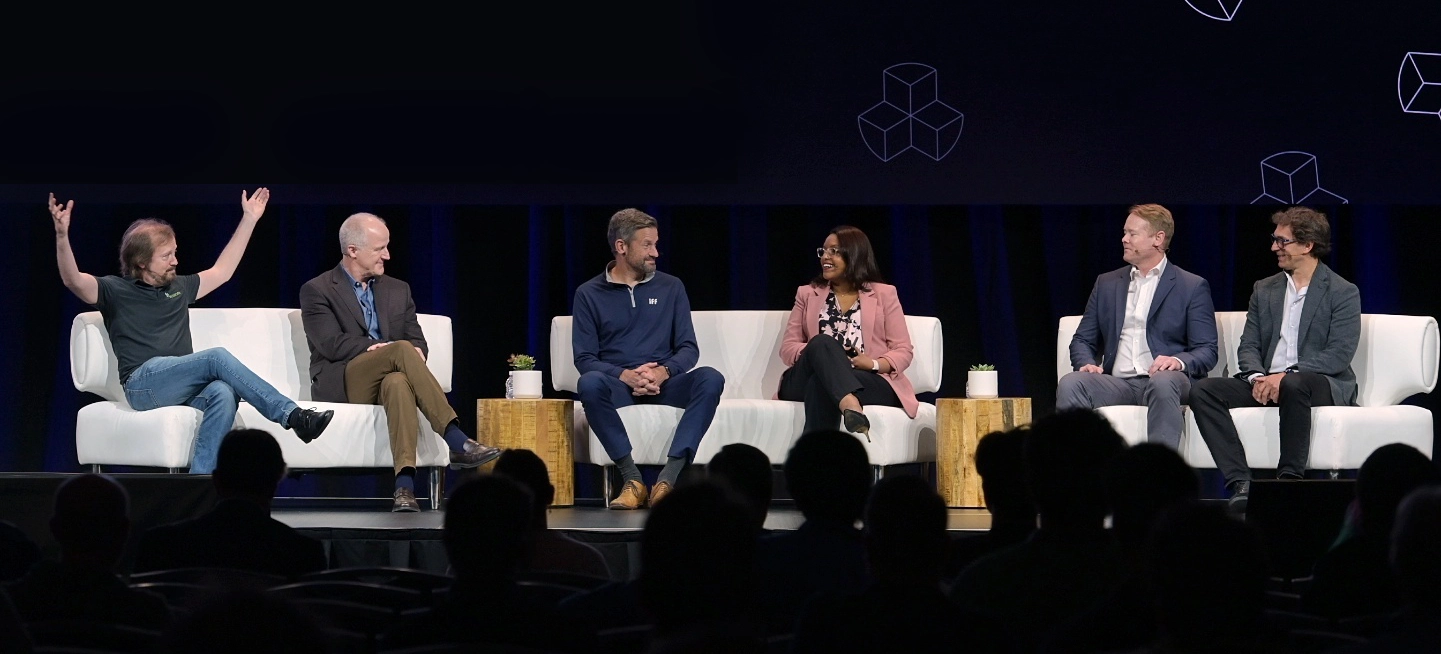
Event Updates