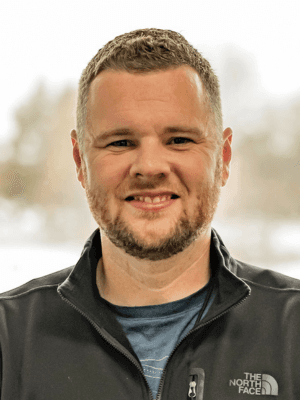
SynBioBeta Speaker
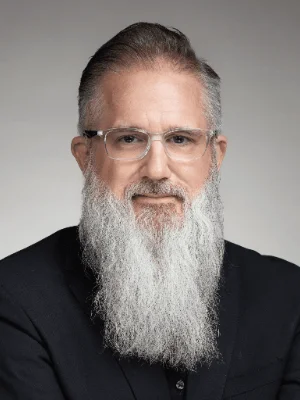
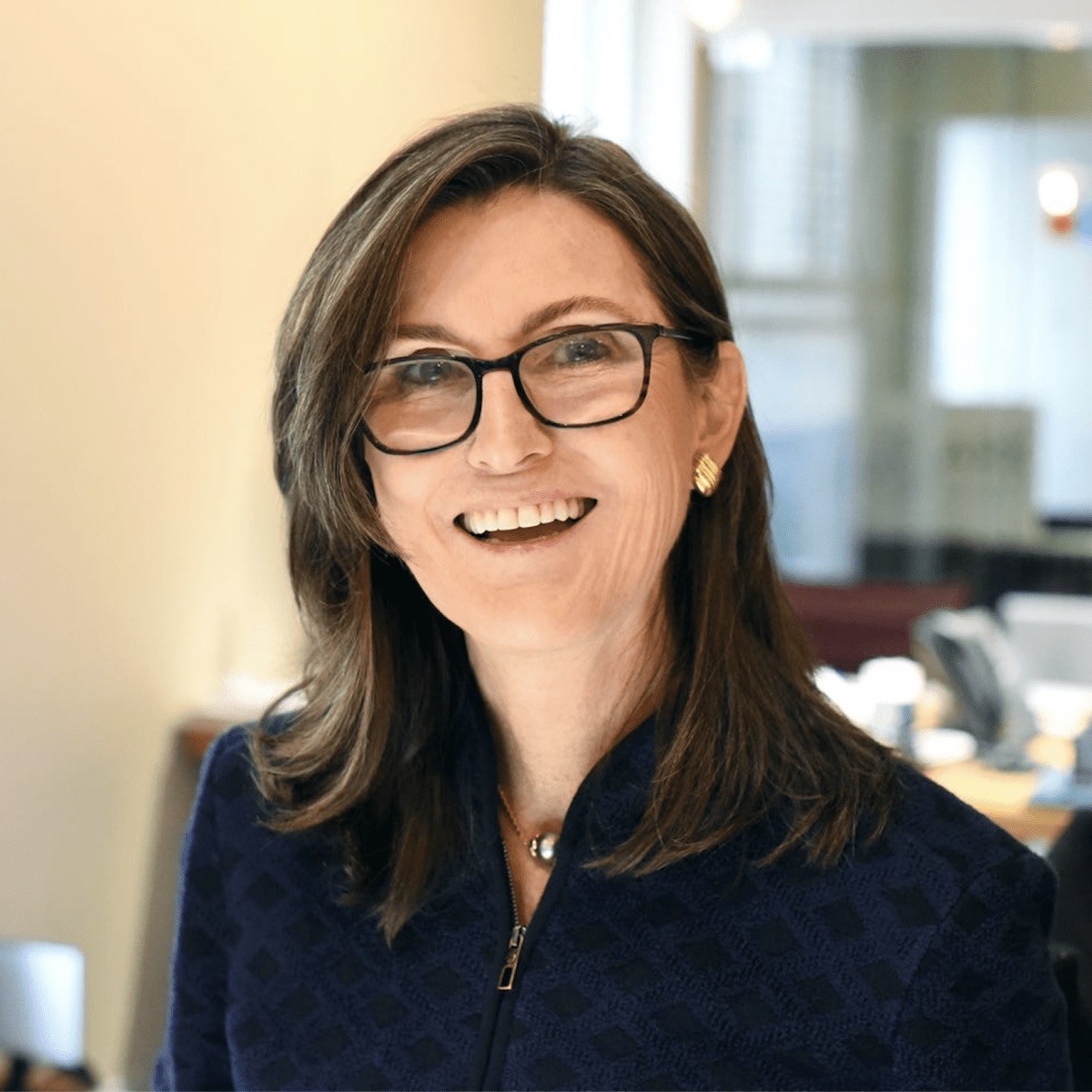
Christopher Vakulskas
Integrated DNA Technologies
Sr. Dir. of Enzyme Dev.
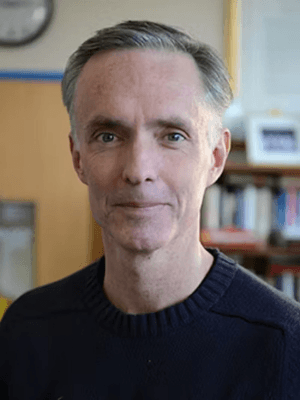
Christopher Vakulskas, PhD is Senior Director of Enzyme Development at Integrated DNA Technologies (IDT), where he leads teams building next‑generation enzymes and molecular biology platforms spanning genome editing, diagnostics, and synthetic biology. Since joining IDT in 2015, his work has focused on translating protein engineering advances into robust, scalable products used across research, clinical, and industrial settings.Chris has led the development of widely adopted CRISPR nuclease technologies, including HiFi/SpyFi Cas9 and Cas12a Ultra, enabling improved specificity and performance in genome editing applications. He has also advanced innovations in qPCR and diagnostics, including extraction‑free molecular detection workflows for viral testing.At the core of Chris’s work is enabling faster build–test–learn cycles—where complex sequence designs become real, testable biology. He brings a practical perspective on the constraints that matter in synthetic biology at scale: how DNA complexity, accuracy, turnaround time, and downstream measurement (often by NGS) shape what is possible to design, build, and iterate. His teams and collaborators have helped push the limits of complex DNA design and manufacturability, supporting new synthetic biology products and applications.Chris earned a BS in Genetics and Biotechnology and a PhD in Microbiology (University of Iowa), completed postdoctoral training at the National Institutes of Health, and was recognized as a Distinguished Alumnus by the University of Florida.